




European lawmakers saw the writing on the wall and ditched its 2035 internal combustion engine (ICE) ban for new light and passenger vehicles, but Canberra’s politicians aren’t following suit.
Last month, the European Commission announced carmakers will need to reduce their fleet emissions by 90 per cent compared to 2021 levels before the start of 2035, replacing the existing regulations would have required a 100 per cent reduction, effectively making electric vehicles (EVs) and hydrogen fuel cell vehicles (FCEVs) the only viable models.
It represented a stunning walkback from what is typically one of the most progressive regions worldwide, however it followed a cooling of demand for crucial zero-tailpipe-emissions vehicles, with no viable way to reach the original 2035 target.
While the change in Europe will have big implications on future products – due to the market’s size and influence on the global automotive industry – the Australian Capital Territory Government has decided to stay the course with its own ambitious ban.

Announced in 2022 as a part of its Zero Emissions Vehicles Strategy 2022-30, the territory government said it intended to cease registration of new ICE-powered light vehicles by 2035, preceded by EVs and FCEVs making up 80 to 90 per cent of sales in the region by 2030.
Despite Europe changing course on its ICE ban, the ACT is not following suit, instead standing by its own 2035 target – despite not being on track to reach it.
“The ACT was the first Australian jurisdiction to transition to 100 per cent renewable electricity in 2020 and is recognised nationally for its leadership in taking action on climate change,” a spokesperson for the government told Torquecafe.
“The ACT Government remains committed to reducing transport emissions, to create a healthier and more sustainable future for the ACT.
“The ACT’s Zero Emissions Vehicles Strategy 2022-30 adopts a zero emissions vehicle (ZEV) sales target for new light vehicles in the ACT of 80-90 per cent by 2030, and outlines the ACT Government’s intention to cease registration of new light internal combustion engine vehicles by 2035.

“These ambitious targets make it clear that the ACT is committed to a zero-emissions future.
“Transport is the ACT’s largest contributing emissions sector and currently makes up 61.1 per cent of total emissions. Transport emissions in the ACT need to reduce significantly to reach the ACT’s commitment of net zero emissions by 2045.
“The ACT Government has supported the rollout of public charging to ensure those who cannot charge at home can make the switch to electric. There are currently over 210 chargers supporting more than 300 charging bays in the ACT and that number is continuing to grow rapidly.
“Around one in five newly registered vehicles is electric and that proportion is expected to increase as Canberrans make the switch to electric, unlocking lower fuel and maintenance costs in doing so, especially as the affordability of new electric vehicles improves.”
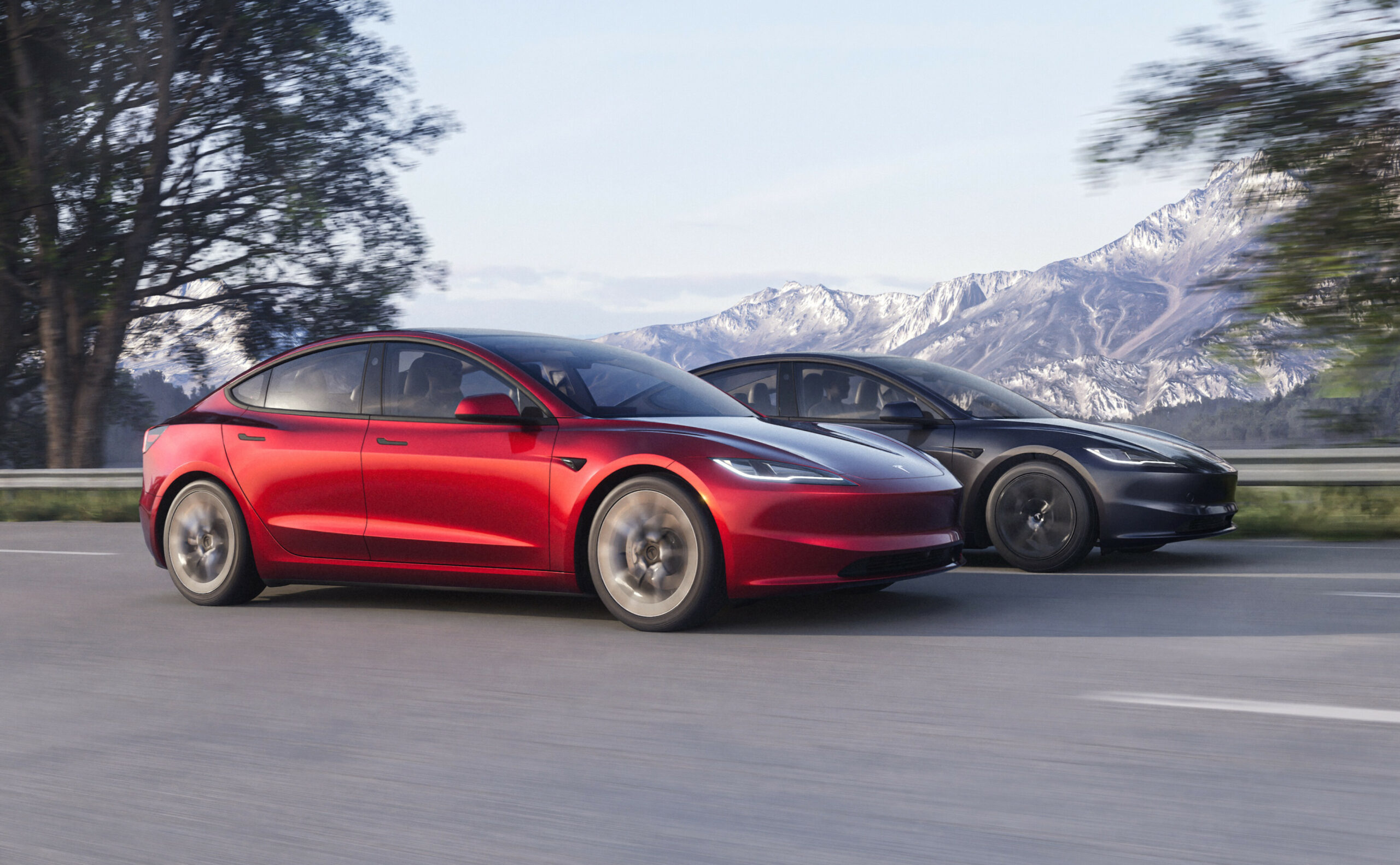
Last year, 17,963 new vehicles were delivered in the ACT, according to data from the Federal Chamber of Automotive Industries (FCAI) and the Electric Vehicle Council (EVC).
Of those, 3392 were EVs, meaning 18.9 per cent of all new vehicles delivered were exclusively battery powered, or – as claimed by the ACT – just under one in five deliveries.
That figure is more than double the national average, where EVs accounted for 8.3 per cent of all new vehicle deliveries in 2025.
This is due in part to the ACT’s supportive incentives for EVs, which includes an exemption for lower stamp duty rates (previously EVs were exempt), cheaper registration fees, and up to $15,000 in low-interest loans.






Discussion about this post