




Donald Trump has taken the next step of reducing red tape around the US automotive industry by significantly cutting fuel economy targets for brands, following a repealing of emissions penalties earlier this year.
Former President Joe Biden had previously changed the US Corporate Average Fuel Economy (CAFE) standards – which have been in place in various forms since 1975 – to require OEM vehicle fleets to have an average consumption of 50.4mpg (4.7L/100km) by 2031.
Following President Trump’s changes last week, the average has now been cut to 34.5mpg (6.8L/100km), a huge increase of 45 per cent. The proposal is yet to be enacted and stakeholders can submit comments on it, however it’s understood to be expected to pass through unchanged.

It is the latest Trump policy to effectively reduce the uptake of EVs in the US, following the repeal of a US$7500 (A$11,300) tax credit for fully electric vehicles, as well as the end of penalties for carmakers which exceed emissions limits, effectively allowing free reign from carmakers to produce whatever they like.
Speaking to Fox and Friends after the announcement, Ford CEO Jim Farley welcomed the changes to the CAFE standards, while claiming the previous Biden-era levels “forced” his company and others to sell more EVs.
“This is a victory for affordability and common sense,” Farley said.
“We will be able to offer more affordability on our popular models, and be able to launch new vehicles built in America that are more affordable because of this rule change.
“Frankly, [Biden-era] CAFE was totally out of touch with the market reality. We were forced to sell EVs and other vehicles.
“We’re not going back to gas guzzlers – we have a lot of EVs and hybrids at Ford. Now customers get a chance to choose what they want, not by what we force on them.”
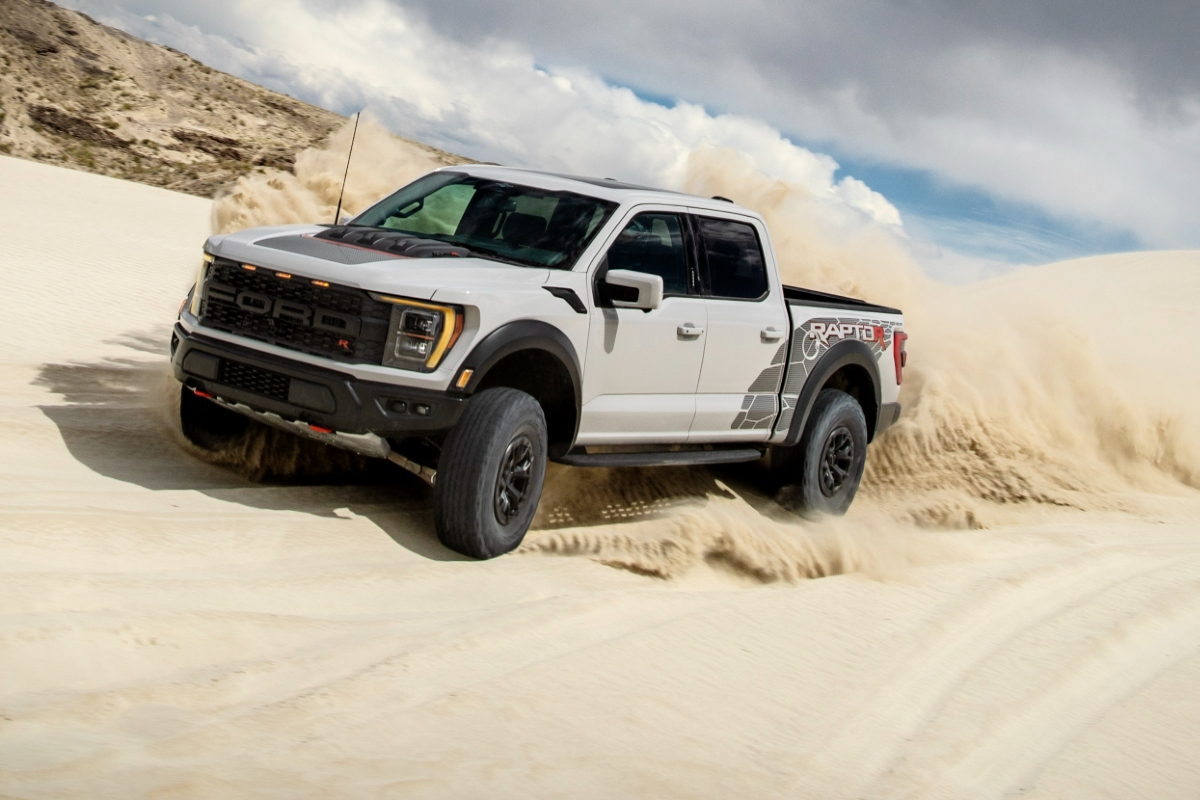
Ironically, Ford was vaulted to being the third-largest hybrid vehicle brand in the US last year after it made the hybrid version of its F-150 pickup a no-cost option compared to the non-electrified version.
Ford has also been heavily investing in EVs recently, including in a new platform due to debut in 2027 underneath a mid-sized pickup, something the brand has touted as being a game-changer.
The brand, and others in the US, haven’t detailed how much they’ll cut prices by now the CAFE standards and emissions penalties have been wound back, though it’s expected to deliver larger profits to those who had previously been impacted by having dirtier, thirstier vehicles.







Discussion about this post