


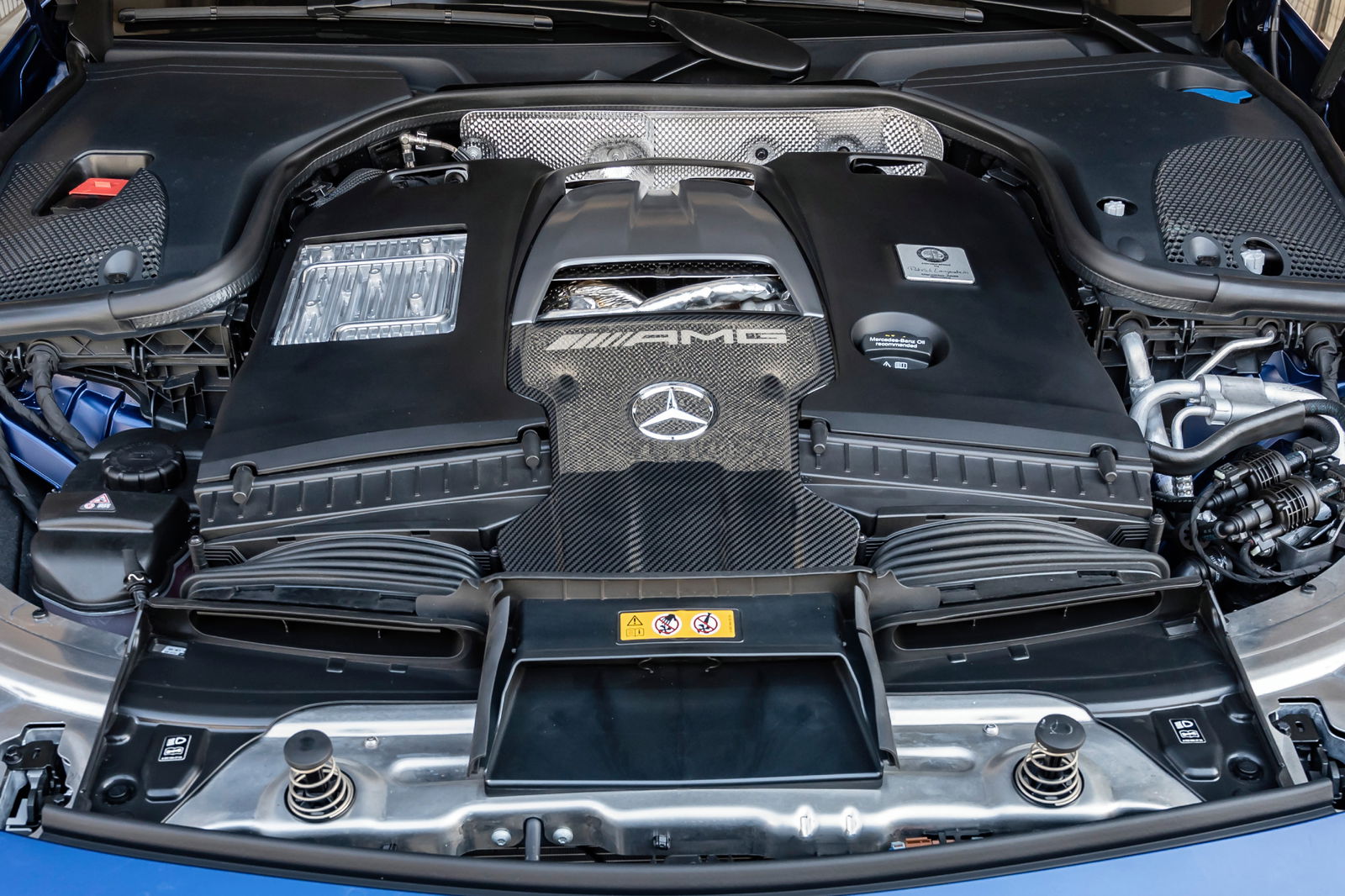

Europe’s upcoming 2035 ban on the sale of new petrol and diesel vehicles was never a popular step within the wider automotive industry, and now it’s facing renewed criticism as the date nears.
Intended to significantly cut tailpipe emissions and clean up the light transport sector, the internal combustion engine ban has the potential to majorly disrupt the car industry, given the volume of sales and manufacturers in the European Union.
While it has already been approved to come into effect, critics aren’t stopping calls for there to be some concessions made to not turn the light vehicle market into a sea of EVs.

Automotive News Europe reported last week Friedrich Merz, the Chancellor of Germany, sent a letter to the European Commission, asking for plug-in hybrids (PHEVs, extended-range EVs (EREVs) and “highly efficient” ICE cars to be exempt from the ban.
“This is above all about achieving good compatibility between competitiveness and the demands we place on climate protection,” Merz reportedly said at a news conference, announcing the letter.
“Our goal should be a technology-neutral, flexible, and realistic CO2 regulation that meets the EU’s climate protection targets without jeopardizing innovation and industrial value creation,” the Chancellor said in the letter to the EC.
“We must consider the emissions of the entire passenger car fleet – that is, new registrations and existing vehicles.”
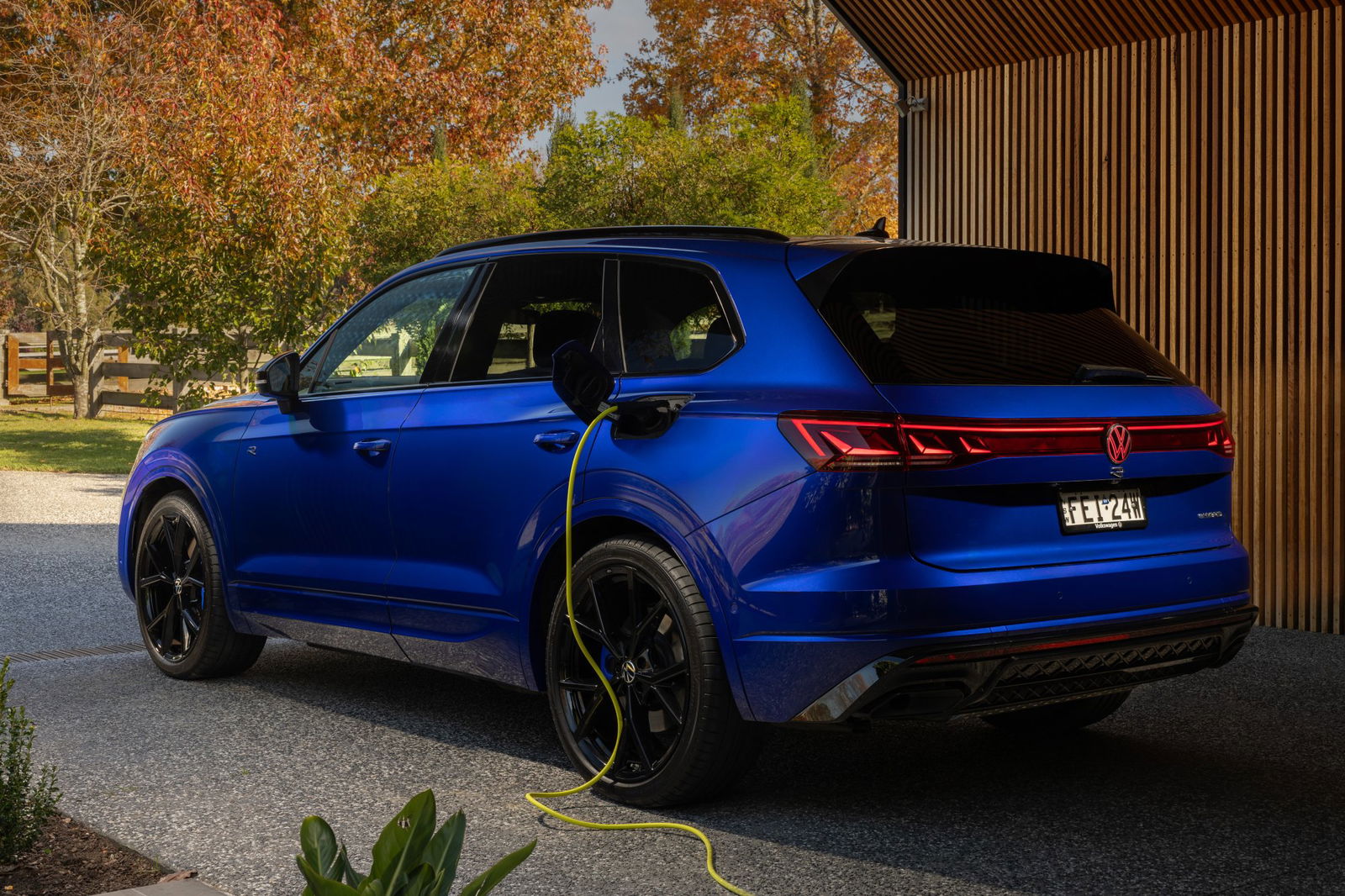
Previously both the French and Spanish governments have said they would prefer the EU to remain with the 2035 ban, without concessions.
A separate Automotive News Europe report claims German carmakers and the European Automobile Manufacturers’ Association (ACEA) have supported a scaling back of the ban, understood to have triggered Merz’s letter to the EC.
However, some German brands are onboard with the ICE ban, such as Audi, whose CEO Gernot Döllner told business publication WirtschaftsWoche in September any resistance to the ban is “counterproductive”.
“I know of no better technology than the electric car for making progress in reducing CO2 emissions in transport in the coming years,” Döllner said.
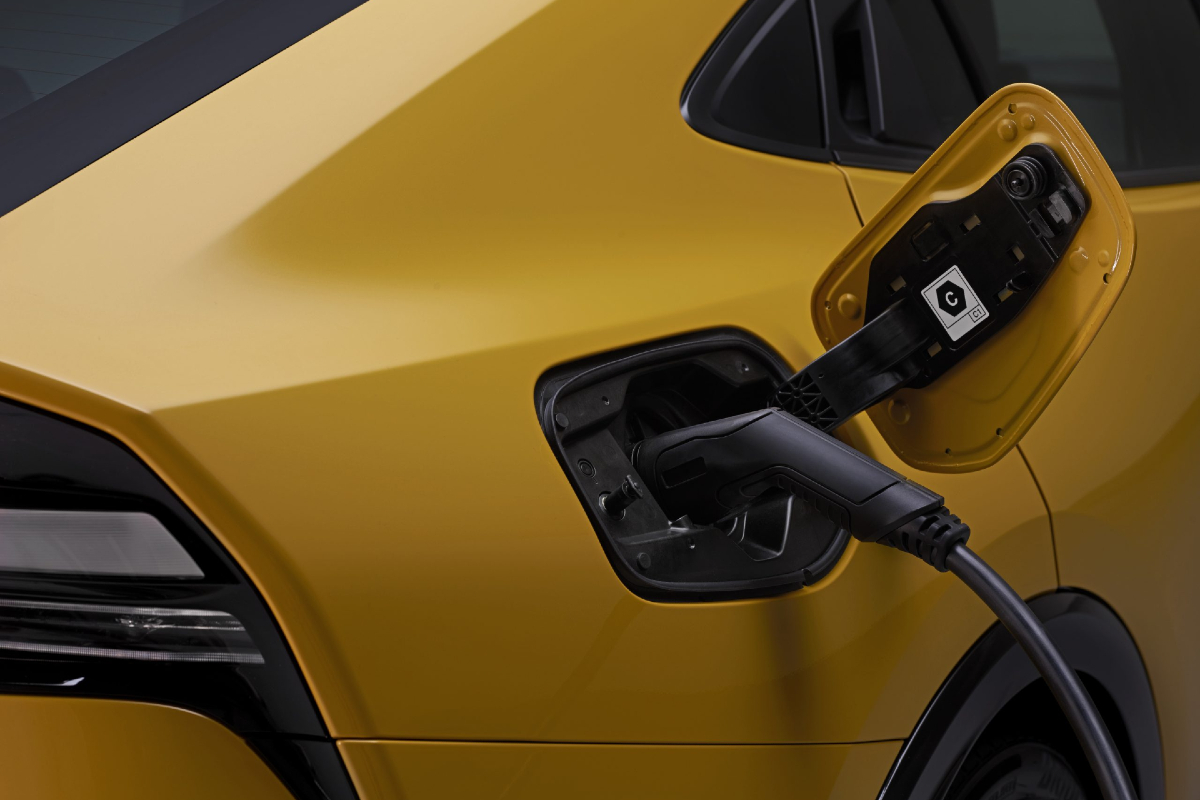
“But even apart from climate protection, the electric car is simply the better technology.”
Döllner added debates about keeping internal combustion engines alive were “counterproductive and unsettles customers”.
Ironically, Audi earlier this year made a U-turn on its decision to end development of engines by 2026, with Döllner saying he “believes in flexibility”.







Discussion about this post