




The global market for EVs has undergone its fair share of ebbs and flows in recent years, having struggled for traction for the best part of a decade before taking off following the COVID-19 global pandemic, only for sales to cool down again.
Numerous factors can be attributed to this, with changing government regulations worldwide and in important markets, differing levels of infrastructure and dominance in manufacturing for some regions.
In Australia, the EV market has settled to a consistent level of growth but still hangs around at just under 10 per cent of total new vehicle sales, with customers instead opting for traditional hybrids, while plug-in hybrids (PHEVs) have also enjoyed a rise in popularity.
Andrew Humberstone, soon to be the former managing director of Nissan Oceania, told Torquecafe his brand doesn’t appear to be as well stocked with EVs currently as others from Japan, but warned the long-term market may shift and leave them vulnerable.
If I could ever have an off-record conversation, I would love to have a conversation about which Japanese brands do better, which brands do better long term versus short,” Humberstone said.
“It would be interesting to have [that conversation] in five years’ time, because I think you might be surprised who’s here and who’s not. I’m not just talking [about the] Japanese, long-standing brands and their product portfolio. If they’re not doing what we’re doing out of necessity, they move too late.
“What we’re doing and what you’re seeing is this blip, the cleansing. You can talk about volumes, that means you haven’t understood – respectfully – because of course you have to clean, you have to build.
“We have been very strategic to take a long term view. We’re one of the few that are ahead of the curve in doing it.

“I think also being fully electric is a tough move. I’m not so sure how financially viable that is in the long run.”
Humberstone’s comments come amid an announcement that Nissan has delayed the third-generation Leaf – now an electric SUV rather than hatchback – indefinitely for Australia.
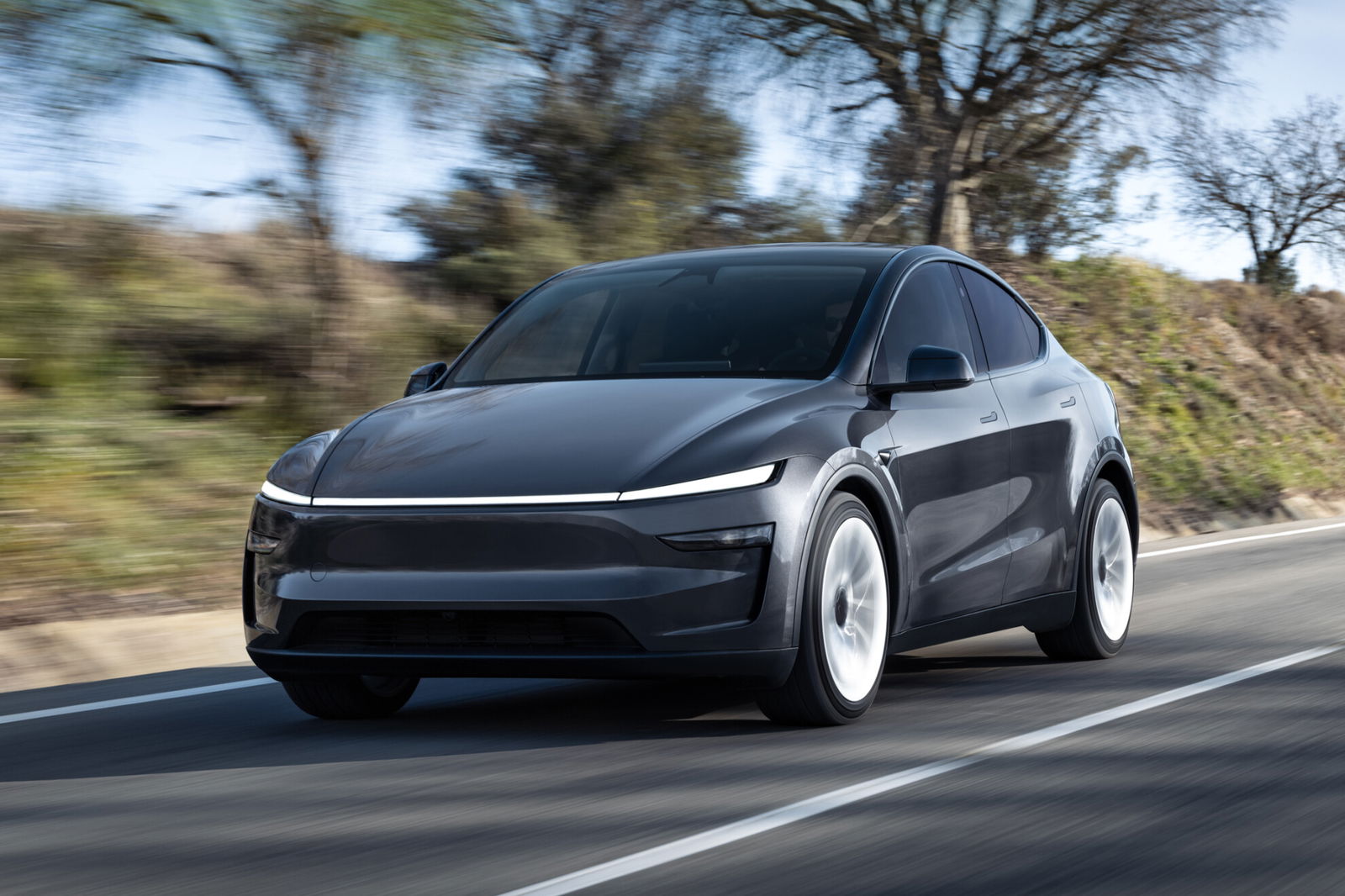
Currently, the only EV in Nissan’s local lineup is the Ariya, sized like a Tesla Model Y and launched last year almost five years after being revealed globally.
Instead of focusing on EVs, Nissan’s Australian outlook has hybrids – using its unique e-Power technology – at the core of its electrification plans, with the X-Trail offering the fuel-saving system, while the Qashqai recently went e-Power only.






Discussion about this post