




The future of the Mitsubishi Pajero nameplate appears to be coming into focus, with the latest reports from Japanese publication Best Car claiming the new large SUV will move up in size compared to the old Pajero Sport.
According to the outlet – which often posts unsubstantiated claims – the Pajero Sport is being renamed to the Pajero for the new generation SUV, however its larger size means it’s closer to the full-size Pajero than before.
Like the current Pajero Sport, the Pajero reportedly will be based on the same platform as the Triton, and share the ute’s twin-turbo 2.4-litre four-cylinder diesel engine, six-speed automatic transmission and full-time 4×4 system.
The Pajero could also adopt plug-in hybrid power, with the technology under development for the Triton. This conflicts with a previous report by Best Car which claimed the Pajero would simply be based on the Outlander PHEV, which would have resulted in it becoming a monocoque rather than body-on-frame vehicle.
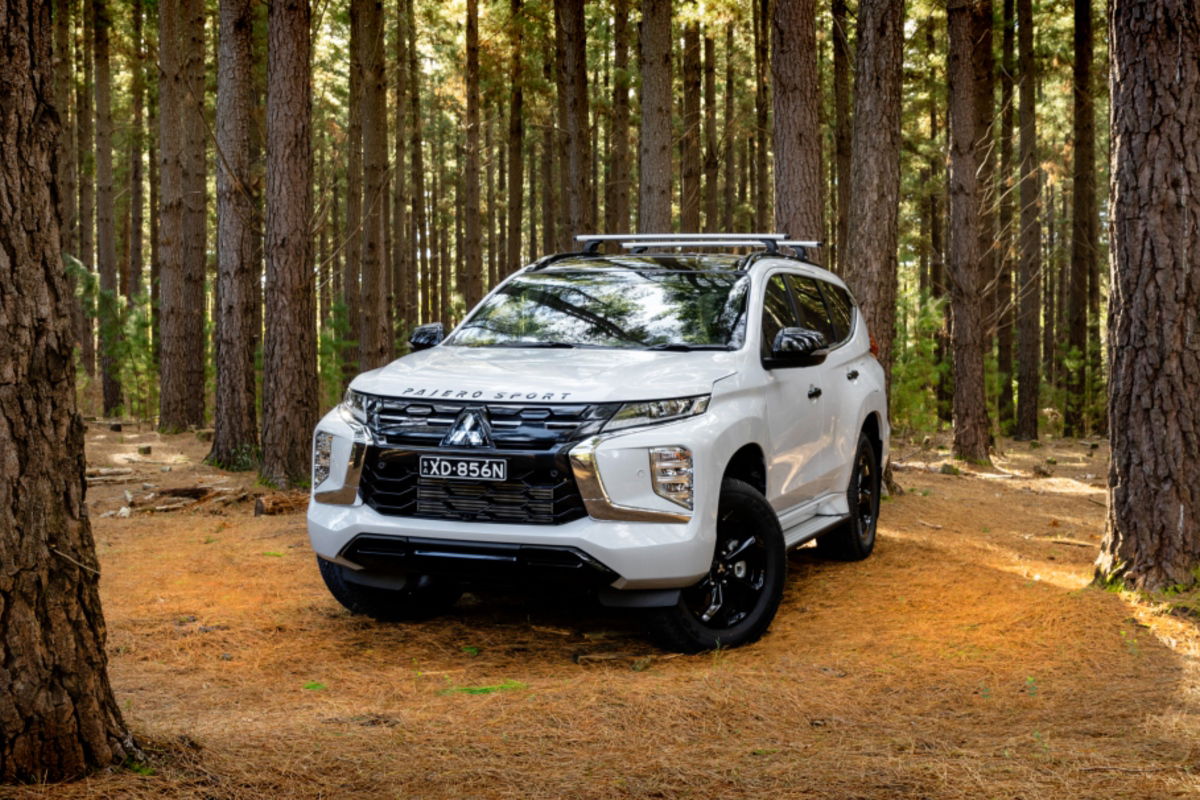
It’s expected the Pajero will be built in Thailand alongside the Triton, unlike previous generations of the full-size SUV which were largely produced in Japan.
Like many ute-based SUVs such as the Ford Everest and Isuzu MU-X, the Pajero will reportedly share similar dimensions to the Triton, however it could end up being shorter in length due to not needing a tub, despite likely being fitted with three rows of seats.
This would see it be closer in size to the likes of the Toyota LandCruiser 300 Series and Nissan Patrol, though its platform and powertrain would be closer to performing against the LandCruiser Prado.


Its design is expected to mirror that of the Destinator, a Prado-sized SUV for South-East Asia and some parts of Africa.
Best Car claims the Pajero could go on sale in Japan before the end of 2026, again representing a change on previous reports which said it could have arrived by now.
Australia last saw the Pajero in showrooms in 2021, while the Pajero Sport was pulled from sale locally earlier this year due to not being compliant with then-incoming Australian Design Rules around the performance of autonomous emergency braking systems.







Discussion about this post