


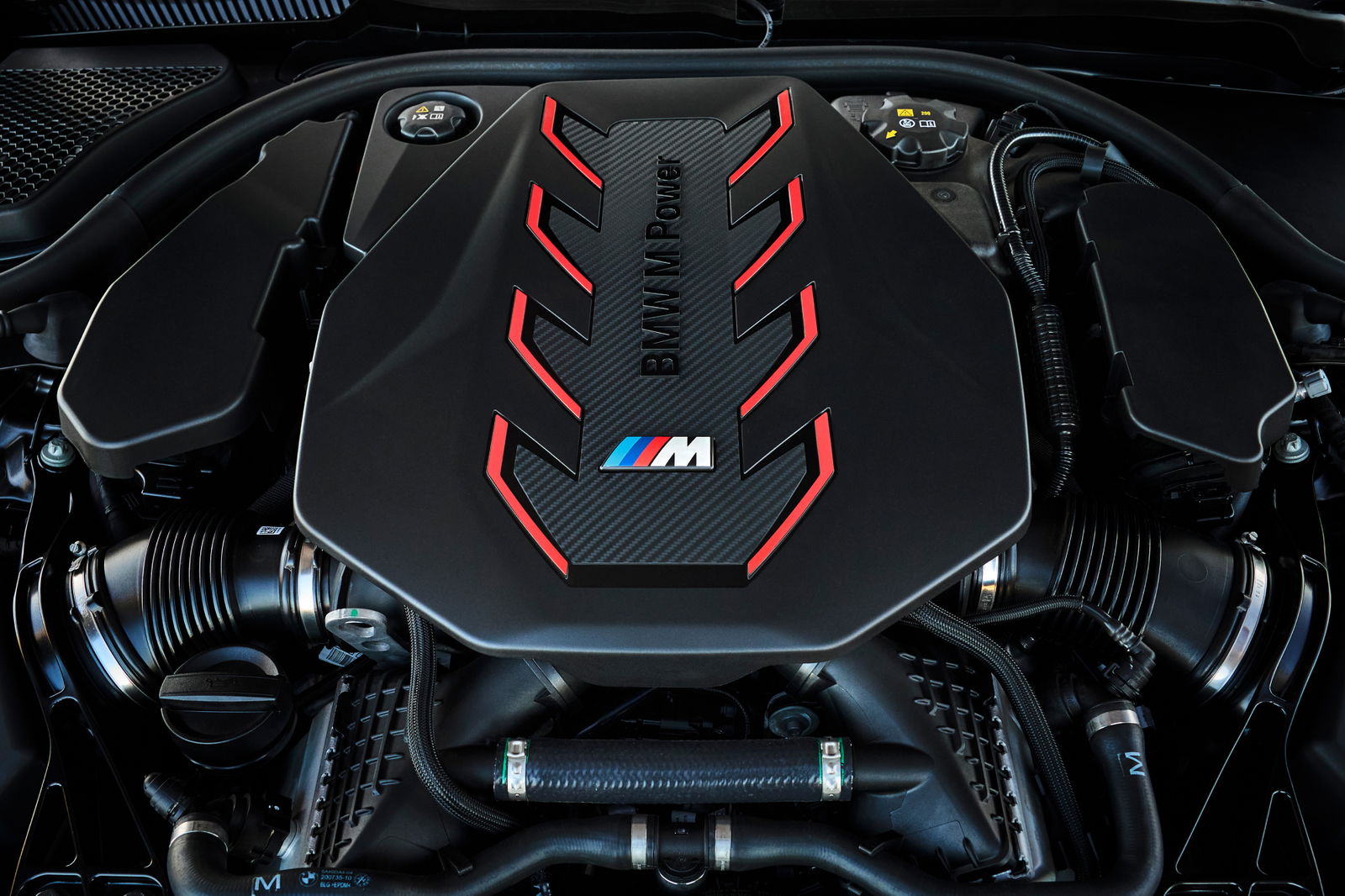

A significant shift in the automotive market is putting pressure on European lawmakers to delay the upcoming ban of new petrol and diesel internal combustion engines in light vehicles.
As reported by The Times, the European Union is expected to push back the ICE ban until 2040, five years after the current deadline of 2035, following a lower than expected uptake of EVs.
This five-year delay will allow carmakers to also keep selling electrified vehicles such as traditional hybrids and plug-in hybrids, which are typically more affordable than EVs and better suited to a wide range of customers.
Whether the potential push-back has a major impact on carmaker’s product plans is not yet known, as it could disrupt models already locked in to go electric by 2035.
Big win for engines as petrol, diesel ban set to be walked back
However, a vast majority of brands selling vehicles in Europe had only committed to ditching ICE cars in markets that require them to, meaning they would still have some production capacity for petrol and diesel power.
Recent reports, such as one last week from German business publication Handelsblatt, have suggested the 2035 date could remain though with concessions to allow for engines capable of running on zero-tailpipe emissions fuel.
“We are taking all technological developments into account, including the role of zero-emission and low-emission fuels, advanced biofuels, and the importance of an economically viable and socially just transition,” European Union Transport Commissioner, Apostolos Tzitzikostas, told the publication.
Earlier this month, Automotive News Europe reported Friedrich Merz, the Chancellor of Germany, sent a letter to the European Commission, asking for plug-in hybrids (PHEVs, extended-range EVs (EREVs) and “highly efficient” ICE cars to be exempt from the ban.
This was done off the back of some German carmakers and the European Automobile Manufacturers’ Association (ACEA) supporting a scaling back of the ban, which will disrupt future model plans and potentially drive up costs due to the cost of EV batteries.
Carmakers have been divided on the potential pushback of the ban, with some supporting it – mostly those currently on track to be most impacted by the 2035 deadline – while others have supported keeping the date unchanged.
Audi CEO Gernot Döllner told business publication WirtschaftsWoche in September any resistance to the ban is “counterproductive”.
“I know of no better technology than the electric car for making progress in reducing CO2 emissions in transport in the coming years,” Döllner said.
“But even apart from climate protection, the electric car is simply the better technology.”






Discussion about this post