


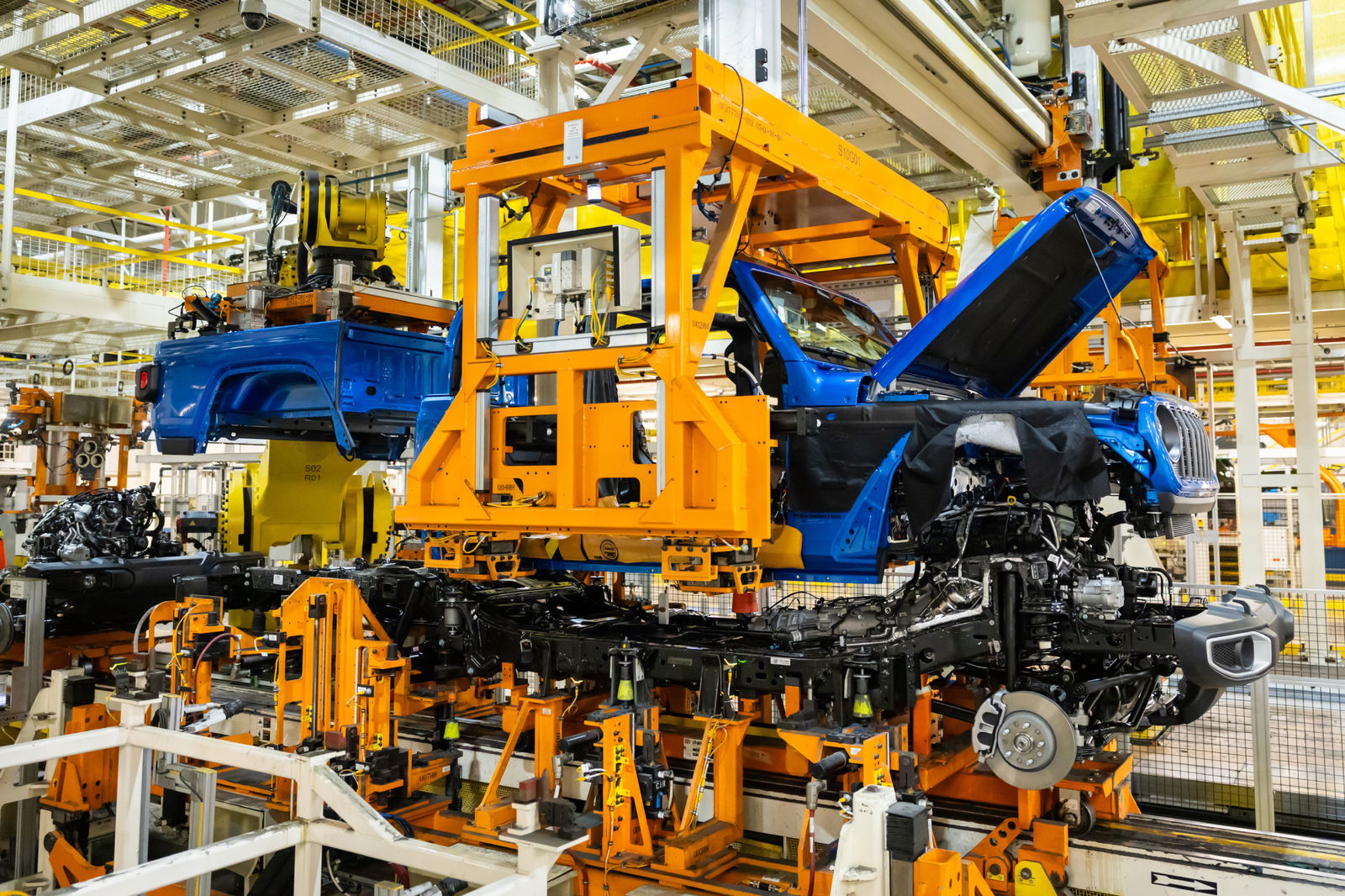

Stellantis – the multinational parent of more than a dozen car brands – has taken a short-term hit, following its decision to scrap numerous EV plans and sell what the market wants.
Overnight, the car giant – which lists Jeep, Dodge, Ram, Peugeot, Citroen, Alfa Romeo and Lancia as just a handful of its subsidiaries – announced a net loss of €22.3 billion (A$37 billion) for the 2025 financial year, and an adjusted operating loss of €842 million (A$1.4 billion).
The company’s first loss since it was established in 2021 (following the merger of Fiat Chrysler Automobiles and the PSA Group) was chalked down to “€25.4 billion (A$42.2 billion) of full year unusual charges”, centring around its revised EV plans.

“Our 2025 full year results reflect the cost of over-estimating the pace of the energy transition and of the need to reset our business around our customers’ freedom to choose from the full range of electric, hybrid and internal combustion technologies,” Stellantis CEO Antonio Filosa said in a media statement.
“In the second half of the year we began to see initial, positive signs of progress with the early results of our drive to improve quality, strong execution of the launches of our new product wave and a return to top line growth.
“In 2026 our focus will be on continuing to close the execution gaps of the past, adding further momentum to our return to profitable growth.”
Stellantis noted approximately of the €22.2 billion (A$36.8 billion) in charges for the reset, “about €6.5 billion (A$10.8 billion) are cash payments expected to be made over the next four years”, not only due to its changed product plans but also workforce reductions in Europe.
A majority of the car giant’s product changes have occurred in the US, where the revival of the Hemi V8 engine and the addition of petrol-powered alternatives to EVs has been a key focus across the past 18 months.
Recently Ram brought back the V8 to the 1500 pickup, Jeep now offers a V8-powered Wrangler again, and the Charger is sold with a twin-turbo straight-six engine.






Discussion about this post