




Following a spate of criticism and reported fatalities, China has become the first nation to ban electric vehicles with concealed door handles, according to overseas reports.
Bloomberg reports the Ministry of Industry and Information Technology has set new requirements which dictate EVs sold in the nation will need to have mechanical releases both inside and outside the doors, rather than hidden handles powered by electric motors.
The change has been made after a handful of crashes which reportedly led to occupants being trapped inside their vehicles, resulting in fire-induced fatalities.
According to Bloomberg, all new cars sold in China from January 1, 2027 will need to comply with the regulations, however those which have already been approved for sale have a grace period until January 1, 2029 to become compliant.

An automotive insider told the publication that the cost of undertaking the necessary changes could cost carmakers more than 100 million Yuan (A$20.7 million) to become compliant with the regulations.
It will have an impact on some of the most popular EVs in the nation such as the Tesla Model Y and Model 3, as well as Xiaomi’s YU7 and SU7, among others.
A separate report by China Daily suggested almost 60 per cent of the nation’s 100 best-selling ‘new energy’ (electric and plug-in hybrid) cars featured concealed handles which require power to open.
The regulations will likely have flow-on effects in Australia, where nine of the top 10 best-selling EVs locally last year were built in China, and six of which feature concealed, power-opening door handles.
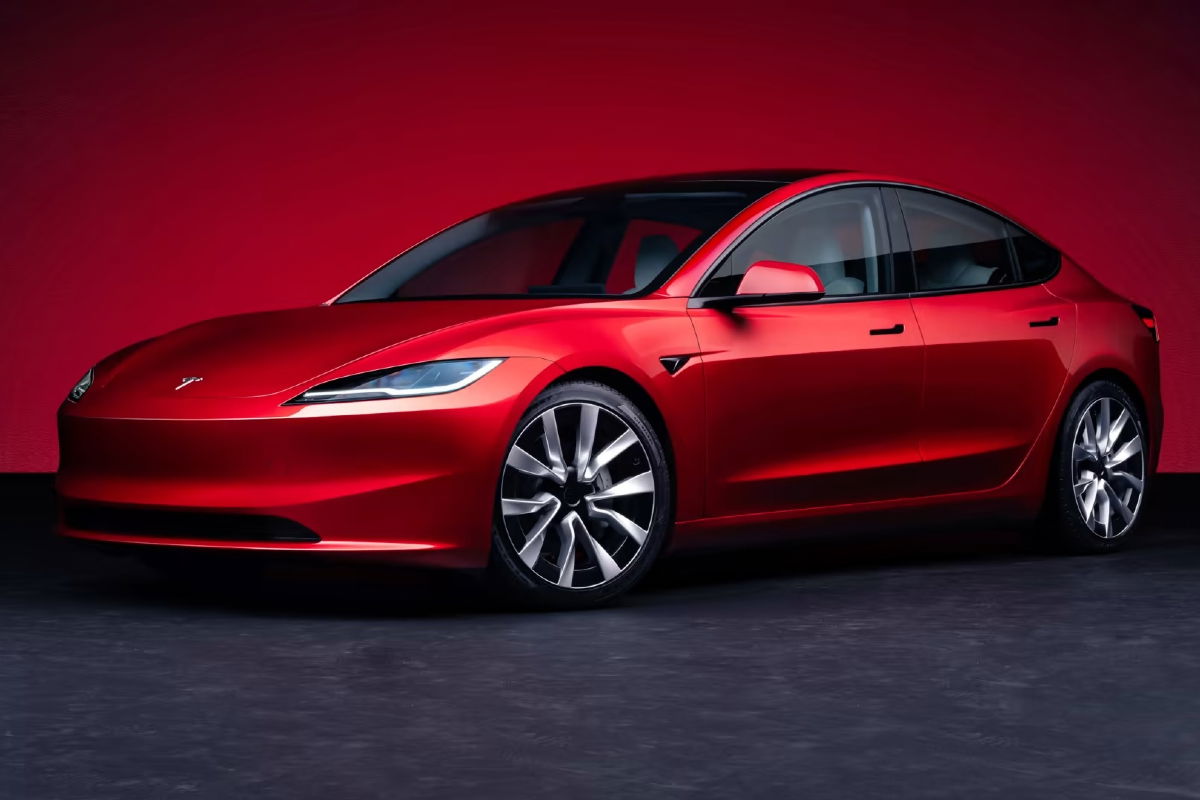
Both Europe and the US have also been mulling changes to door handle regulations, also in the wake of fatal incidents where vehicle occupants have been trapped.
Speaking to Bloomberg, Bill Russo, the founder of consultancy firm Automobility, said that the new regulations launched by China will likely have other regions following.
“By moving first, Beijing can use its huge domestic market to lock in safety standards that both Chinese and foreign automakers must follow at home – and that may ultimately travel with Chinese EV exports and influence global norms,” Russo told the publication.
“China’s far ahead in the commercialisation of some of these advanced technologies. It’s far ahead in electrification and, I would argue, will be further ahead in self-driving technology.

“China’s going to play an outsized role in stepping ahead of the rest of the world in setting the regulatory standards.”
Last year, the Australasian New Car Safety Program (ANCAP) announced changes to its testing criteria, which will see cars lose points if their electrically operated exterior door handles don’t remain operable after a crash, preventing first responders to help extract occupants.
While this isn’t a requirement as ANCAP safety ratings are designed as consumer awareness, it will make such systems more important to work properly to score full marks, and thus be seen in a better light by the buying public.
Common sense shake-up coming for Australian new-car safety tests







Discussion about this post