


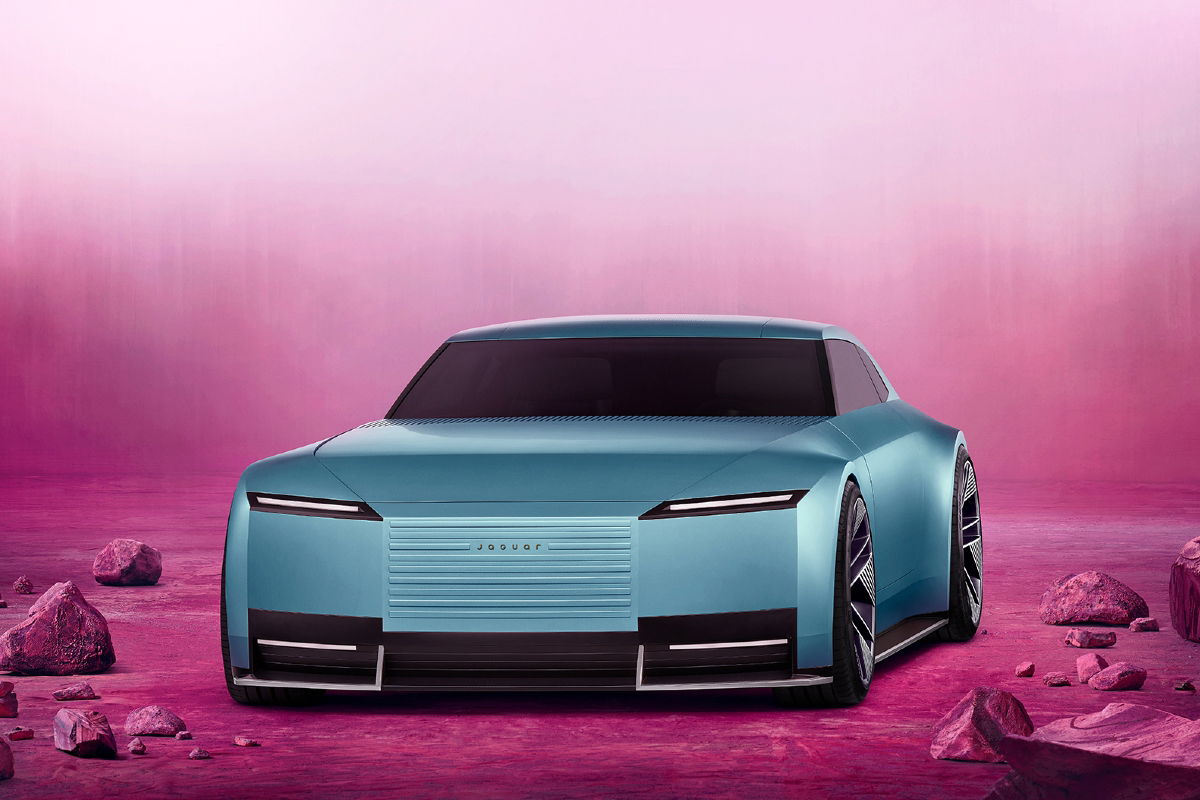

Jaguar is edging closer to its highly publicised relaunch as an electric-only car brand, with no more engine-powered models coming down the production line.
It’s been a long road for the storied marque, which in 2024 launched a massive online campaign to announce its transition to becoming a more premium brand – only to land in the middle of culture wars before it even revealed its EV grand tourer concept.
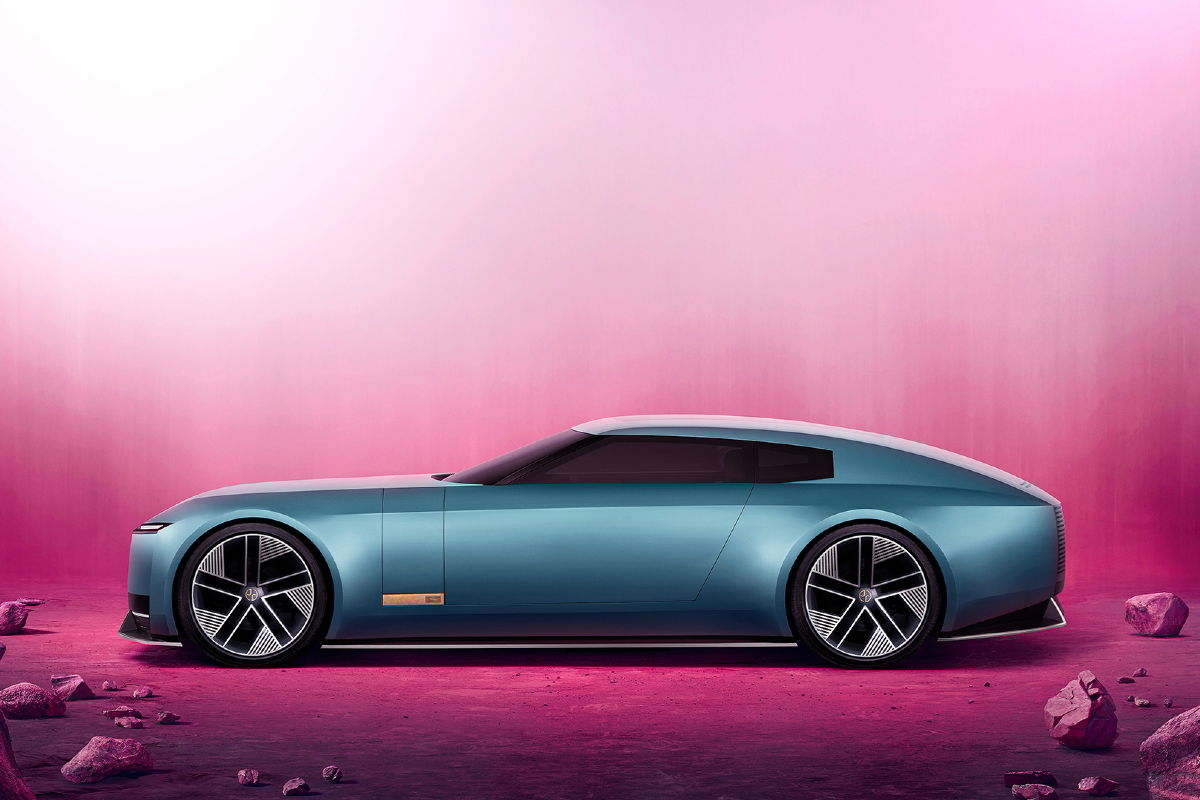
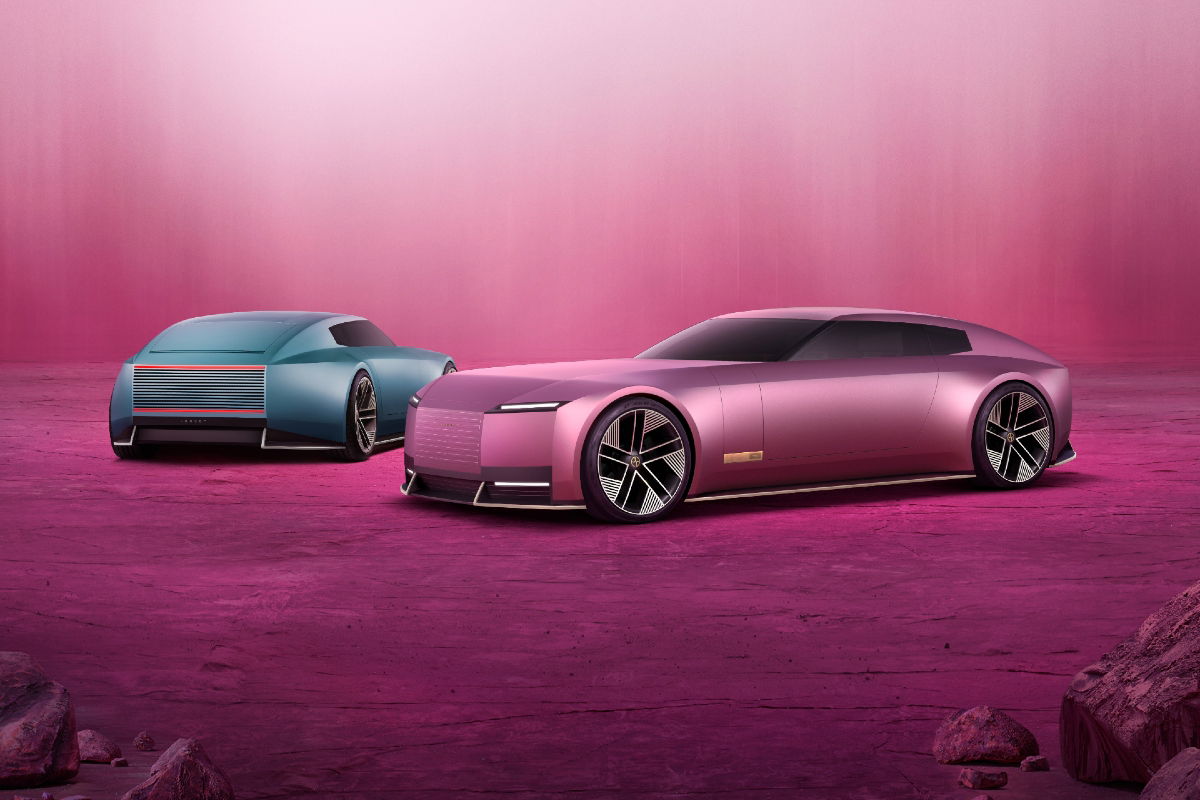
Due to launch this year, the production version of the Jaguar Type 00 is closer to a Bentley or a Rolls-Royce than the recent line of products which have challenged BMW, Mercedes-Benz and Audi, but it’ll mark the first iteration of its new direction.
However, last week a report by UK newspaper The Times said insider sources had claimed the carmaker was investigating whether the Jaguar Electric Architecture (JEA) underpinning its future EVs could accept engines, which would be used as onboard generators in an extended-range EV style setup.
Extended-range EVs – also called range-extender EVs, REEVs and EREVs – differ from plug-in hybrids (PHEVs) as the petrol engine can’t directly drive the wheels. Instead, it’s only capable of adding charge to the onboard battery, which can also be charged externally via a cable.
This powertrain is becoming more prominent in the electrified vehicle space, but is not yet a common sight in showrooms compared to pure EVs and PHEVs.
Despite the report’s claims coming from a person with inside knowledge, a spokesperson for the marque told Automotive News Europe, “our plans to reinvent Jaguar as an electric-only luxury automotive brand are unchanged”.
Should Jaguar stay the course with its EV-only plans, it’ll do so in a very different market to what was first planned.
Last month, the European Commission announced carmakers will need to reduce their fleet emissions by 90 per cent compared to 2021 levels before the start of 2035, replacing the existing regulations would have required a 100 per cent reduction, effectively making electric vehicles (EVs) and hydrogen fuel cell vehicles (FCEVs) the only viable models.
The US under the latest Trump Administration has also wound back emissions targets and penalties for carmakers, while also imposing tariffs on imported vehicles.
Though Jaguar recently installed P.B. Balaji – former chief financial officer at JLR’s (Jaguar Land Rover) parent company Tata Motors – as its CEO, it has also faced scrutiny late last year for the reported firing of JLR chief creative officer, Gerry McGovern.






Discussion about this post