


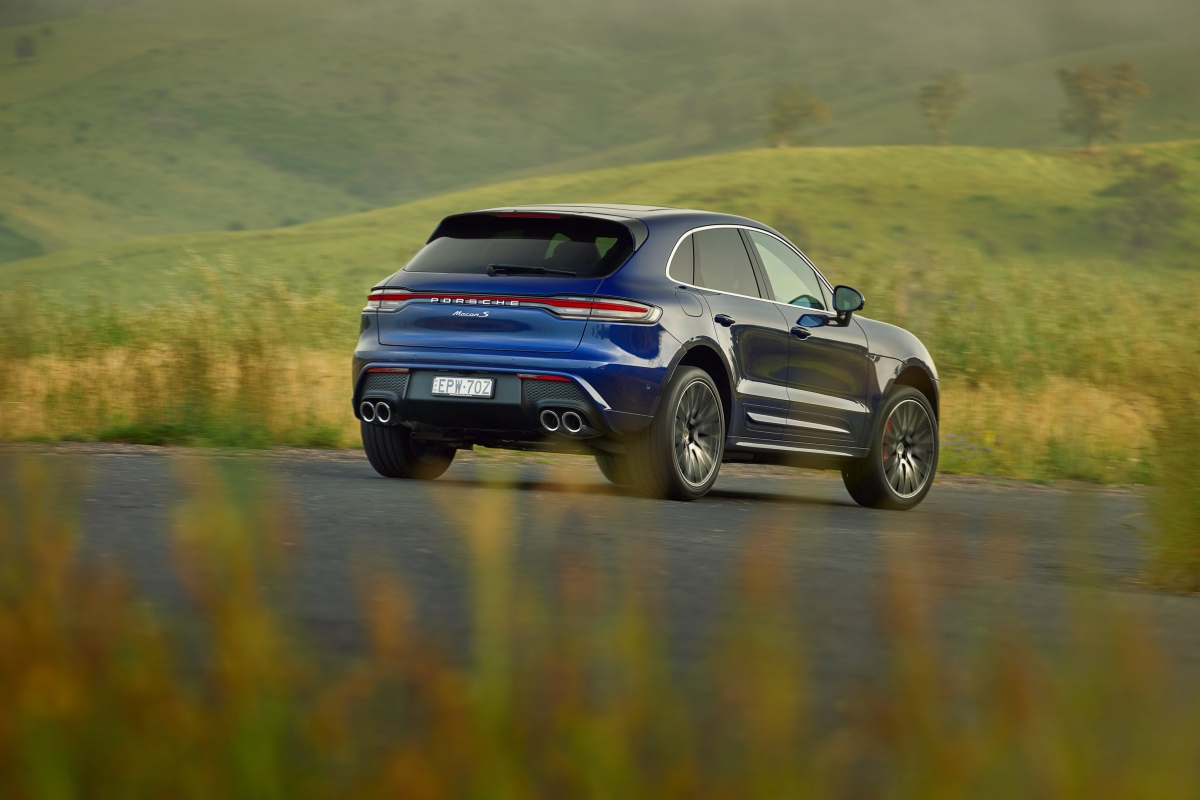

The Porsche Macan’s transition from being available with petrol and diesel power to becoming an EV led to the SUV suffering a sales slide globally, as the brand’s entry-level product moved out of reach – or out of desire – for buyers.
This move coincided with a general cooling of EV demand worldwide, especially for more luxurious models while affordable, budget options have remained popular.
Speaking with German publication Frankfurter Allgemeine Zeitung, Oliver Blume – who was Porsche CEO until January 1, and remains the CEO of the Volkswagen Group – admitted the culling of the internal combustion engine-powered Macan for most markets was a mistake, even if it seemed like the right decision at the time.
“Our strategy was to offer combustion engines, hybrids, and electric sports cars in each of our three segments – but not for every product,” Blume told the news outlet.
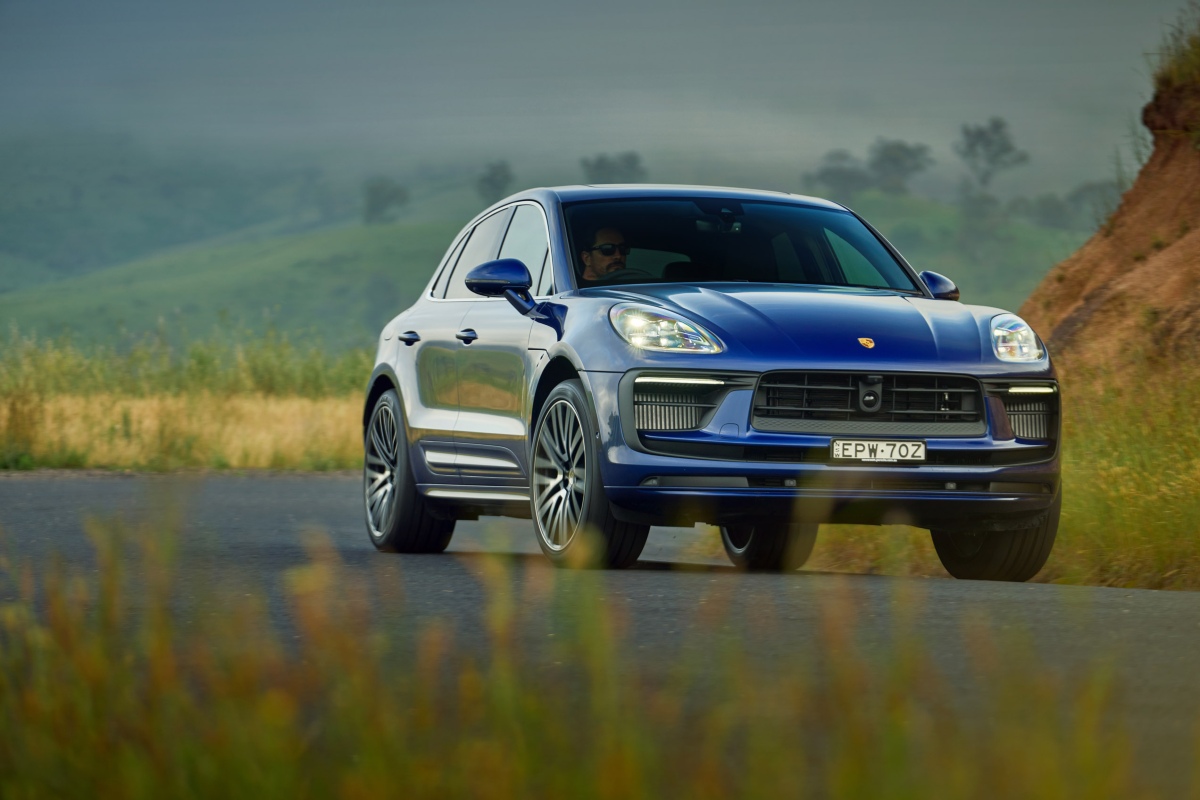
“We were wrong about the Macan. Based on the data available at the time and our assessment of our markets, we would make the same decision again.
“Today, the situation is different. We have responded and are adding combustion engines and hybrids.”
Porsche – now under the leadership of former McLaren CEO Michael Leiters – announced in August last year that it’ll launch a new SUV with petrol and hybrid power by no later than 2028, likely to be similarly sized as the Macan.
An alleged test mule was spied in Europe last year, wearing camouflage despite clearly being an Audi Q5 – a car which had already been revealed at that point. However, it was flanked by other Porsche electric models, suggesting it was being benchmarked.

The Volkswagen Group’s Premium Platform Combustion (PPC) architecture underpins the new Audi and is so far exclusive to the four-ringed brand, though the Q5 and Macan have previously been twins under the skin.
Audi’s Q6 e-tron, which is the Q5’s de facto electric alternative – runs on the Premium Platform Electric (PPE) architecture in the Macan EV.
If the Macan does make an ICE comeback on PPC, we can expect it to share some of the Q5’s turbocharged 48-volt mild-hybrid powertrain options, such as a 2.0-litre four-cylinder petrol, a 3.0-litre V6 petrol and a 2.0-litre four-cylinder diesel engine.
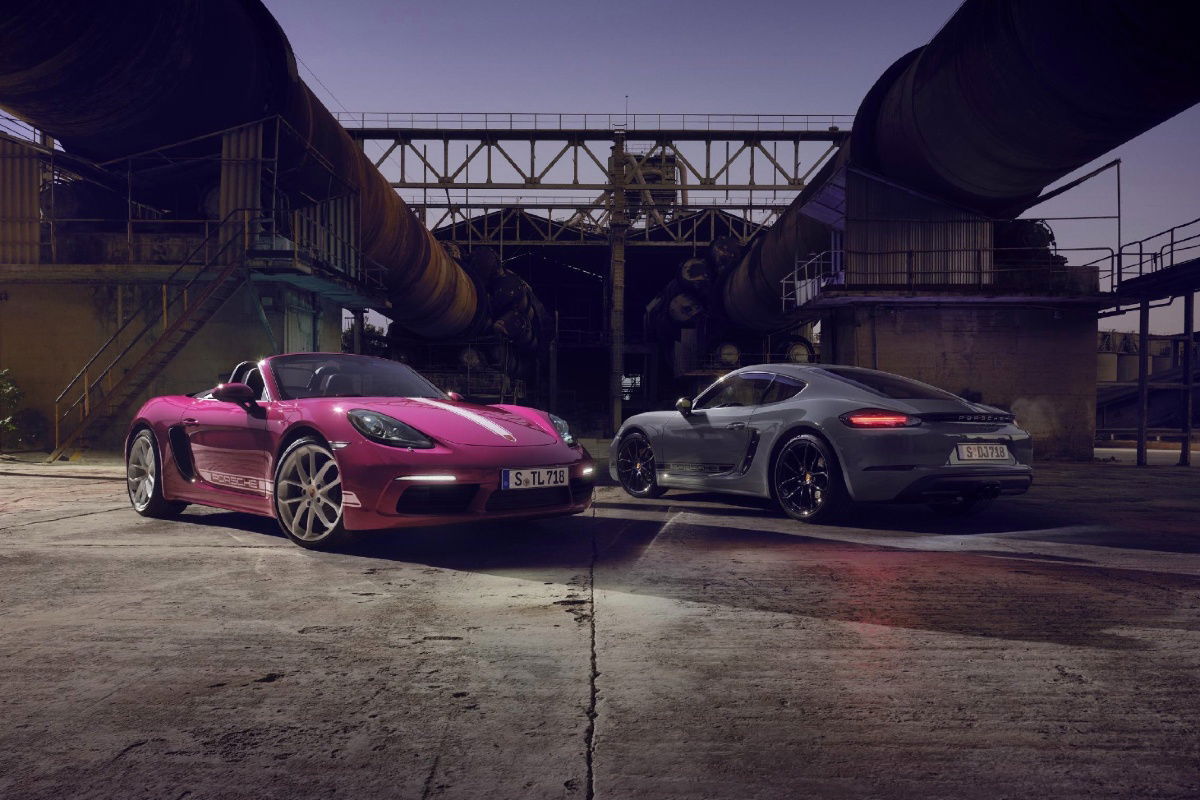
In September 2025, Blume announced Porsche would also walk back its plans for the 718 (better known as the Cayman and Boxster twins) to be EV-only, while also declaring its new SUV flagship above the Cayenne would not be exclusively battery powered.
Initially planned to be electric-only, the Porsche K1 will instead launch with a choice of petrol and plug-in hybrid power, “due to market conditions”.
Porsche hasn’t announced when the production version of the K1 SUV will launch, nor has it detailed what platform it’ll run on.
Additionally, Porsche will continue to produce ICE and PHEV versions of the Panamera and Cayenne “well into the 2030s”, with “generations of successor models […] added to the Cycle Plan for these vehicle models”.
At the time, news agency Reuters reported Porsche’s EV U-turn will cost its Volkswagen Group parent €5.1 billion ($9.1 billion), while the Stuttgart brand projects its operating profit will drop by €1.8 billion ($3.2 billion) in the 2025 financial year.







Discussion about this post