



Tesla has dominated the electric car market for the past decade – but staying on top for the next decade is looking increasingly challenging.
Tesla, as we know it, looks doomed, with rivals closing in from all sides and a leader with his focus on non-car projects. But that doesn’t mean the American brand will disappear anytime soon, but it does mean it will likely evolve into something very different.
Tesla not only made electric vehicles (EVs) a genuine alternative to internal combustion engine vehicles, but also popularised them. Its Model 3 sedan and Model Y SUV are both mainstream mid-size class alternatives and consistently amongst the best-selling EVs.

However, in 2025 Tesla lost its title as the world’s biggest seller of EVs, with China’s BYD surpassing it. BYD sold a reported 2.24 million EVs last year, well ahead of Tesla’s 1.64 million.
Closer to home, Tesla was the best-selling EV brand in Australia, but BYD has closed in dramatically, Tesla sold 28,856 Model 3 and Y but BYD managed to sell 25,207 EV models; and that excludes the plug-in hybrids BYD also sold, which put it well inside the top 10 selling brands in the country.
The problem for Tesla, as a car company, is that BYD has no plans to slow down. In fact, quite the opposite, with the all-new Atto 1 and Atto 2 small EVs hitting the market to support the Atto 3, Seal and Sealion 7.
At the same time dozens of other EVs are flooding the market from new and established brands alike – Mazda 6e, Hyundai Elexio, Kia EV4, Jaecoo J5, Toyota bZ4X Touring, Hyundai Ioniq 6 N, Kia EV9 GT, Polestar 5, BMW iX3 and even a battery-powered Toyota HiLux.
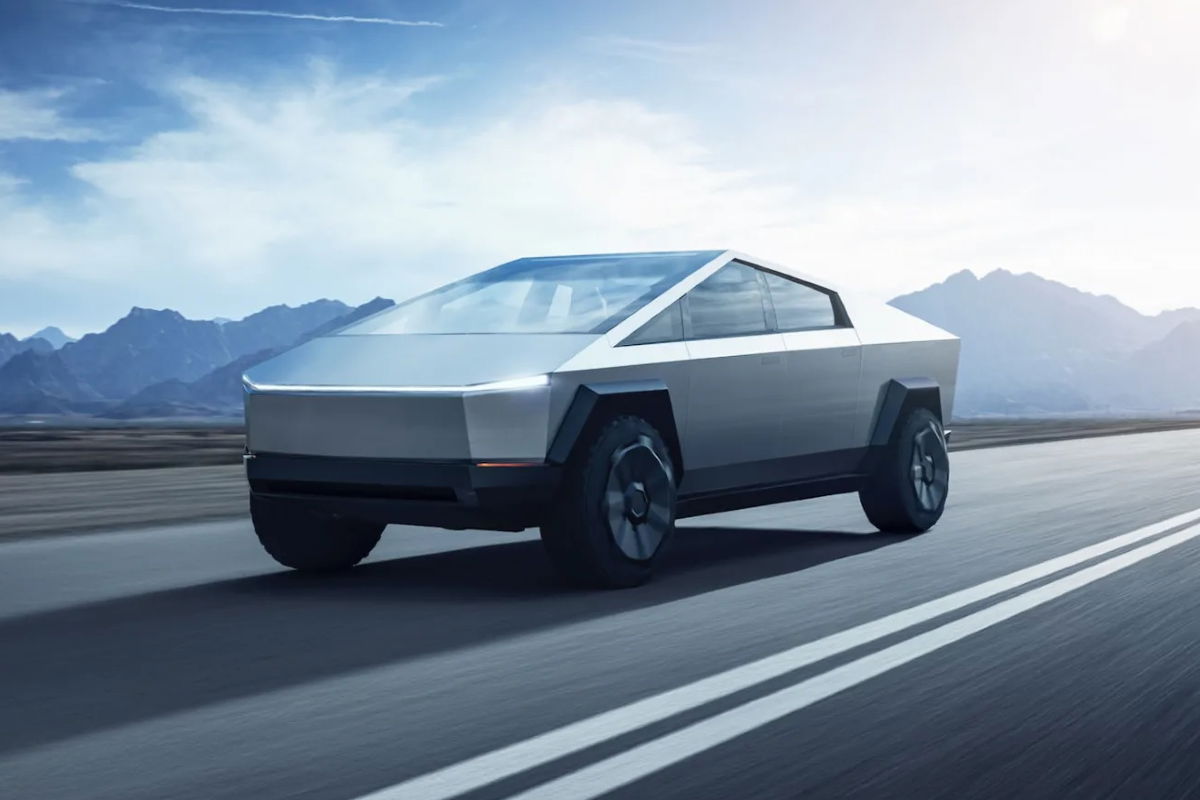
Tesla, on the other hand, has no new models planned – not only in Australia but globally. Instead, Tesla’s colourful leader, Elon Musk, is shifting the company’s long-term focus to Robotaxis and humanoid robots. This is likely to leave Tesla with only the Model 3, Model Y and Cybertruck as its global vehicle line-up.

Up against expanding competitors, it will become increasingly difficult for Tesla to remain the benchmark in the EV space. Instead, the likes of BYD, Geely and potentially Hyundai/Kia that will become the go-to EV brands for customers.
The saviour for Tesla, at least in the foreseeable future, is likely to become the New Vehicle Efficiency Standards (NVES). The government’s crackdown on emissions not only punishes brands for too much CO2, but also rewards car companies that produce no CO2 with credits to offset the penalties. These credits are transferable between companies, which means Tesla will be able to sell its NVES credits to brands that are looking to minimize their penalties.
This has been a lucrative business for Tesla in other markets around the world and it may be what the brand needs to make up for any potential sales decline. Without it, the brand’s long-term future (at least when it comes to selling cars, not robots) looks uncertain.






Discussion about this post