




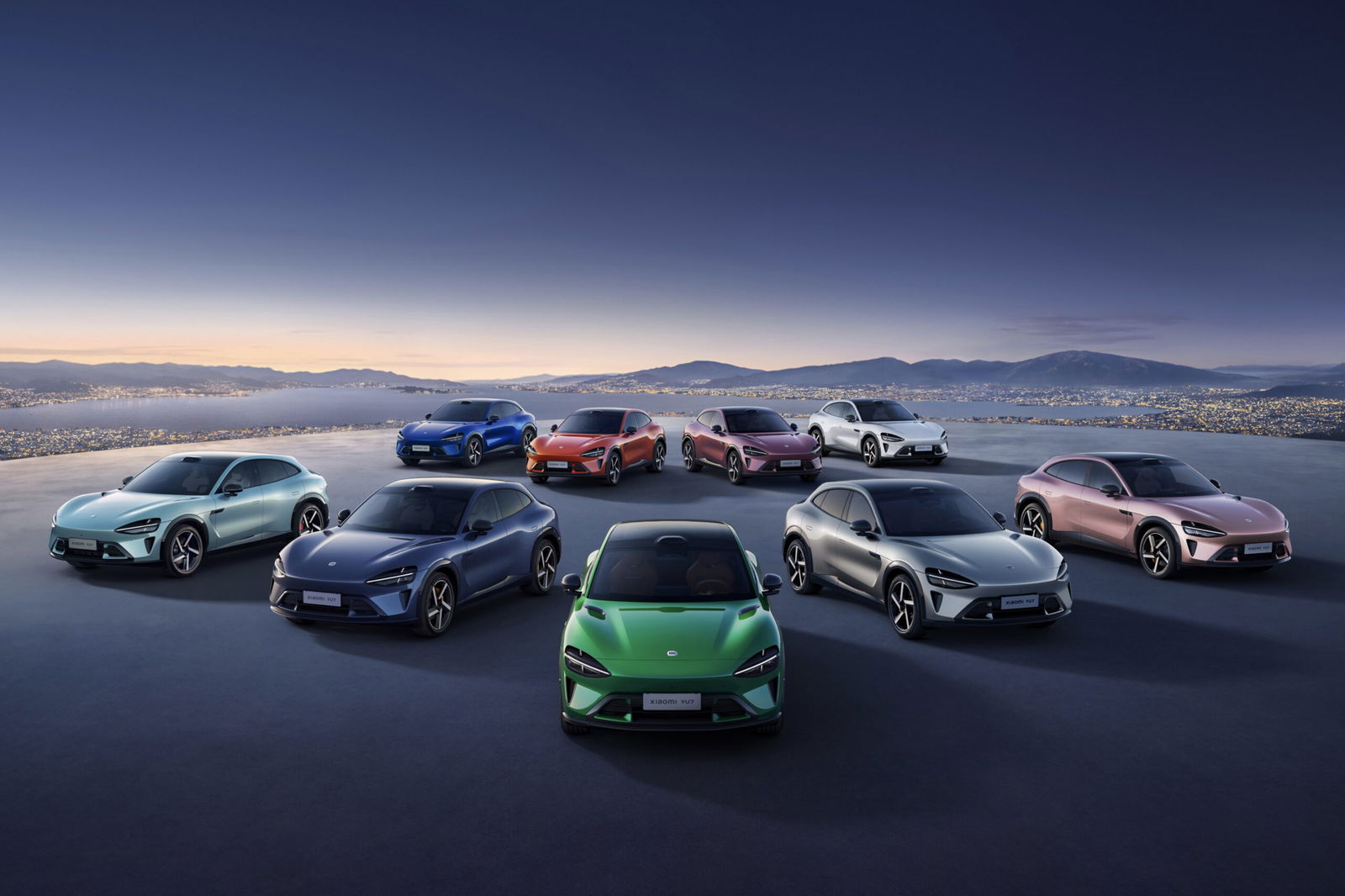
In recent weeks, a report by the Financial Times, citing word from insider sources, claimed Ford wanted to help Chinese smartphone giant-turned-EV-producer Xiaomi enter the US market.
According to the report, this would see Ford assist with producing Xiaomi’s cars in the US, something which is as-yet unheard of for a Chinese brand.
While Ford and Xiaomi both denied the report – with the Blue Oval brand going as far to say it was “completely false” – a new revelation has surfaced, claiming Ford has been pursuing a joint venture with a Chinese brand on US soil even harder than first thought.
As reported by Bloomberg, additional insiders have said Ford CEO Jim Farley discussed the potential of a joint venture with members of the Trump Administration – such as US Trade Representative Jamieson Greer, Transportation Secretary Sean Duffy and Environmental Protection Agency Administrator Lee Zeldin – in January.
The insiders claim the joint ventures would result in Ford – or any other US carmakers willing to make such a move – holding the controlling stake in the partnership, similar to what China’s car industry already requires from outside manufacturers.
In China, carmakers have been required to enter a joint venture with local brands for the best part of three decades, resulting in some ‘Western’ OEMs setting up multiple partnerships to utilise different factories.
US President Donald Trump has recently said if Chinese brands “want to come in and build a plant and hire you and hire your friends and your neighbours, that’s great, I love that”, representing a major change of tune compared to recent approaches.
It’s understood President Trump is due to visit China in April and engage in trade talks with Chinese President Xi Jinping, with the automotive industry a possible focus point of both nations.

The current list of Chinese brands in the US is small. Both Polestar and Lotus are majority owned by Chinese companies and investors, however they are headquartered in Sweden and the UK, respectively.
Since 2024, Chinese-made EVs have been subject to a 100 per cent tariff in the US, making them financially unviable to be sold in the nation, though reports have circulated since that some brands were looking to build across the border in Mexico to skirt the higher taxes.
Farley, who has served as Ford CEO for the past five years, has previously praised some of China’s carmakers.
“I don’t like talking about the competition so much, but I drive the Xiaomi,” Farley said on the Fully Charged podcast in 2024.

“We flew one from Shanghai to Chicago, and I’ve been driving it for six months now, and I don’t want to give it up.
“For a company like Ford, [the rise of China’s auto industry] has been something we’ve been watching for a while, but I’ve had two trips to China the last two years that were literally epiphanies.
“The last one was about the Xiaomi product. In the West, our cell phone companies don’t have car companies. But in China, both Huawei and Xiaomi, the two biggest cell phone companies, are inside of every vehicle that is made.”







Discussion about this post