




A new year brings a fresh sales start. These are the brands we’ll be paying close attention to in 2026 to see how they fare.
Will they be celebrating at the end of the year, or stressing…
Mazda

There’s no need for panic stations, Mazda is still a top three brand in the country, but 2025 was a down year and there will be a desire to ensure this is just a blip and not the start of something bigger.
A big part of the problem was the transition between its previous large SUV line-up (CX-8 and CX-9) to the new one (CX-60, CX-70, CX-80 and CX-90), as well as its aging small car duo (Mazda2 and CX-3).
The refreshed CX-60 and CX-80 actually enjoyed big years, growing sales significantly, but the rest of the line-up is getting older in a hurry. The Mazda2 is now a decade into its life and there is no imminent replacement.
The biggest news, though, is the impending arrival of the new-generation CX-5. Quite simply, there is no scope for it to fail, and no signs it will. A good year will see it compete strongly against the new Toyota RAV4, but a great year will see it challenge the RAV4 for SUV sales supremacy.
Subaru

As the Australian market continues to expand the amount of brands involved in the fight for sales, inevitably these newer names will steal sales from familiar brands. In this increasingly competitive market even the big names will get squeezed, and that could include anyone.
Subaru is a brand that has been in decline in recent years, down nearly 12 per cent in ‘24 and on course to take another hit in ‘25. Is this just a rough patch as it transitions some of its most crucial models? Or is it the beginning of a bigger problem?
Time will tell, but any doubts would be removed by a big year for the new Forester and the incoming new Outback. If they continue to excel, then Subaru should be able to stabilize and maintain its sales volume.
But the brand has taken a calculated risk and made the new Outback noticeably more SUV-like compared to the previous model’s very wagon-esqe silhouette. Will this expand its appeal and help sales grow? Or will it alienate the loyal wagon lovers who appreciated the point of difference?
It could prove to be a make or break move from Subaru, but we’ll watch with great interest…
Genesis

Slow and steady wins the race, as the old story tells us… but Genesis has apparently got sick of being the tortoise and is going to try being the hare.
The Hyundai-owned luxury brand has been making very slow progress in competing against the likes of BMW, Mercedes-Benz and Lexus. But it still has a very long way to go, with BMW selling approximately as many cars in a month as Genesis does in a year.
Genesis has been making some radical changes, namely ditching its ‘Studio’ concept in favour of good, old-fashioned car dealers and turning to the textbook method for making luxury cars more appealing – adding performance.
The new Magma performance sub-brand will launch in ‘26, with the GV60 Magma due to reach Australia. An electric small SUV is not a conventional choice for a first-up hero model, but at least it is packing a serious 448kW all-wheel drive punch.
And it’s not just Magma road cars, Genesis will try and ensure more people know it exists by going motor racing. The all-new Genesis Magma Racing will compete in the World Endurance Championship (including Le Mans) against Ferrari, BMW, Cadillac and Aston Martin, which should help both grow and enhance its image – assuming they are at least competitive.
But whether Genesis wins on the track or not, it needs to start building sales. The new showrooms around the country need to start pushing more cars out the door to happy customers if Genesis is to become a serious rival and not get left behind
BYD

The Chinese brand has been one to watch for several years now, but 2026 could be another notable one. Sales are already steadily rising, but the brand has big plans for the coming year, which could not only help in the immediate but also set it up for a successful future.
This starts with an expanded Shark 6 range, with both cheaper, fleet-friendly and more premium variants of the popular plug-in hybrid ute set to come our way. This should help keep interest (and therefore sales) high even as it enters its third year on sale.
BYD will also expand its family appeal with its first three-row SUV, the Sealion 8. Another plug-in hybrid option for buyers that are increasingly drawn to the fuel-saving technology.
At the other end of the spectrum is the Atto 1 and Atto 2, the pint-sized electric cars that are amongst the cheapest EVs in Australia. But more than just being cheap EVs, the Atto 1 in particular, this pair will try to attract new, younger buyers that get into the habit of buying BYDs into the future.
Cadillac
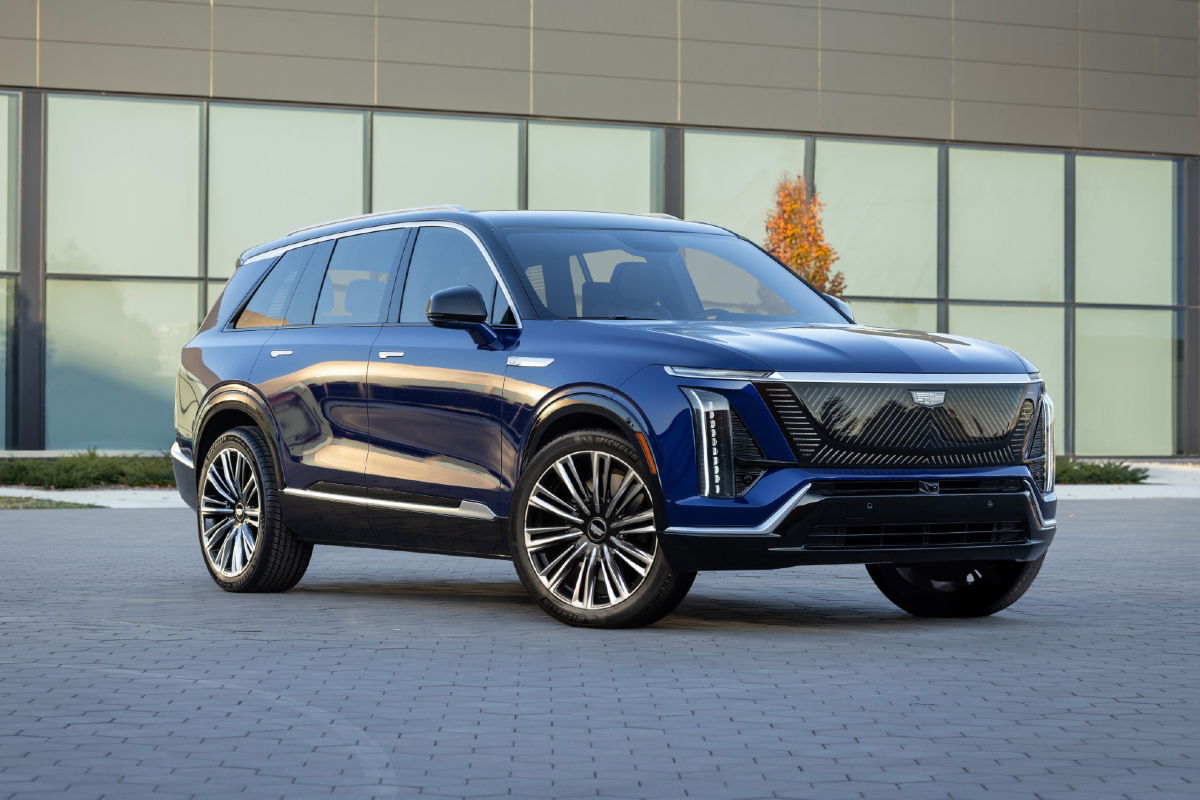
In terms of pure sales, expectations for Cadillac should be kept in check. It’s a luxury brand only selling electric cars, so it’s almost certainly going to be a very niche offering. But its brand needs to grow in 2026 if it is to have any hope of making a genuine impact in the Australian market.
The timing couldn’t be better, with General Motors Australia already committed to expanding the range with the high-performance Lyriq V as well as the new Optiq and Vistiq models to sit either side of the Lyriq.
And all this comes as Cadillac enters the biggest automotive branding stage in the world – Formula 1. Cadillac Australia needs to leverage the arrival on the F1 grid as much as possible to grow brand awareness in Australia.
Sure, to automotive enthusiasts Cadillac is an iconic brand steeped in history, but there are generations of the car-buying public that have no idea who or what it is. Using F1 to grow its profile amongst these potential customers is a golden opportunity, even if it doesn’t immediately translate into sales.
So keep an eye on Cadillac in ‘26 – both on and off the racetrack.







Discussion about this post