


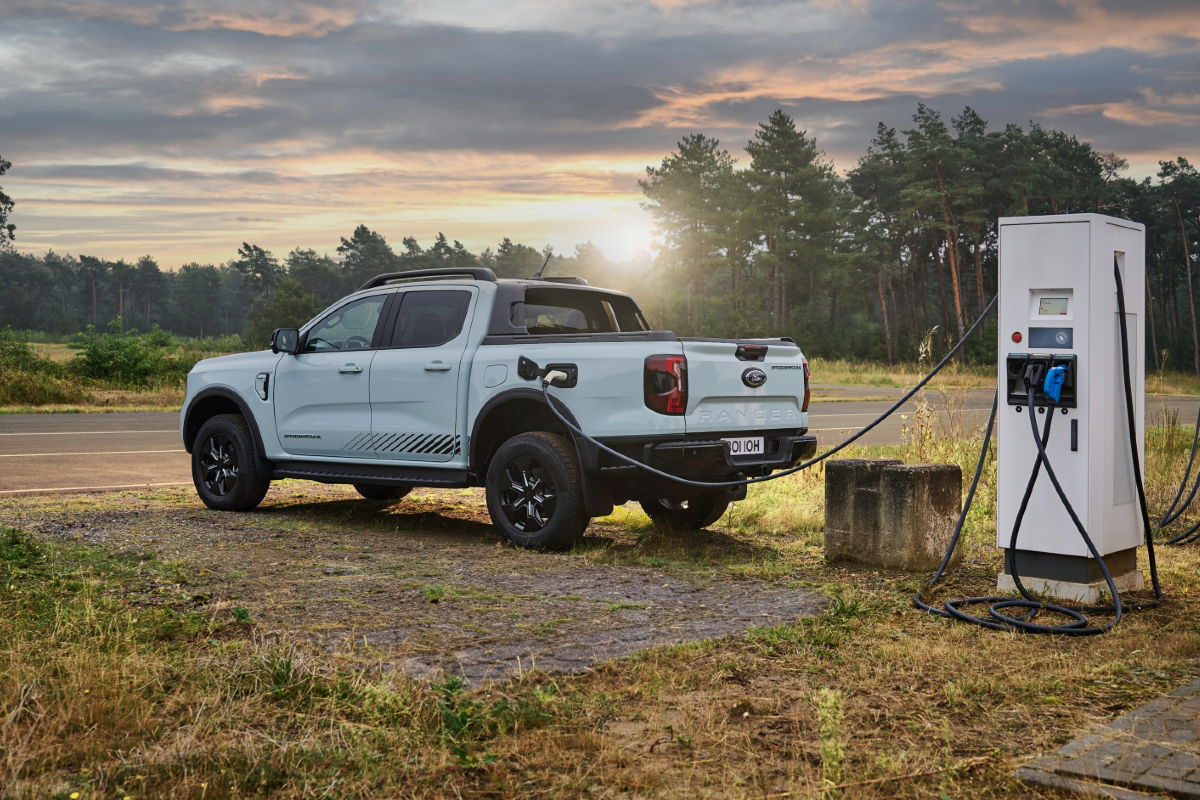

On the surface the Ford Ranger plug-in hybrid is not a good choice to make. It’s more expensive than its diesel stablemates and falls well short of BYD Shark 6 when it comes to its hybrid attributes.
But the Ford Ranger PHEV is a vehicle that is greater than the sum of its parts. One that takes time to appreciate, requiring you to scratch below the surfaces and discover what really makes it so effective.
While BYD was free to take a big swing and play to its strengths making PHEVs, Ford needed to ensure that the Ranger still lived up to the same attributes that made it the best-selling vehicle in the country. That meant adding a hybrid powertrain couldn’t compromise payload or towing capacity or off-road ability.

As a result, Ford was required to compromise on the hybrid elements – like electric-only driving range, battery size, battery charging – in order to achieve its goal of staying true to the core values of the Ranger.
Once you understand that you can appreciate why the Ranger only has 49km of electric-only range, compared to nearly 100km for the Shark 6. It’s also why the Ranger PHEV can have a payload up to 973kg and a 3500kg braked towing capacity, while the Shark 6 can only manage 709kg and 2500kg.
While these two are obviously very similar vehicles, in many respects they are targeting different buyers. BYD is looking for the modern family ute buyer, Ford is still catering to tradies and adventurers, even as it goes hybrid.
Living with the top-spec Ranger Stormtrak allowed for a greater insight into what makes it a worthwhile addition to the line-up. And the biggest thing to understand is it’s a liar.
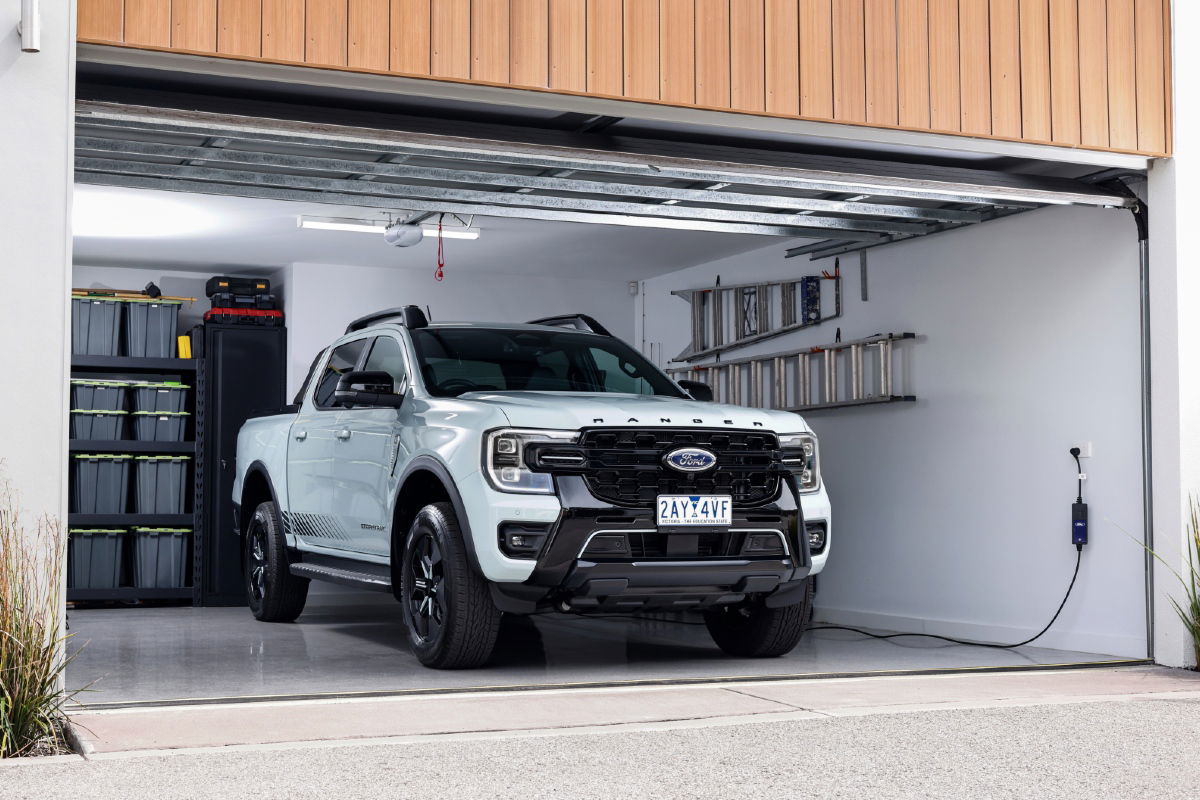
Like most PHEVs or EVs, the Ranger PHEV has a display of battery energy, like a fuel tank, and it definitely declines quickly when you drive it on EV-only or even hybrid power. So much so that our particular Stormtrak said it was only averaging 38km of EV driving range, not the claimed 49km.
However, this isn’t the whole truth.
You might reasonably assume when the battery gauge reads ‘0%’ it’s out of juice and you’ll be solely relying on the 2.3-litre turbocharged petrol engine for motivation. But that’s not the case, instead the battery continues to maintain enough energy to keep the electric motor running the majority of the times you need it.
For example, it will use the electric motor to help you off the mark or if you put your foot down, in the same way a conventional hybrid system does. These small moments ultimately add up to fuel savings across your entire time behind the wheel.
One thing that did frustrate me during my time in the Ranger PHEV was the trip computer’s lack of fuel economy over an extended period. It was happy to give my fuel economy trip-by-trip, but there is seemingly no obvious way to get an economy rating over an extended period of time.

On trips when we used hybrid power, we saw as low as 6.9L/100km, but if we used the ‘charge’ function and let the petrol engine top up the battery on the move, that figure rose to 9.5L/100km.
Those figures are probably not too far off what Ranger diesel owners often return, so why bother spending the premium on a hybrid model? Especially when the PHEV is $8k more than the 2.0-litre diesel option?
Well, I don’t think a lot of buyers will. I think the Ranger PHEV is for a very specific type of buyer, larger fleets and companies looking to make a difference to their ‘green image’ and reduce their emissions. Or for urban tradies who can best utilise the battery for both short commutes to jobs, while enjoying the benefits of the Pro Power Onboard (a power outlet in the tray that draws from the battery).
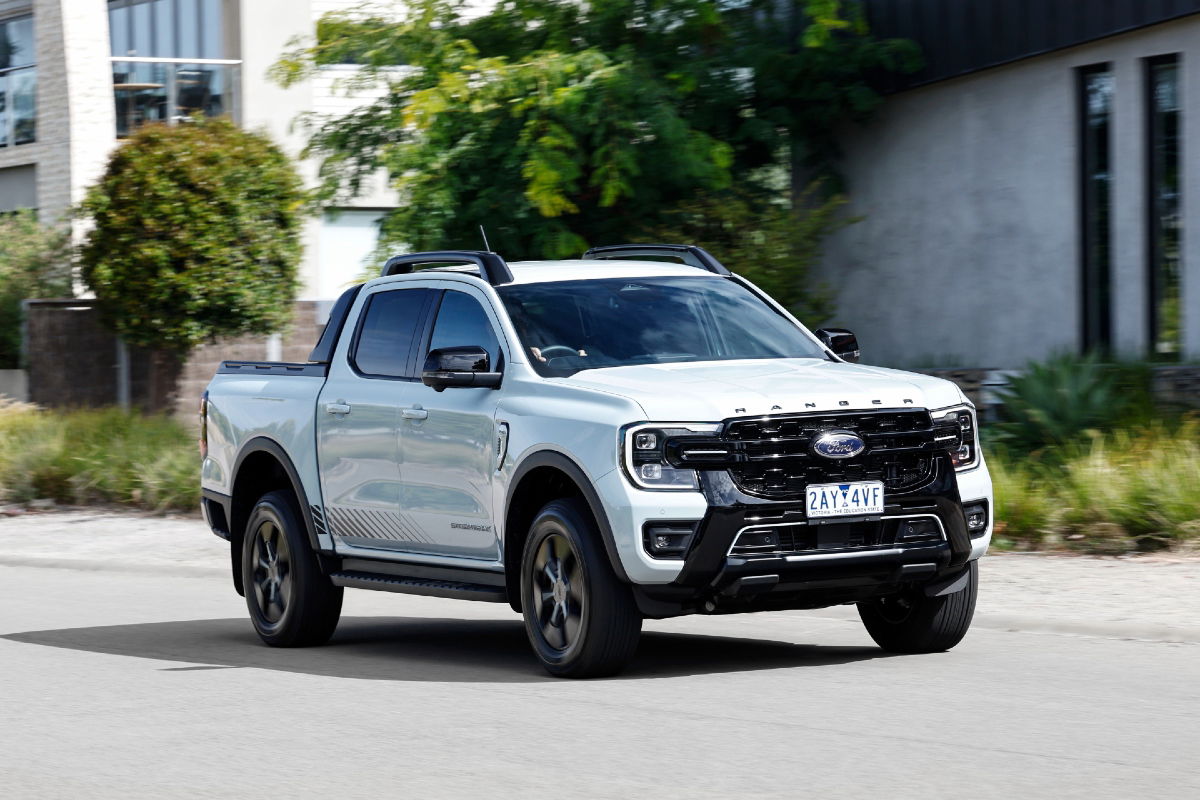
Is it the best plug-in hybrid ute you can buy if you’re looking for maximum efficiency? No. But is it the best plug-in hybrid Ranger you can buy if you’re looking to cut your fuel bill and emissions and still need all the attributes that make the Ranger so beloved? No question.
Ultimately, Ford needs the Ranger PHEV to help offset all the diesel-powered ones as the government cracks down on average emissions from car companies. It isn’t as simple as ‘Ford needs to sell a PHEV for every diesel’ but adding more fuel efficient (even if only on paper) models will help to strengthen both Ford and the Ranger into the future.








Discussion about this post