
Australians can’t stop buying new cars as records continue to tumble
Off the back of the largest month for new car deliveries in Australia ever, the market has set a new July record, with buyers continuing to buy EVs, hybrids and PHEVs in droves.

The flow-on effects of conflict in Iran and the resultant rise in fuel prices continues to drive an increase in sales of hybrids, electric vehicles (EVs) and plug-in hybrids (PHEV), reaching almost half the market share for the second straight month.
New car delivery data from the Federal Chamber of Automotive Industries and the Electric Vehicle Council shows 108,577 vehicles were newly registered in July 2025, becoming a new record for the month which starts the new financial year.
It comes off the back of the largest month of deliveries ever in June, where EOFY deals spurred a huge 140,058 new vehicles being delivered to customers.
For the second month in a row, electrified vehicles notched up almost half of all new deliveries, combining for 48.4 per cent of the market, with sales contributions of 18,684 EVs (21.7 per cent), 18,684 hybrids (17.4 per cent), and 10,359 PHEVs (9.5 per cent) respectively.
Petrol power remains the most popular choice for buyers, representing 25.7 per cent of the market (27,894 deliveries), while diesel remains second with a 22.8 per cent share (24,773 deliveries).
“July was another outstanding month for Australian new-vehicle sales and delivered the best July result on record. This strength extended to battery electric vehicles, which accounted for more than one in five new vehicle sales,” said FCAI chief executive, Tony Weber.
“There is a risk that the rapid increase in electric vehicle uptake in 2026 will outpace the supply of public charging infrastructure.
“Governments and the private sector must work together to ensure that the public charging network meets growing demand particularly in regional areas and for motorists who do not have access to charging at home.
“Accessible and dependable charging will be critical to maintaining consumer confidence as electric vehicles become a larger part of Australia’s new-vehicle fleet.”
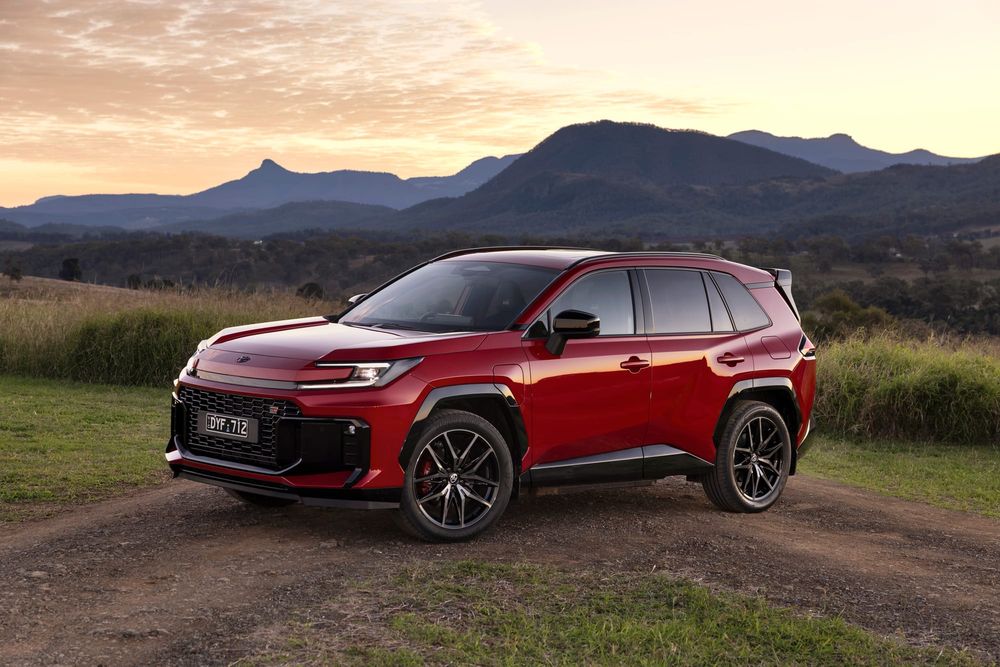
Topping the sales charts for the month was the Toyota RAV4, which overcame supply constraints due to a model changeover earlier in the year to notch up 5564 deliveries in July.
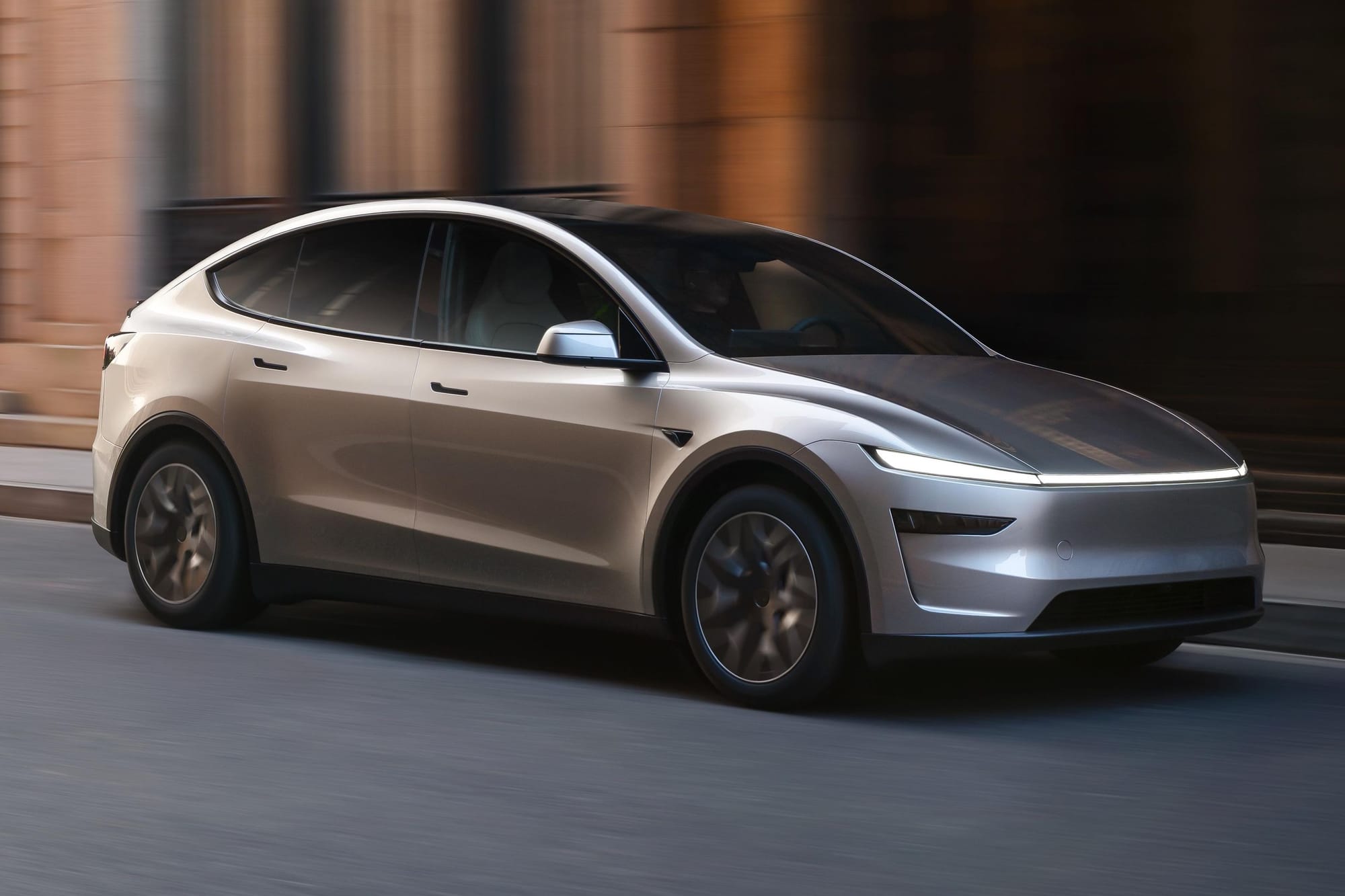
It led a Toyota one-two, with the HiLux ute in second on 4721 deliveries, just ahead of the Tesla Model Y, which recorded 4644 new registrations, including the three-row Model Y L.
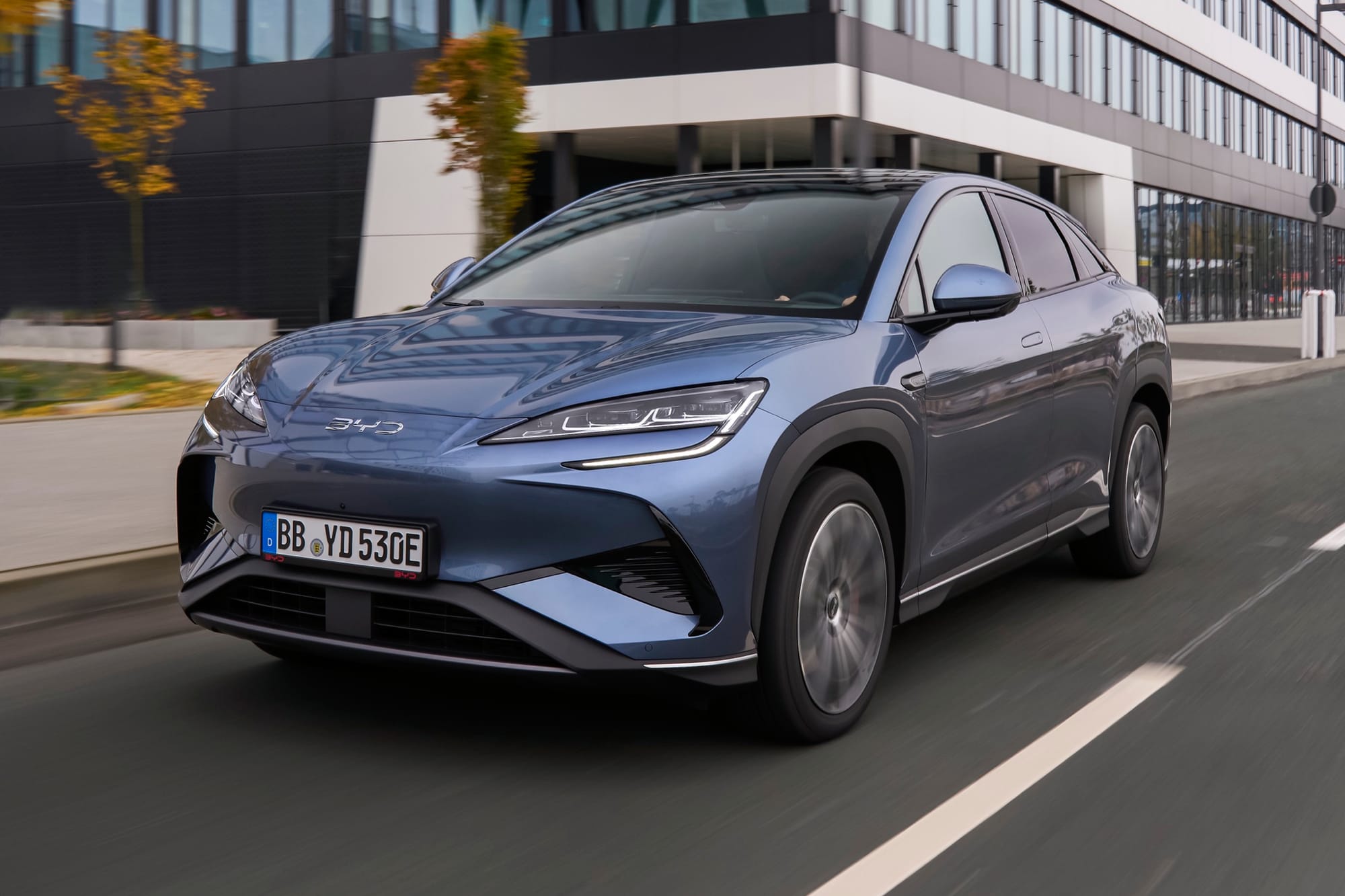
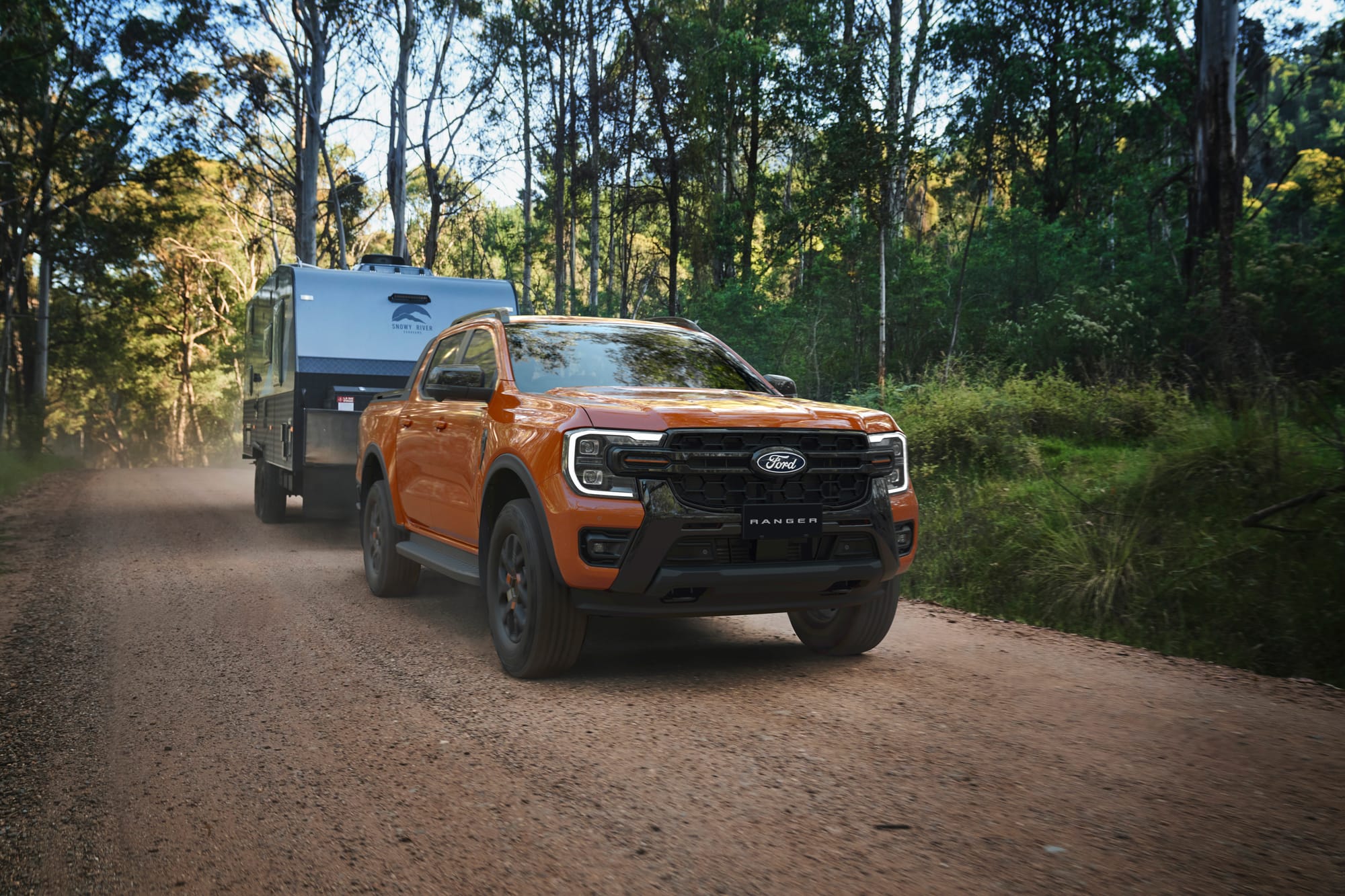
Ford’s Ranger continues to be the best-selling vehicle year-to-date, but had a drop in July to 4042 deliveries, still well clear of the fifth-placed BYD Sealion 7 (2548).
Out of the top 10 most delivered vehicles last month, five were built in China, which has continued its run as the top exporter to Australia this year.
Last month, 35.5 per cent of new vehicles were imported from China (38,555 total), well clear of second-placed Japan (26,292, 24.2 per cent) and Thailand (17,604, 16.2 per cent).