
California’s controversial tyre standards approved
Motorists in California will soon have fewer choices for new tyres, after one of the state’s top government agencies approved a plan to bring in more stringent regulations.


A controversial, revolutionary new set of tyre efficiency standards have been approved in California, prompting concerns about the flow-on effects for car enthusiasts.
This week, the California Energy Commission (CEC) approved the Replacement tyre Efficiency Program (RTEP), which will come into full effect in 2033 and effectively ban motorists from fitting new tyres to their vehicles which are less energy efficient than those it was originally fitted with.
This regulatory framework has been in the draft stages since 2003, but was only recently finalised and now “approved unanimously by CEC commissioners”, which the CEC claims can save approximately two million metric tonnes of carbon dioxide (CO2) emissions annually, due to the reduced fuel consumption of vehicles rolling around on more efficient rubber.
According to the state’s government agency, motorists could save up to 25 per cent on their fuel bill if they drive on tyres which match the OEM efficiency rating, with a calculation that combined, the regulations “will save California drivers nearly US$1 billion (A$1.4 billion) per year in gasoline (fuel) and electricity costs”.

While the CEC says the regulations were drafted off the back of it conducting “extensive laboratory testing on the most popular replacement tyres in California, as well as reviewed best-in-class industry data from companies such as Discount tyre”, there are concerns the new regulations will have flow-on effects to enthusiasts, as well as every-day motorists.
In the vast majority of cases, manufacturers fit their vehicles with tyres from the factory which are as efficient as possible without trade-offs such as grip, road noise and longevity.
However, there are always compromises, with factory-fit tyres often seen as being faster-wearing and lower grip than those customers will replace with off-the-shelf offerings when it comes time to do so.
Though a number of car owners have direct replacement tyres fitted through the manufacturer’s dealerships, many go to tyre shops or other retailers and buy based on factors other than efficiency, such as longer life, more dry and/or wet grip, and reduced noise.
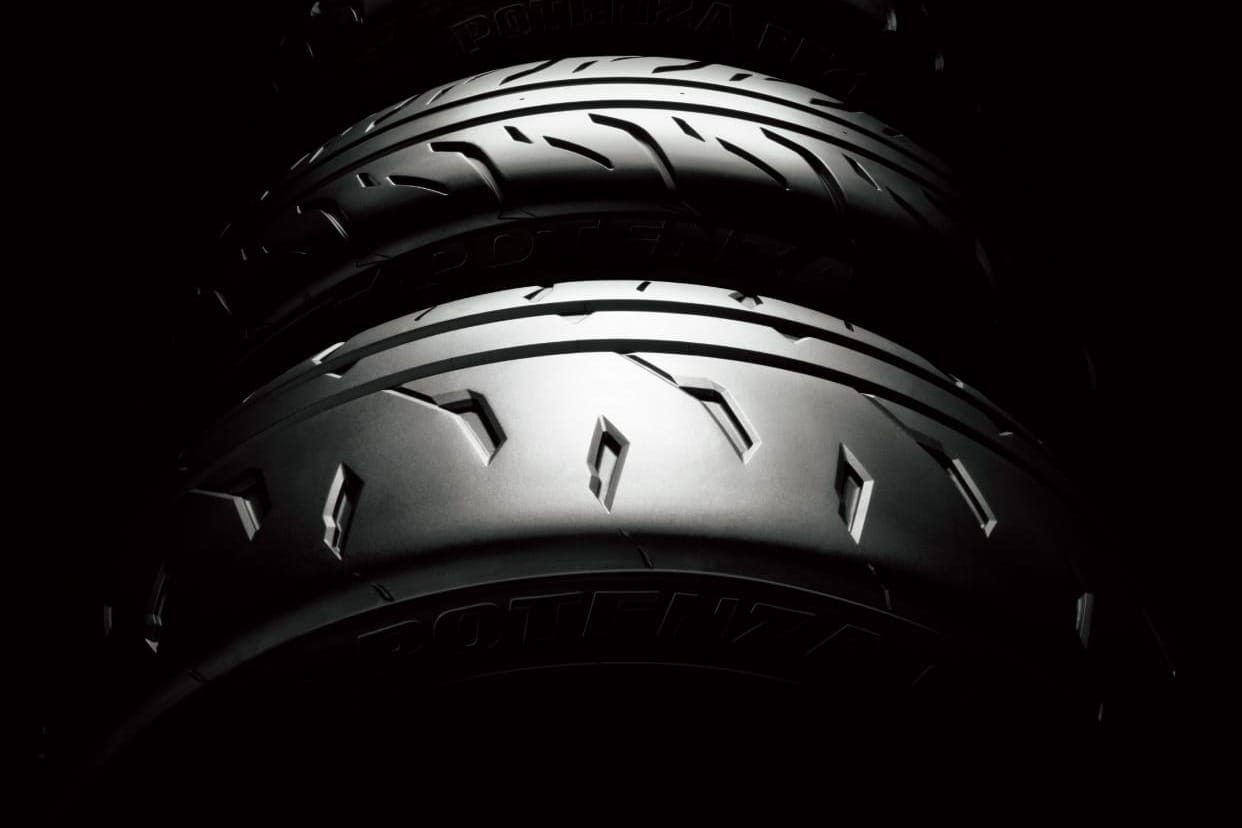
The new regulations are designed to encourage tyre makers to develop more efficient tyres with lower rolling resistance, though this is expected to have an impact on cost – something the CEC has factored in.
The agency claims “the incremental cost for consumers is very low – only US$1.50 (A$2.11) per tyre during Phase 1 (2029-2033) and US$6.50 (A$9.13) per tyre during Phase 2 (2033 and beyond).
While there are concerns on what the regulations could mean for enthusiasts, the CEC said it will make exceptions based on the results of a five-year stakeholder engagement process with tyre manufacturers and trade associations, as well as other industry bodies.
“Based on feedback from stakeholders, the CEC has carved out exceptions for certain specialty tyres, such as competition tyres, large off-road tyres, and all-weather winter performance tyres,” it said in a media release.

“It also created product categories for long-life tyres, ultra-high-performance tyres, low-load-index tyres, and other tyres with special characteristics.”
The new regulations have been welcomed by some tyre brands including Michelin, with Michelin North America director of state and local government affairs, Francesca Mosteller, saying the CEC has the brand’s support.
“California's direction is consistent with Michelin’s all-sustainable and holistic approach for reducing the impact of tires at every stage of the life cycle without compromising safety and other performances that are important to consumers,” Mosteller said.
“We support the efficiency goals and believe the proposed thresholds in this rulemaking are technically feasible within the defined timeframes.”