
Car industry went ‘too far’ with removing buttons - Mercedes boss
The head of German car giant Mercedes-Benz believes the industry has seen the light after relentless pushes to get rid of physical in-car buttons.

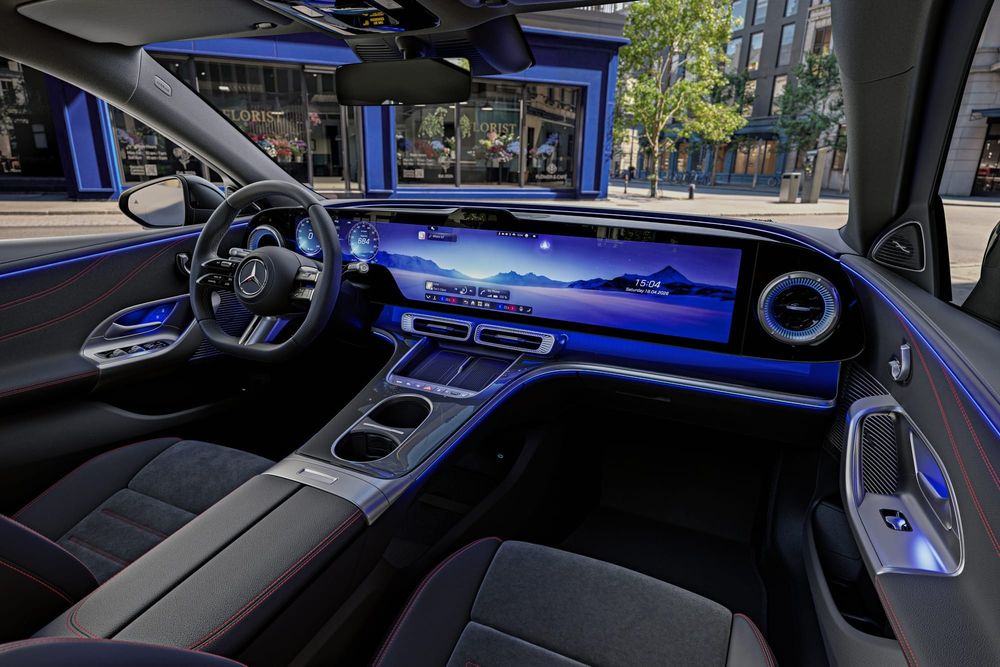
The past handful of years have seen a reversal of sorts in the car industry, as many brands which once decided to replace physical buttons with ‘touch-sensing’ haptic controls are now going back on their plans.
Though haptic controls are commonplace in smartphones, the application of the technology in cars has been less well-received, as the constant movement of vehicles while on the go makes it unnecessarily difficult to activate certain controls.
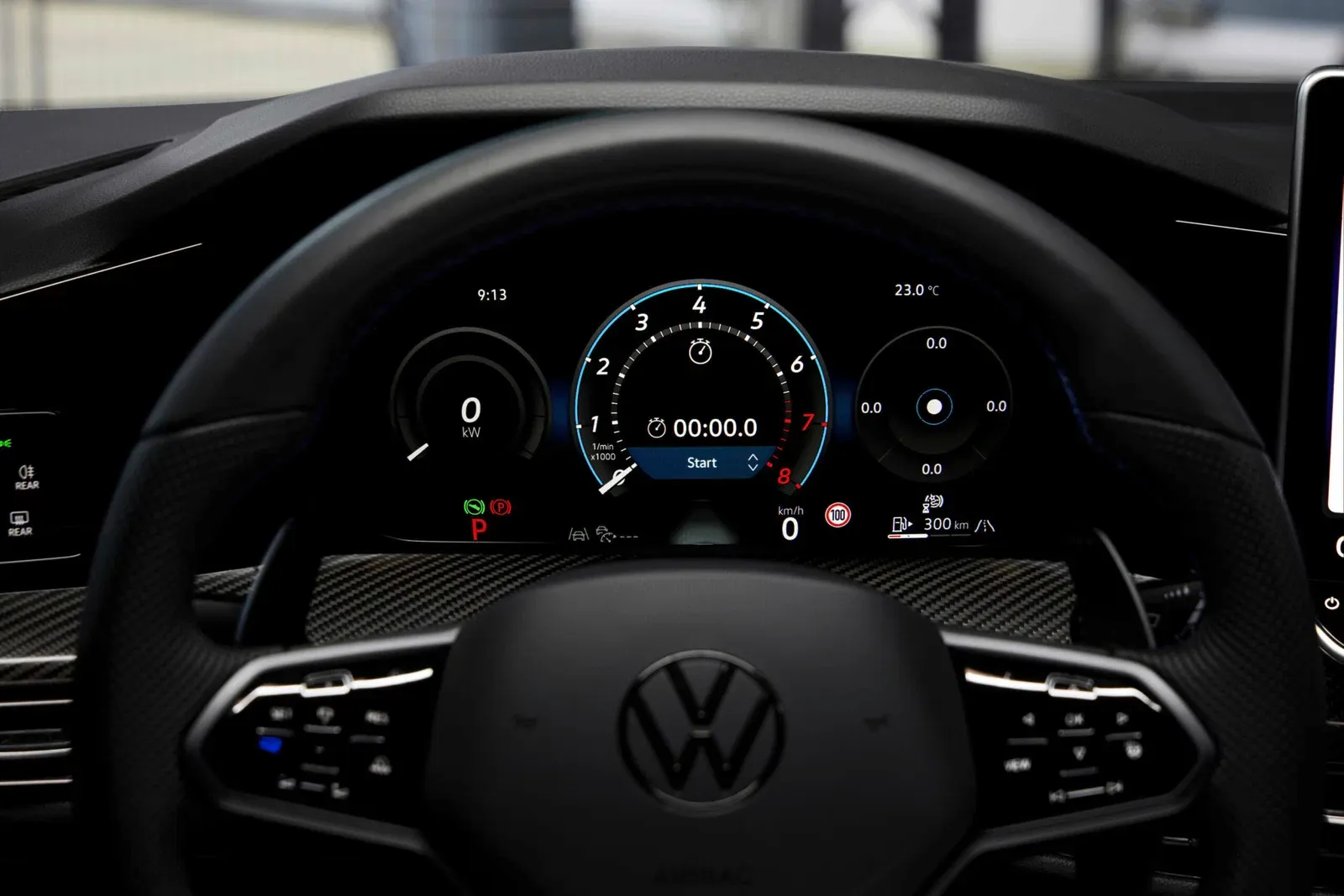
Volkswagen was one of the first big brands to be criticised for this move when it launched the Mk8 Golf, and it’s since reverted to physical buttons for the majority of its product lineup.
Ferrari too has spoken of walking back its button-less plans, and now Mercedes-Benz CEO Ola Källenius has told Autocar “the industry as a whole might have gone a little bit too far” with its touch-sensing obsession.
“Sometimes you get a bit ahead of yourself and do technology for the sake of technology and maybe forget a little bit about the customer. So from now on, you will see us reintroduce the most sensible buttons.”
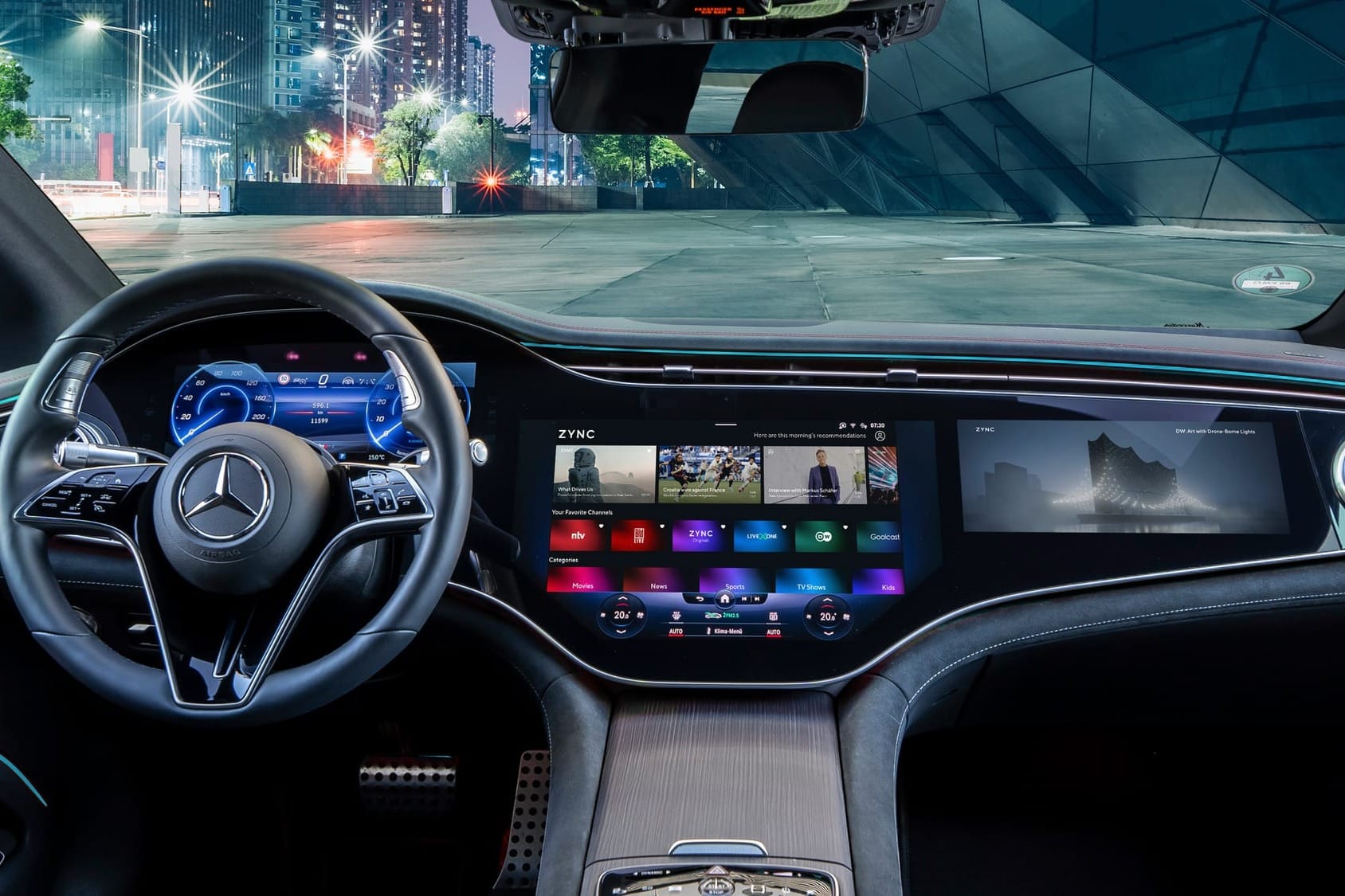
Källenius’ declaration comes as Mercedes continues to roll out its massive MBUX Hyperscreen across a number of flagship models, stretching from A-pillar to A-pillar in some vehicles, spanning as much as 56 inches (or 142cm) diagonally.
According to the executive, there’s no issue with the size of its screens, which are claimed to be designed for users of almost every skill level to operate.
“We spend countless hours on UI [user interface],” said Källenius.
“I spend hours every year discussing this with our engineers and we joke it needs to be so easy that either a five-year-old kid or a Mercedes board member can use it. That is the hurdle, and once you familiarise yourself with it, it becomes second nature.”
Autocar asked him whether he thought the industry had reached “peak screen” – with in-car infotainment to shrink in the future – to which he replied, “I don't know if we're at peak screen, but we're at low button.”
Earlier this year, Volkswagen brand CEO Thomas Schäfer - who took control of the carmaker in mid-2022 - told Top Gear magazine the generation of executives before made decisions which were hard for him to undo.
“There was a spirit of iPhone-ish kind of design and utilisation that you could see coming through in many companies,” Schäfer said.
“It was a little bit difficult to get the designers off that idea.
 Jordan Mulach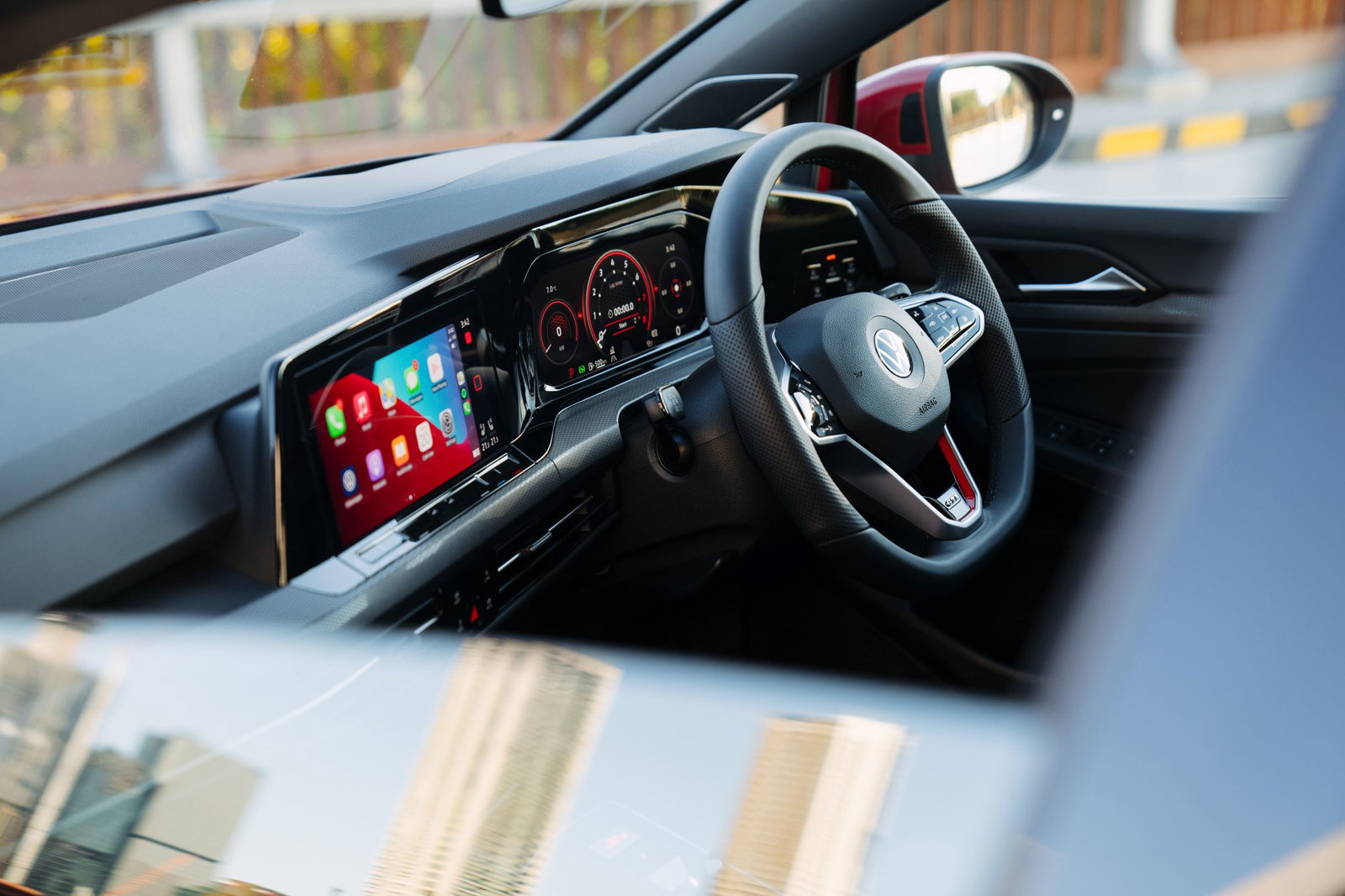
“I said, ‘listen, there’s two things that are absolutely non-negotiable for me: door handles and buttons’. I don’t understand why anybody would have [touch-sensitive] sliders.”
Likewise, last year then-Ferrari commercial boss Enrico Galliera admitted the brand had overlooked the potential flaws to the technology.
“When we decided to create the SF90, the brief was to have the most performing Ferrari ever. We wanted to establish a distance versus our competitor. To achieve that, we put in all the most advanced available technologies,” Galliera said, as reported by Autocar.
“So, we pushed our team to redesign the digital interaction. When we started this job, the idea was, when we interact with our phone is a touch, and the more you use the touch button the more you are quick in the execution, which, in principle, is absolutely true. So all the development was done following this path and these rules.
 Jordan Mulach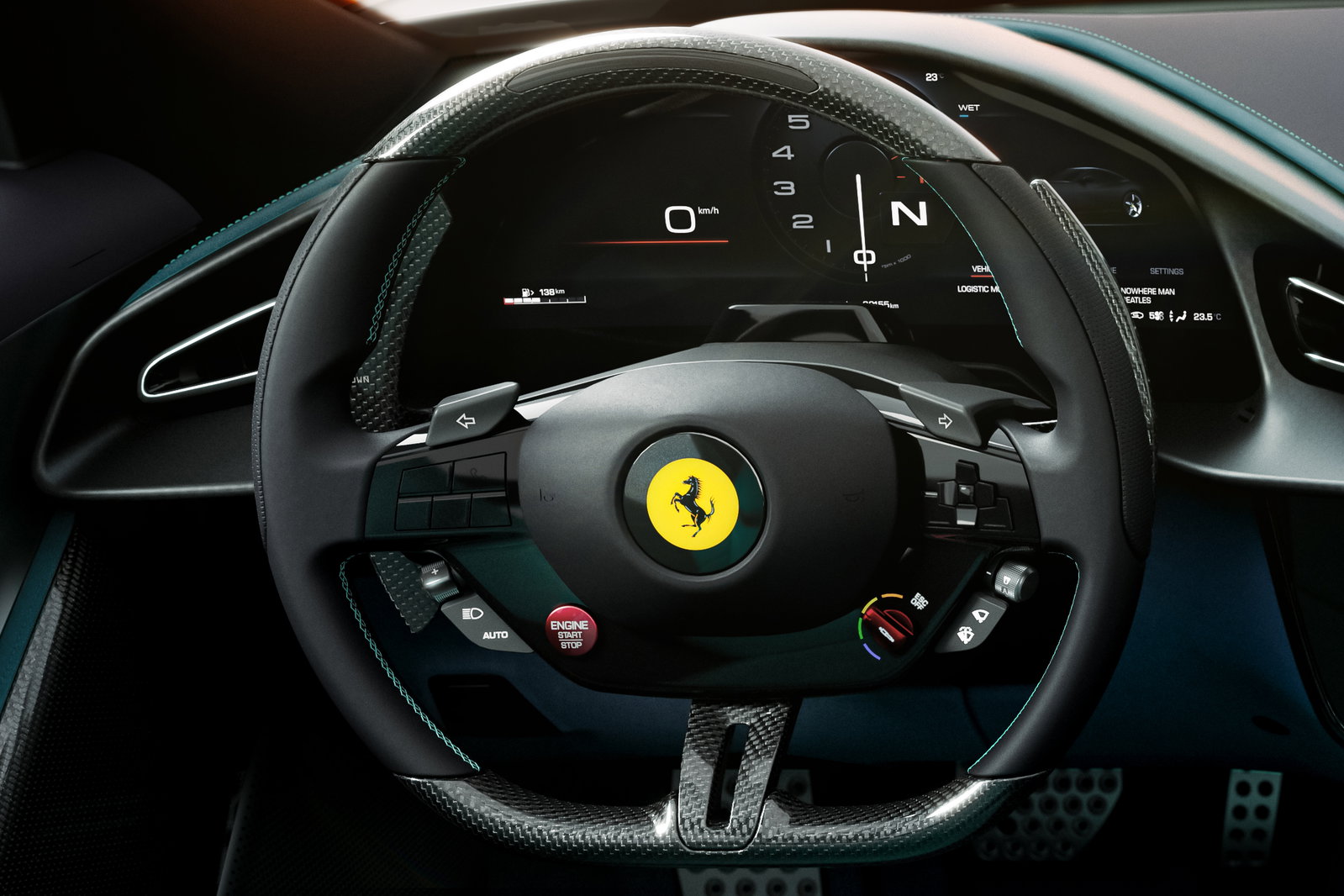
“The final execution was, I think, extremely innovative, but we didn’t consider then when you use it, you’re also driving and the end result [goes against] our objective of eyes on the road, hands on the steering wheel.”
“So this is the why we did it, because we wanted to have the most advanced system, and we realise, honestly, that it was probably too advanced and not 100 per cent perfect for the use that is done in the car. So this became clear and it was feedback that we received very loudly from our clients.
“We believe that still the digital interaction has an advantage, but it should be blended in a way that the most used button should be physical, and some of them, like the start/stop, which are iconic, representing part of the history, should be there for this reason.”