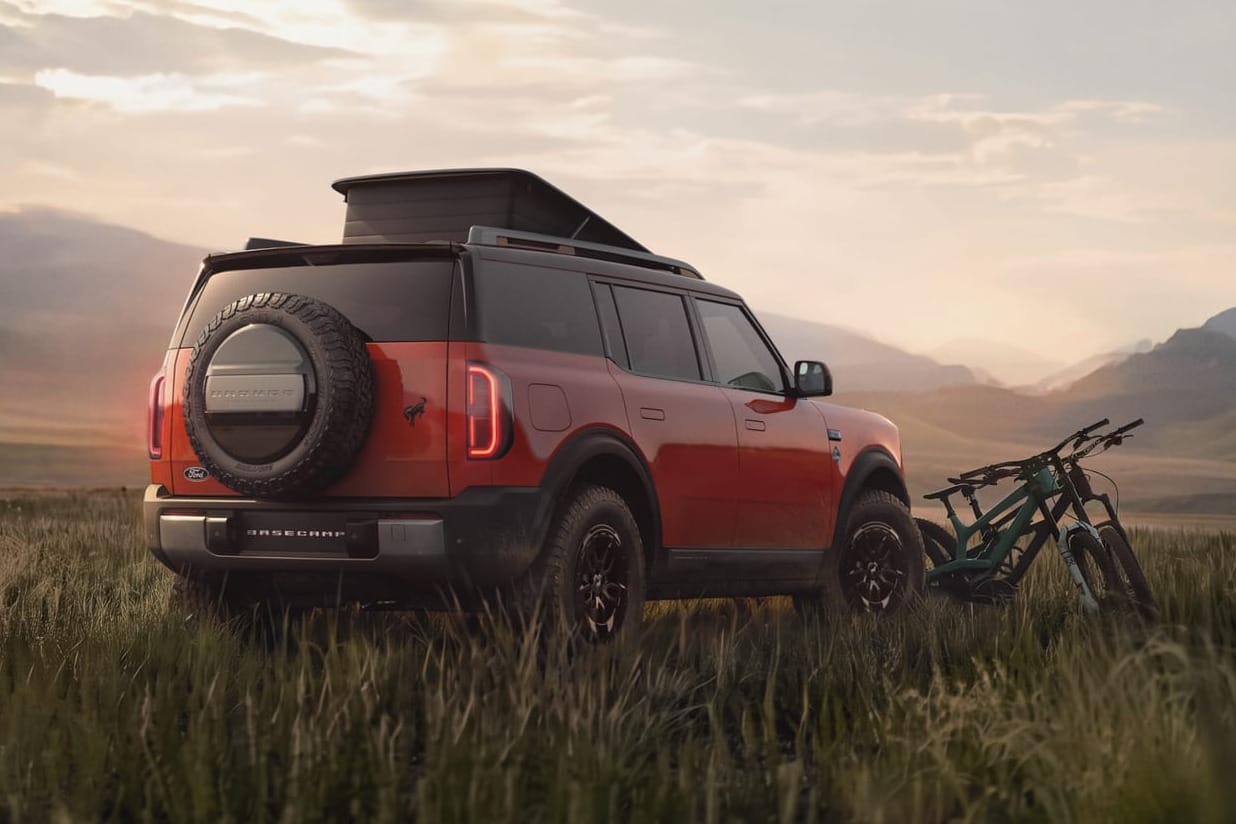
Ford Bronco locked in for Australia, but it’s not the one you’d expect
The Ford Bronco nameplate will make its official Australian debut in 2027, arriving as one of the brand’s first vehicles sourced from China.

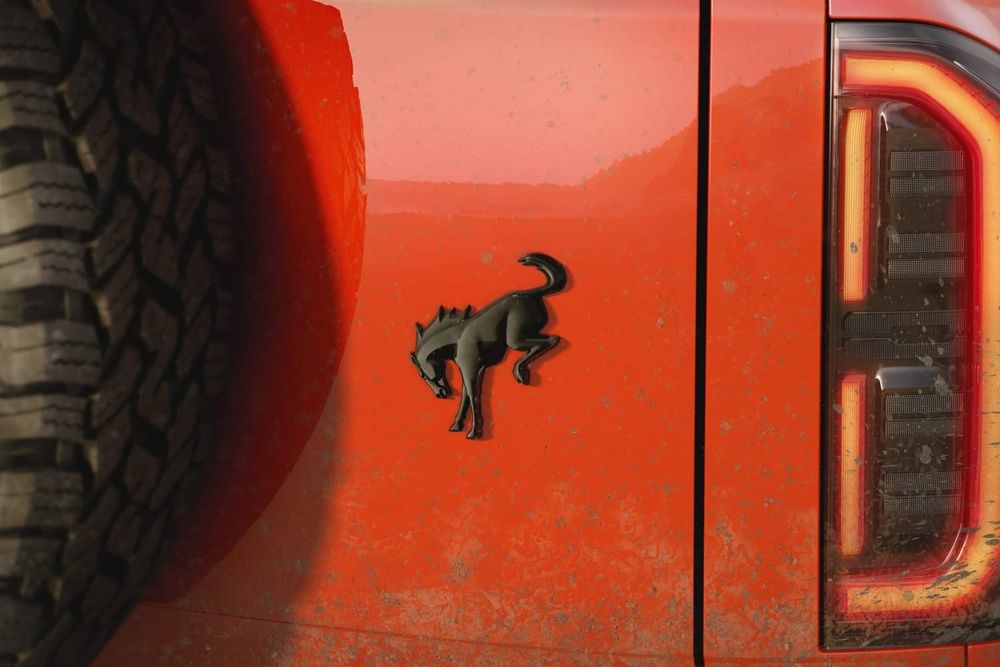
Ford Australia is bringing the Bronco to Australia, announcing the Bronco Basecamp as its next SUV addition in 2027.
Slated to arrive in the second half of 2027, the Ford Bronco Basecamp will mark a turning point for the brand, becoming its first passenger vehicle to be sourced from China, following the debut of the Transit City van in 2026.
Built by JMC as a part of a joint venture with Ford, Australia will be the first market outside of China to receive the Bronco Basecamp, before it goes on sale in Europe.
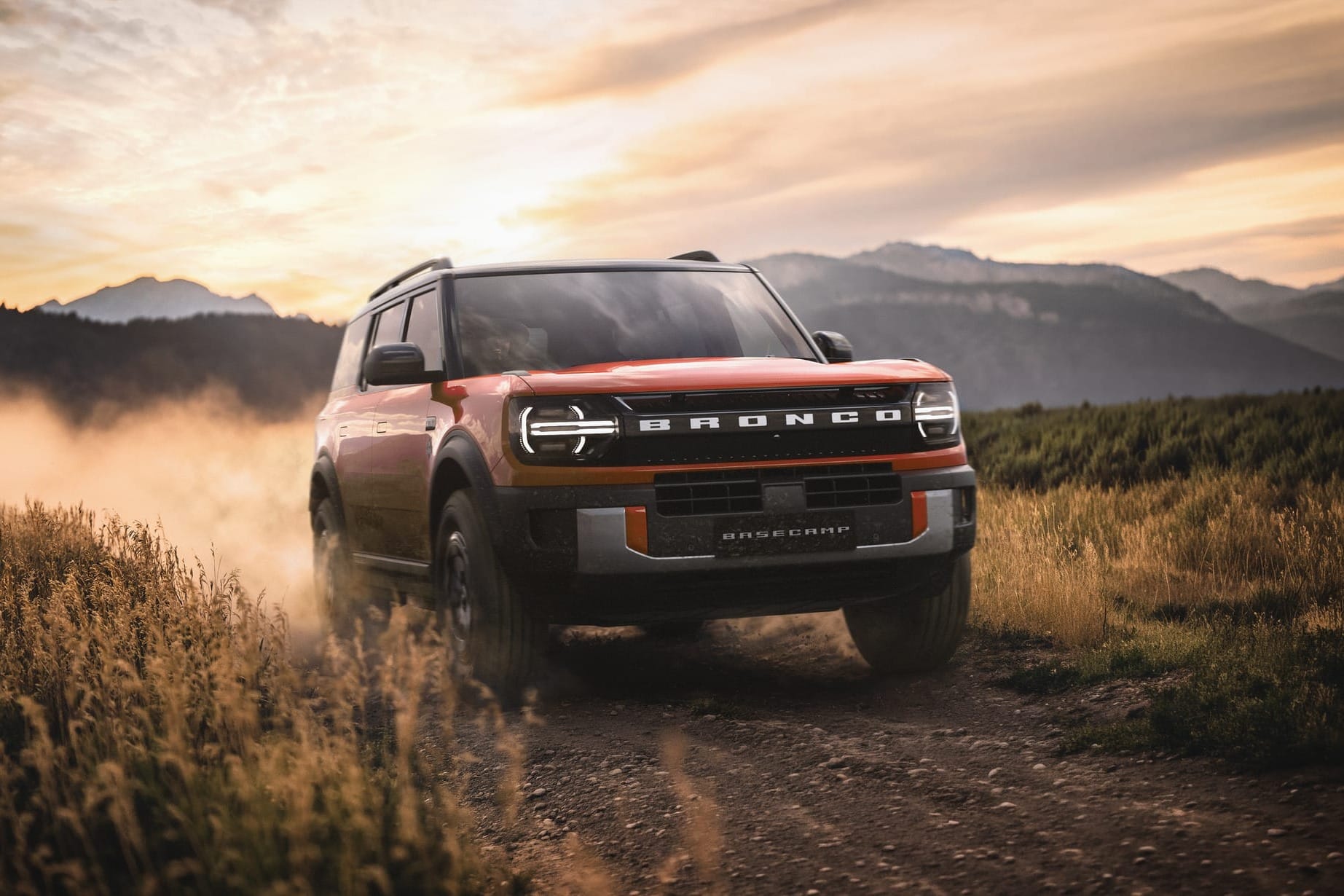
It is one of three Bronco-badged vehicles sold by Ford globally, alongside the US market full-sized Bronco (based on the Australian-designed T6 platform which also underpins the Ranger and Everest) and Bronco Sport (based on the Escape).
Unlike the Everest, it’s based on a monocoque or unibody platform, rather than the ladder-frame chassis which has made the Everest popular amongst the off-road adventure community.
While the Bronco New Energy (as it’s sold in China) is available as an electric vehicle (EV) and an extended range electric vehicle (EREV), Australia’s Bronco Basecamp will only feature the latter powertrain, with no fully-electric option coming Down Under yet.
Local specifications are yet to be locked in, however in China the Bronco Basecamp EREV features a turbocharged 1.5-litre four-cylinder petrol engine which charges the 49kWh BYD-supplied battery, itself powering the two electric motors, with total outputs of 310kW and 600Nm.
In China, this powertrain is good for 220km of electric-only driving range, or up to 1220km when the engine is used to add charge. Ford Australia has quoted a more conservative figure of 800km to 900km, based on the stricter WLTP lab test cycle.
That battery can also be used as a portable generator, providing up to 6.6kW of power output through Ford’s Pro Power Onboard system.
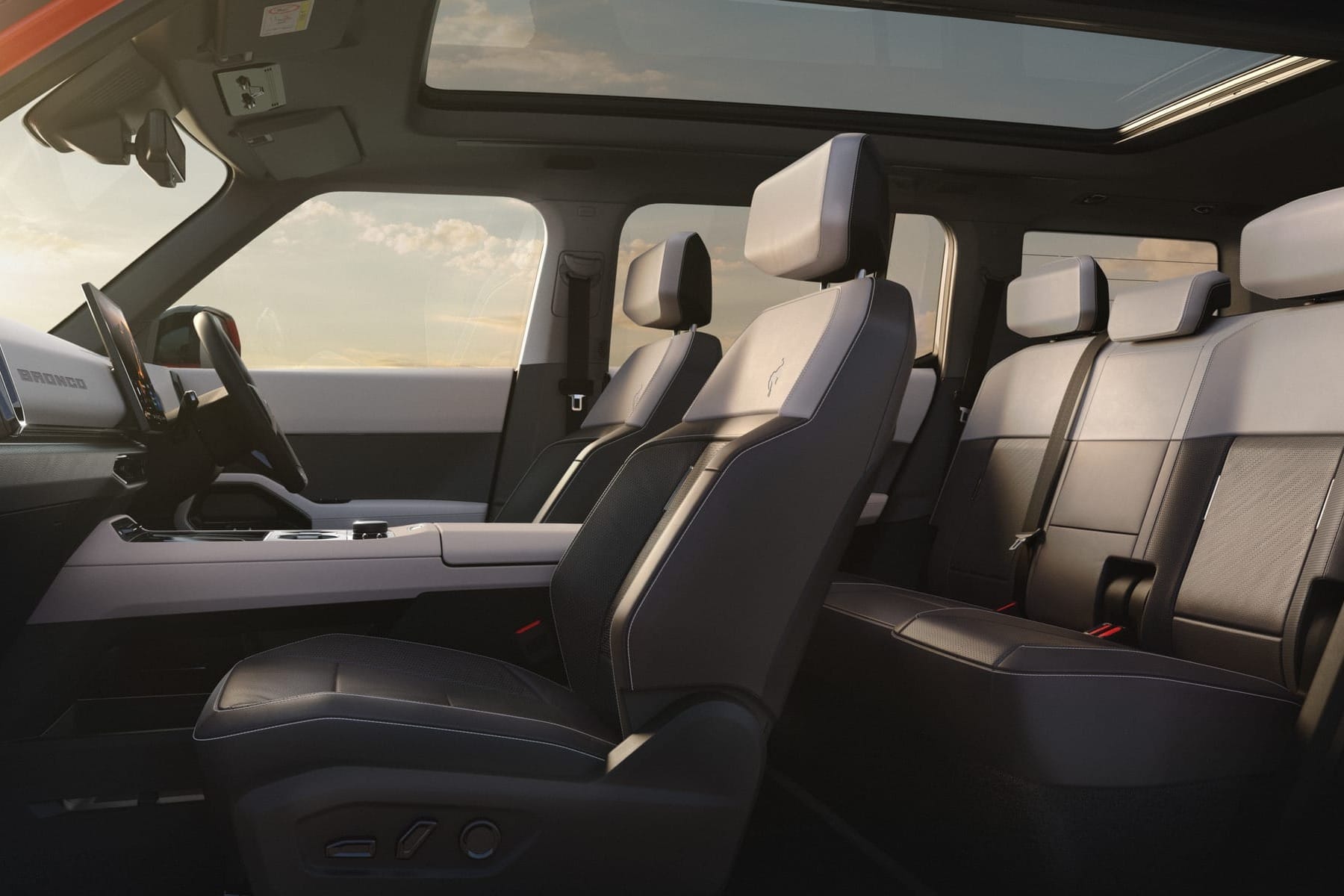
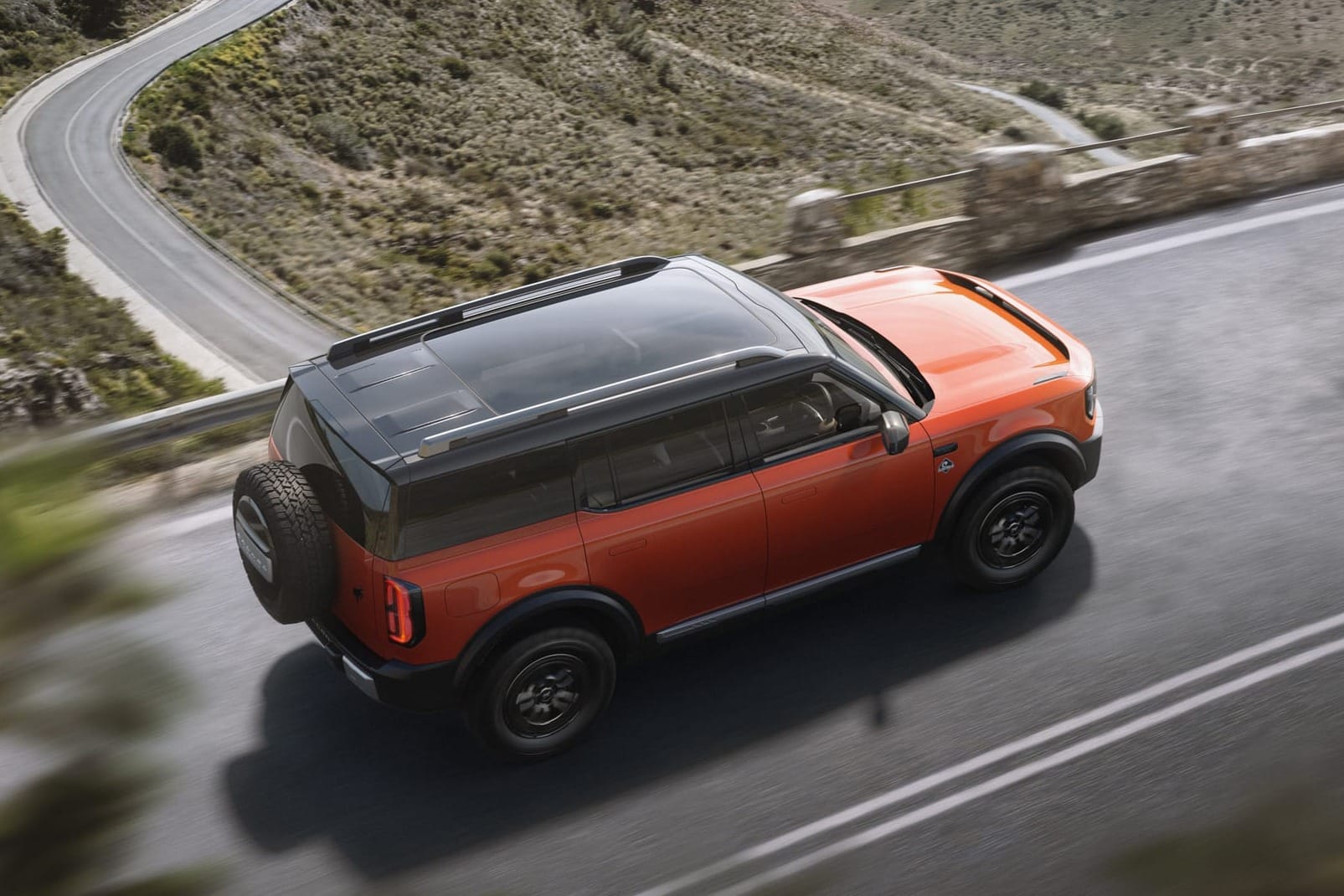
Measuring 5025mm long (including its boot-mounted spare wheel carrier), 1960mm wide and 1825mm tall, while riding on a 2950mm wheelbase, the Bronco Basecamp is more than 100mm longer, almost 40mm wider, rides about 50mm higher and has 50mm more between the axles than an Everest.
However, the Bronco Basecamp is only available as a five-seater, rather than offering up to three rows of seating like the Everest, though one of its trick features is the ability to fold both rows of seating flat, allowing the fitment of a custom-made inflatable mattress.
Designed with off-road usability in mind, overseas examples have a 600mm wading depth, though this is yet to be confirmed for Australian examples.
Other features and specifications are yet to be locked in, however one of the Bronco Basecamp’s centrepieces on the Outer Banks variant is its pop-top roof, extending past the C-pillars to give more room for those who are using the SUV as accommodation.
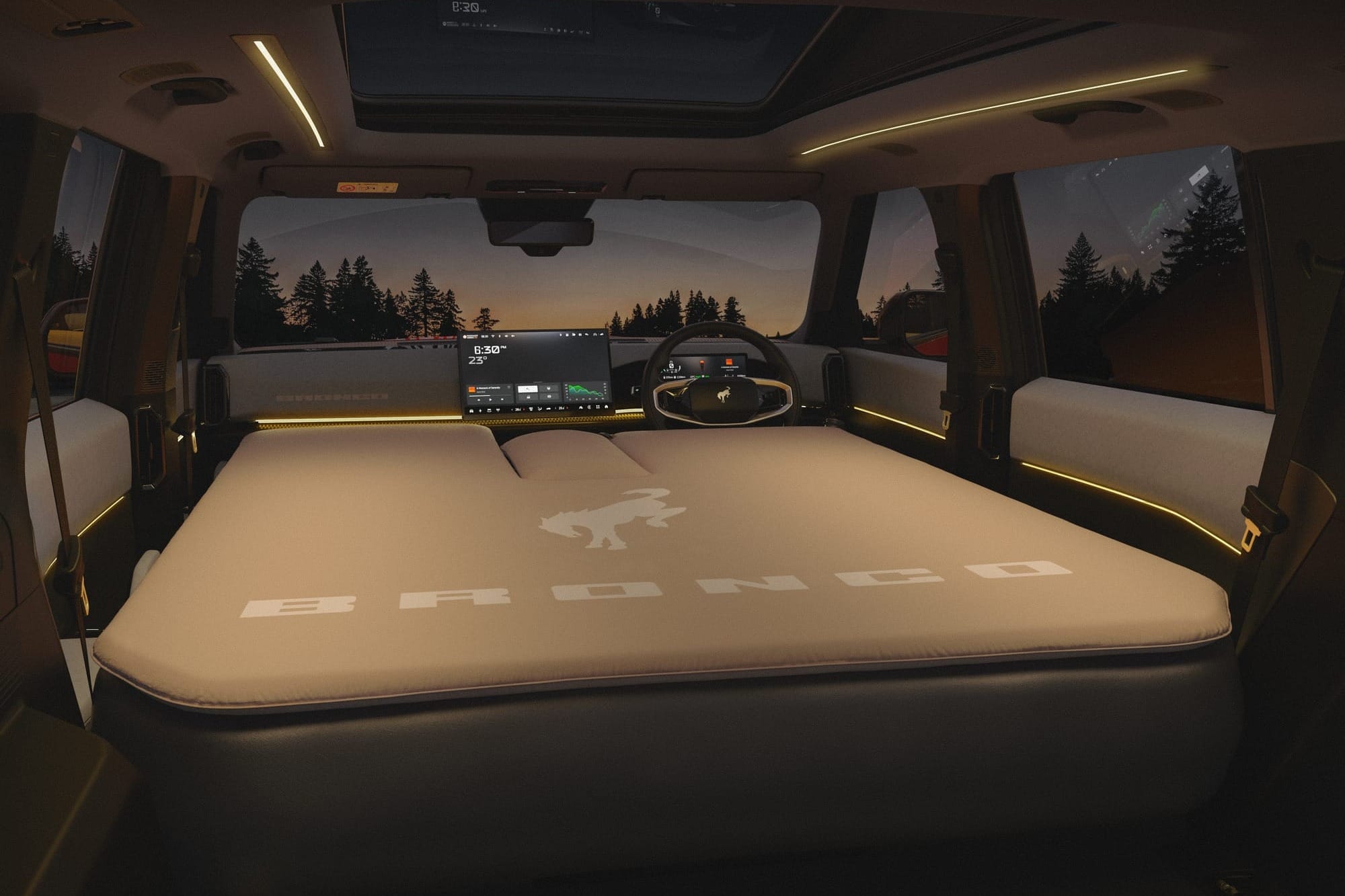
Additional adventure-friendly accessories include the integrated 7.5L warm or cool storage console for the Outer Banks grade, as well as a ‘Wild Kitchen’ built into the rear swing gate, including an integrated fold-down table.
In Chinese examples, the 8.8-inch digital instrument display is joined by a 15.6-inch infotainment touchscreen, as well as a 21-speaker sound system and integrated AI.
Pricing will be confirmed closer to launch, though it’s expected to sit roughly within the same range as the Everest, despite offering different strengths and weaknesses.
What Ford has confirmed though is that the Bronco Basecamp will receive a local suspension tune, being developed by Ford’s extensive engineering team in Victoria, which will be adopted by export markets as well.