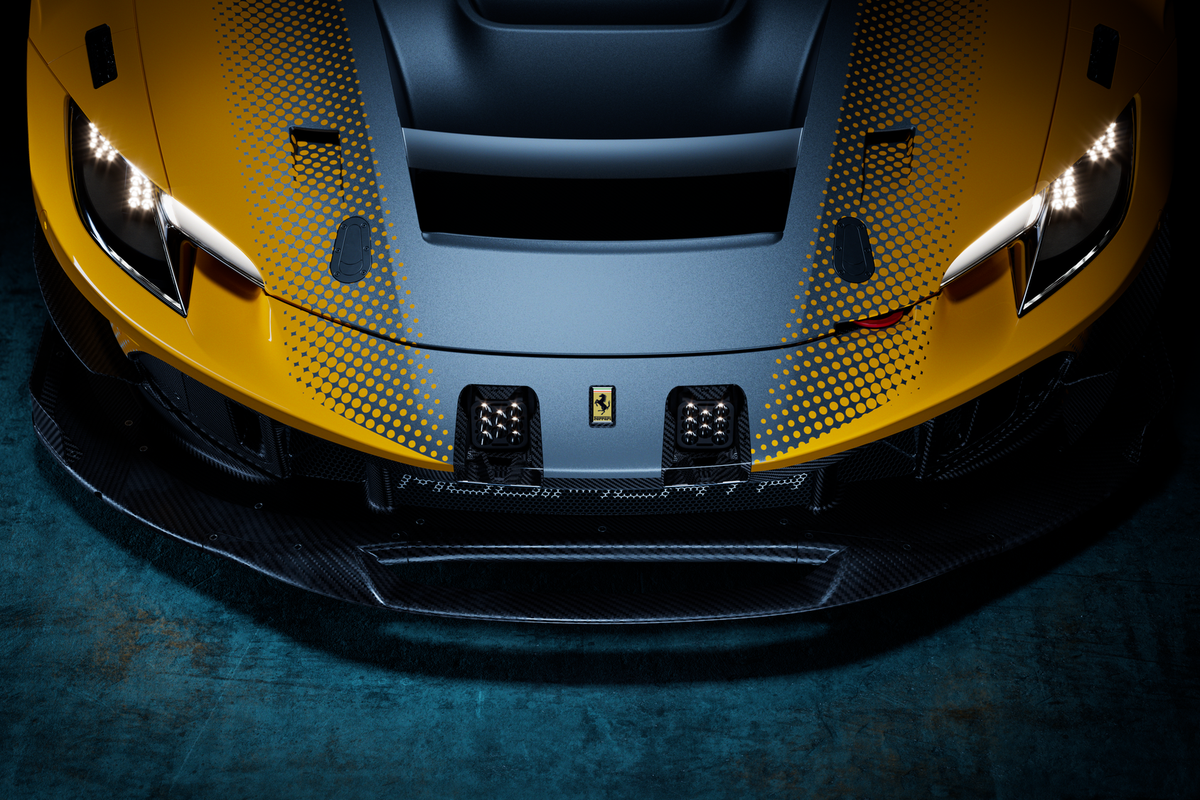
Ferrari 296 Challenge Stradale strips away hybrid tech to rival Porsche 911 GT3 RS, Ford Mustang GTD
In its pursuit of purity, Ferrari has taken the hybrid system out of its new track-capable 296 Challenge Stradale, providing a true Porsche 911 GT3 RS rival.

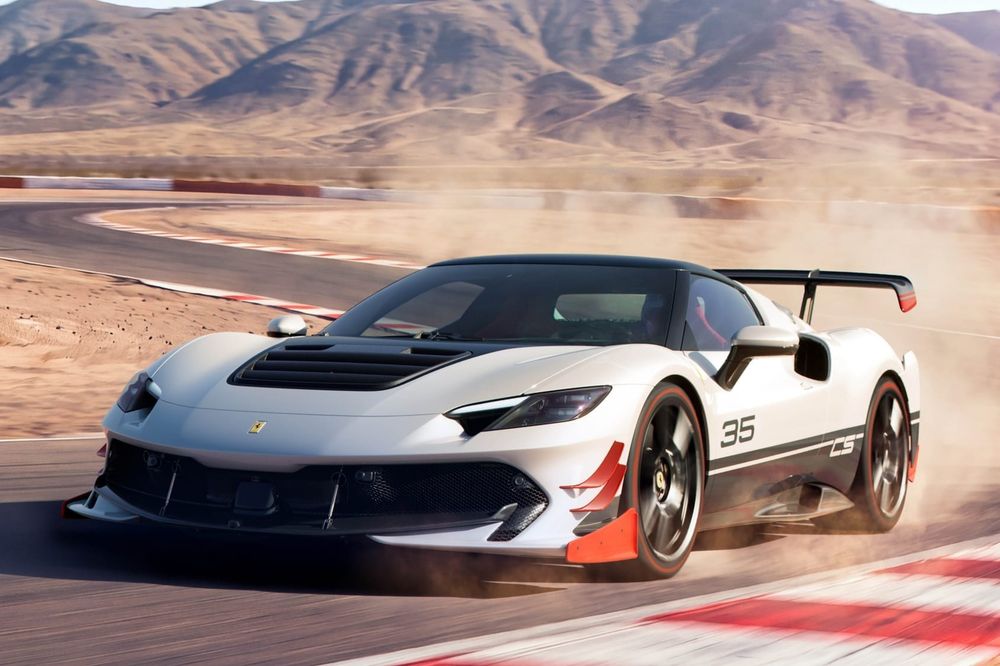
Ferrari’s 296 supercar has gone on a diet and has been made even sharper for the track, with the new 296 Challenge Stradale being revealed as the brand’s ultimate race car for the road.
Debuting alongside the race-only 296 Challenge Evo, the Stradale takes the best bits of its track-only counterpart as well as the existing road-focused 296 GTB coupe, becoming the latest in Ferrari’s line of supercar weapons.
The 296 Challenge Stradale serves as the pinnacle of the model’s lineup for track ability, much in the same way that the Porsche 911 GT3 RS is more competent on circuits than the technically superior Turbo S.
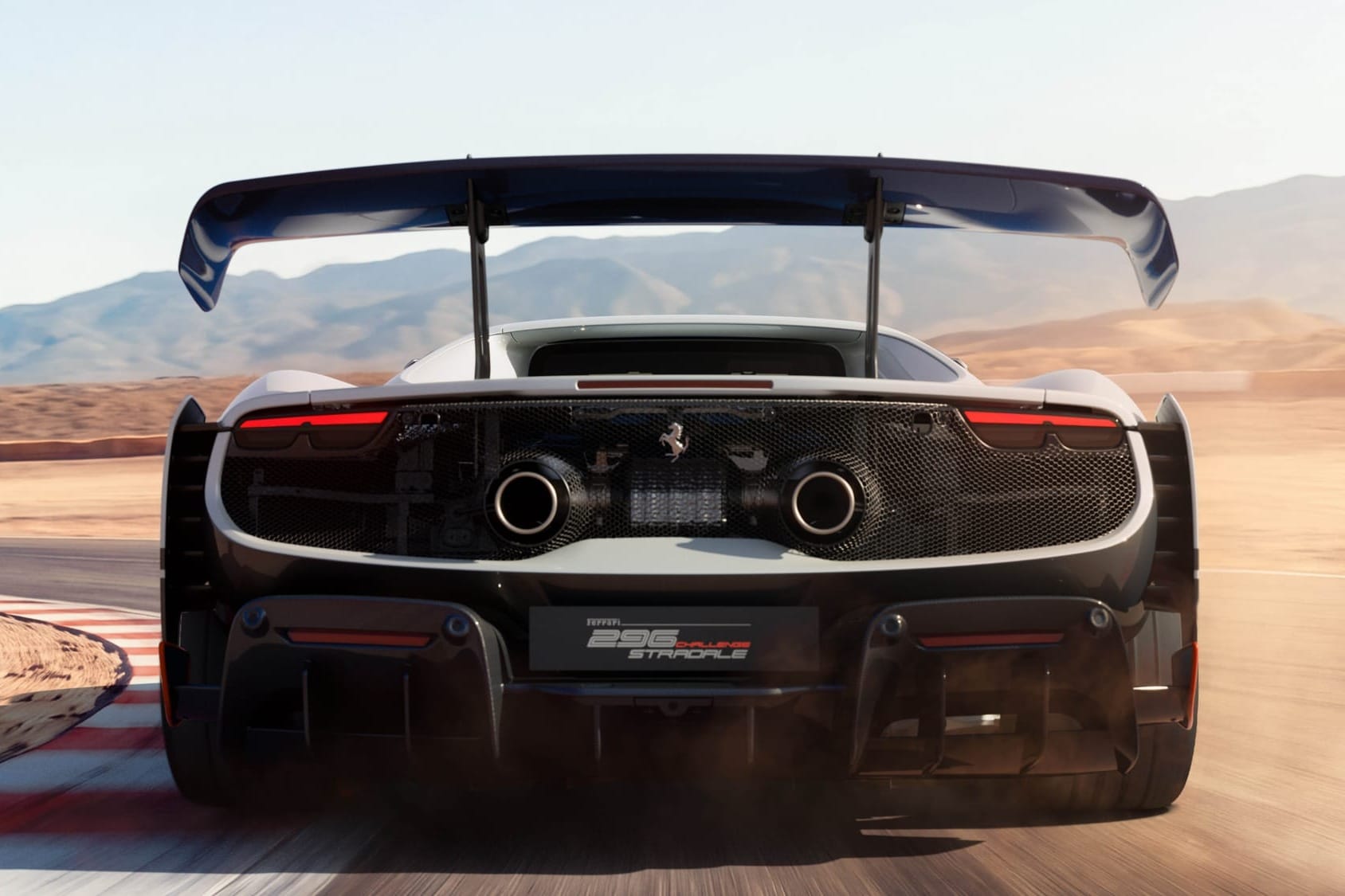
Key to the Challenge Stradale getting back to basics is the removal of the 296’s plug-in hybrid system, which usually consists of a transmission-mounted electric motor and 7.45kWh battery.
Power outputs have therefore taken a hit, with the twin-turbo 2.9-litre V6 engine now producing 493kW and 740Nm, down on the peak 610kW figure of the hybridised 296, however there’s bigger gains under the skin.
By removing the complex electric system, the 296 Challenge Stradale tips the scales at 1330kg, or about 140kg lighter than the 296 GTB.
Ferrari claims the 296 Challenge Stradale will sprint from 0-100km/h in just 2.8 seconds (saving 0.1 seconds) and keep going to a top speed of more than 300km/h.
Despite the lower outputs, Ferrari says the V6 engine has been tweaked to increase low-end torque (with a 32 per cent jump in dynamic torque), while it’s also fitted with 296 Challenge-derived turbochargers, heat shields and exhaust silencers. Buyers can also option a track-only exhaust for greater noise.
With the removal of the hybrid system came the requirement of a newly developed mechanical A/C compressor, driveline, and flex plate, as the 296 wasn’t intended to go without its electric assistance.
Under the four corners sit 20-inch wheels which can be shod in specially developed Pirelli P Zero R and P Zero Trofeo RS tyres, connected to a revised suspension system with a unique setup.
Ferrari says the new semi-active dampers and springs have increased lateral performance by seven per cent and stability by a huge 34 per cent.
Helping slow the 296 Challenge Stradale down are carbon-ceramic brakes all round, with big 398mm discs at the front and 380mm at the back, while its pedal is meant to feel like the new Challenge Evo.
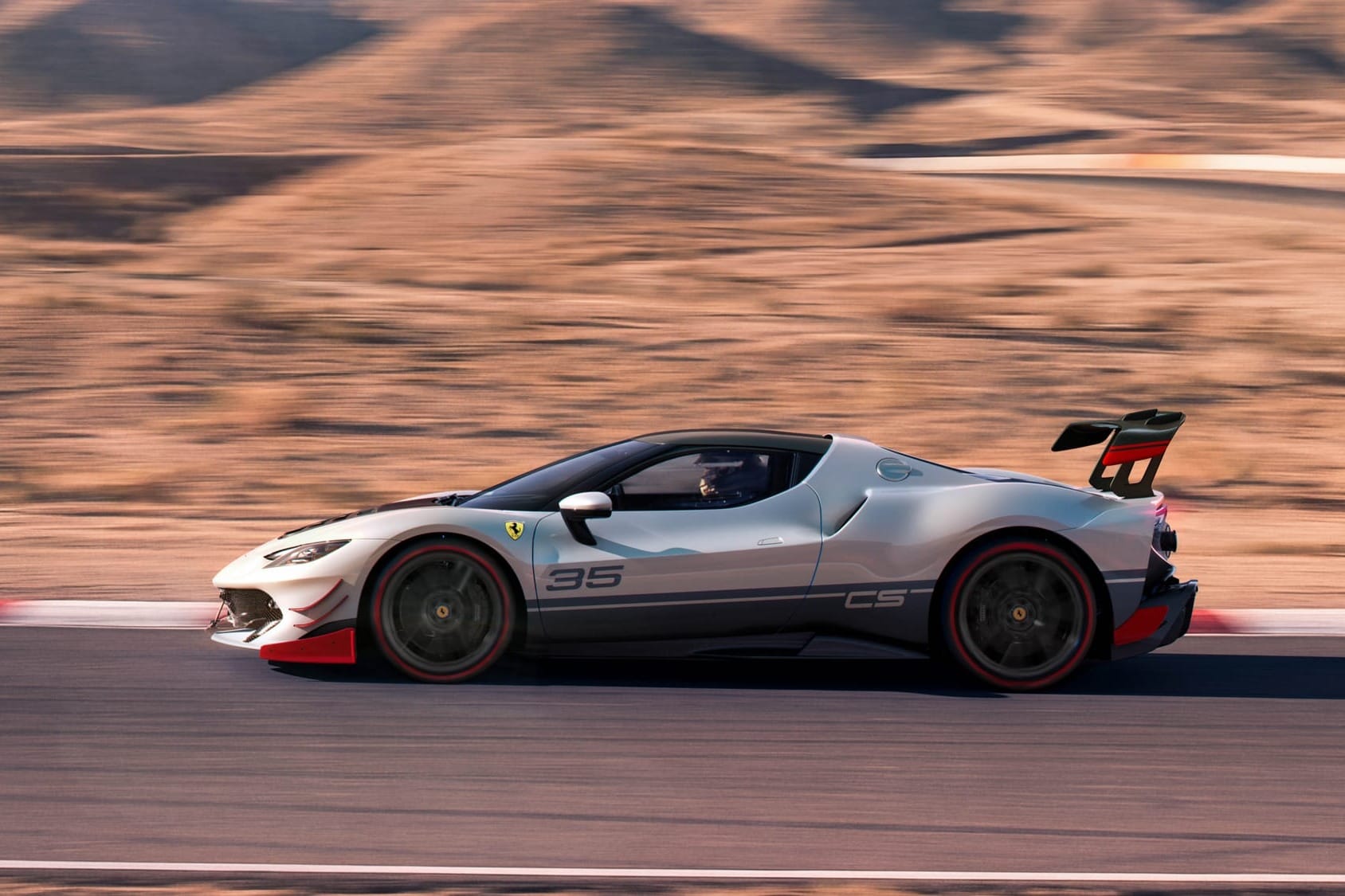
Of course, there’s more than just mechanical changes, as the Challenge Stradale also sports a new-look exterior, consisting of a new splitter, flick, side wings and endplates, while there’s a Challenge Evo-sourced fixed wing at the back, working with the new diffuser.
According to Ferrari, at 250km/h the 296 Challenge Stradale generates 617kg of downforce, or more than double that of a current Gen3-spec Supercar.
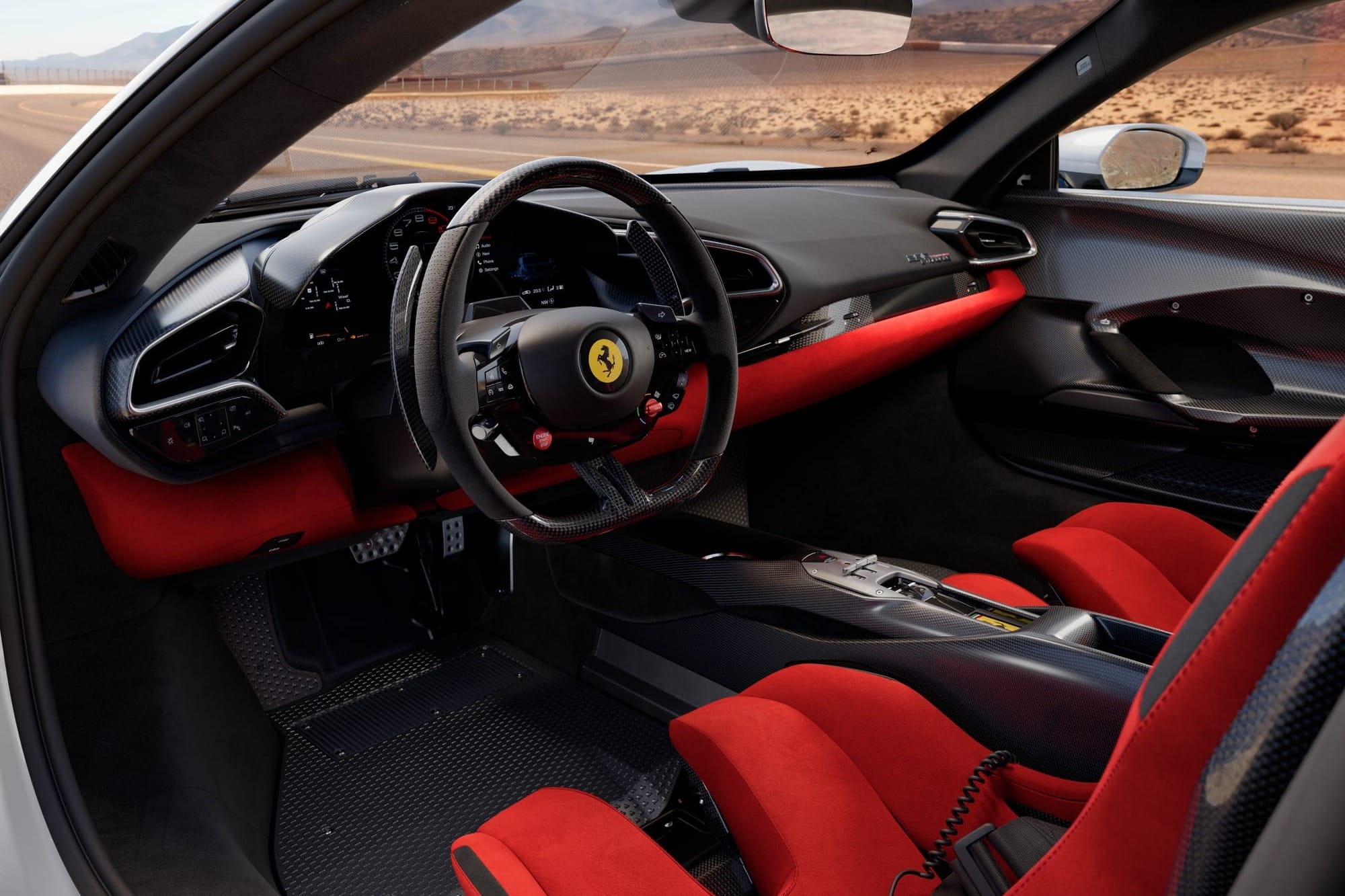
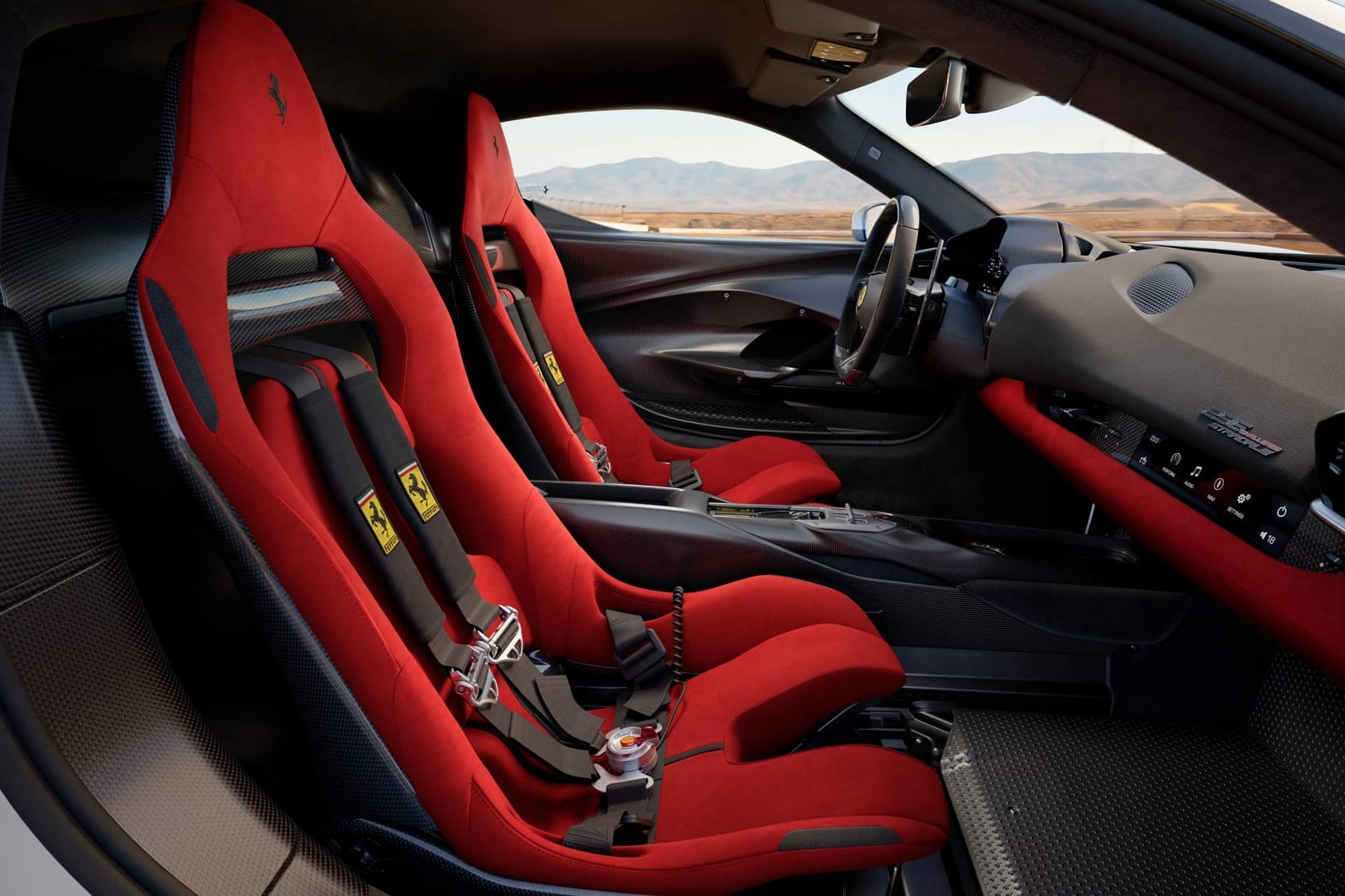
A stripped-out cockpit also features, with the door panels now made of a single piece of carbon fibre, as the occupants sit in body-hugging racking seats.
All of these changes have amounted to significant lap time savings, with the 296 Challenge Stradale capable of lapping Ferrari’s Fiorano test track in one minute and 18.5 seconds – 2.5 seconds clear of the 296 GTB, and half a second faster than the 296 Speciale.
Ferrari is yet to announce a price for Australia.
 Jordan Mulach