
Former Australian Prime Minister calls for local car industry to be rebuilt
Kevin Rudd believes Australia not having a car industry creates a “fatal vulnerability in our national security”, with the former Prime Minister calling for its return.

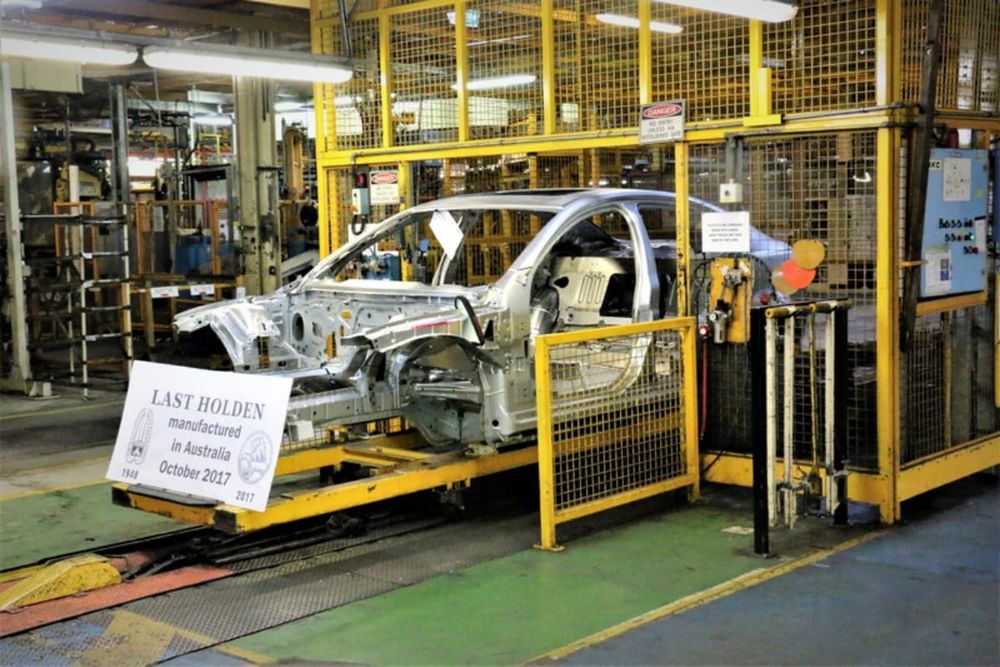
The 10-year anniversary of local full-vehicle production in Australia coming to an end is fast approaching, with calls to reignite the industry now starting to become more frequent.
Former Prime Minister Kevin Rudd, who served in the role from 2007 to 2010 and later in 2013, used an address to the National Press Club of Australia in Canberra to make the case for local car manufacturing to be restarted.
In a wide-ranging speed – titled The Complacent Country: Navigating Australia’s future in an uncertain world – Rudd touched on a number of factors which have made Australia the ‘Complacent Country’, which included saying a local automotive industry is “a sovereign capability we are sorely missing”.
“Of all the short-sighted acts of economic vandalism in recent decades, the closure of our car industry by the Abbott-Hockey government stands apart,” Rudd said.
“Australia under my government had one of the most modest industry subsidies in the auto world.
“But politics triumphed over reason, sacrificing tens of thousands of jobs, tearing the beating heart out of Australia’s engineering and manufacturing base, and rendering us 100% dependent on auto imports.
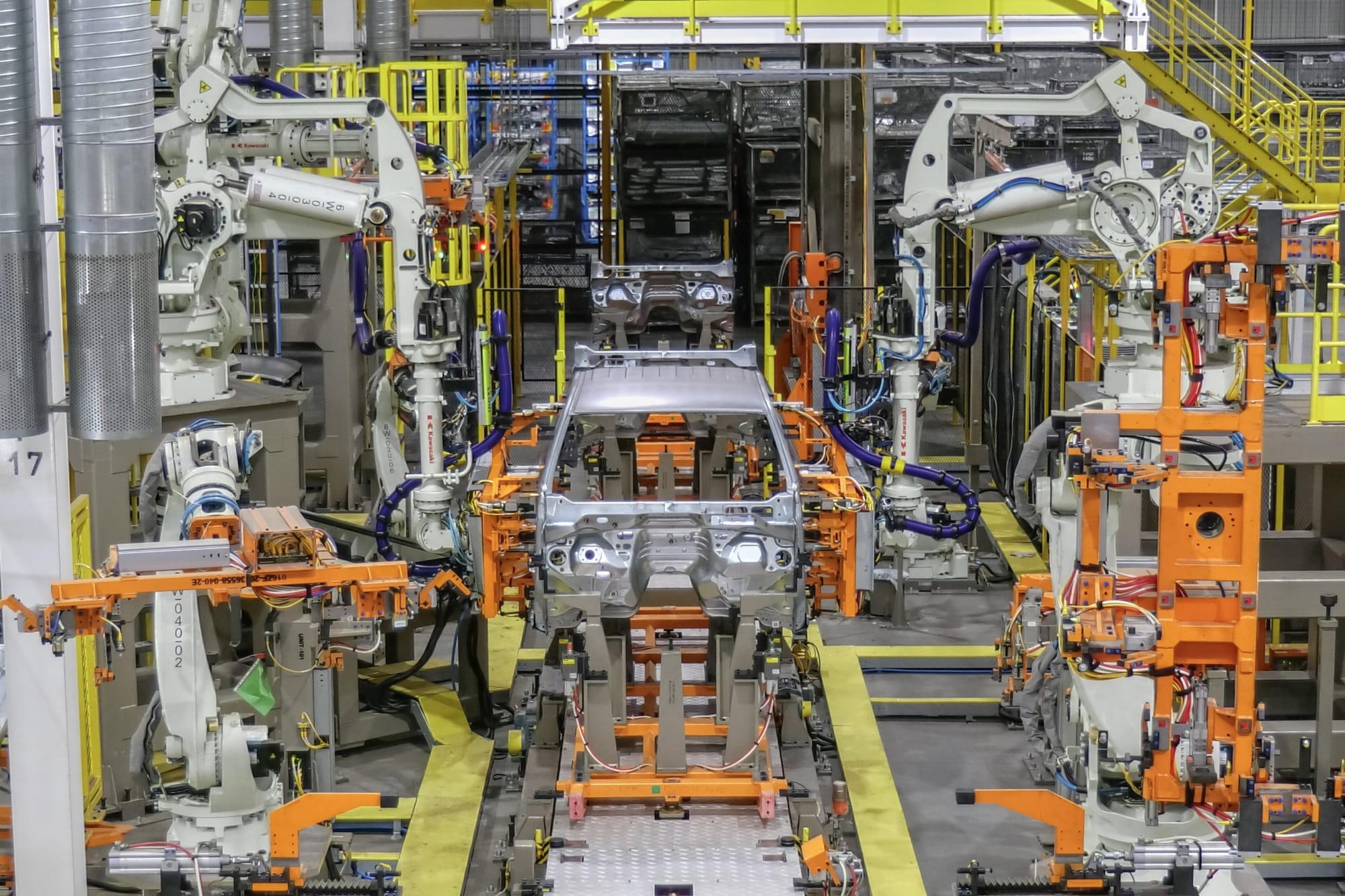
“Now the 3D printing and EV revolutions mean we can rebuild an Australian auto sector and repair this fatal vulnerability in our national security.”
In December 2013, just a handful of months after the Liberal-Nationals coalition took government in the September 2013 election, then-Treasurer Joe Hockey effectively dared Holden and General Motors to exit local manufacturing.
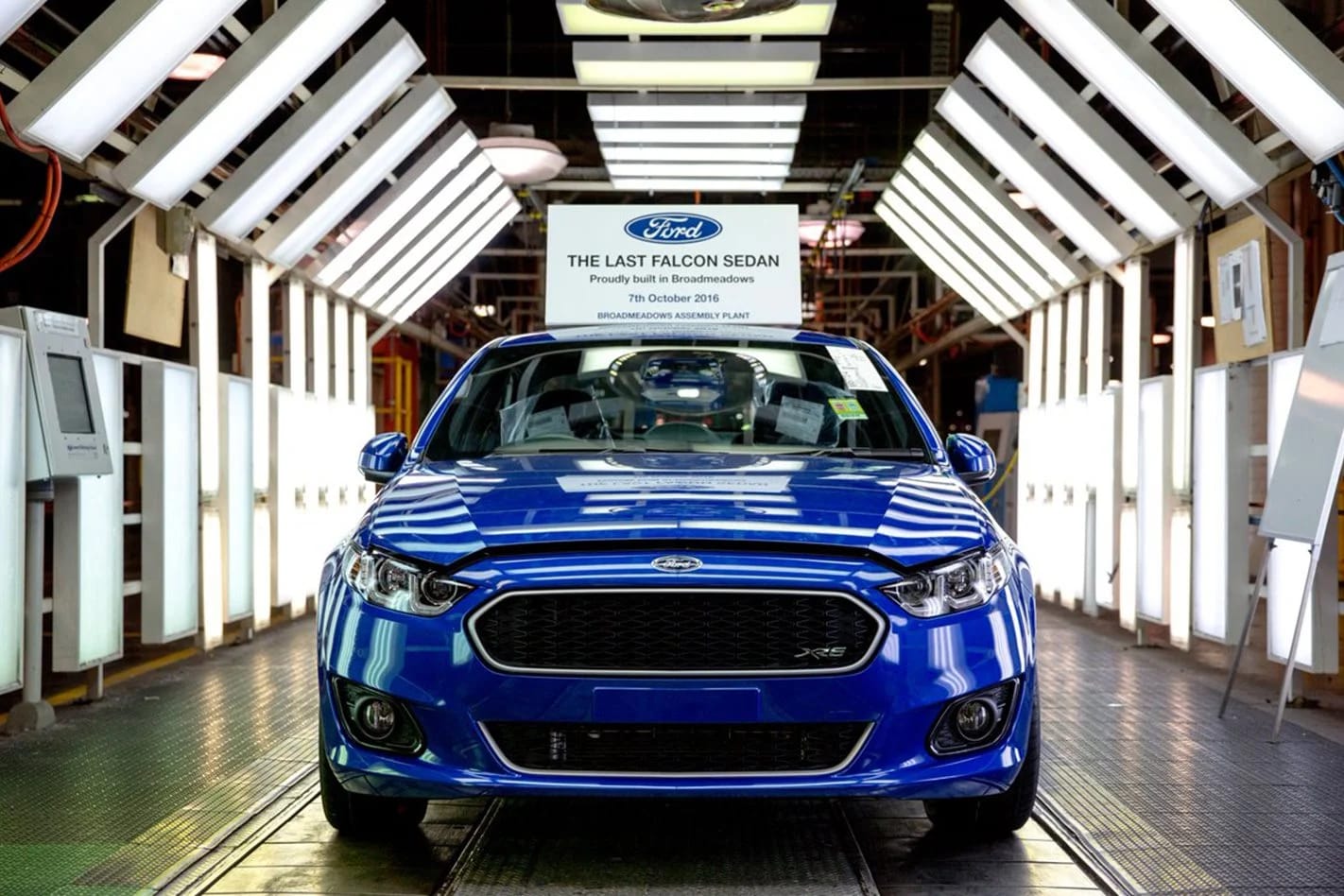
Hockey told the US giant “Either you’re here, or you’re not”, which ultimately culminated in Holden ending local production of the Commodore in October 2017, which had been preceded by Toyota ceasing production of the Camry earlier that month, and Ford axing the Falcon in October 2016.
Rudd isn’t the only politician – former or current – to say Australia’s full-vehicle manufacturing industry should be restarted, with even current Prime Minister Anthony Albanese saying in May that he believes there’s “no reason why we can’t make (electric) vehicles” locally.
“At the very least, we can make parts and components, including batteries here,” the Prime Minister said at the launch of News Corp’s ‘Back Australia’ campaign, as reported by the Herald Sun.
“Indeed there are companies looking at doing just that.
 Jordan Mulach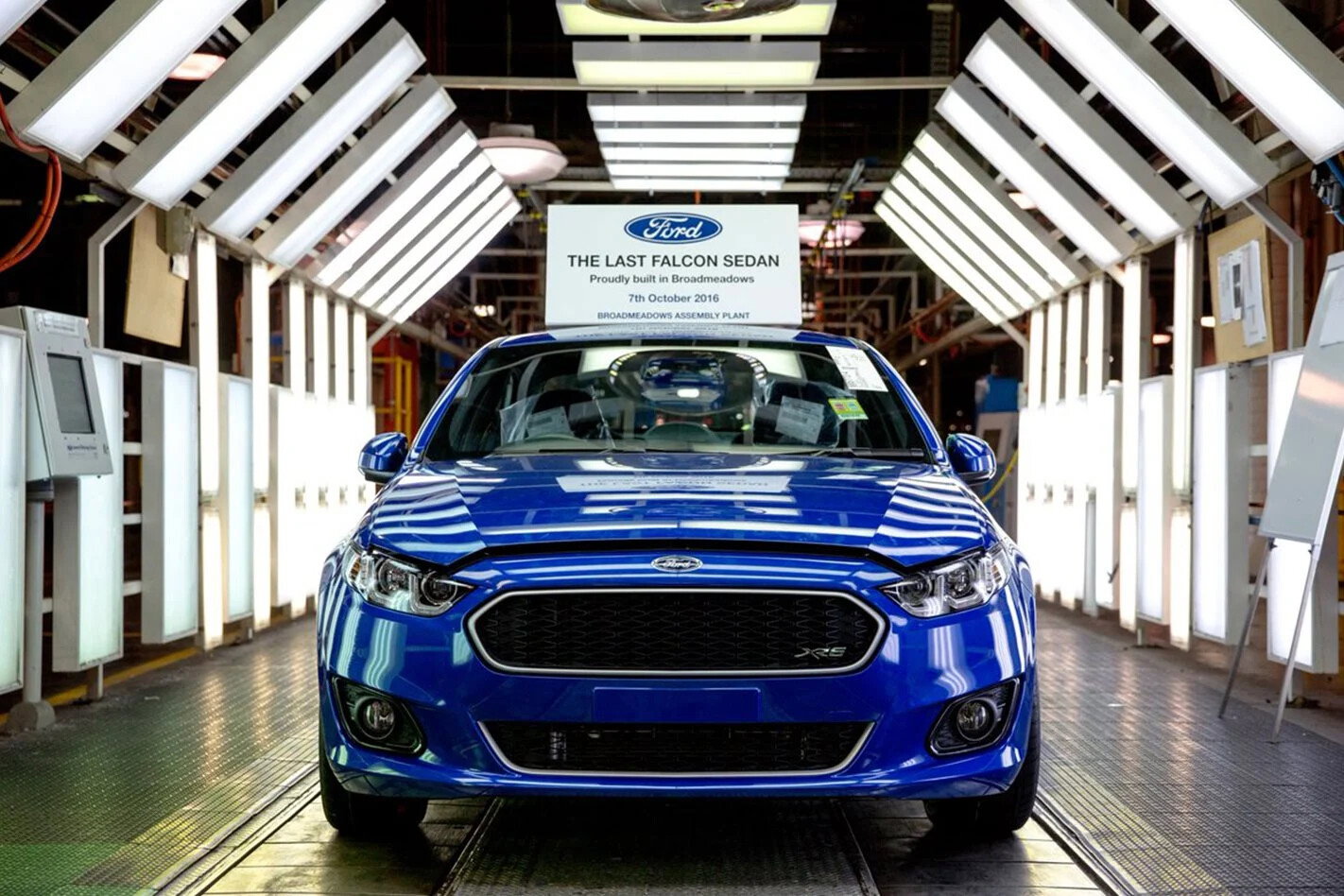
“We saw a decline of manufacturing in Australia because of differential labour costs. New technology means that labour is less important than transport costs.”
“Because technology is ubiquitous, it’s available everywhere.”
It’s worth noting that while full-vehicle production ended in late 2017, Australia’s automotive engineering industry continues to have an impact on the new-car market.
For the past two years, more than 10,000 vehicles were locally converted from left- to right-hand drive by teams in Melbourne, with Walkinshaw (formerly Holden Special Vehicles) responsible for the Chevrolet Silverado, GMC Yukon and Toyota Tundra, Ram’s own joint-venture reengineered the 1500, 2500 and 3500, while Ford’s F-150 was completed by RMA Automotive.
All of these operations are based in Melbourne, and play a crucial role in allowing OEMs to bring their vehicles to market at a minimal price increase, compared to third-party firms.
 Jordan Mulach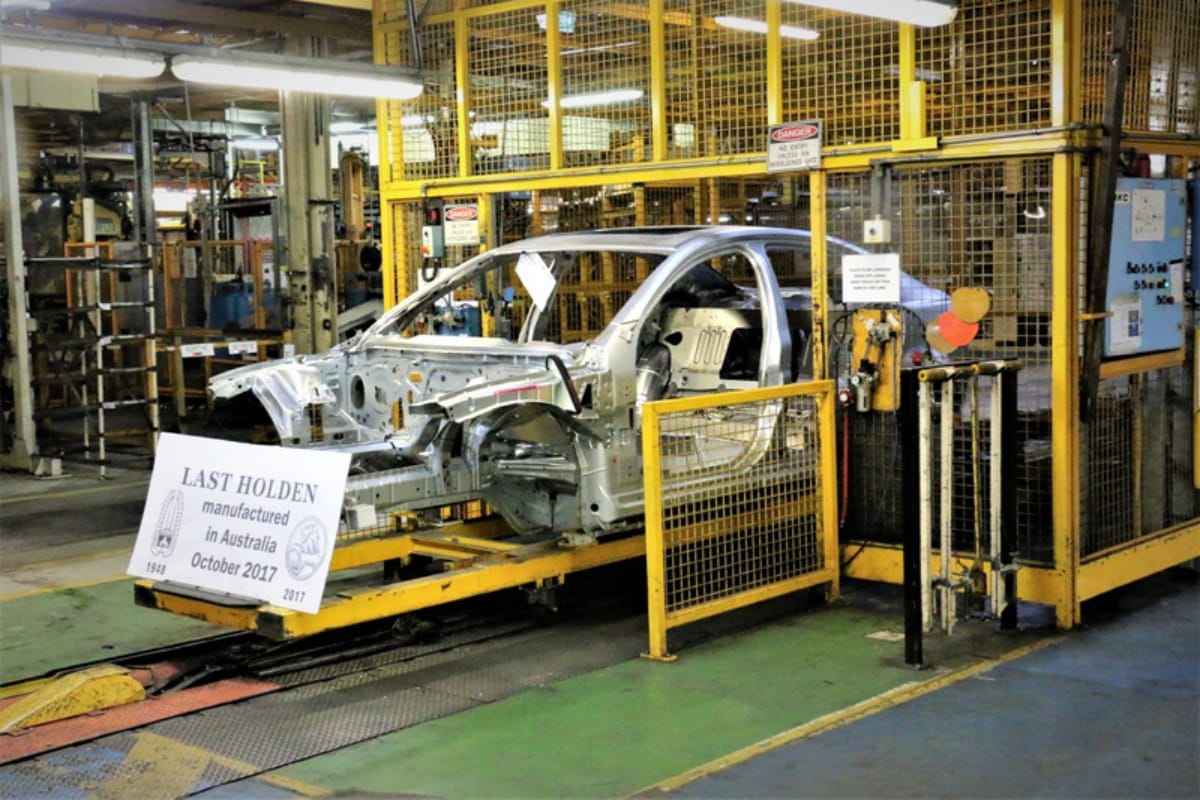
Likewise, Premcar - born out of the demise of Ford Performance Vehicles - has led Nissan’s Navara and Patrol Warriors programs in Melbourne, and has recently branched out with Mitsubishi’s Triton Raider.
Though it isn’t built in Australia, the Ford Ranger – Australia’s best-selling vehicle outright in 2023, 2024 and 2025 – was engineered by the Blue Oval’s local team, alongside the Everest, making them the vehicles with the most local R&D input on sale currently.
Both are made for Australia in Thailand where the quality of production is high but at a relatively low cost, while the nation’s Free Trade Agreement with a vast number of countries allows the vehicles to be exported to more places than Australia could.
 Jordan Mulach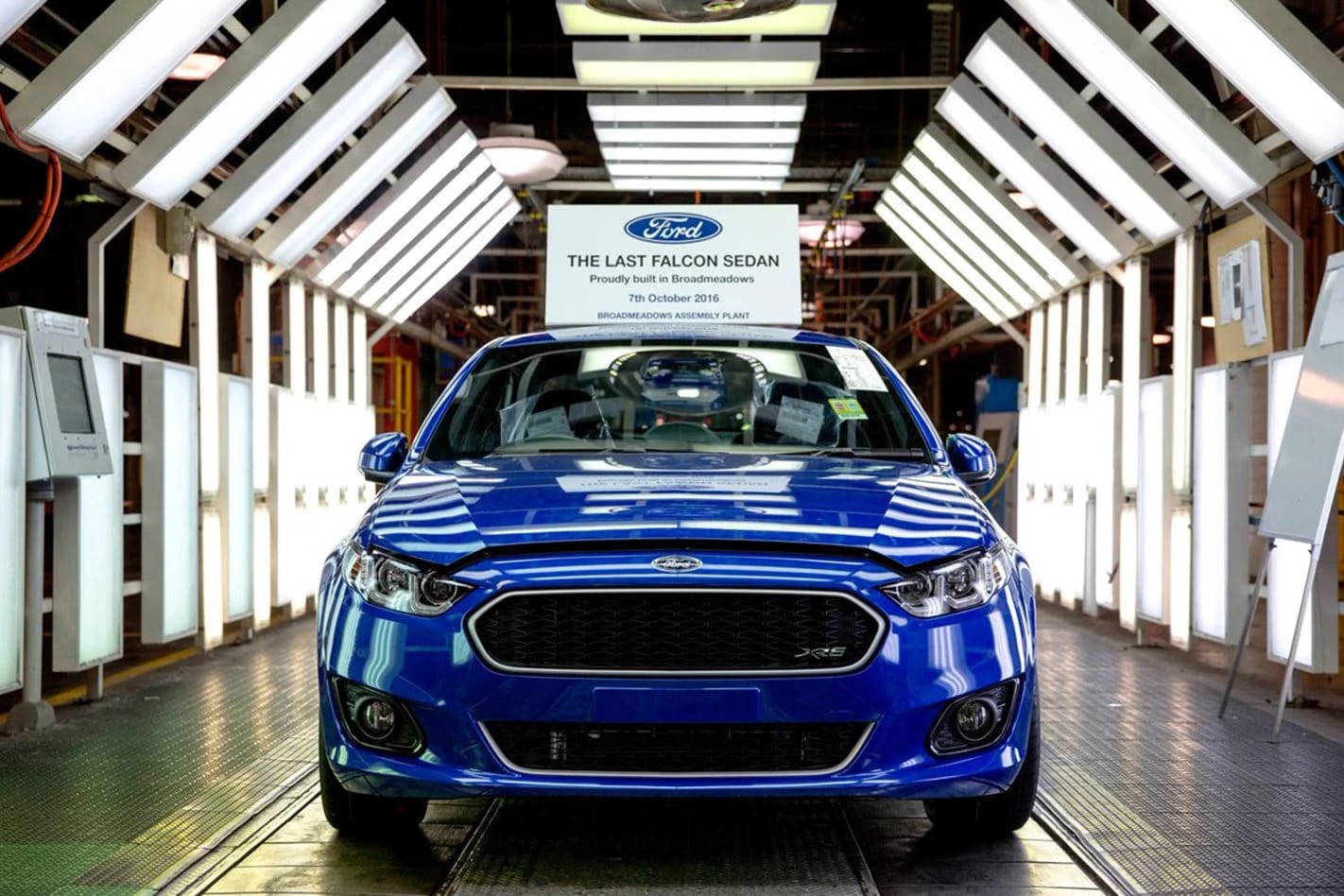
While employment numbers have slipped over the past few years, Ford Australia still employs approximately 1500 people through its OEM operations, more than 1000 of whom work in design and development – departments which led to the introduction of the Ranger Super Duty.
The former production sites of vehicles such as the Camry, Commodore and Falcon have evolved since their demise.
Holden’s former Commodore plant is soon becoming an Australia Post parcel sorting centre, while one of the ex-Falcon production sites is slated to be turned into a data centre.