
Turbo-diesel power returning for LDV’s Ford Everest, Toyota Prado rival
For the first time in almost two years, you can now order a new LDV D90 with a turbo-diesel engine, arriving amid serious price incentives for the SUV.

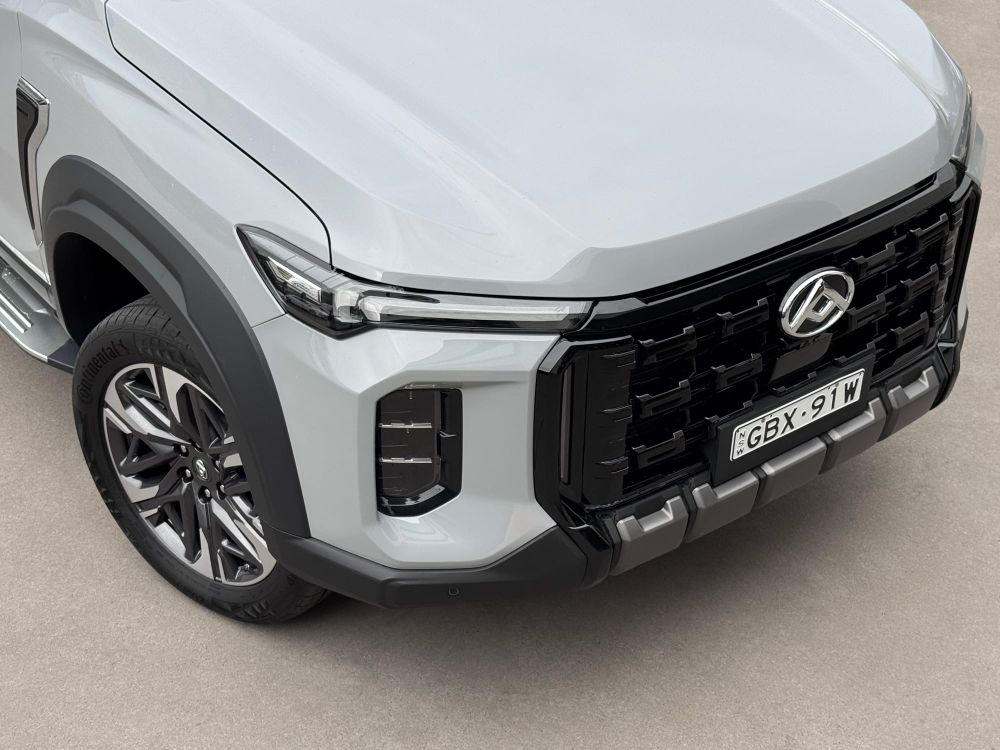
The LDV D90 is once again available with turbo-diesel power after a hiatus of nearly two years, expanding the local lineup for the Ford Everest and Toyota Prado competitor.
In late 2024, LDV launched its massively facelifted D90, though the new-look seven-seat SUV dropped the option of turbo-diesel power, despite it being one of the most popular engine choices among its key rivals.
Now the diesel has returned in the top-speed Executive 4x4 and new Lux 4x4 grades, both of which arrive alongside a number of significant pricing changes and incentives for the D90.
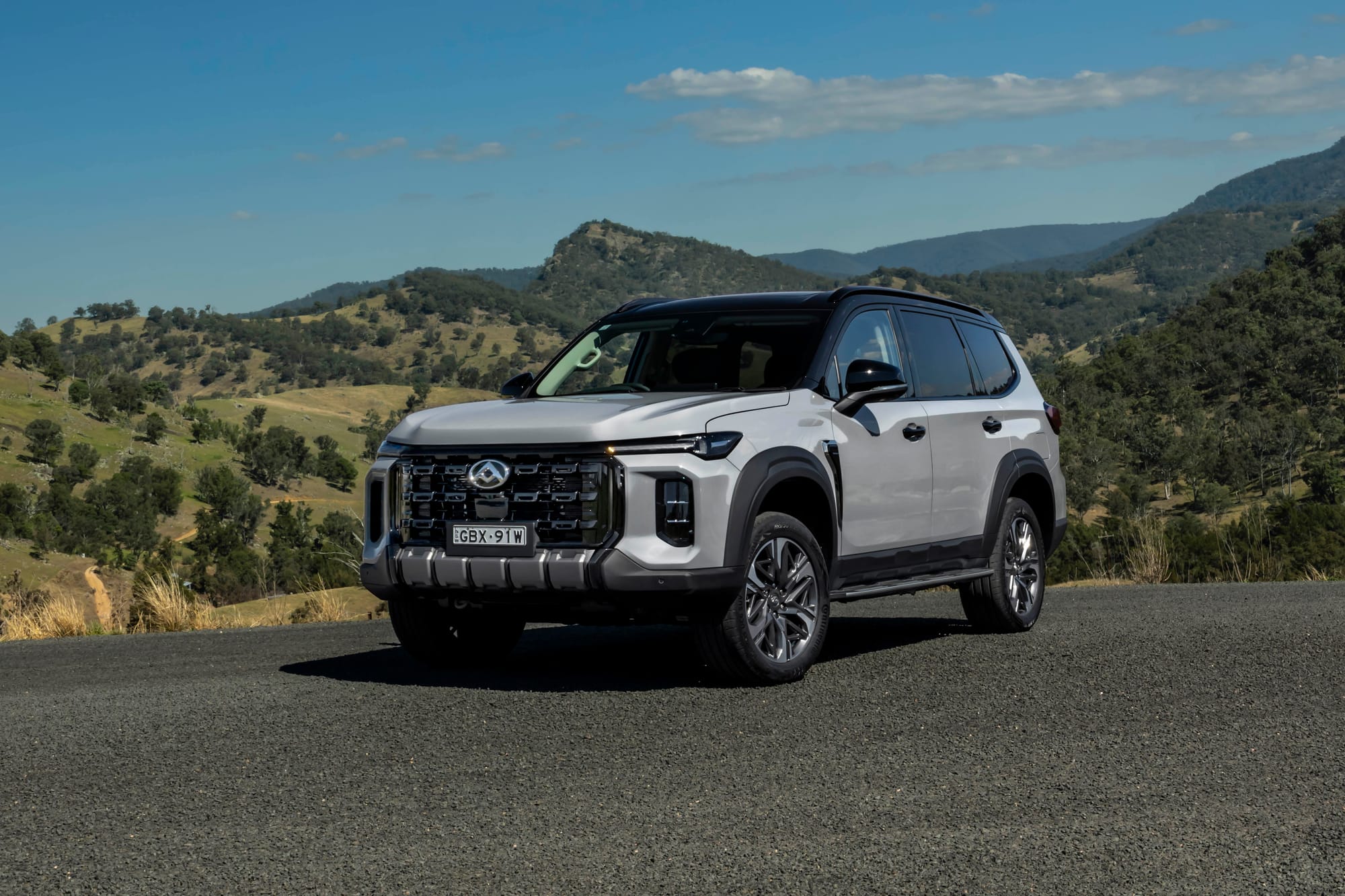
From now until October 31, 2026, LDV is slashing $4500 off the drive-away price of the D90 nationally, both for ABN holders and private buyers.
Though it’s not enough to undercut the current promotion for the Mahindra XUV700 – which sees the SUV priced from $29,990 drive-away – the LDV D90’s starting price of $36,990 for ABN holders and $39,174 for private buyers makes it the most affordable body-on-frame seven-seat SUV currently in Australia.
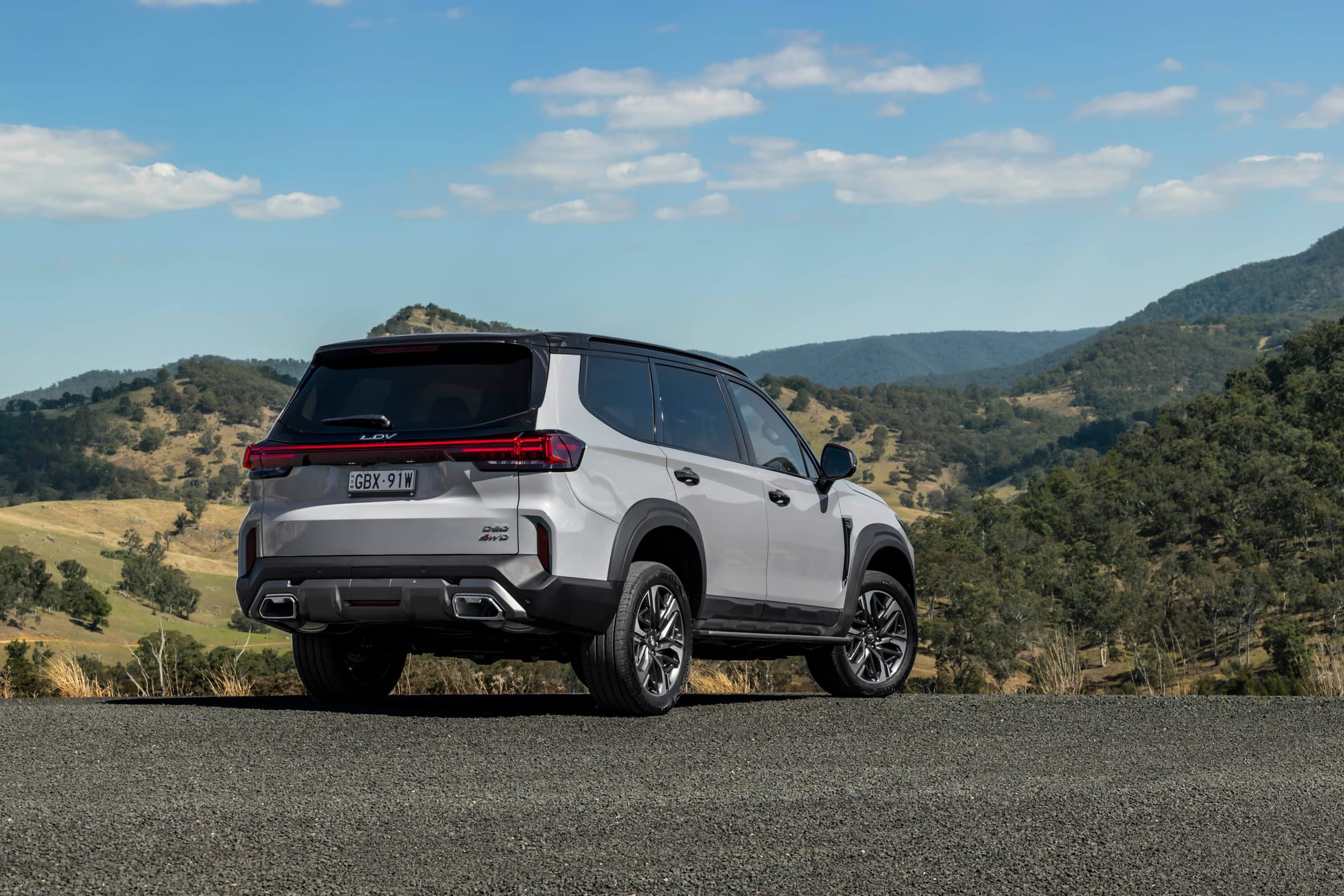
In that grade, a turbocharged 2.0-litre four-cylinder petrol engine (producing 184kW/410Nm) is mated to an eight-speed automatic transmission and a rear-wheel drive layout.
The same applies to the better-equipped D90 Executive 4x2 ($40,990 ABN/$43,384 private), while the Executive is also available as a 4x4 ($44,490 ABN/$47,068 private).
Returning to the lineup is the option of a turbo-diesel engine, growing from the 2.0-litre previously available (which made 160kW/480Nm) to a 2.5-litre with 163kW/520Nm.
For context, the Toyota Prado’s 2.8-litre turbo-diesel makes 150kW/500Nm, while Everest's single-turbo 2.0-litre diesel produces 125kW/405Nm, rising to 183kW/600Nm in the 3.0-litre V6.
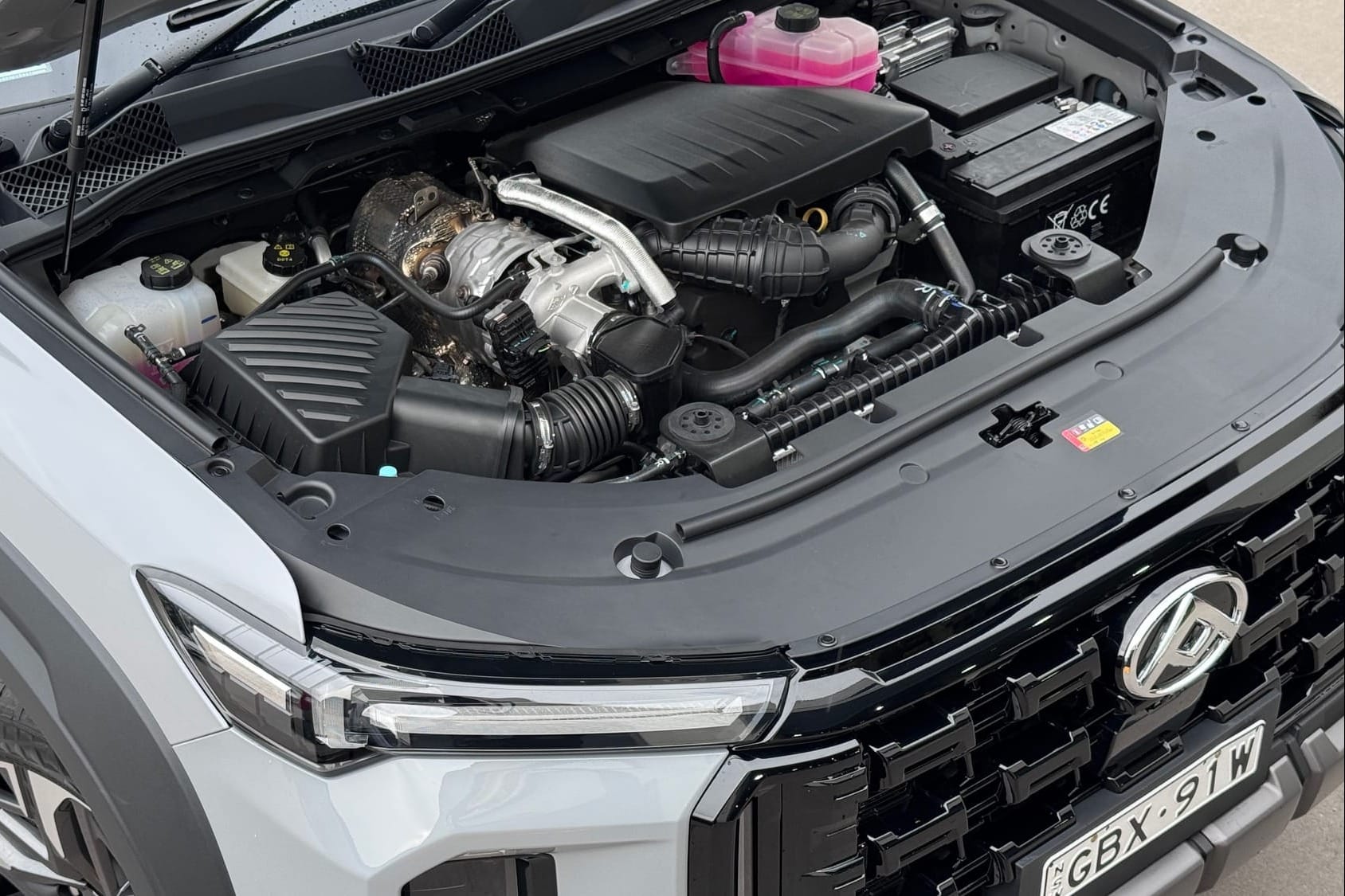
According to LDV, the 4x2 petrol consumes 9.1L/100km, the 4x4 petrol equivalent drinks 9.4L/100km, while the turbo-diesel uses 8.1L/100km – the latter being a reduction compared to its predecessor’s 9.1L/100km claim.
While the D90 petrol can tow up to 3000kg braked, the D90 diesel matches its rivals with a braked towing capacity of 3500kg (increased from 3100kg).
On the entry-level D90 Mode, standard equipment includes LED lights, 18-inch alloy wheels fitted with 265/60/18 tyres, roof rails, side steps, fender flares, black exterior door handles and mirror caps.
Inside, there is a 12.3-inch digital instrument cluster and 12.3-inch infotainment touchscreen, an 8 speaker audio system, artificial leather upholstery, multi-zone climate control, and paddle shifters.
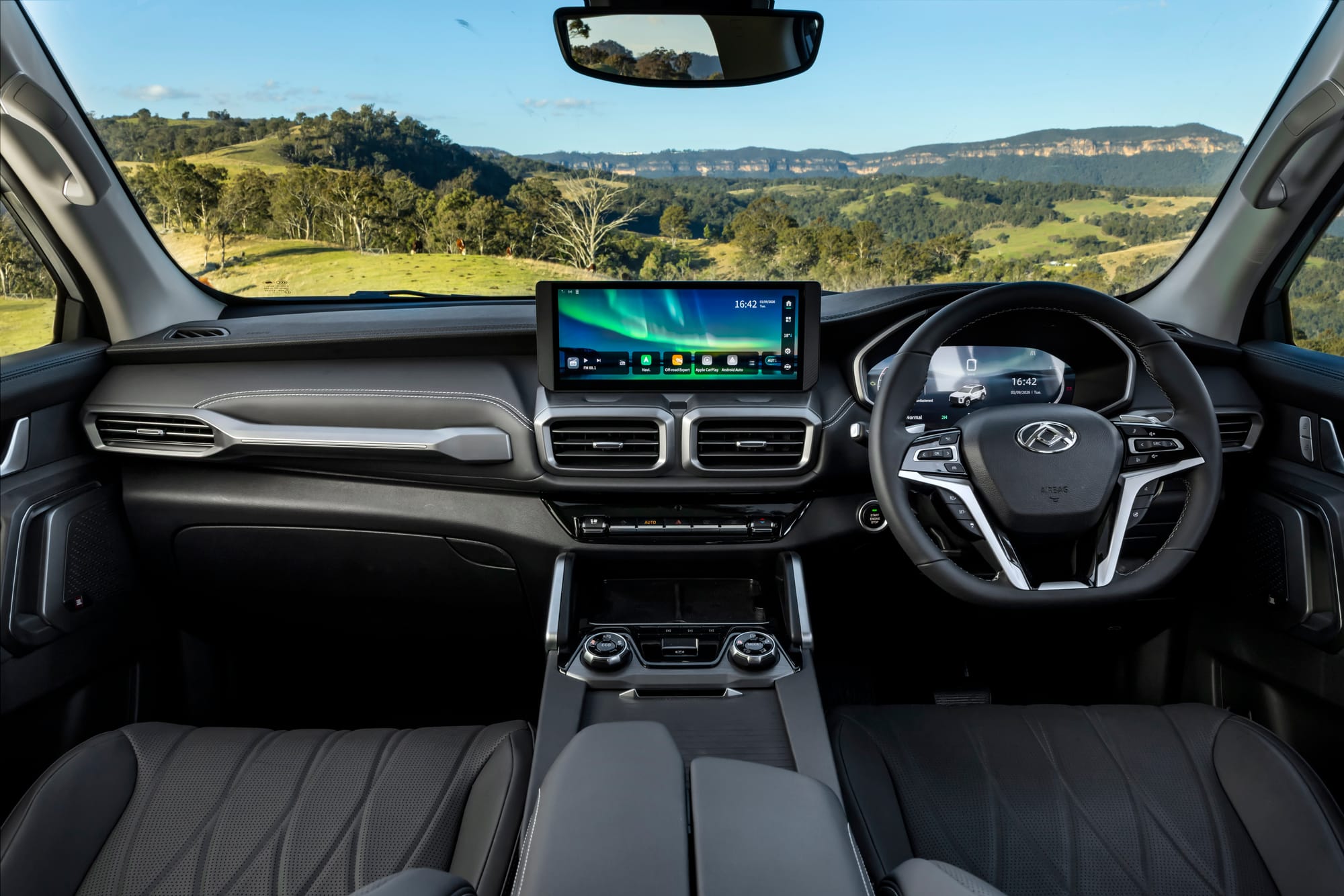
Safety and driver assistance equipment includes six airbags, adaptive cruise control, lane-keeping assistance, lane-changing assistance, lane departure warning, rear cross-traffic alert, blind spot warning, and traffic sign recognition, as well as stability control, hill hold assist, and hill descent control for off-road use round out the package.
On top of this, the D90 Executive adds a sunroof, power tailgate, dual wireless smartphone chargers, heated steering wheel, ambient lighting, auto-dimming rear-view mirror, height and reach adjustable steering column, plus a power-adjustable driver’s seat (eight-way, with four-way lumbar). D90 4x4s also get a rear differential lock.
At the top of the range, the D90 Luxe gets 20-inch alloy wheels, front and rear differential locks, a panoramic sunroof, front seats with heating, ventilation and massaging functions, a power tailgate with kick sensor, JBL premium audio, and a 360-degree camera.