
Nissan GT-R parts remade with pineapple
A new initiative of Nissan and Food Reborn has seen the GT-R’s bonnet be remade from pineapple leaves, with plans to use the fruit in future vehicles.

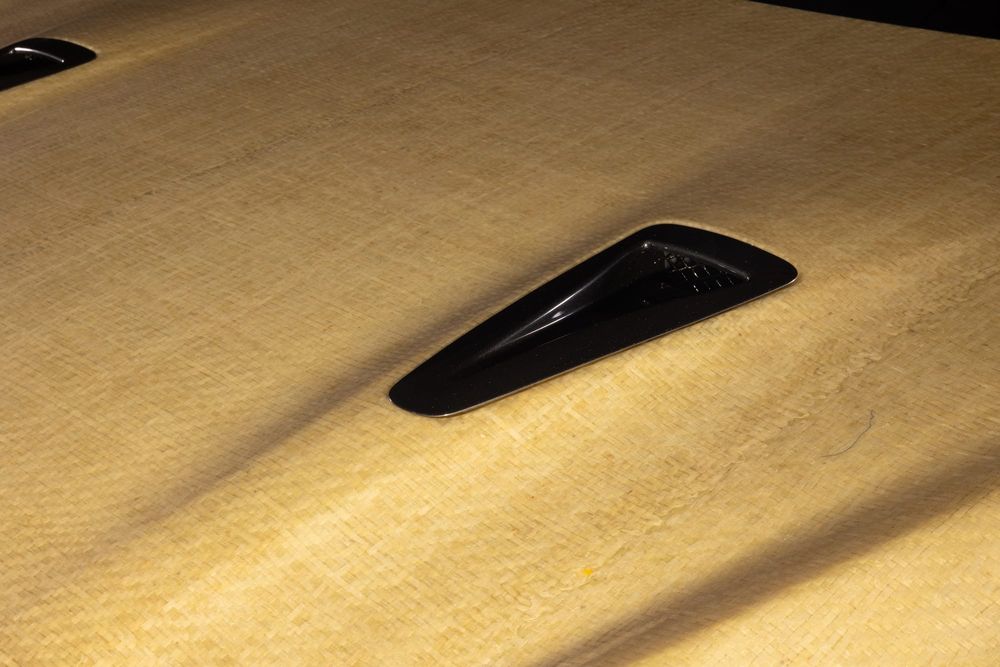
Even though production of the R35 Nissan GT-R wrapped up last year, the Japanese brand is still looking to reduce its overall environmental footprint, and it’s leaned on the performance flagship to showcase new technology.
As a part of its Green Program 2030, Nissan wants to pursue the use of more sustainable materials rather than natural resources, especially for niche operations like supplying race car parts.
Teaming up with Food Reborn, the Japanese carmaker has unveiled a solution of kinds, turning to pineapple leaves as the base of a new natural fibre-reinforced plastic material.
Used to create a new bonnet for the R35 GT-R, Nissan’s revised product allows cars in racing categories which require sustainable natural fibre-reinforced plastics in modified body panels to rely on the pineapple-based material.
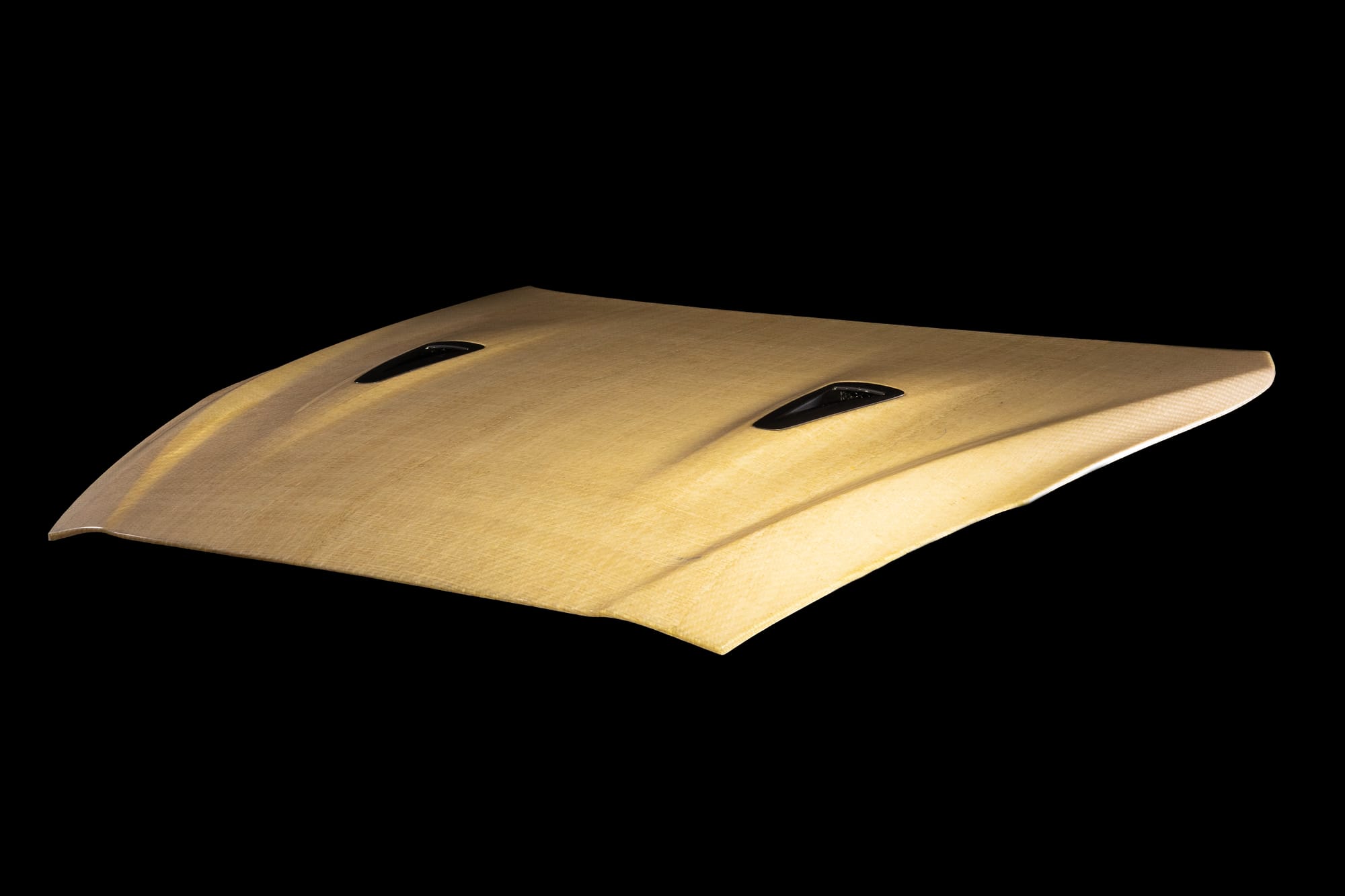
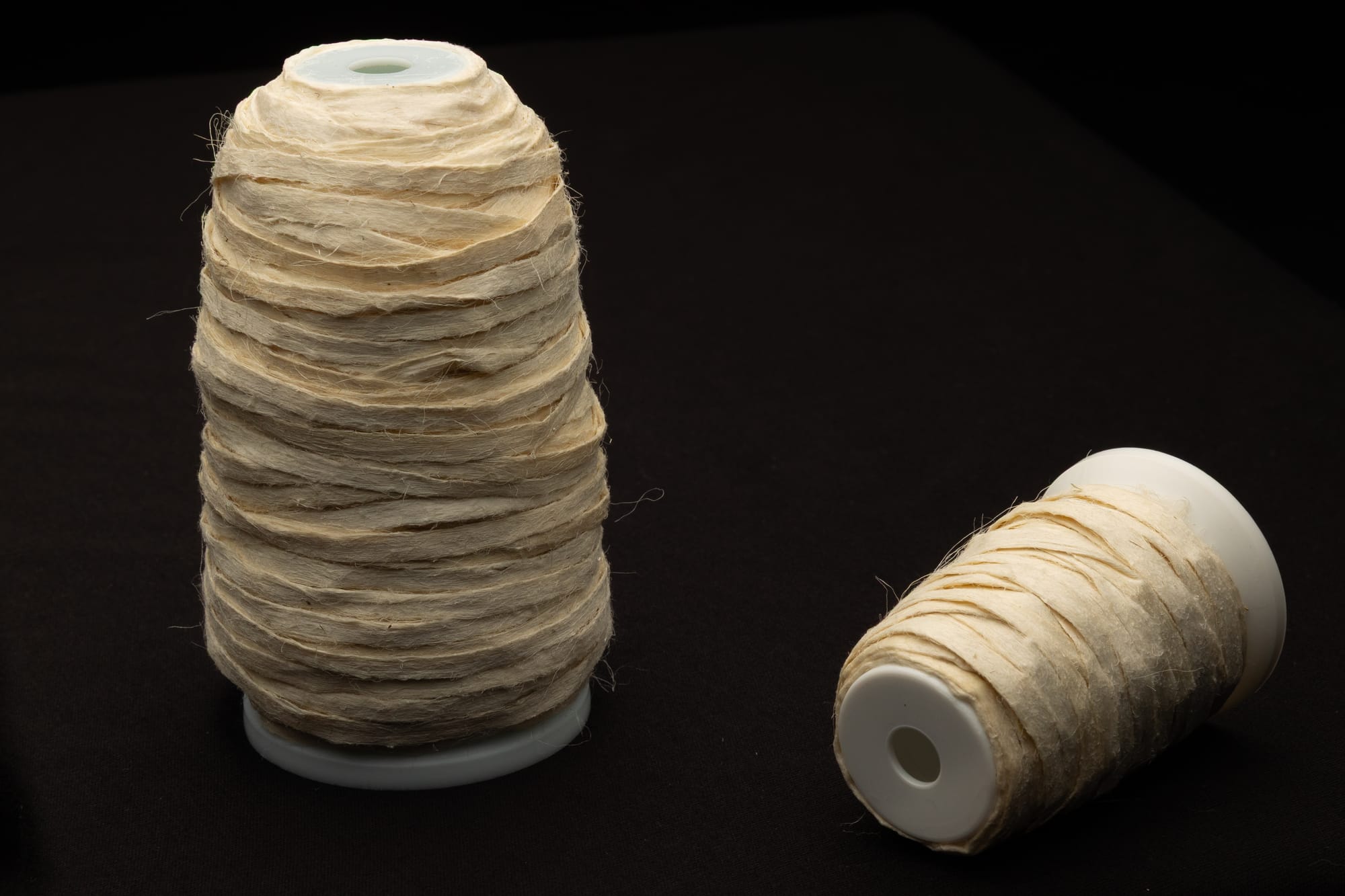
According to Nissan, its collaboration with Food Reburn has also led to the world’s first process which turns pineapple leaf fibres into a flat yarn which is then weaved into fabric, creating a reinforced composite material.
“We have developed a new fibre-reinforced composite material that utilises pineapple leaves; a byproduct usually unutilised and discarded,” said Nissan’s corporate executive responsible for Technology Development, Tatsuzo Tomita.
“This sustainable and composite material also delivers the high level of performance required for demanding environments such as motorsports. This exemplifies Nissan’s strength as an automaker, especially in the ability to go beyond simply developing technologies and materials.
“We have the ability to bring them to life in our vehicles and ultimately deliver value to customers. We will continue to contribute to creating new values and realising a sustainable society through technological innovation.”
Last year, BMW announced it too was moving towards more environmentally friendly materials, developing natural fibre composites which have now been deemed suitable for production.
At the time, BMW said that using natural rather than carbon fibre composites in its next-generation models could lead to a CO₂e-reduction of about 40 per cent, encompassing production and the end of the material’s life.