
Australian state doubles fines for loud vehicles in environmental crackdown
Motorists can now be fined up to $1200 on the spot for having a vehicle that's too loud.

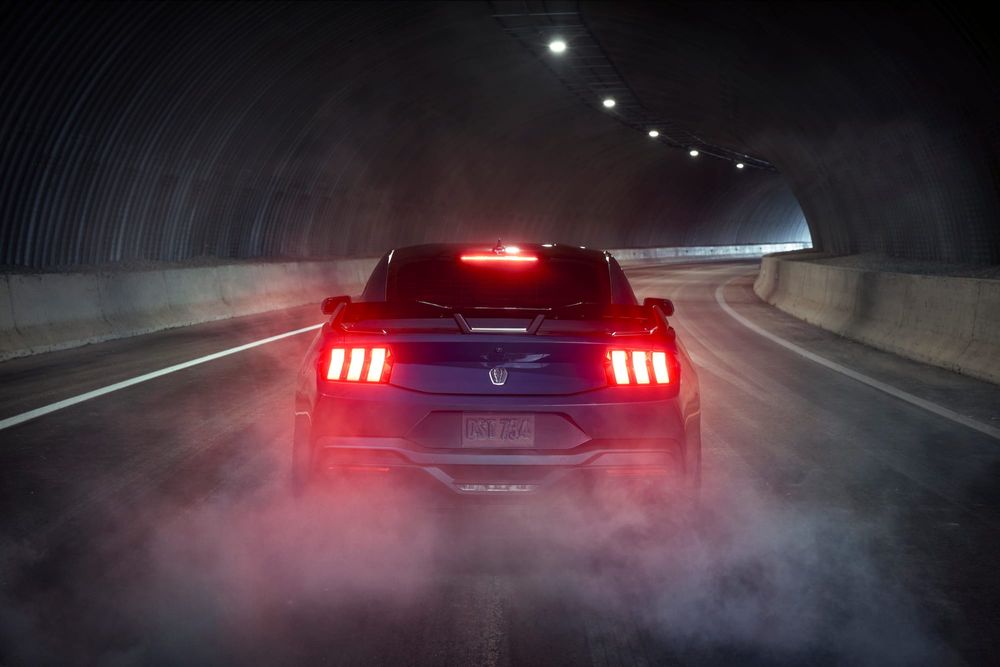
The peak environmental authority in New South Wales has implemented its new Noise Control Regulations, aiming to cut neighbourhood sound levels, while issuing harsher punishments for those who break the rules.
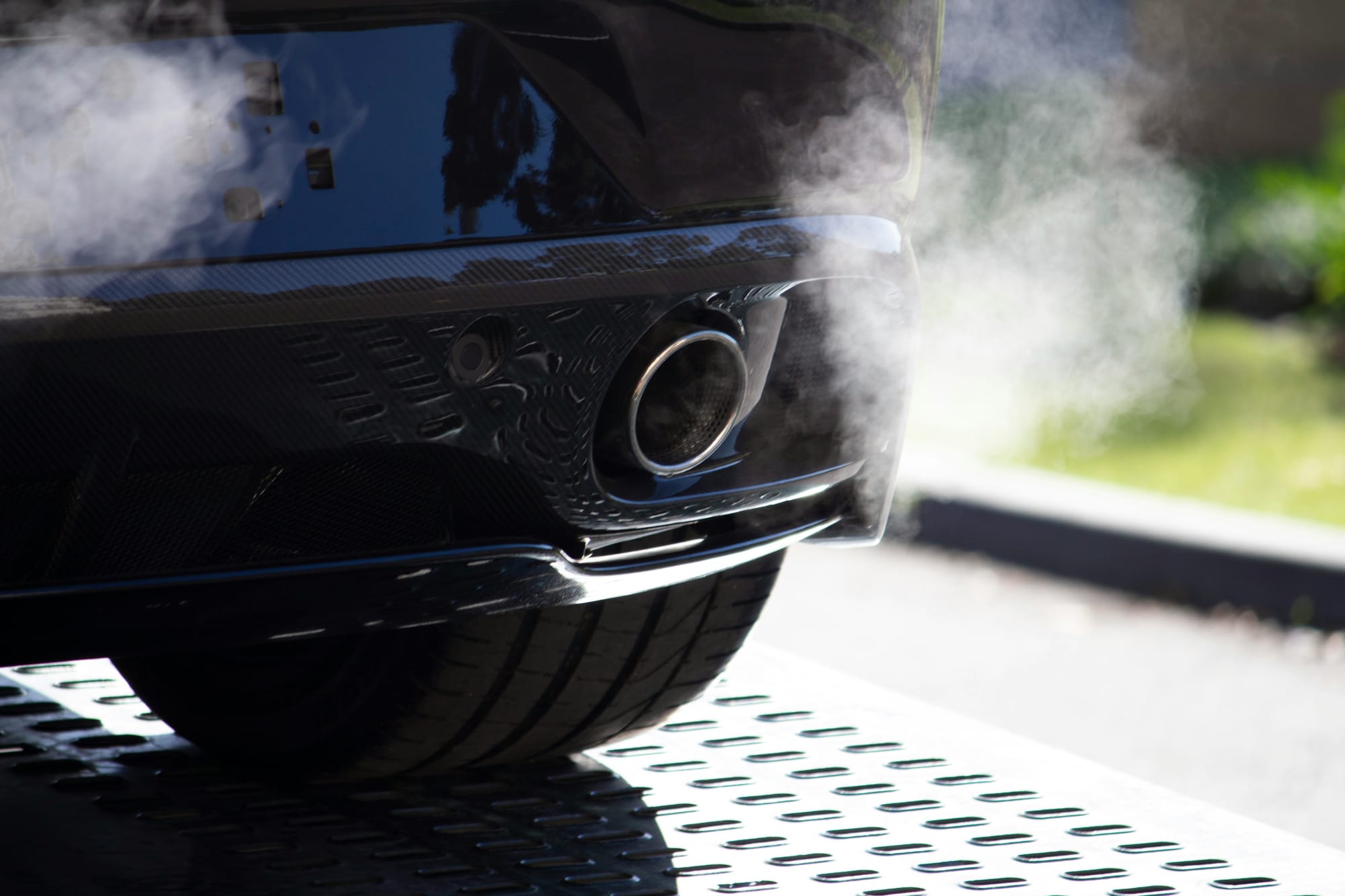
Now in place, the NSW Environmental Protection Authority (NSW EPA) has announced it has increased penalties within the state for noise offences, including doubling on-the-spot fines for noisy vehicles, rising from $600 to $1200 in the case of the latter.
Other vehicle-related changes include making the “owners or occupiers of private property liable for off-road motor vehicle noise”, getting rid of what was once a grey area in the regulations.
“We know the impact that offensive or disruptive noise can have on people – that’s why it’s important that neighbourhood noise standards are meeting community expectations,” said EPA executive director of policy programs and finance, Asela Atapattu.
“As part of a statutory review, we have made commonsense changes to the Regulation that reflect the latest developments in technology and people’s lifestyles.
“We have increased fines for most noise offences by a third, and we have doubled on-the-spot fines for noise from motor vehicles, which was a key concern raised in the consultation.”
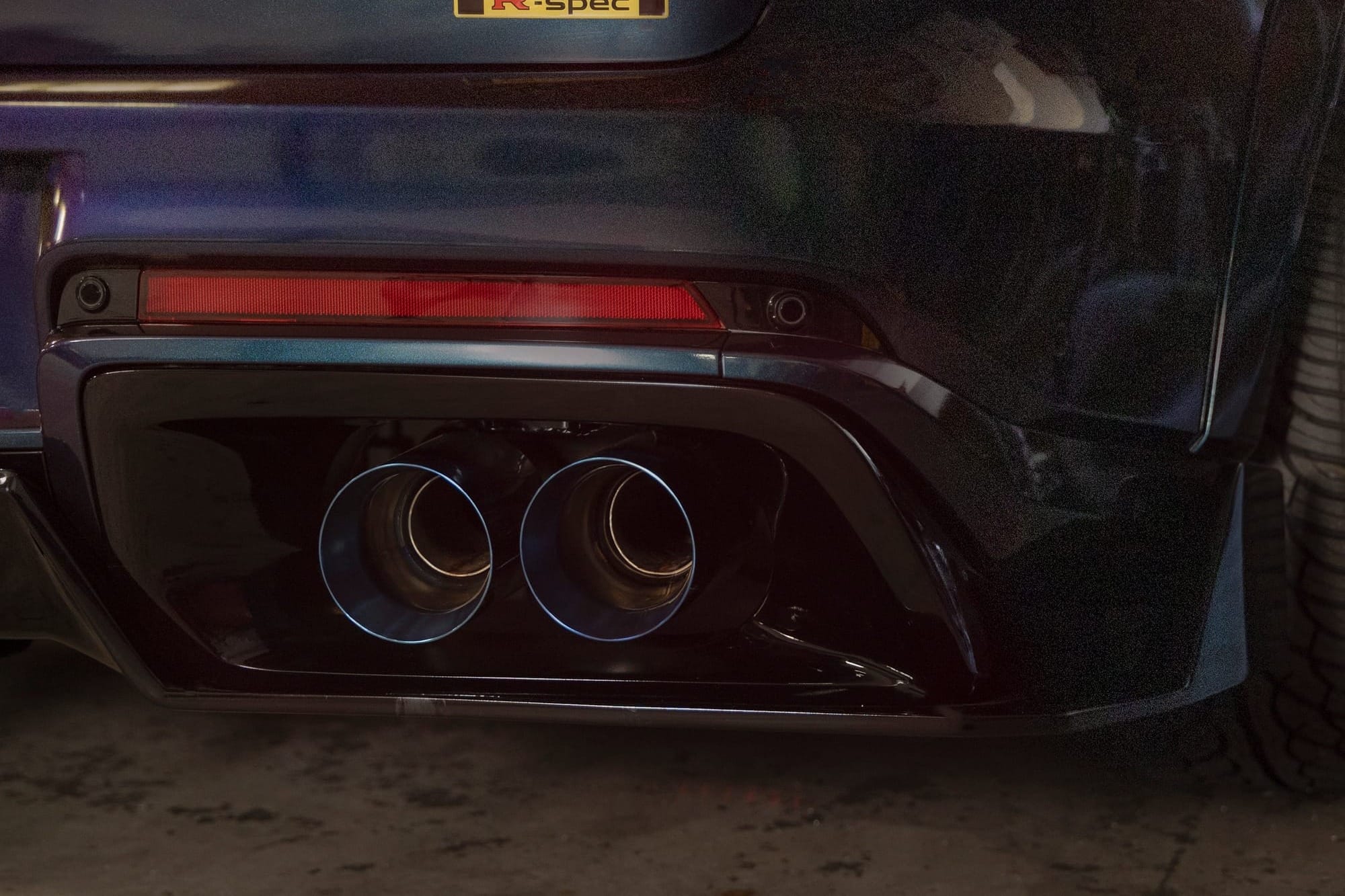
According to Australian Design Rule (ADR) 83/00, cars built after 1982 have a maximum stationary noise level is 90 decibels, rising to 96 decibels for cars built before 1983.
Bikes built after February 1985 must not exceed 94 decibels, while those before this time have a higher limit of 100 decibels.
While vehicle exhausts will be more heavily punished, the changed regulations provide an exemption from noise requirements to child presence detection alarms in cars.
In addition to the vehicular changes to the regulations, other tweaks include exempting air conditioners from restrictive hours of use rules during heatwaves, extending the permitted hours of use for residential pumps and air conditioners, and increasing the timeframes for regulators to issue warnings and penalties.