
Volkswagen claims efficiency record with one-off EV
The Volkswagen Mission Efficiency is being billed as the most efficient electric vehicle in the world, using parts from cars already on sale.

Just over a decade ago, Volkswagen’s diesel vehicles were among the most efficient on sale, though its image suffered massively in the wake of the Dieselgate scandal.
With its focus now more on EVs, the German car giant is looking at how to once again become the king of efficiency with electric motors, and it’s taken one big step forward with a new near-production vehicle.
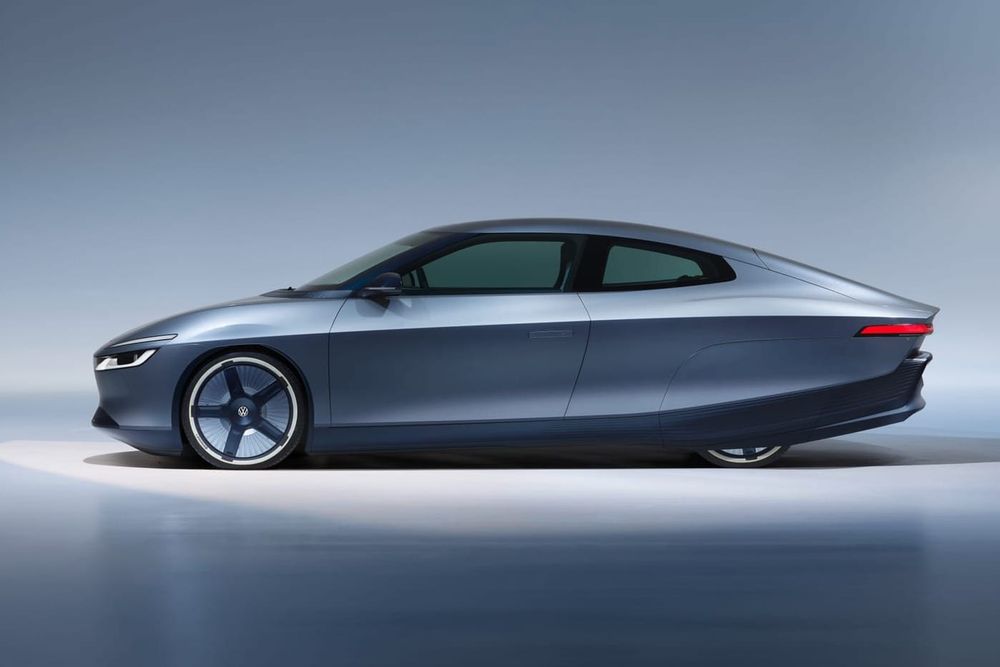
The Mission Efficiency has been revealed as a vehicle based on ID. Polo parts, but with a bespoke body that Volkswagen claims has made it “the world's most efficient near-production electric car”, setting three world records already.
Powered by the 99kW electric motor and 54.9kWh battery from the ID. Polo, Volkswagen was able to drive the Mission Efficiency 1278.36 km from its German Development Centre in Wolfsburg via Poznań (Poland) and Olmütz (Czech Republic) to the Austrian capital Vienna, where it arrived with 164km of range remaining.
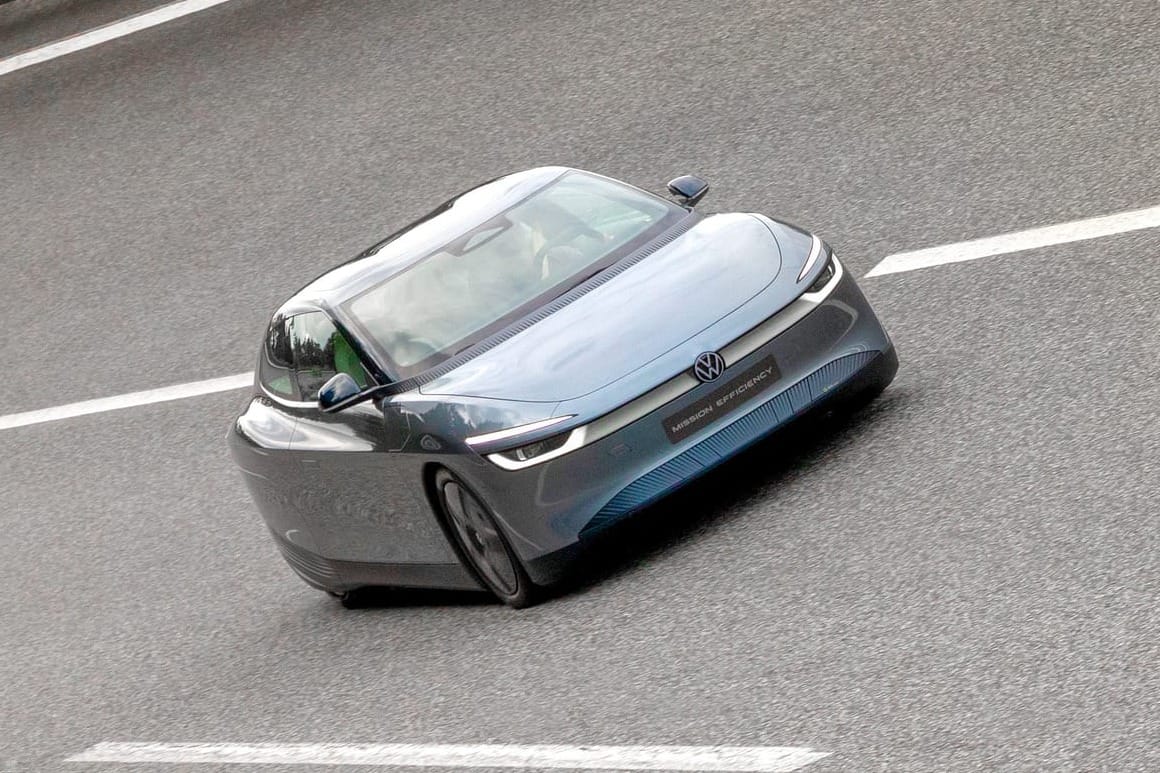
Across the journey, the Mission Efficiency reportedly “achieved real consumption of 7.51 kWh/100 km including charging losses (6.89 kWh/100 km without charging losses)” at an average speed of 67.72km/h, while reaching a top speed of 138km/h.
That average consumption figure of 6.89kWh/100km is enough for Volkswagen to claim the record – issued by the Record Institute for Germany (RID) – for the most economical electric car in its class (categorised as a near-production four-seater electric vehicle suitable for everyday use).
The result was achieved through the Mission Efficiency also breaking the record for the lowest drag coefficient for all road-approved cars, with a Cd value of 0.158.
Measuring 4775mm long and 1392mm tall, the Mission Efficiency still features four seats and a total of 481 litres of storage capacity, though Volkswagen says rear occupants above 1.6m tall won’t be comfortable given its teardrop design.
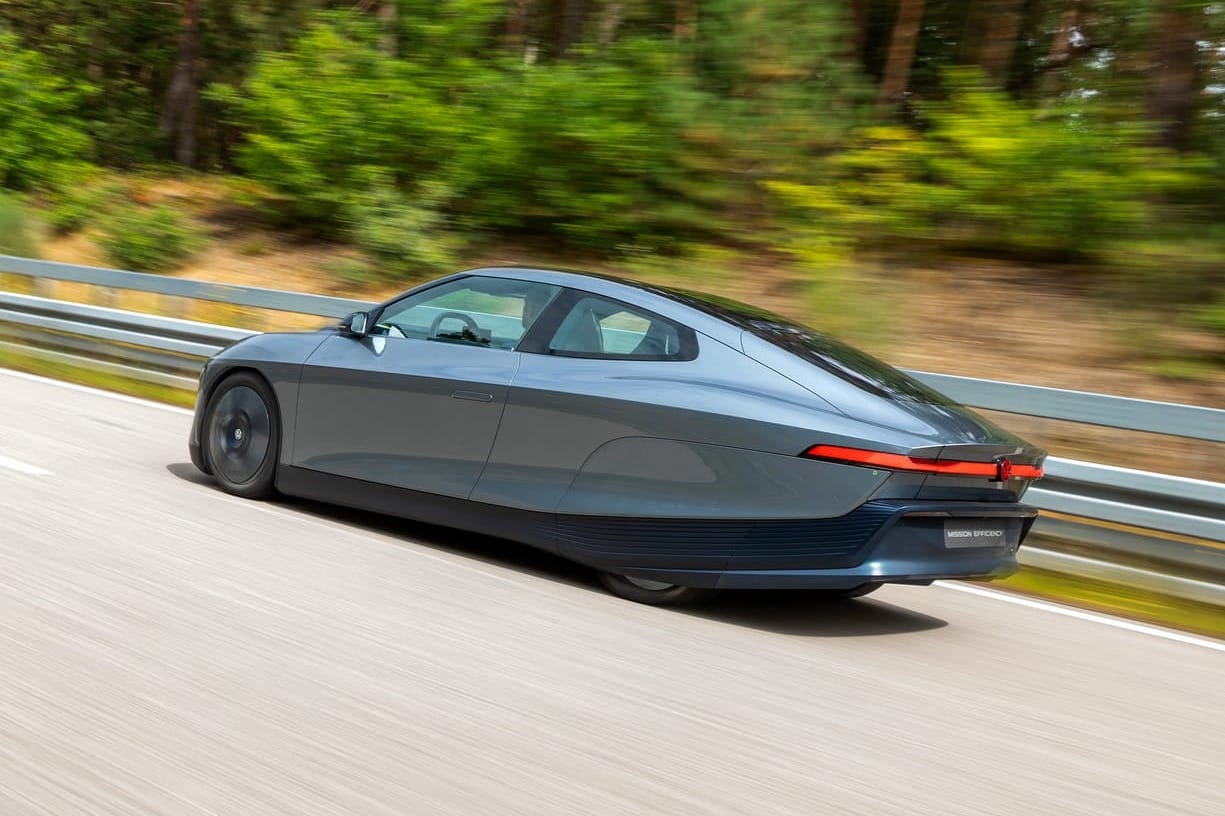
Key to its achievements are its body – made of a high-strength carbon fibre-reinforced polymer (CFRP) and aramid composite – and a lightweight aluminium chassis structure, aimed at keeping the kilos down.
To further reduce weight and other losses, the Mission Efficiency features an electromechanical brake at the rear, meaning it doesn’t require additional brake lines and fluid, currently in a prototype state.
Even the inside of the wheels were given extra attention, with Volkswagen fitting new and patented rim deflectors to stop air from entering the wheels and causing additional turbulence.
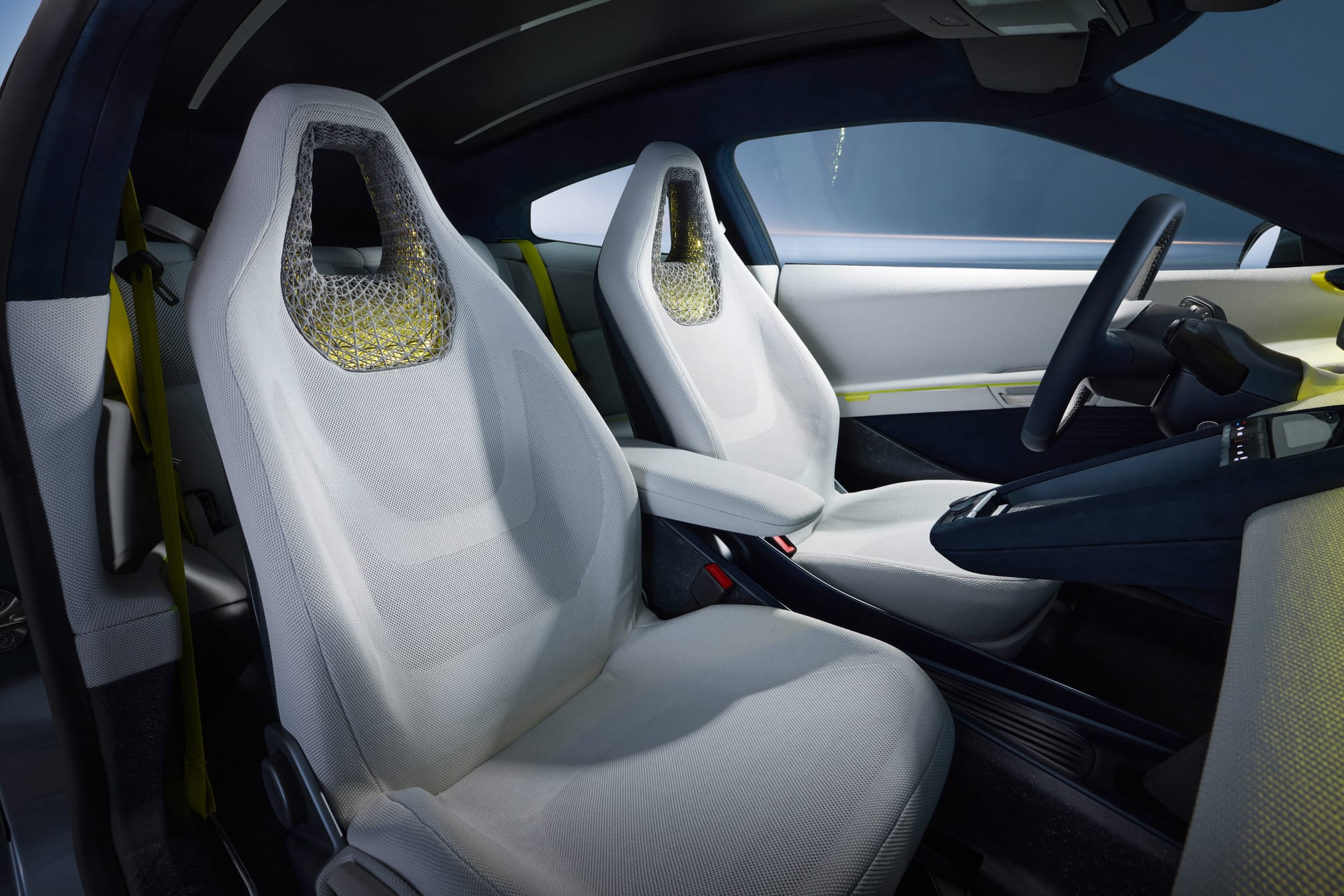
While Australia is accustomed to solar-powered cars as a part of the annual solar challenge race held in the outback, the Mission Efficiency features a photovoltaic system with a power output of 370W, integrated into the glass roof and boot lid.
This system supplies power to the on-board systems – rather than topping up the battery – to provide as much as 30km of additional range per day.
At this stage, Volkswagen says this is just a concept car, though learnings from the prototype will almost certainly find their way into a production vehicle at some stage.