
Driver assistance tech can save lives, but most Australian motorists are turning it off
Advanced driver assistance systems are designed to reduce the risk or severity of crashes, but an Australian study has shown the majority of users are switching off the tech.

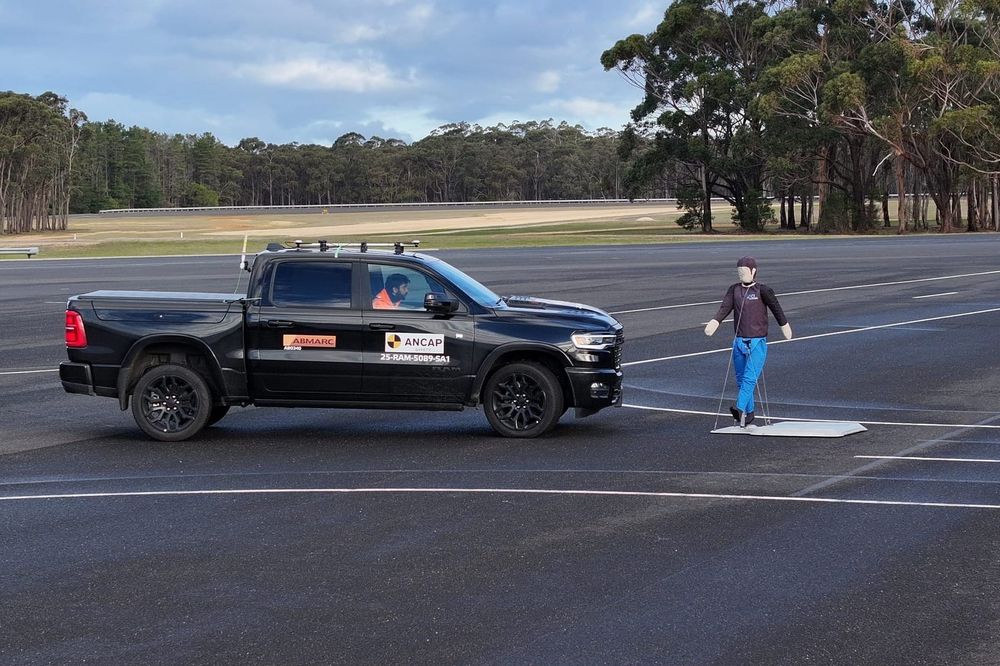
An Australian study has for the first time detailed how effective advanced driver assistance systems (ADAS) can be to reduce the road toll and casualties from motoring incidents – provided the technology is being kept on.
Commissioned by insurance giant IAG and using data from the Queensland University of Technology (QUT) and the iMOVE Cooperative Research Centre, the study has found that if local motorists trusted ADAS tech more, there could be a 20 per cent reduction in crashes.
QUT supplied crash data analysis of 100,000 vehicle collisions, as well as a national survey of 2000 drivers of ADAS-enabled vehicles, plus additional field research which observed 50 participant drivers using six ADAS safety features.
"The crash data analysis undertaken by QUT looked at 100,000 vehicle collisions on Australian roads and found every single driver-assist system significantly reduces the crash type it's designed to prevent – with the largest reductions observed in sideswipes (up to 40 per cent), head-on collisions (up to 21 per cent) and lane change accidents (up to 15 per cent),” said IAG Research Centre head, Shawn Ticehurst.
However, IAG noted that while the systems are effective, the majority of Australian motorists are turning the tech off, with up to 60 per cent of motorists switching off at least one ADAS function.
“60 percent of Australian drivers tell us they are actively turning off driver-assist safety features in their cars, and we know the majority that do use the technology are learning through a process of trial and error alone,” Ticehurst added.
"By finding out what’s stopping Australian drivers from embracing driver-assist safety features and what might encourage a shift in attitudes and behaviour, we've identified key barriers and knowledge gaps that need to urgently be addressed.”

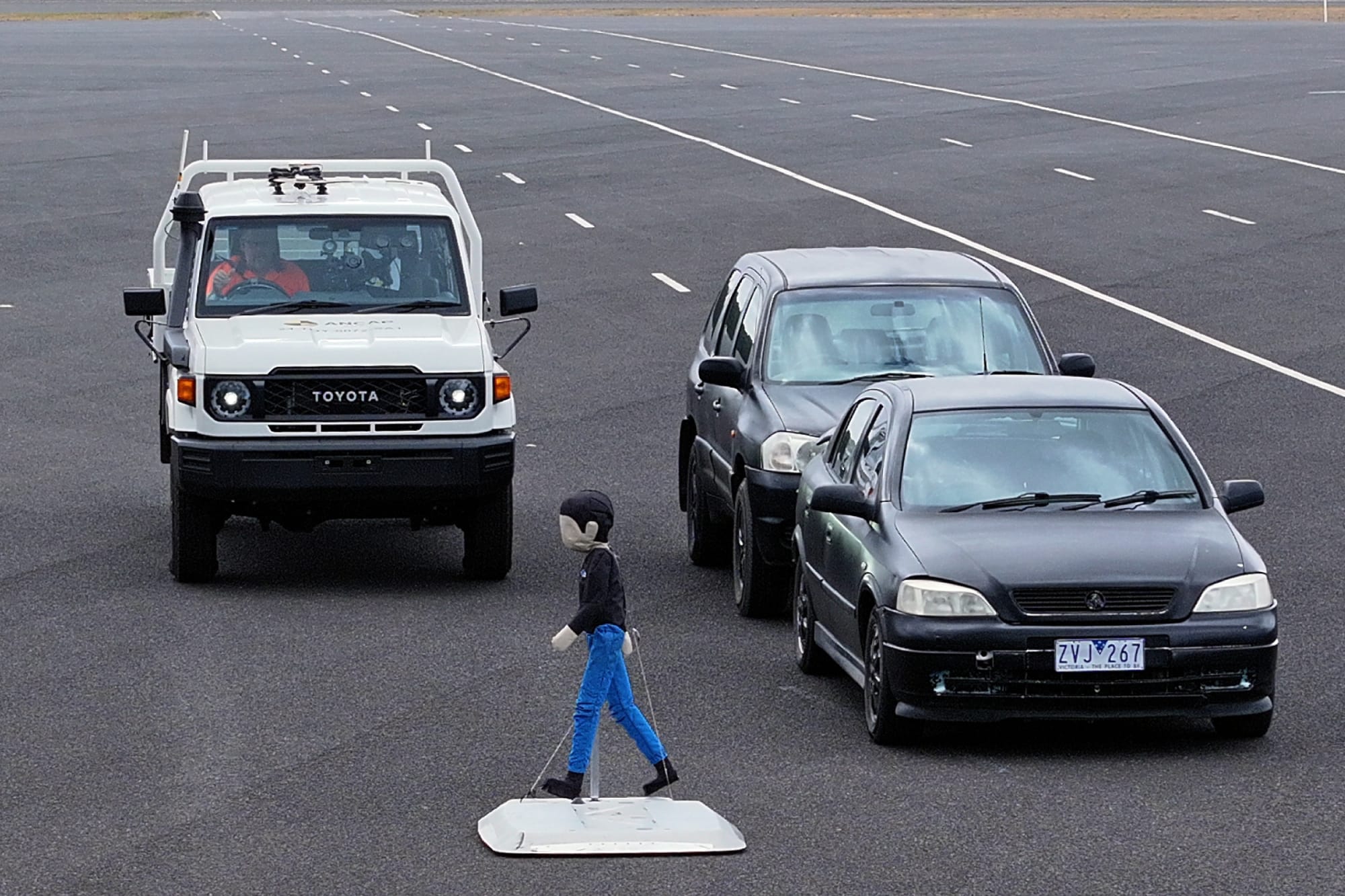
Presently, car-to-car autonomous emergency braking (AEB) is mandated in every passenger vehicle sold in Australia, while performance requirements for car-to-pedestrian AEB were brought in this month.
Lane-keep assist is set to be mandated for all new cars in Australia from March 2029, though it is already in the bulk of vehicles on sale.
QUT’s controlled field research included front and rear AEB, lane-keep assist, as well as blind-spot monitoring, and rear cross-traffic alert.
“Lane Keeping Assist (LKA) has the potential to deliver significant safety benefits, potentially preventing 40 per cent of sideswipe collisions, but we found it also generated the most negative feedback from our field-study participants who consistently found it frustrating, annoying, and the most likely to be actively switched off,” Ticehurst said.

He added the study found 72 per cent of Australian drivers in ADAS-enabled vehicles said they could benefit from additional information and/or instruction on how the technology increases safety.
“Collaboration between vehicle manufacturers, governments, driver educators and motorists will be critical to increasing the ongoing use of ADAS technologies and unlocking their full potential to reduce collisions and ultimately, to save lives on Australian roads.”
In total, IAG’s analysis shows that of Australia’s 40,000 annual road casualties – which are defined by hospital admissions and fatalities – full and proper ADAS use could potentially prevent 7850 casualties a year.
“In a modernising vehicle fleet with driver-assist safety features as standard, we would expect to see a positive correlation in reduced accident and casualty rates – but that's not happening and it needs to change if we want to see fewer accidents,” Ticehurst concluded.