
4x4 brand moving production to the US as Chinese giant looks to buy its factory
Ineos is selling the plant where it makes the Grenadier 4x4 to BYD, coinciding with its own move to the US.

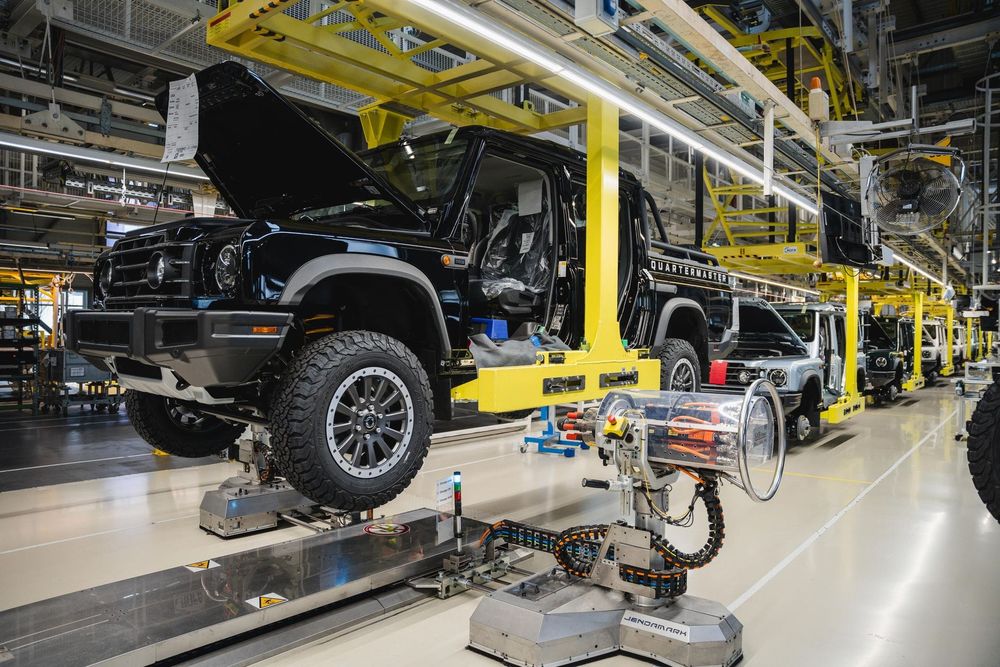
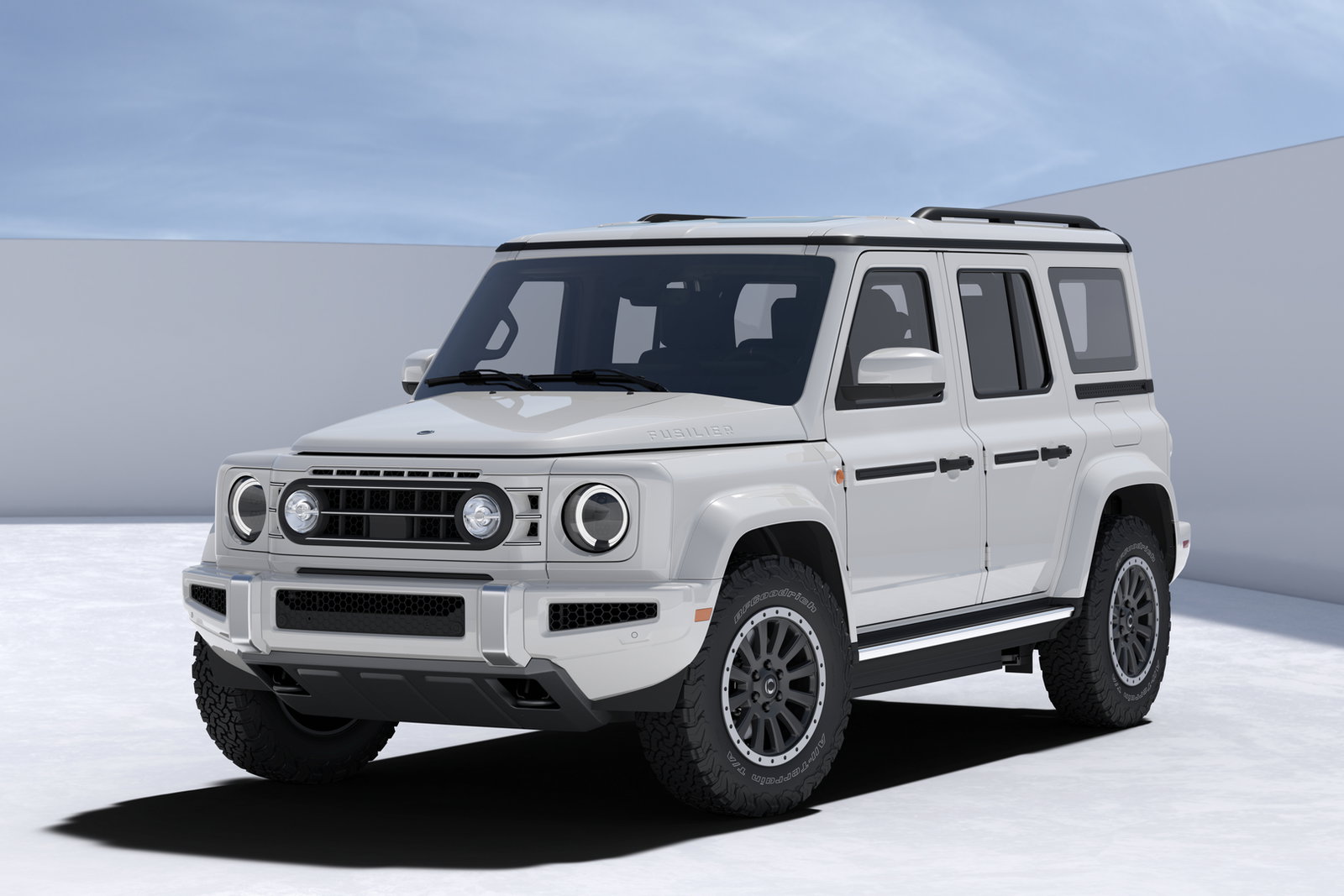
Land Rover Defender-inspired 4x4s from Ineos will soon be built in the US, after the British based brand announced it’s leaving its production facility in France.
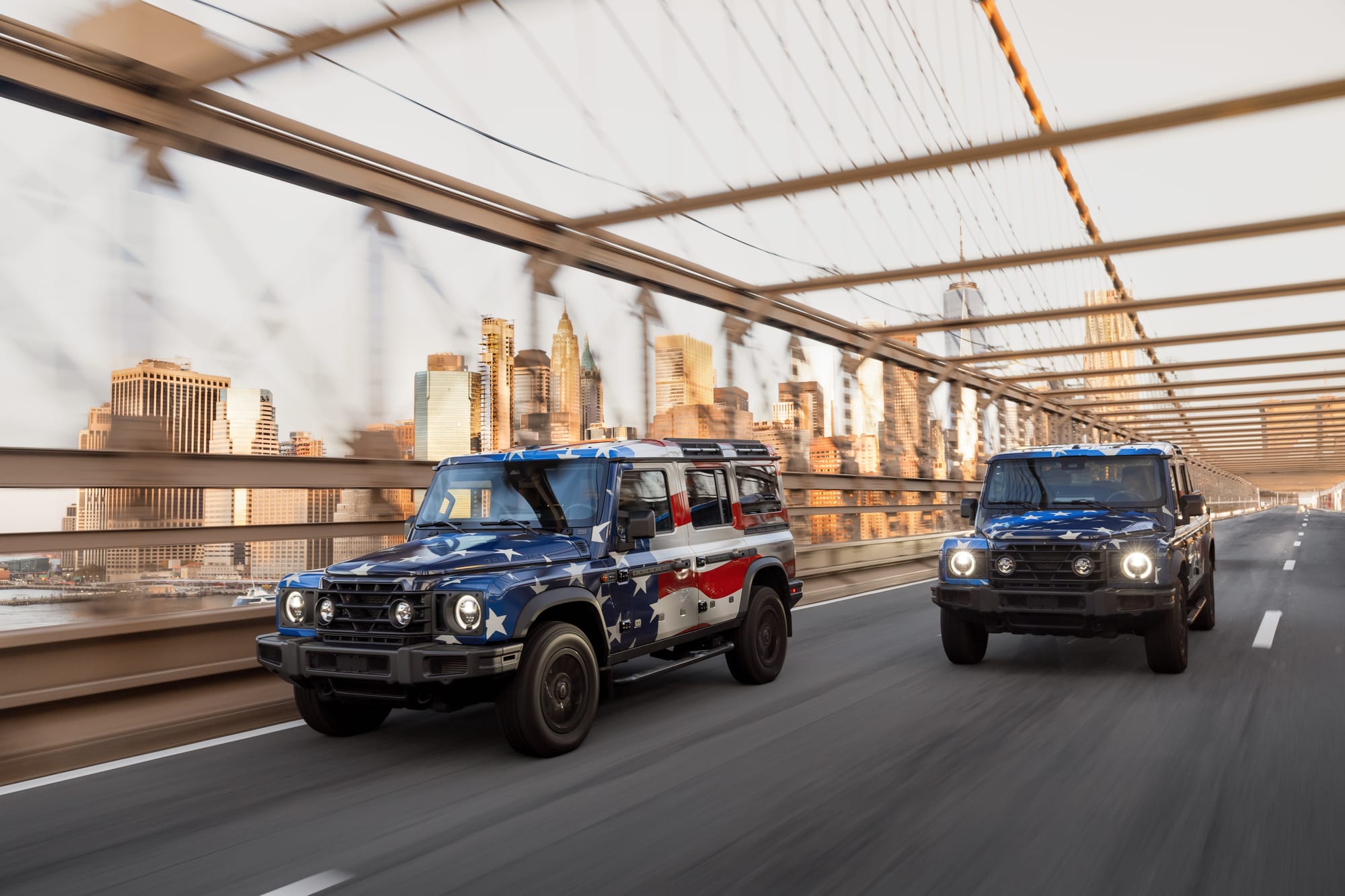
From 2028, Ineos plans to build the Grenadier SUV and its Grenadier Quartermaster pickup sibling in the US at a new to-be-determined facility, allowing the vehicles to be produced in the country where most of its buyers are.
At present, approximately 70 per cent of all Ineos vehicle sales are made in the US, last year making more than 9700 deliveries in the market.
However, this has left the brand vulnerable to changing market conditions, including the imposition of a 25 per cent tariff on vehicles imported to the US from Europe, put in place by President Donald Trump earlier this year.
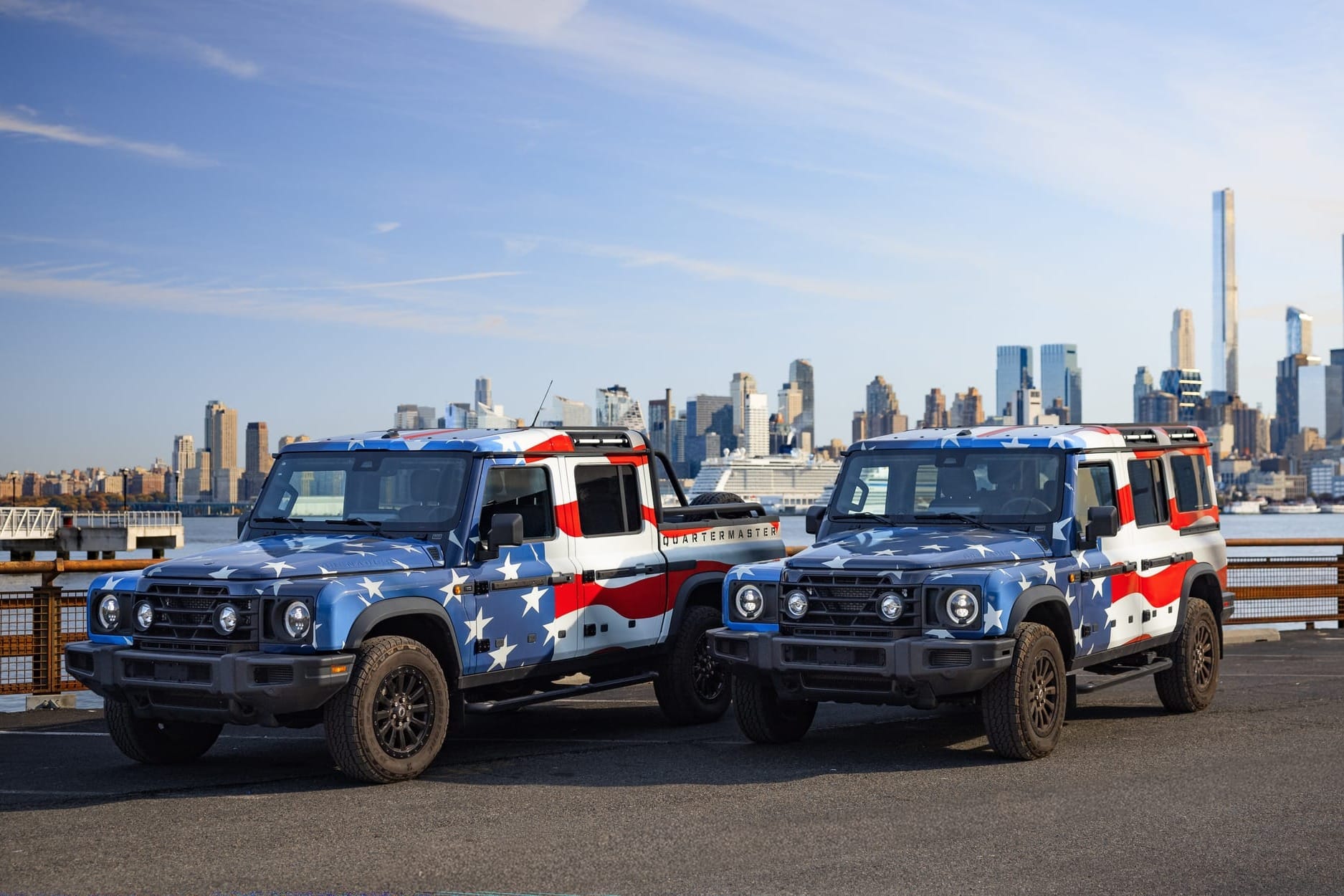
By moving production to the US, Ineos will be able to bypass the tariffs, while theoretically being less impacted by the new costs of exporting to other markets.
“This is arguably the biggest moment in the history of INEOS Automotive,” said Ineos Automotive CEO, Lynn Calder.
“Americans have already taken the Grenadier to their hearts, and US policies have created an incredibly attractive, pro-growth business environment. Setting up production there makes so much sense. It will empower us to invest, expand, and reach even more customers around the world.”
In March 2025, Calder called out European lawmakers for their perceived inaction against the Trump Administration’s then-impending tariffs.
“This is what happens when politicians sit on their hands,” Calder said.
“As a growing EU-based automobile brand, we are vulnerable to tariffs, and we need our politicians to support our business. We need EU politicians to resolve this urgently. The situation will only get worse without urgent and direct political intervention on tariffs.
“We will give whatever support we can to our political leaders to keep the playing field even for small, competitive brands such as Grenadier. But we must see action from EU politicians: only they are in a position to address the issue.
“Fortunately, we have been planning for tariffs but there is only so much we can do to protect US customers from price rises.”
Last month, Audi announced it was investing US$4 billion (AU$5.7 billion) to construct and operate its first US car factory, slated to open in the early 2030s and produce approximately 200,000 vehicles at its peak.
 Jordan Mulach
At the time, Audi said that tariffs on cars and related parts have cost it approximately US$1.4 billion (AU$2 billion) in the past year, making its North American business unprofitable for now.
In addition to announcing its US production move, Ineos said it is currently in “exclusive negotiations” with BYD to potentially sell its current Grenadier production facility in Hambach, France to the Chinese carmaker.
“Should these discussions conclude successfully, the Grenadier and the Quartermaster would continue to be produced at Hambach for the medium term,” Ineos said.
Like Ineos, BYD’s keen interest in moving production to Europe is related to circumventing tariffs, as it is currently hit by a 27 per cent import duty on its electric vehicles.
"Our proposed investment in Hambach reflects our confidence in France and our ambition to keep growing in Europe," BYD Executive Vice President Stella Li said in a statement to Reuters.