
Ram, Dodge, Jeep parent prepares performance onslaught
About 10 new models wearing the SRT badge will grace Ram, Dodge, and Jeep showrooms by 2030. Here’s what to expect.


Stellantis, the conglomerate with more than a dozen car brands to its name, is making some changes globally, but the most exciting ones for enthusiasts are happening in North America.
At last week’s 2026 investor day, Stellantis announced it is going heavy on performance vehicles by 2030, and it’s leaning on its recently reborn Street and Racing Technology (SRT) division to deliver.
Resurrected last year after the departure of Euro-centric Stellantis CEO Carlos Tavares, replaced by Antonio Filosa, the SRT division was once where all the hot Chrysler, Dodge, Jeep and Ram vehicles were churned out of, and now is no different.
By 2030, Stellantis’ North American brands will offer 10 SRT variants across the model lineup, and the rollout has already started.

In January, Ram brought back the 1500 TRX, now as the 1500 TRX SRT, reviving the supercharged 6.2-litre Hellcat V8 in the popular pickup.
Just last week it also added the Ram 1500 Rumble Bee SRT to its lineup, powered by the same engine but with a focus on road handling rather than off-road dominance.
Ram has already confirmed it’s relaunching the Dakota nameplate in the US in 2028, taking on the likes of the Toyota Tacoma and Ford Ranger. An SRT version of the mid-size pickup will do battle with the Tacoma TRD Pro and Ranger Raptor, respectively.
Despite being a pickup and commercial vehicle specialist, Ram is also developing an SUV, set to be called the Ramcharger, likely based on the underpinnings of the Jeep Grand Cherokee.

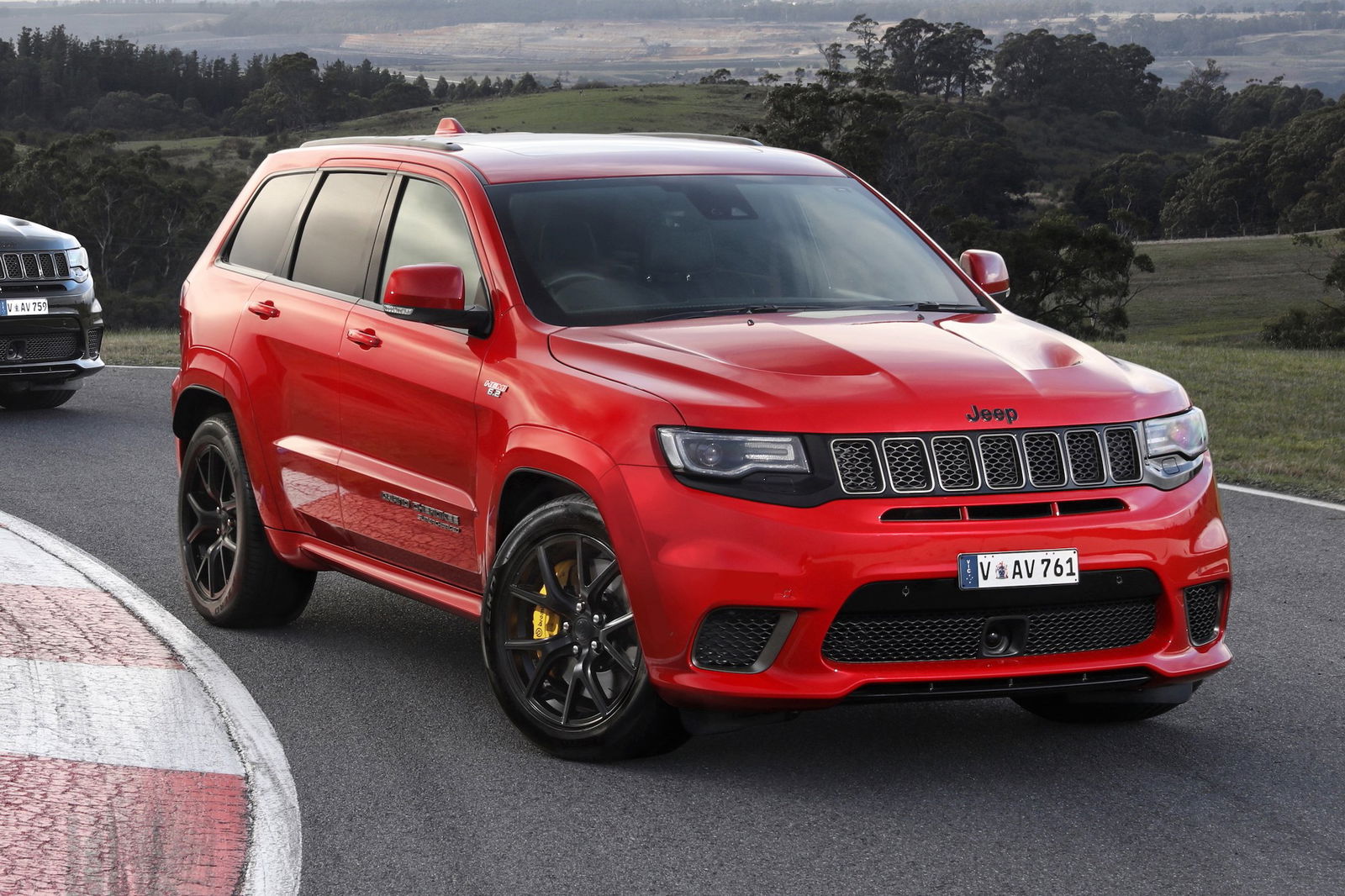
The Grand Cherokee too is another vehicle set for the SRT treatment, having previously been a popular offering in the previous-generation SUV - with both 6.4-litre and supercharged 6.2-litre V8 power - though so far absent since the ‘WL’ model debuted in 2021.
As a step larger, the Jeep Grand Wagoneer - based on the Ram 1500’s underpinnings - will also get an SRT upgrade, likely mirroring the pickup it shares its underpinnings with.
Perhaps the most exciting upcoming Jeep SRT product will be the Wrangler Scrambler, with US media reporting it’ll be a two-door pickup based on the Wrangler SUV, featuring a removable roof and a V8 engine, as well as independent suspension at the front and rear.
Finally Dodge will bring up the rear with an SRT version of every product it sells, as well as a new dedicated model to the performance brand.
As long expected, the Dodge Charger SRT will return, almost certainly heralding the resurrection of the V8 in the nameplate.
Specialist publication MoparInsiders in March reported word from sources within Dodge that a new Charger Hellcat has been green-lit for development, potentially launching in 2027 as a 2028 model year vehicle.
Given the SRT focus, it may no longer use the Hellcat moniker, but is expected to not feature the all-electric or twin-turbo 3.0-litre straight-six powertrains currently powering the Charger.
Supercharged V8 muscle car icon closer to return
The Durango SUV has never stopped being available as an SRT Hellcat, despite its siblings falling by the wayside in recent years.
Dodge will also break tradition by launching a model now only known as the ‘GLH’, a performance hatchback likely pulling its underpinnings from some of the Stellantis European lineup.
Finally, as reported this week, the hero of the Dodge lineup will be the Copperhead SRT, a successor to the Dodge Viper, reportedly utilising the core of the Charger but with upgrades to place it closer to the league of the Ford Mustang GTD.