What is PPF? The Complete Guide to Paint Protection Film
Paint Protection Film (PPF) is one of the best ways to protect your vehicle from stone chips, scratches and everyday road damage. Here's how it works and whether it's worth it.

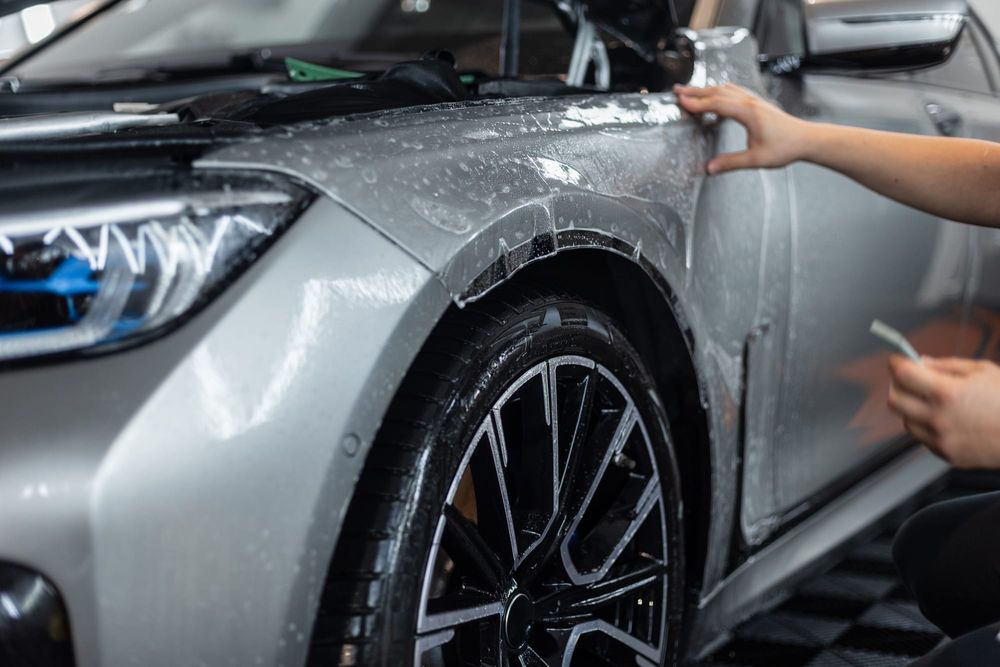
Paint Protection Film (PPF) has become one of the most popular ways to protect a vehicle's paint. Once reserved for exotic and luxury cars, it's now commonly fitted to everything from family SUVs and dual-cab utes to performance cars and EVs.
Designed to shield paintwork from stone chips, scratches and everyday road damage, PPF is available in clear, matte and coloured finishes, giving owners the choice of preserving or completely changing their vehicle's appearance.
Here's everything you need to know.
What is PPF?
Paint Protection Film (PPF) is a transparent thermoplastic polyurethane (TPU) film applied over a vehicle's painted surfaces. It acts as a sacrificial layer, absorbing impacts and helping protect the paint underneath from damage.
Modern PPF is optically clear, highly flexible and virtually invisible once professionally installed. Many premium products also feature self-healing technology, allowing fine surface marks in the film to disappear when exposed to heat.
What does PPF protect against?
PPF is designed to reduce damage caused by everyday driving. It helps protect against:
- Stone chips
- Light scratches
- Road debris
- Bug splatter
- Bird droppings
- Tree sap
- UV exposure
- Minor scuffs
While no film is indestructible, replacing damaged PPF is often far easier and less expensive than repairing paint.
Why has PPF become so popular?
Modern vehicle paint is more expensive than ever to repair, particularly on cars with complex metallic, pearl or matte finishes.
For many owners, PPF is an investment in preserving the factory paint, maintaining resale value and avoiding costly cosmetic repairs. It's particularly popular on new vehicles, enthusiast cars and vehicles that spend plenty of time on highways or gravel roads.
Clear Gloss PPF
Clear gloss PPF is the most common option.
Designed to be almost invisible, it protects the paint without changing the vehicle's appearance. Once installed, it maintains the factory gloss while providing a physical barrier against stone chips and scratches.
For owners who simply want to preserve their paintwork, clear gloss PPF remains the benchmark.
Matte (Stealth) PPF
Matte PPF, often referred to as Stealth PPF, gives a gloss-painted vehicle a satin or frozen-style finish while providing the same level of protection as clear film.
It's also the preferred solution for protecting factory matte paint, which cannot be polished in the same way as conventional gloss finishes.
Unlike repainting, matte PPF is completely reversible, revealing the original paint if the film is removed.
Coloured PPF
Coloured PPF combines paint protection with a colour change.
Available in gloss, satin and matte finishes, it allows owners to transform the appearance of a vehicle while still benefiting from the impact resistance and self-healing properties of Paint Protection Film.
Although more expensive than a traditional vinyl wrap, coloured PPF is becoming increasingly popular for those wanting both style and protection.
PPF vs vinyl wrap
Although they may look similar, Paint Protection Film and vinyl wraps are designed for different purposes.
A vinyl wrap is primarily cosmetic. Made from PVC, it changes the colour or finish of a vehicle but offers only limited protection from scratches and stone chips.
PPF is manufactured from thicker TPU material specifically engineered to absorb impacts and protect paint. Premium films are also self-healing, something conventional vinyl wraps cannot offer.
If your goal is to protect the paint, PPF is the better option. If your priority is simply changing the colour of your vehicle, a vinyl wrap is usually the more affordable choice.
PPF vs ceramic coating
PPF and ceramic coatings complement each other rather than compete.
A ceramic coating forms a thin protective layer that repels water, dirt and contaminants while making the vehicle easier to wash. It improves gloss but provides little protection against physical damage.
PPF protects against stone chips and scratches. Many owners apply a ceramic coating over PPF to combine impact protection with easier maintenance.
Where should PPF be installed?
Not every vehicle needs full-body protection.
The most common package covers the front bumper, bonnet, front guards, mirrors and headlights, as these areas receive the majority of stone impacts.
Performance cars, luxury vehicles and collector cars often receive full-body coverage, while vehicles used on gravel roads or race circuits may also protect side skirts, rear guards and other high-impact areas.
How long does PPF last?
Most premium Paint Protection Films are designed to last seven to ten years, depending on the product, climate and how the vehicle is maintained.
Australian conditions can be particularly harsh due to intense UV exposure and high temperatures, while vehicles in colder parts of North America may also contend with snow, ice and road salt.
Choosing a quality film and an experienced installer will have the biggest influence on long-term performance.
How much does PPF cost?
Pricing varies depending on the vehicle, film brand and the amount of coverage required.
In Australia, front-end packages typically cost between AUD$1,500 and AUD$2,500, while full-body installations generally range from AUD$5,500 to more than AUD$9,000.
In the United States, front-end protection usually costs US$1,500 to US$2,500, with full-body PPF typically ranging from US$5,000 to US$8,500.
Is PPF worth it?
For owners of new vehicles, luxury models, performance cars or collector vehicles, PPF can be a worthwhile investment. It helps preserve factory paint, reduces the likelihood of expensive cosmetic repairs and may improve resale appeal.
For older vehicles or owners less concerned about cosmetic damage, the cost may be harder to justify.
Ultimately, the value comes down to how you use your vehicle and how important maintaining its original finish is to you.
The verdict
Paint Protection Film has become the benchmark for protecting modern automotive paintwork. Whether you choose clear gloss, a satin finish or coloured PPF, it provides a level of protection that ceramic coatings and traditional vinyl wraps cannot match.
For anyone looking to keep their vehicle looking its best for years to come, PPF remains one of the most effective upgrades available.