
Aston Martin V8s, V12s to be kept alive as EV delayed again
From first being slated for a 2025 launch, the first Aston Martin EV will now go on sale no earlier than 2033, as the brand navigates a changing market.

Aston Martin has once again pushed back the launch of its inaugural electric vehicle, now set to reach showrooms at least six years after it was first meant to go on sale.
Initially due to launch in 2025, last March it was pushed back to 2026, before a delayed arrival in 2027 was most recently delayed to 2030 in February this year.
Now, while speaking to UK media including Autocar, Aston Martin CEO Adrian Hallmark has said the brand’s first EV will launch in 2033 at the earliest, and could even go on sale 10 years behind its initial schedule.
“We only need BEVs to be compliant for legislative reasons [in certain markets] just before 2035,” Hallmark said.
“I’m not going to give an absolute date, because it’s imprecise. It could be 2035, it might be 2033, but it’s in that three-year-window. It’s not 2031.”
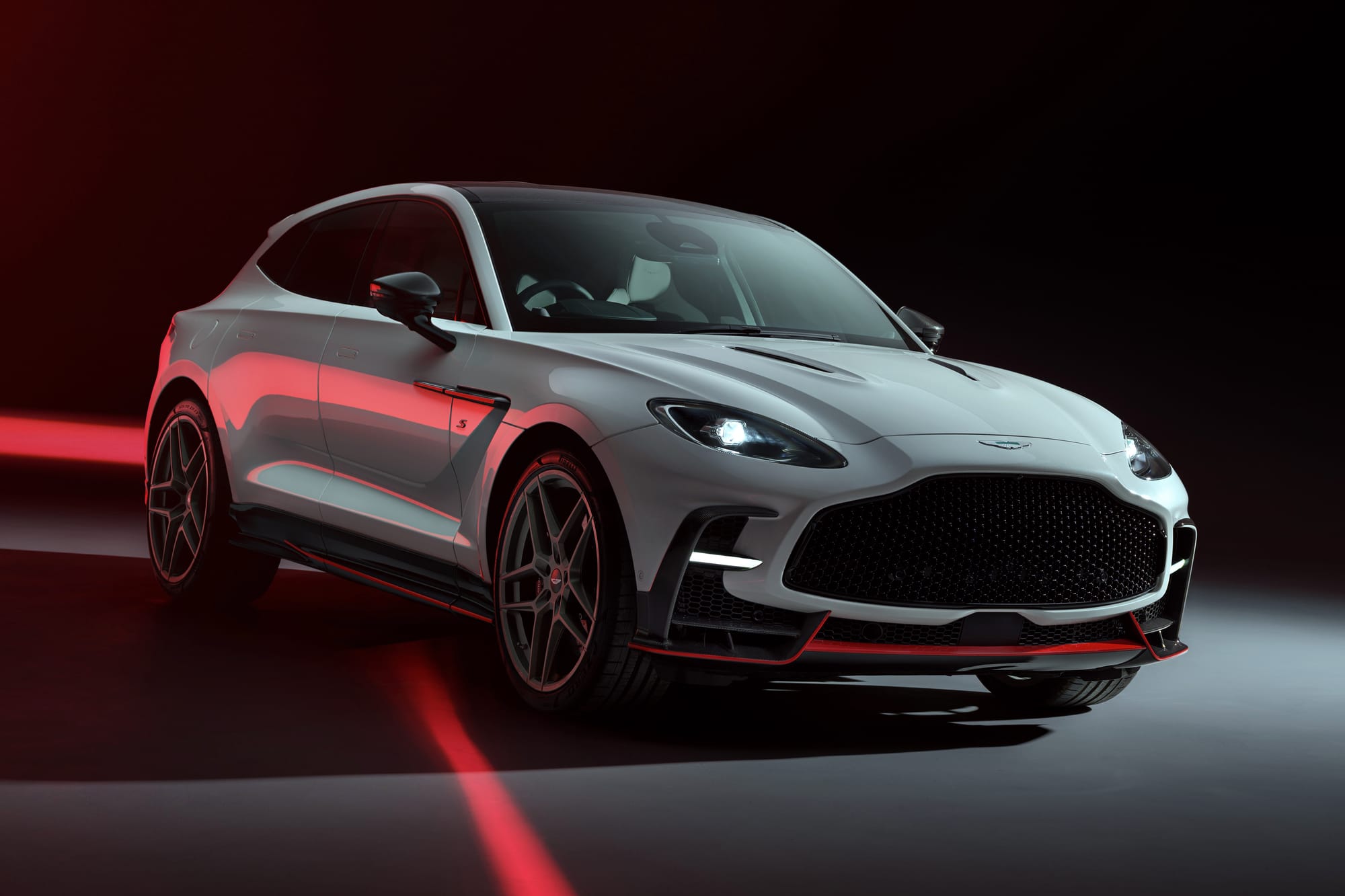
The executive added the brand “are not BEV [battery-electric vehicle] deniers but BEV delayers”, before saying its lineup up until 2030 “will be predominantly ICE-based”, suggesting the V8 and V12 engines under the bonnets of its current models should continue on.
“We have a roadmap to keep the bigger and smaller engines [V8 and V12 respectively] alive and compliant all the way through to the end of that period,” Hallmark said, before saying “there would be hybridisation” of the engines, but “probably not plug-in, because we don’t need it; we don’t need the 200kg penalties”.
As previously reported, Aston has partnered with Lucid to help develop its purely battery-powered model, something which it says will still be a benefit to its first EV.
 Jordan Mulach
“We have the deal with Lucid, and the interesting thing is, because we delayed, by the time we activate that deal, the technology that we will get is totally different to what we signed up the original contract for,” said Hallmark.
“We're also working with Mercedes-Benz on powertrains and electronic systems [and that partnership] will be deepened.”
“Looking at BEVs in the future, even if [we launch our first in] 2033, we've got three years where we can keep looking, keep thinking and keep evaluating different technologies and how they're changing, and the markets and the legislation.
 Jordan Mulach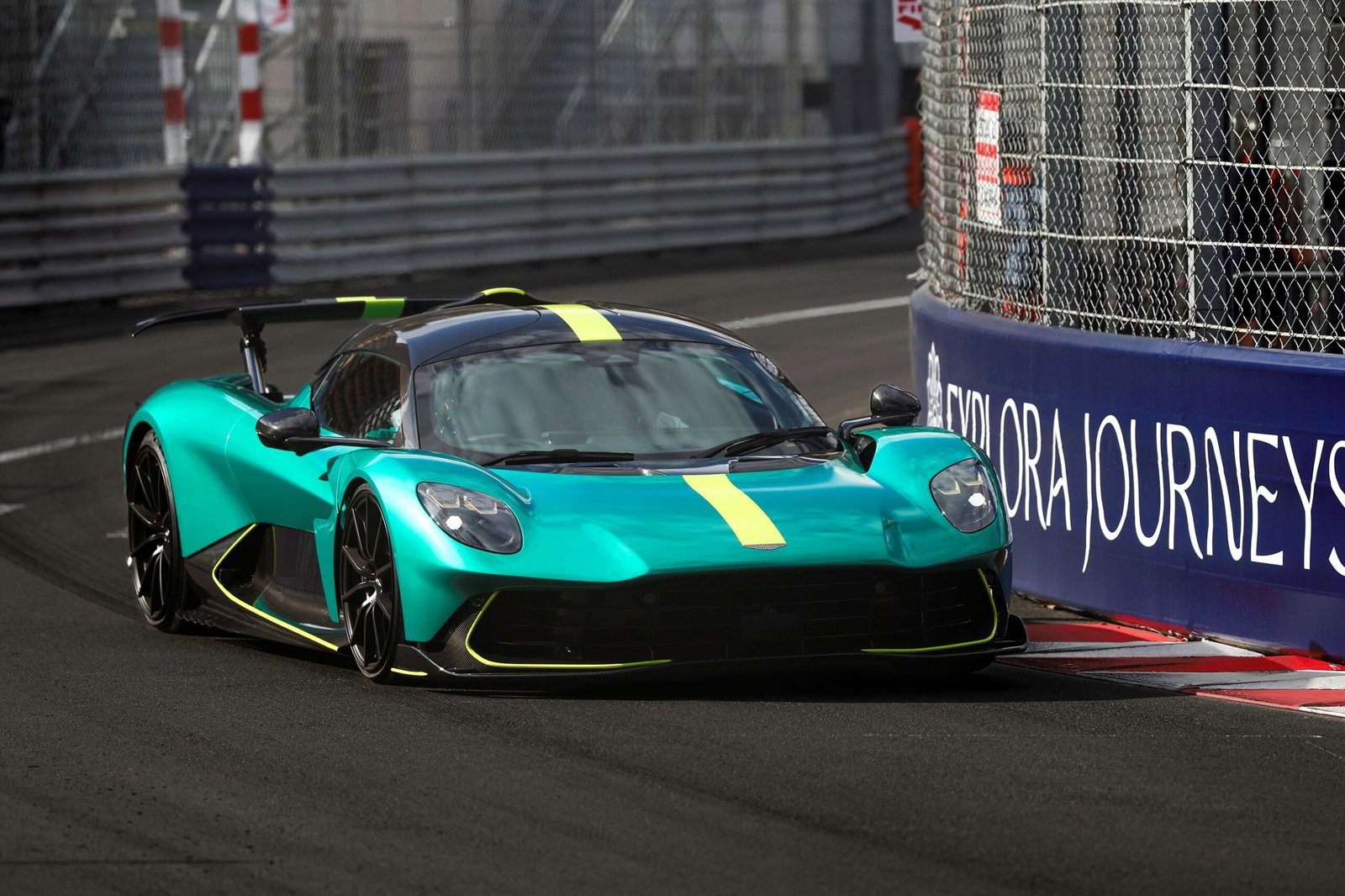
“And it's only then that we would need to kick off investment. So today we've got very low-level investment, but it’s research and study, not even single-digit millions of investment.”
The decision comes at a crucial time for Aston Martin, after the brand announced it would cut 20 per cent of its workforce earlier this year, which was aimed at delivering about £40 million (A$76.1 million) in annual savings.
In addition to the job cuts, Aston Martin cut its five-year capital spending plan from £2 billion (A$3.8 billion) to £1.7 billion (A$3.2 billion), with a bulk of the savings related to delayed EV investments.