2027 Mitsubishi Pajero revealed: Ford Everest, Toyota Prado rival returns
The Mitsubishi Pajero is back, and this time it’s scored a ladder-frame chassis and an upmarket interior to take on the Ford Everest and Toyota Prado.

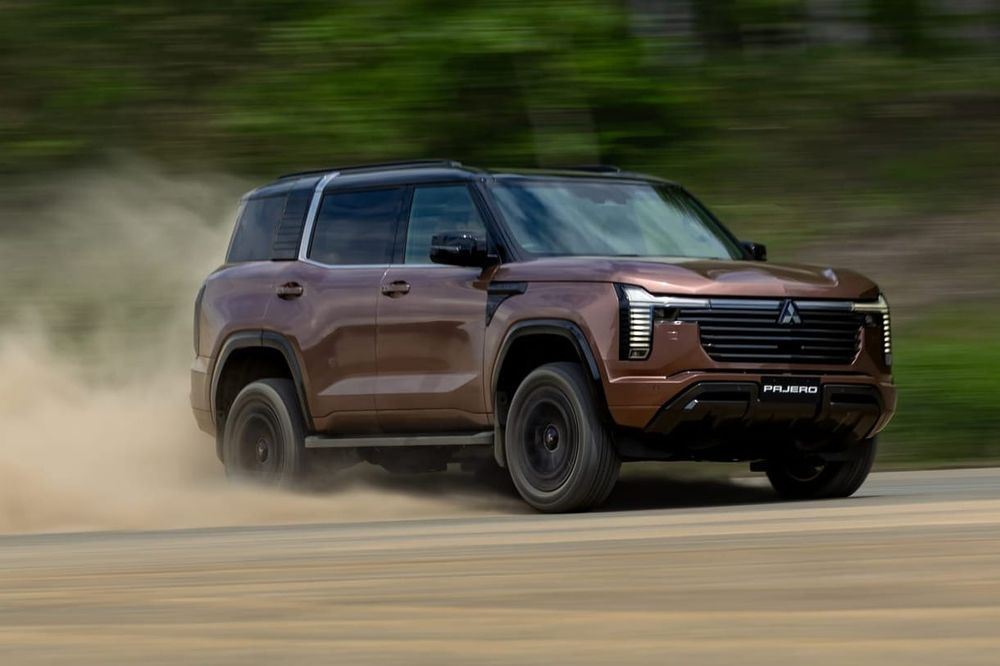
Mitsubishi has officially revealed the long-awaited return of the Pajero nameplate, uncovering the latest fifth-generation 4x4 ahead of production kicking off.
Debuting 20 years to the month after the most recent Pajero was unveiled in 2006, the newest iteration of the family goes down a different path to its most recent predecessors, adopting a ladder-frame chassis to improve its off-road chops.
Effectively a replacement for the Pajero Sport as much as the last Pajero, the 2027 model will be built in Thailand alongside the Triton ute, to which it is closely related, with Australian sales projected to start by the end of March 2027.
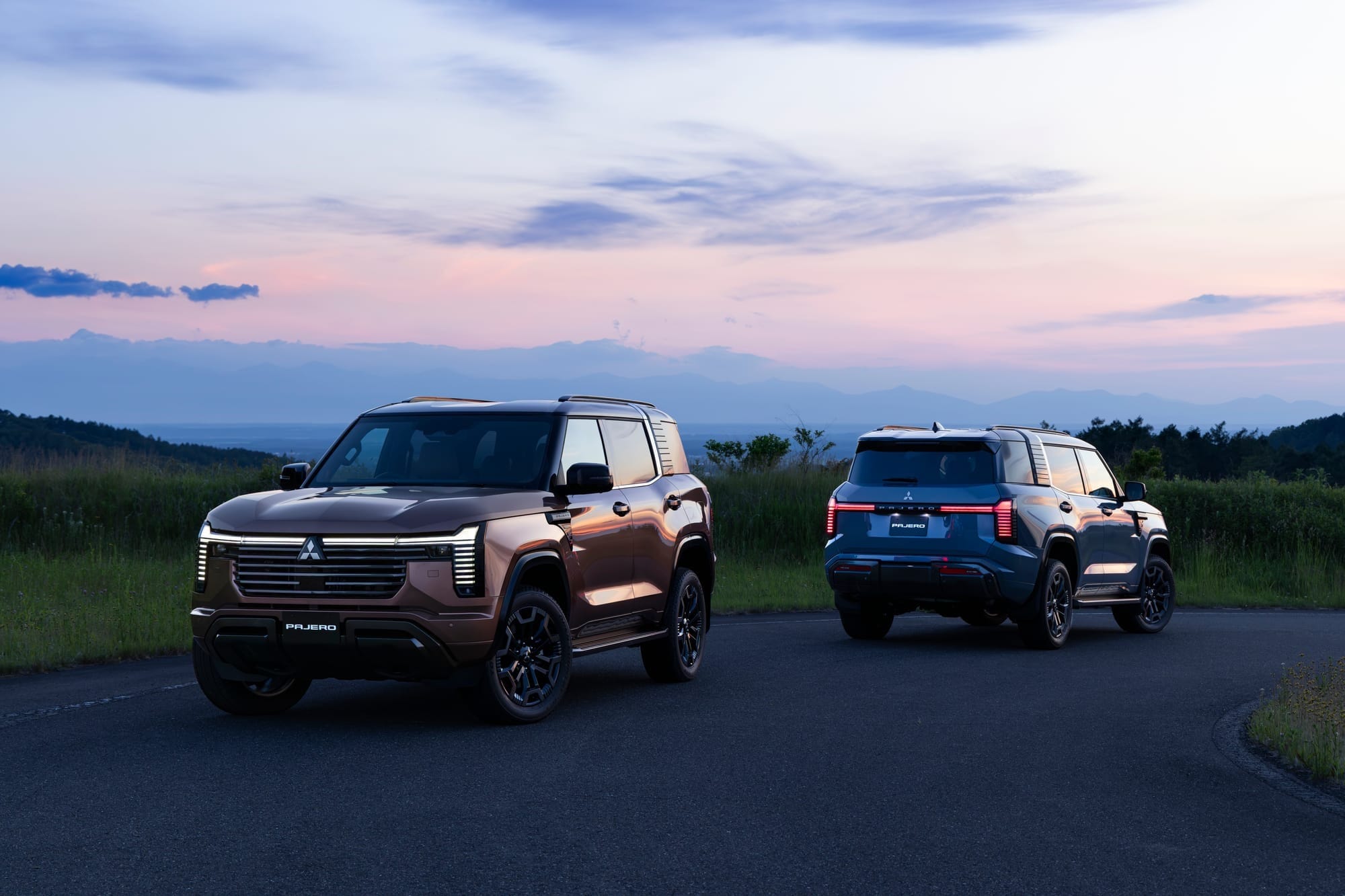
The new Pajero builds on the brand’s recent revamp in some markets by adopting its latest design language, as previewed by the Destinator SUV sold in south-east Asia.
Its T-shaped light signatures at the front and rear bookmark its far boxier look, having now seemingly followed rivals like the Toyota Prado and the larger Nissan Patrol by going more squared-off all round.
Depending on spec, the Pajero can be had with a horizontal-bar or honeycomb grille, giving it a different appearance. Mitsubishi’s two new hero colours for the SUV are Armor Copper Metallic and Phantom Blue Metallic, both pictured.
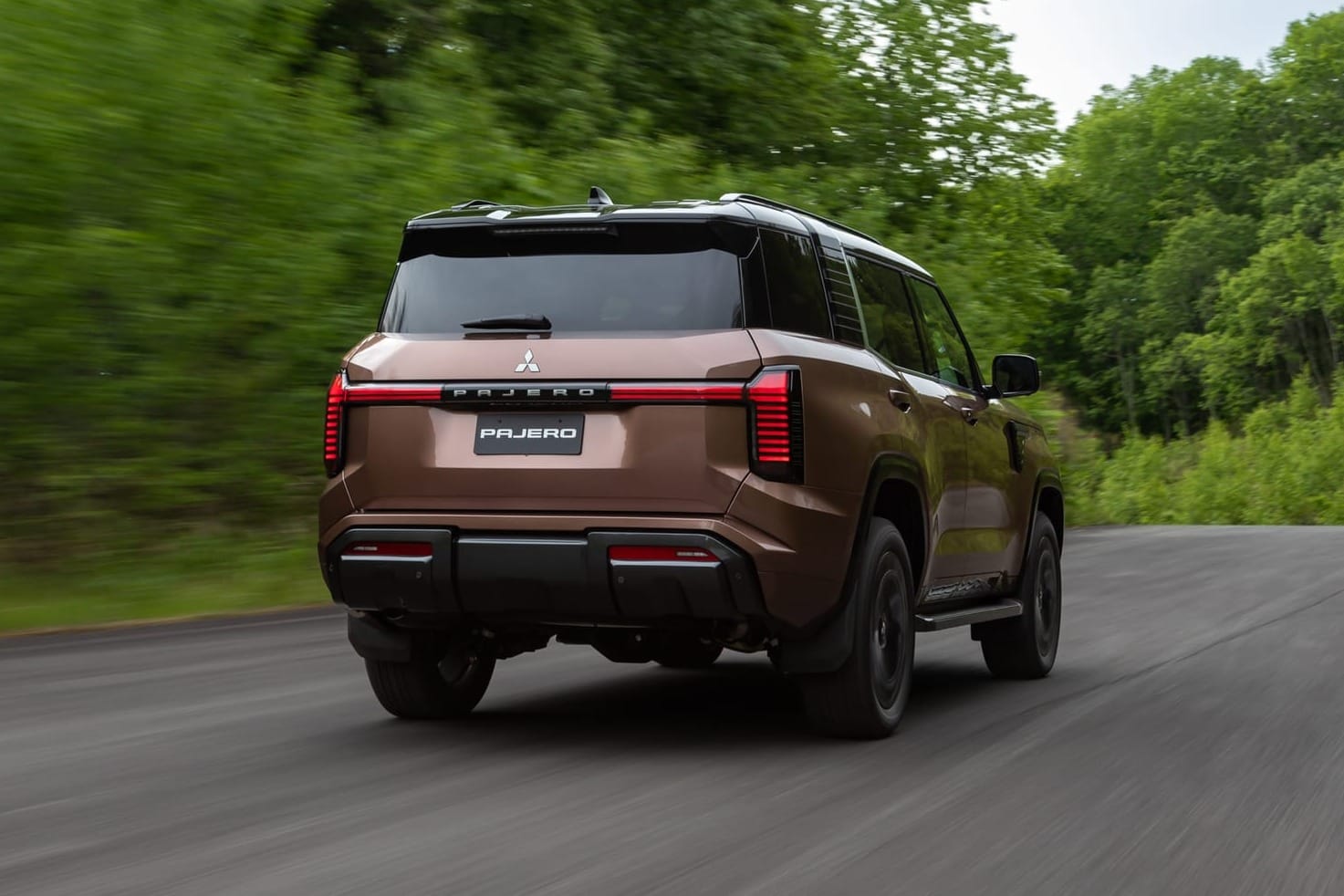
Measuring 4920mm long, 1925mm wide and 1910mm high, compared to the previous Pajero Sport, the new Pajero is 95mm longer, 110mm wider, and sits 75mm taller, at least on its 20-inch wheels, while its wheelbase has grown by 70mm to 2870mm.
For context, a Toyota Prado is 4990mm long, 1980mm wide and 1935mm tall, while the Ford Everest is 4940mm long, 1923mm wide, and 1841mm tall.
Its off-road ability has been enhanced through wider front and rear tracks of 1630mm (compared to the Pajero Sport’s 1520mm front and 1515mm rear figures), a greater ground clearance of 230mm (up 12mm).
While its approach and departure angles have risen to 30.4 degrees (from 30 degrees) and 25.8 degrees (from 24.2 degrees) at the front and rear, respectively, its breakover angle has dropped from 23.1 degrees to 22.6 degrees.
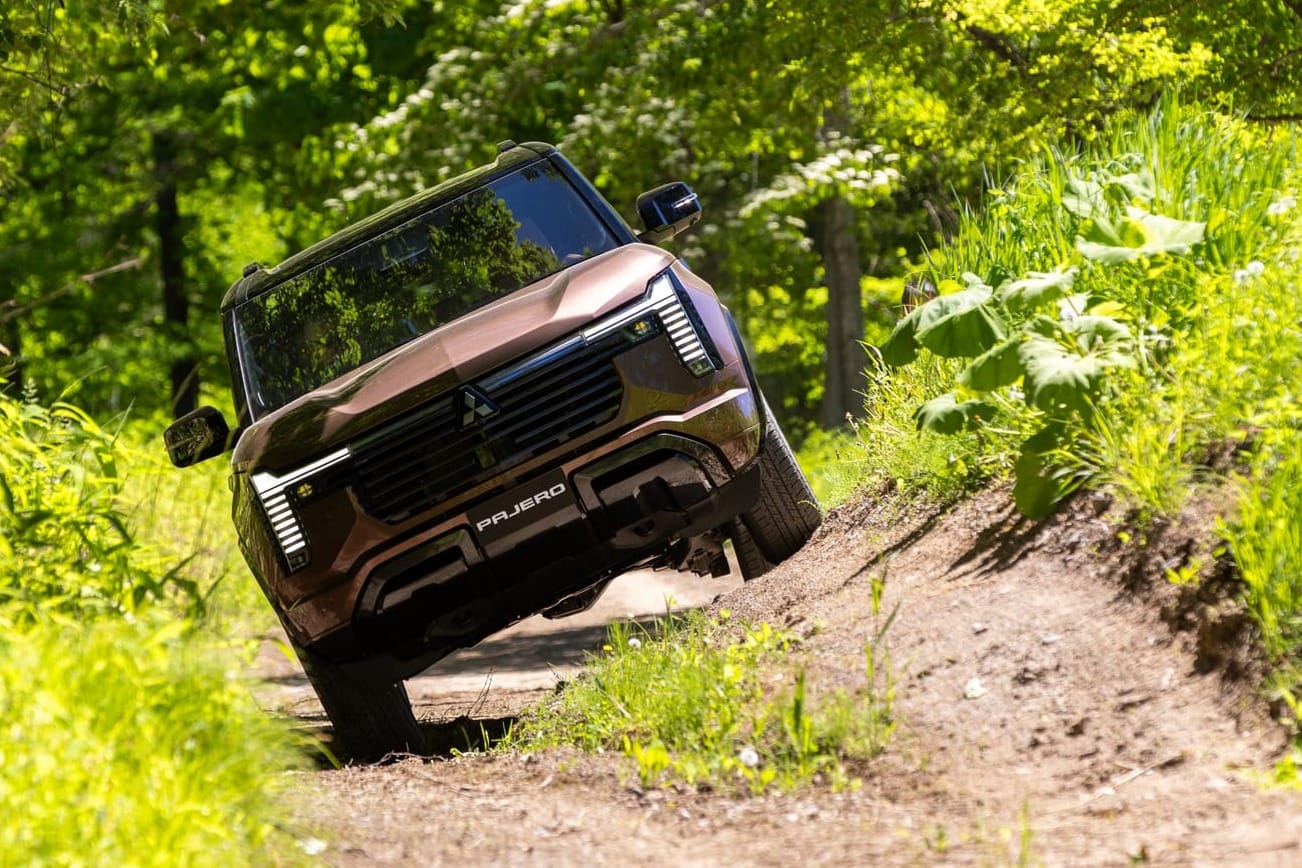
Mitsubishi has yet to announce other key figures such as its weight and towing capacity, though these are understood to be confirmed closer to its local launch.
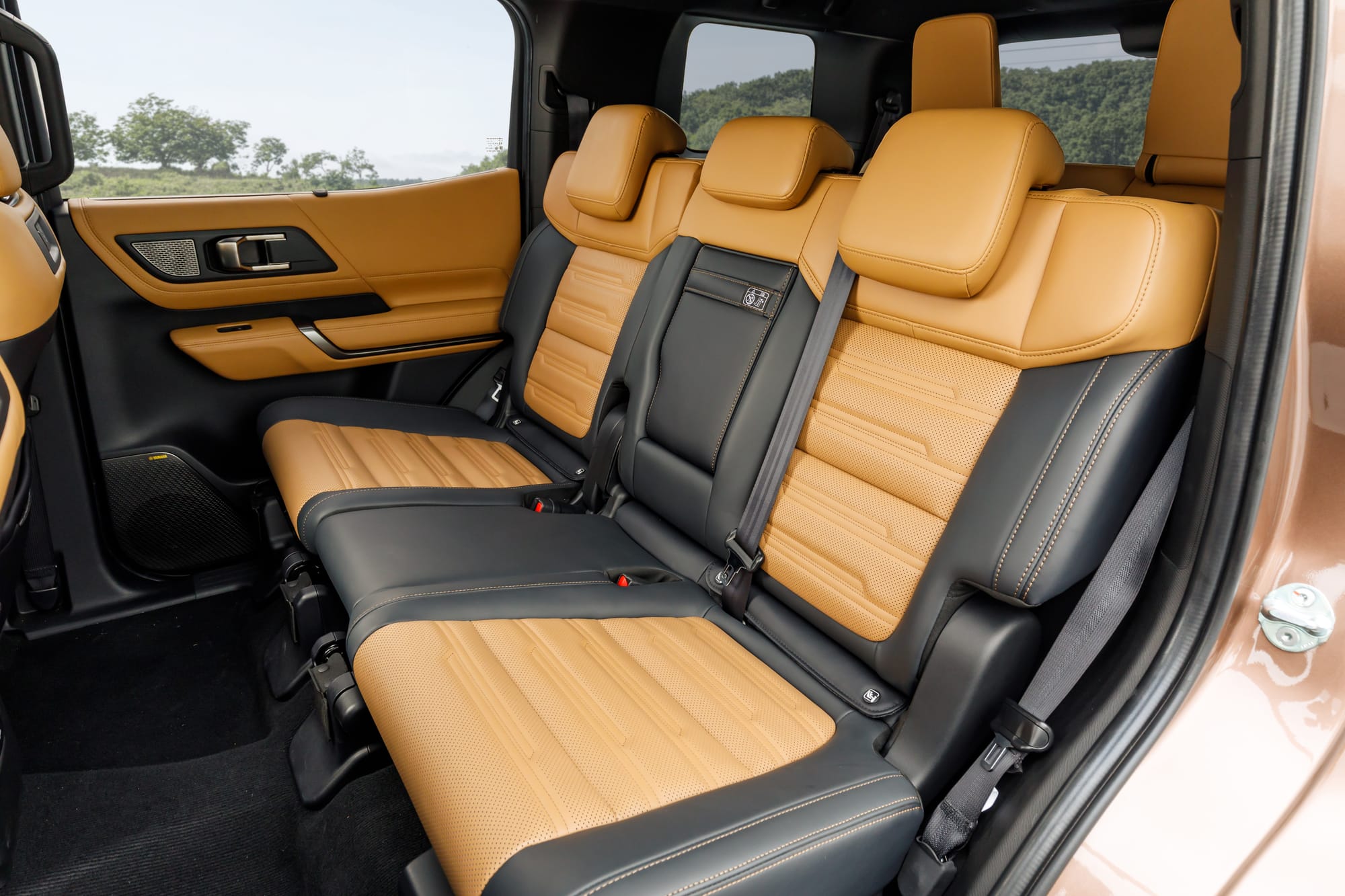
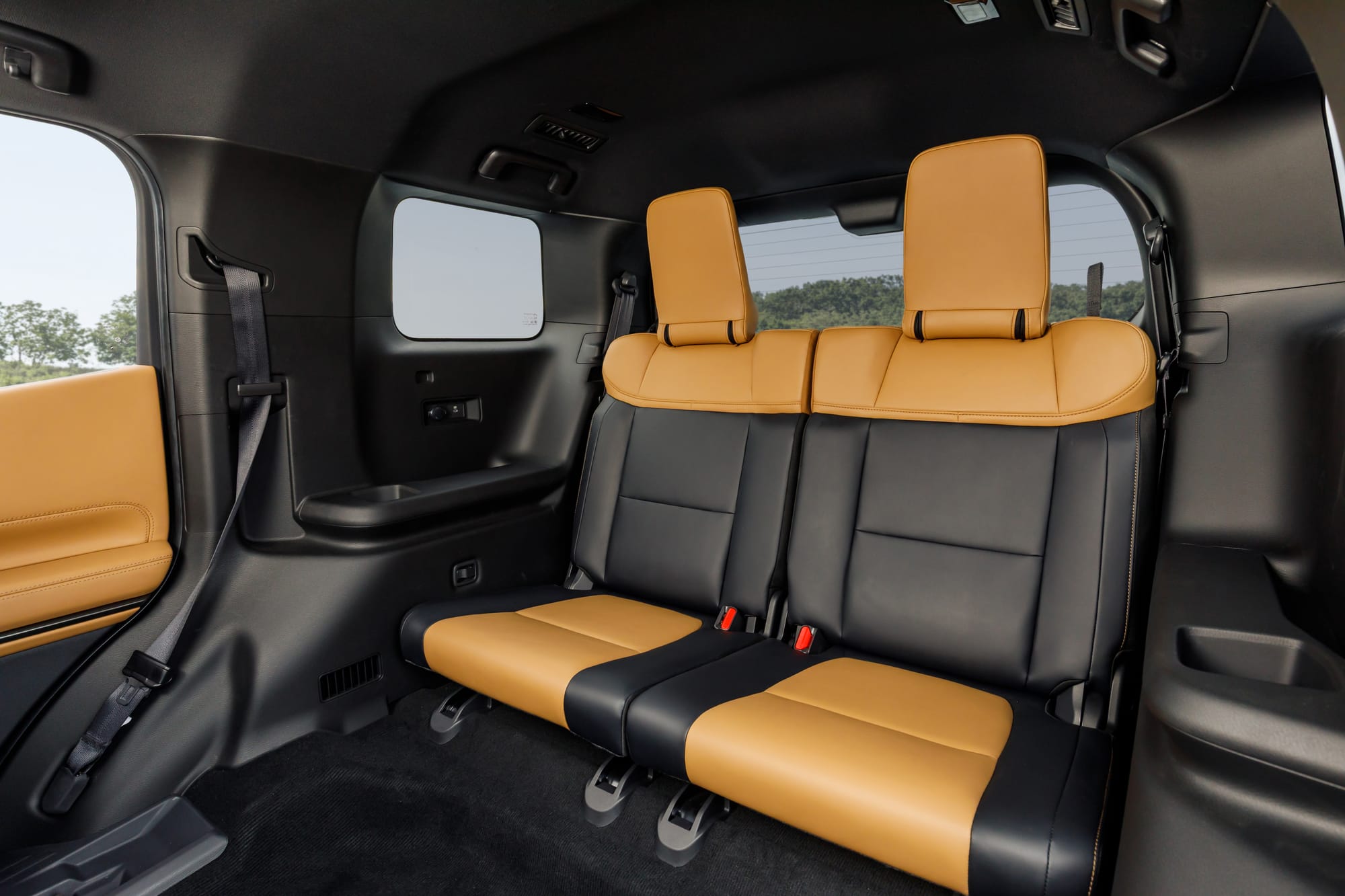
That additional size on the outside has carried across to a larger cabin, which continues to offer seven seats across three rows.
Depending on the grade, high-end versions of the Pajero will get ‘Camel’ coloured upholstery, highlighting its new look dashboard and cabin.
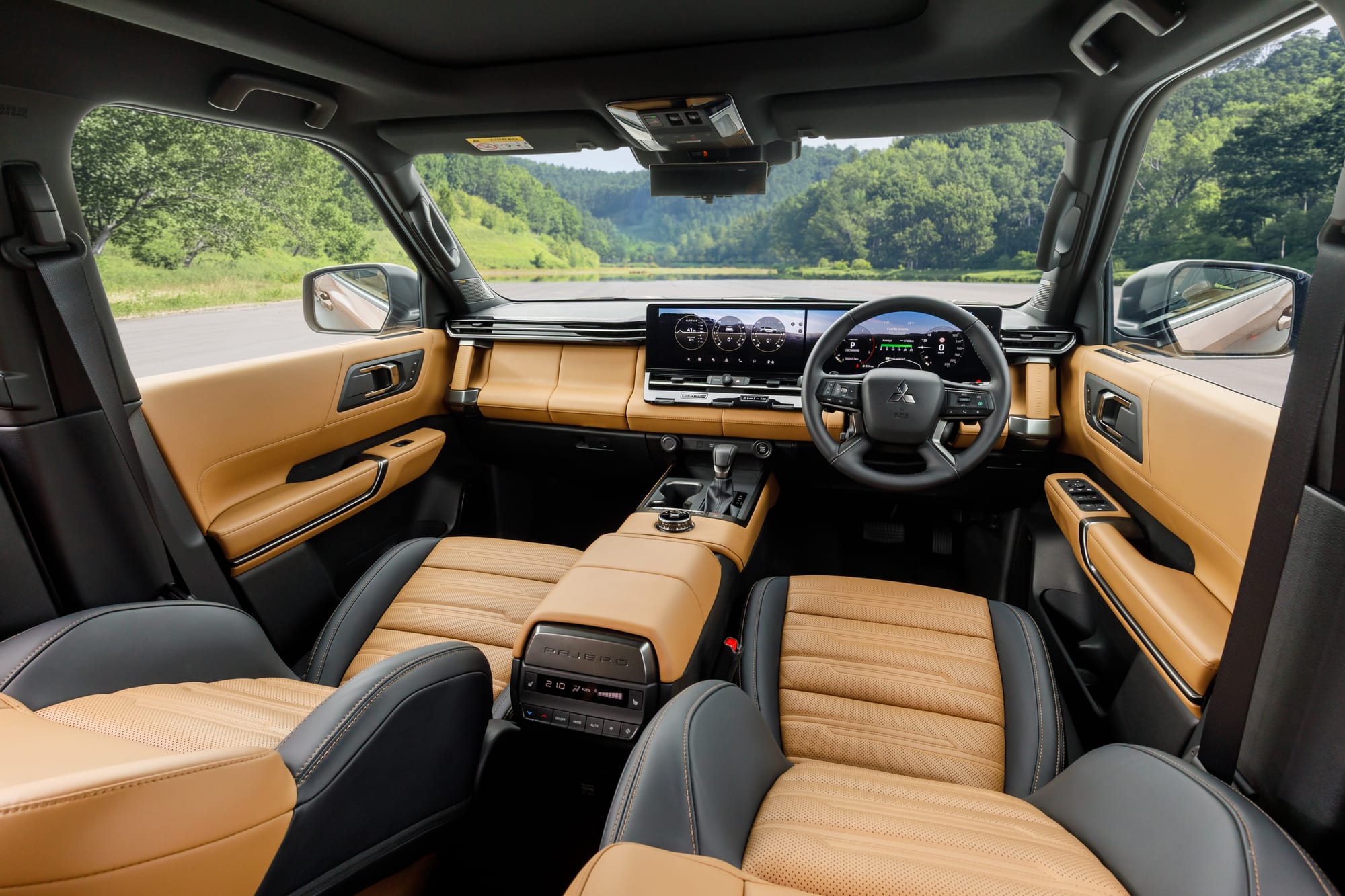
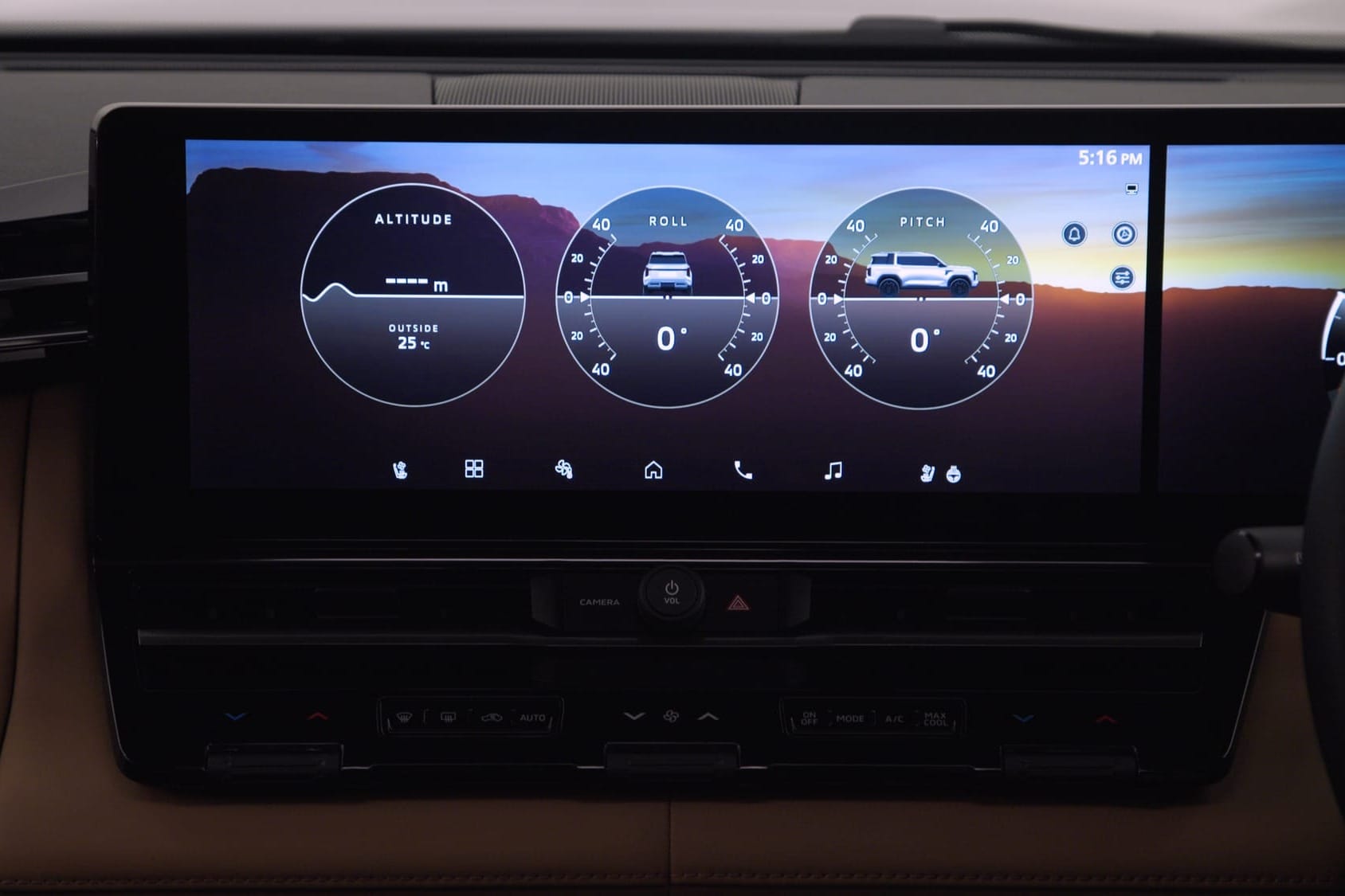
In front of the driver now sits dual 14.6-inch screens – one incorporating the digital instrument cluster, the other for the infotainment system – which feature the returning ‘Multi Meter triple cluster’, configurable between 16 different themes.
The windscreen and side windows are made from acoustic glass to keep cabin noise down, coupled with a number of insulation upgrades under the skin, hidden behind the soft-touch materials on the instrument panel and door trims.
Additional equipment confirmed for some grades includes a surround view camera with front under-floor view, and a 12-speaker Yamaha sound system. Tri-zone climate control and ventilated seats also feature.
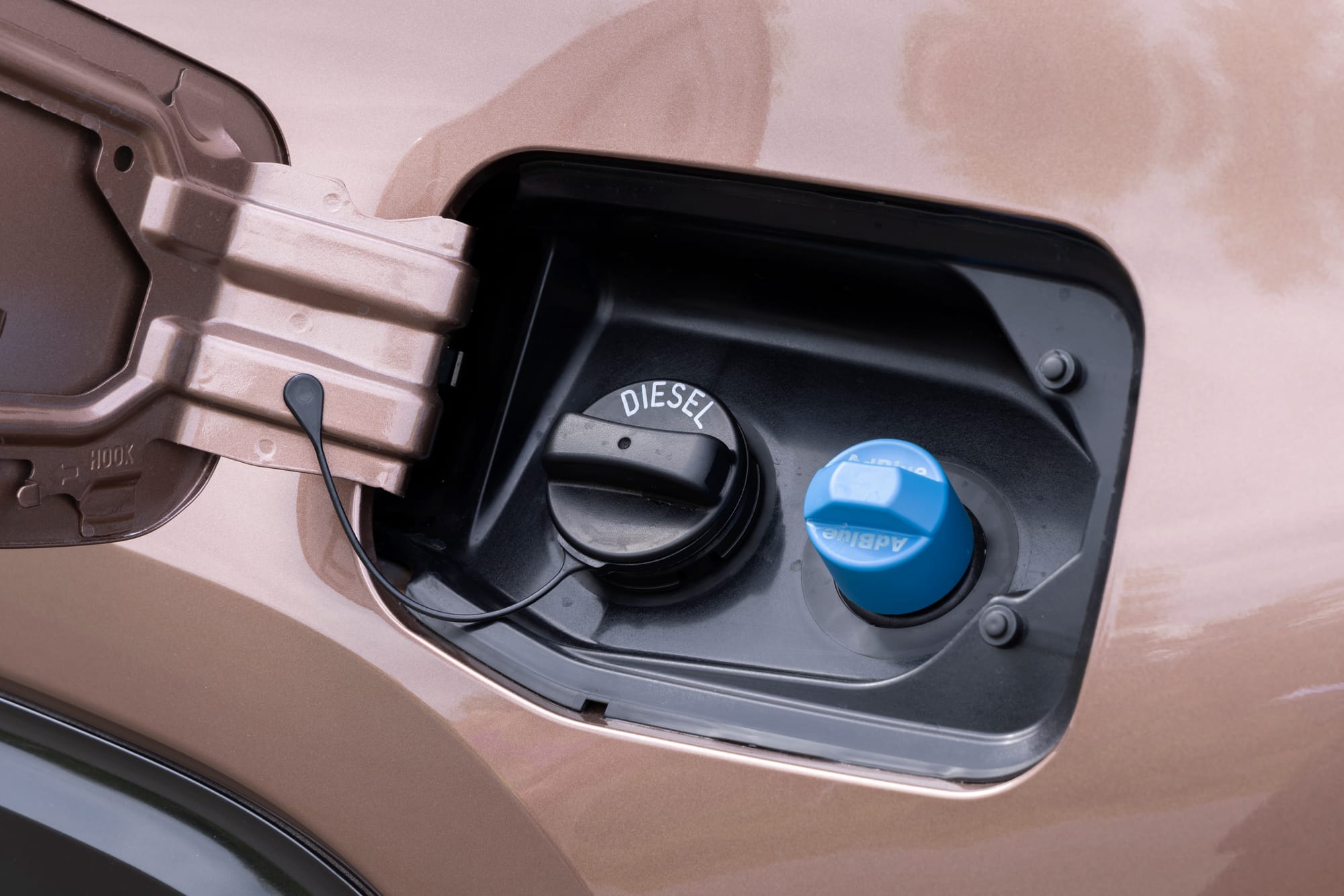
Under the bonnet, it’s a relatively familiar sight, with a 2.4-litre four-cylinder turbo-diesel engine powering the Pajero, now producing 480Nm (up from 430Nm) and requiring AdBlue, much like the related bi-turbo Triton. A power figure is yet to be disclosed, though the Triton makes 150kW.
Similarly, the Toyota Prado’s 2.8-litre diesel engine produces 150kW and 500Nm, while the Everest ranges from 125kW/405Nm from its 2.0-litre four-cylinder, to 184kW/600Nm in 3.0-litre V6 guise.
An eight-speed automatic transmission sits behind the engine, and is mated to Mitsubishi’s ‘Super Select 4WD-II’ system, allowing drivers to choose between 2H (rear-wheel drive), 4H (full-time 4WD), 4HLc (locked center differential), and 4LLc (locked center differential with low-range gears).
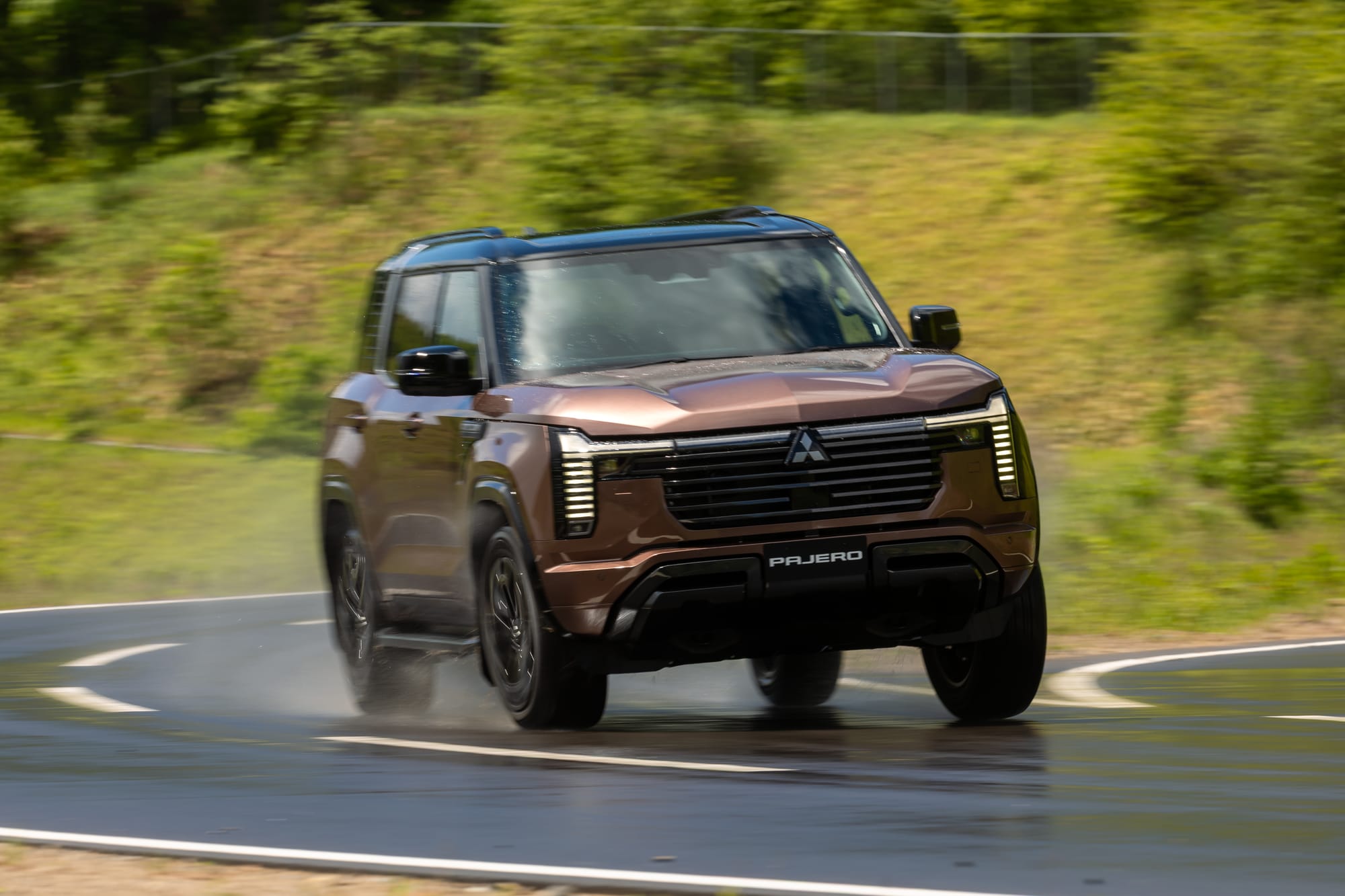
The Pajero offers seven drive modes (Normal, Eco, Gravel, Snow, Mud, Sand, and Rock), providing the best calibration for the required driving scenario.
Fitted with eight airbags, the Pajero also marks the first appointment of a centre airbag in a Mitsubishi, something which will no doubt assist its ANCAP score when tested in Australia.
Full pricing and specifications are expected to be announced in the near future for the Mitsubishi Pajero, ahead of its Australian arrival.