
Honda confirms Mitsubishi Triton-based ute in the works
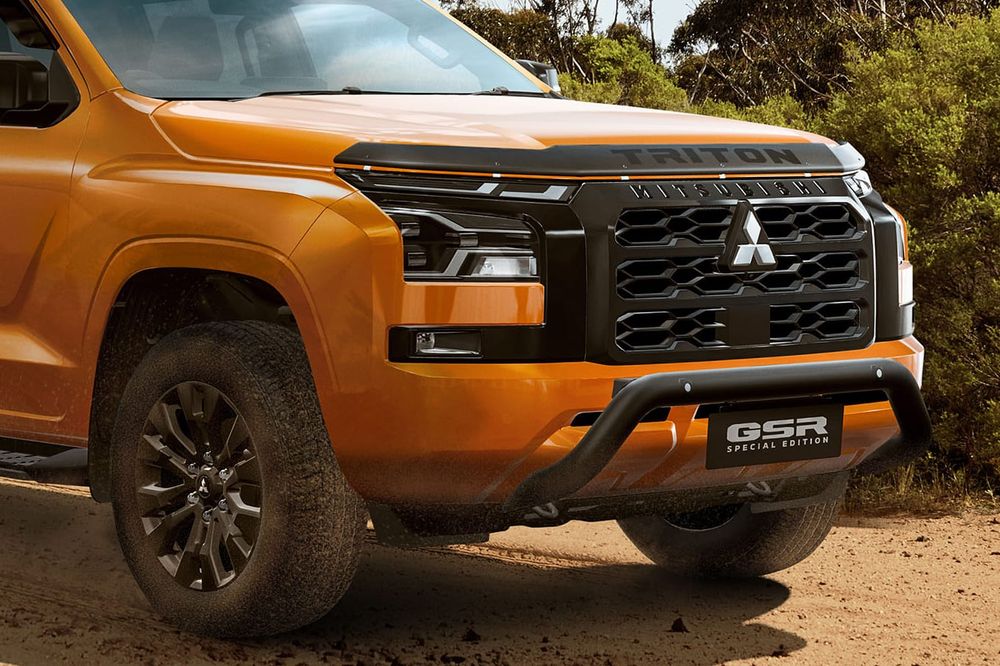
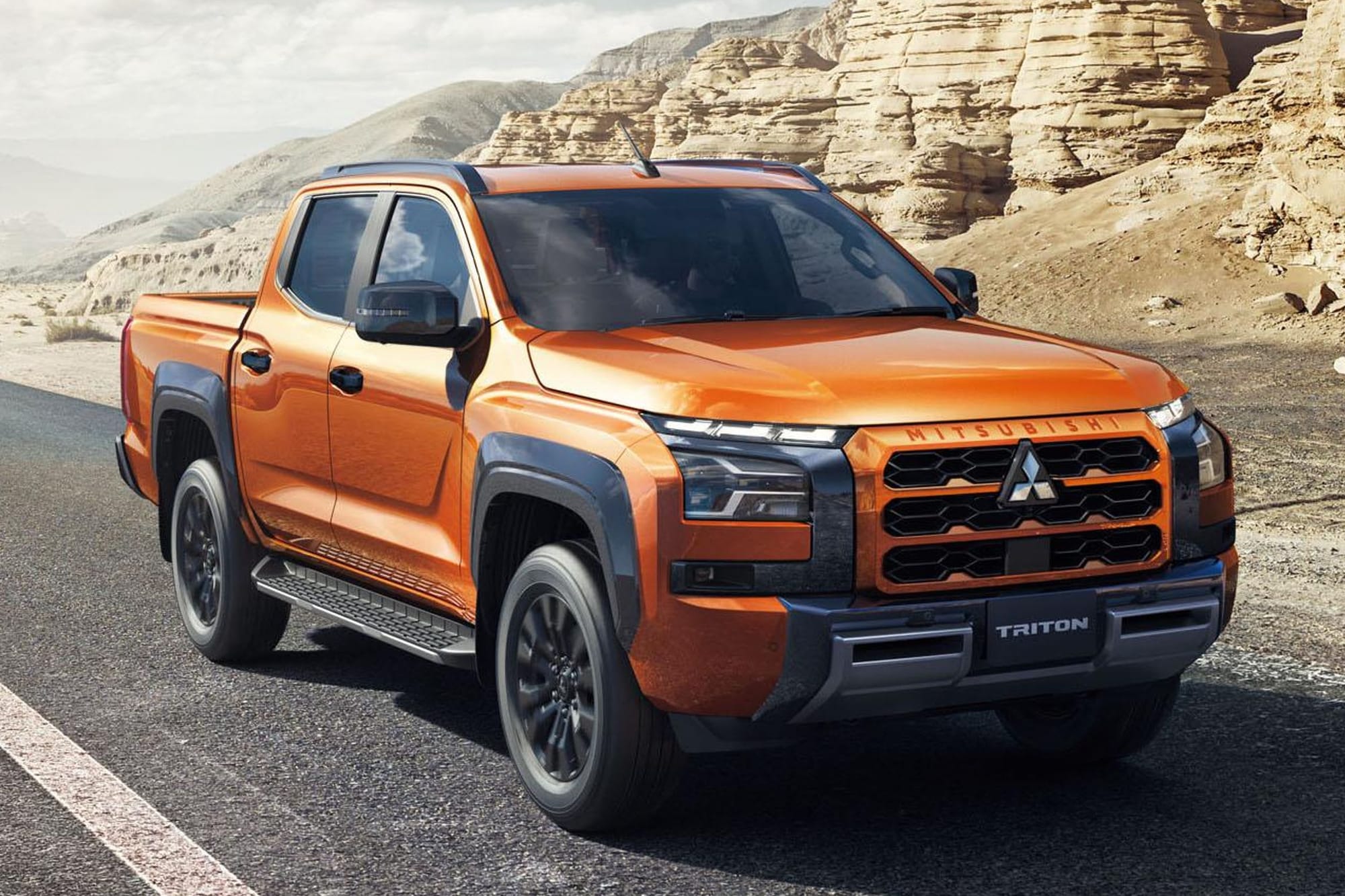
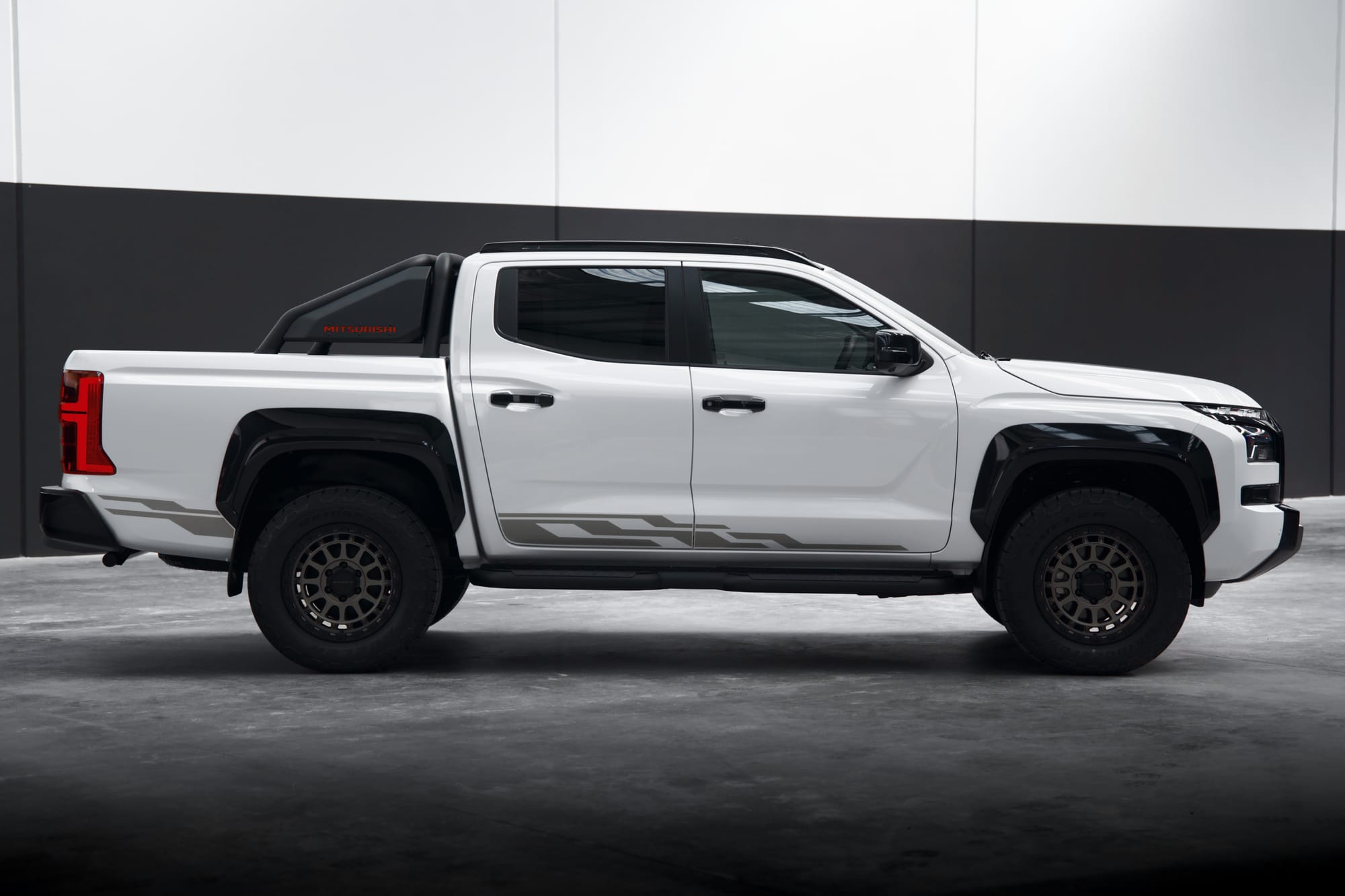
The Mitsubishi Triton will spawn a second rebadged version for another Japanese brand, with Honda to sell the ute with its own logo.

Honda is re-entering the ute market, and it’s leaving on fellow Japanese marque Mitsubishi to help it.
Overnight, Honda and Mitsubishi announced they had signed a memorandum of understanding (MOU) for the former brand to develop a ute, based on the Triton dual-cab.
It marks the first collaboration between Honda and Mitsubishi, coming two years after the brands eyed a merger, which was largely centred around a third partner in Nissan.
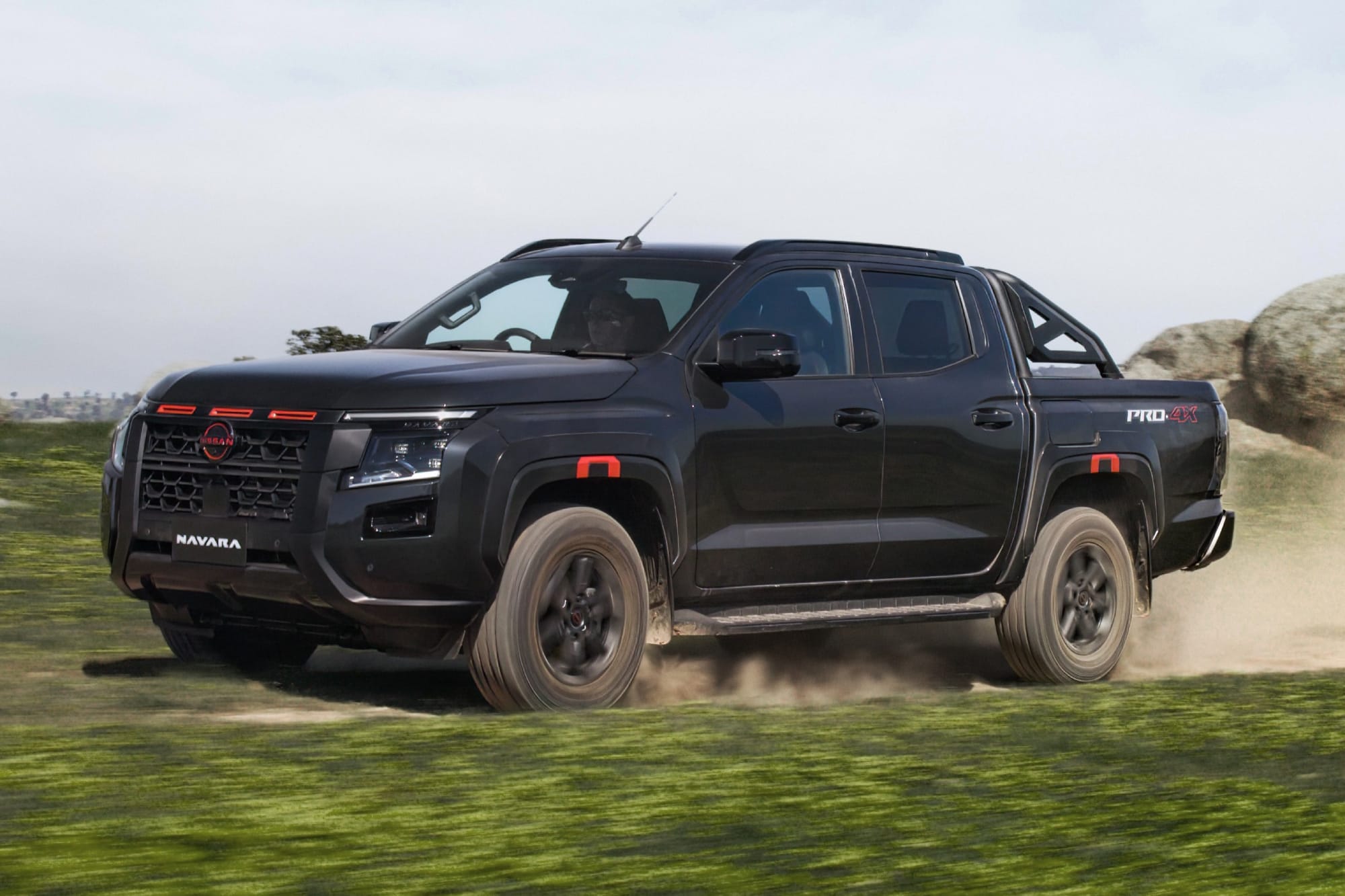
Set to go on sale in the ASEAN region in 2028, the Honda-badged Triton will be the third version of the ute available globally, alongside the existing Triton and the Nissan Navara, the latter of which is only sold in Australia and New Zealand.
“Through this collaboration, Honda will add a pickup truck model to its lineup primarily in the ASEAN market, where it does not currently offer pickup truck models, enabling Honda to enhance its product lineup quickly and efficiently in the market,” Honda said in a media release.
“Meanwhile, this collaboration will enable Mitsubishi Motors to increase production volume and improve capacity utilisation at its production plant in Thailand. The two companies reached this agreement after determining that this collaboration would generate synergies for both companies.”
The announcement confirms earlier reports from Japan about the deal, which noted that by producing a third version of the Triton, Mitsubishi would be able to increase the operating rate of the Thailand factory where the ute is built.
Given the announcement is just of an MoU for now, Honda has yet to announce whether the ute will be sold in Australia, though given the saturation of the local ute market – as well as potential emissions penalties under the New Vehicle Efficiency Standard – it’s unlikely to be added to the lineup.
Currently, Honda’s Australian range consists of vehicles which are all petrol, petrol-hybrid or electric powered, with the brand selling its last diesel models locally back in 2015.
However, it will give Honda a competitor in the South-East Asian market to rivals such as the Toyota HiLux, Ford Ranger, and Isuzu D-Max, which are all built in Thailand as well.
The new partnership of Honda and Mitsubishi – as well as Nissan, which is a part of the Renault-Nissan-Mitsubishi Alliance globally – is expected to net more vehicles in the future.
“One of the opportunities the three companies have been extensively exploring and discussing from both short- and medium-to-long-term perspectives is the complementary supply of each other’s vehicles,” Honda added in its release.
“This would enable the three companies to leverage each other’s globally competitive automobile products to quickly and efficiently enhance their respective product lineups aligned to the business environment and customer needs of each company in different regions.”
As previously reported, Mitsubishi is wanting to lean on Nissan for a model in North America, after announcing in May that it was looking to join the mid-size pickup market, a segment it hasn’t occupied for close to two decades.
To take on the likes of the Toyota Tacoma and Ford Ranger, it will produce the pickup in collaboration with Nissan, with Automotive News reporting at the time it’s likely the model will be built in the US by Nissan on an existing production line.
Reportedly based on the Nissan Frontier, the existing pickup itself is due to enter a new generation in late 2027 or 2028, as a part of Nissan’s ladder-frame product offensive in the region.