
Porsche’s low-slung V8 supercar approaches reveal
The Porsche Mission S concept will be uncovered within the next 24 hours, but a preview of the supercar’s profile has already appeared online.

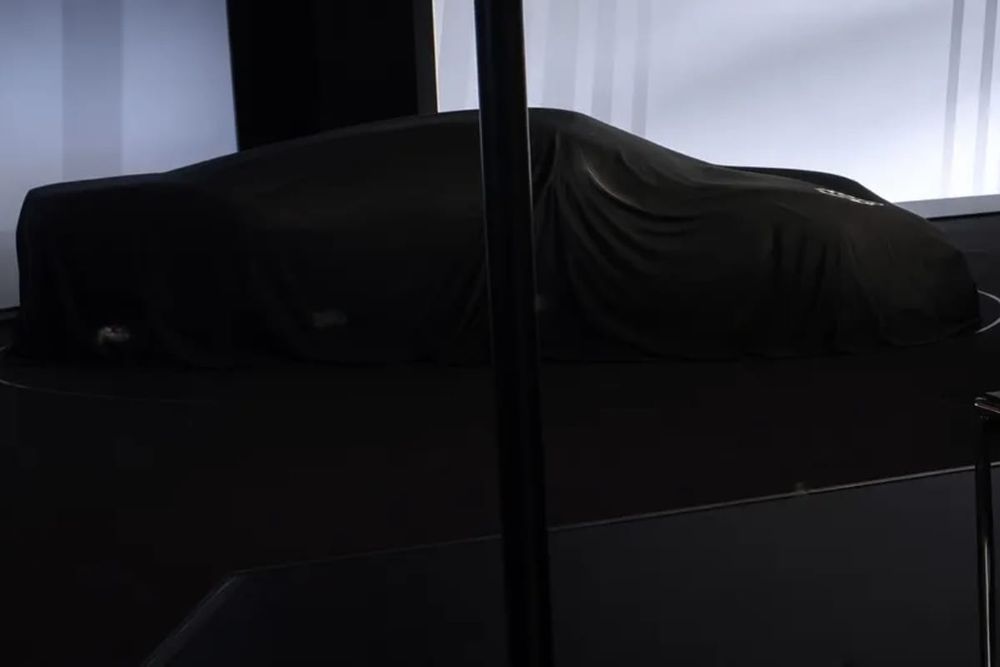
Porsche is set to reveal the Mission S concept imminently, but that hasn’t stopped the new supercar appearing early – even if it’s still covered up.
An image posted to UK automotive forum Pistonheads shows what is claimed to be the silhouette of the Mission S under a canvas, with its body appearing to be incredibly low and long.
A surprisingly lengthy bonnet leads back to a shallow-raked windscreen, while the roof of the concept slowly trails back to its tail, with its extra room expected to be able to accommodate a flat-eight engine.
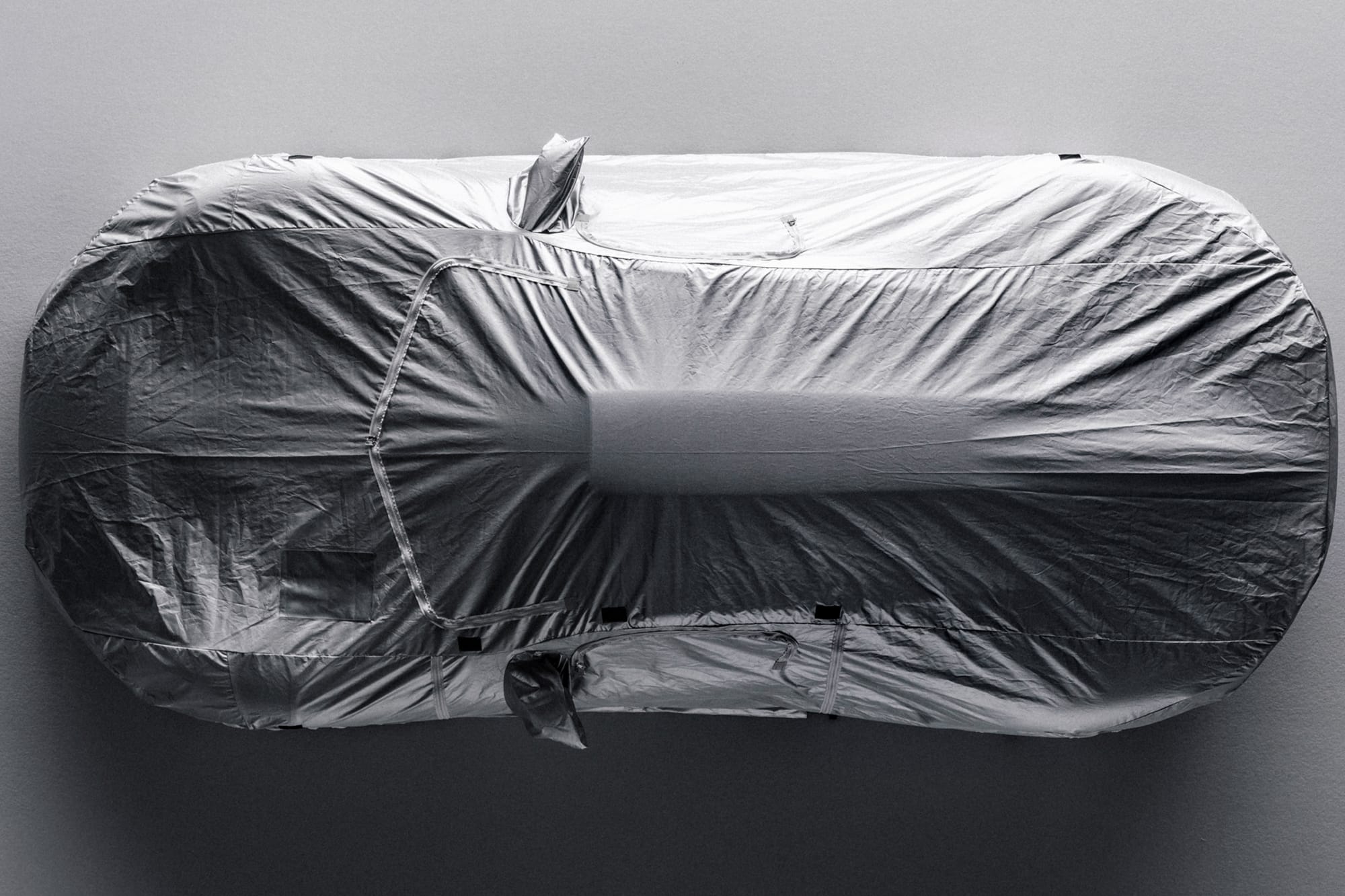
Porsche itself has also offered additional teaser images for the Mission S, showing the concept will include an over-the-roof air intake, potentially increasing the aural overload for its occupants.
A separate teaser video has also confirmed it will be powered – at least in part – by a petrol engine, and one capable of revving to at least 8000rpm.
Previously, Porsche has said the Mission S will be “our tribute to the sports car”, as well as a homage to the vision of founder Ferry Porsche, and confirmed it will be based on “a mid-engined super sports car platform that will enable a model line that sits above the iconic 911 sports car”.
At present, details are slim, however last month insiders told German publicationHandelsblatt the flagship production model – reportedly codenamed S1 – will be powered by a flat-eight engine, representing the first time Porsche has done so in a production car.
Porsche’s most recent successful attempt at a flat-eight was in the Porsche 908 race car of the late 1960s, though since then its boxer engines haven’t ventured higher than a six-cylinder count.
 Jordan Mulach
Earlier this month, Automotive News reported the next Porsche supercar would likely use the platform of the Lamborghini Temerario and Audi Nuvolari to save costs.
The Temerario was unveiled in 2024 and launched last year as the new ‘baby’ Lamborghini supercar, taking the place of the V10 Huracan, now with a twin-turbo V8 engine and plug-in hybrid system.
With a supercar platform already existing, it’s an easier business case for Porsche to create a supercar, given the reduced development costs and time, however it has traditionally gone its own way for its flagships.