
Nissan GT-R R36 could revive classic Skyline design
The upcoming R36-generation Nissan GT-R will go back into the old Skyline’s archives for its design, according to one executive.

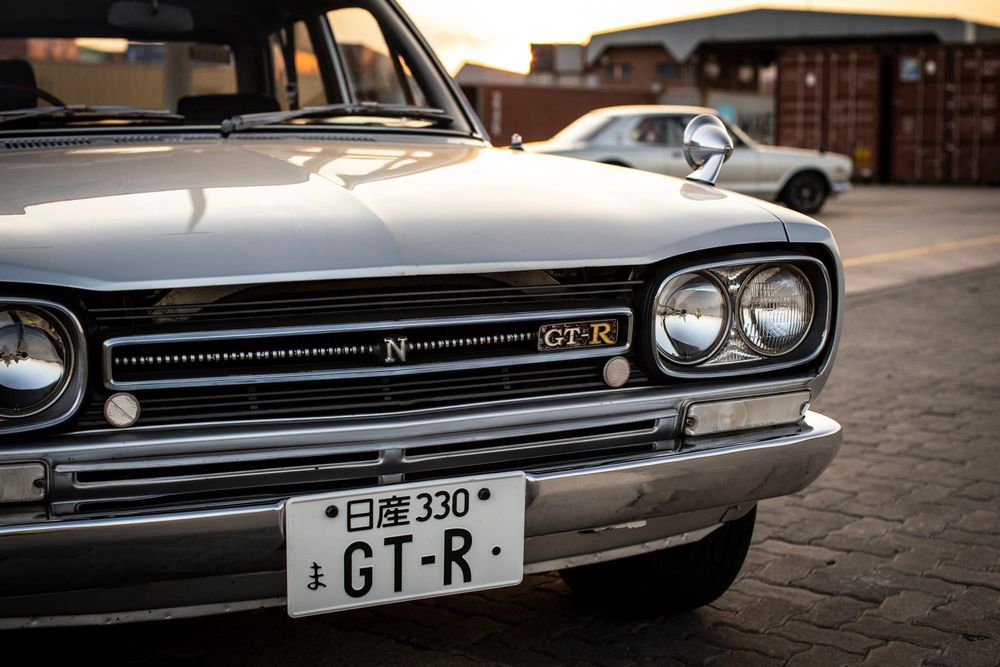
A new Nissan GT-R seems inevitable, and the brand appears to be keen on further leaning into the heritage of the Skyline nameplate for its next flagship.
Speaking to Japan’s Best Car magazine, Nissan’s head of global design, Matthew Weaver – who headed the design of the Juke – said the R36 could borrow a trick not used by the brand since the Skyline of the early 1970s.
"If we were to make an R36, it would have round headlights. That's all I can say right now,” Weaver said, reportedly laughing at the end of his comment.
Nissan’s first two generations of Skyline-based GT-Rs both featured dual sets of round headlights from 1969 to 1973, which carried on to the tail lights.
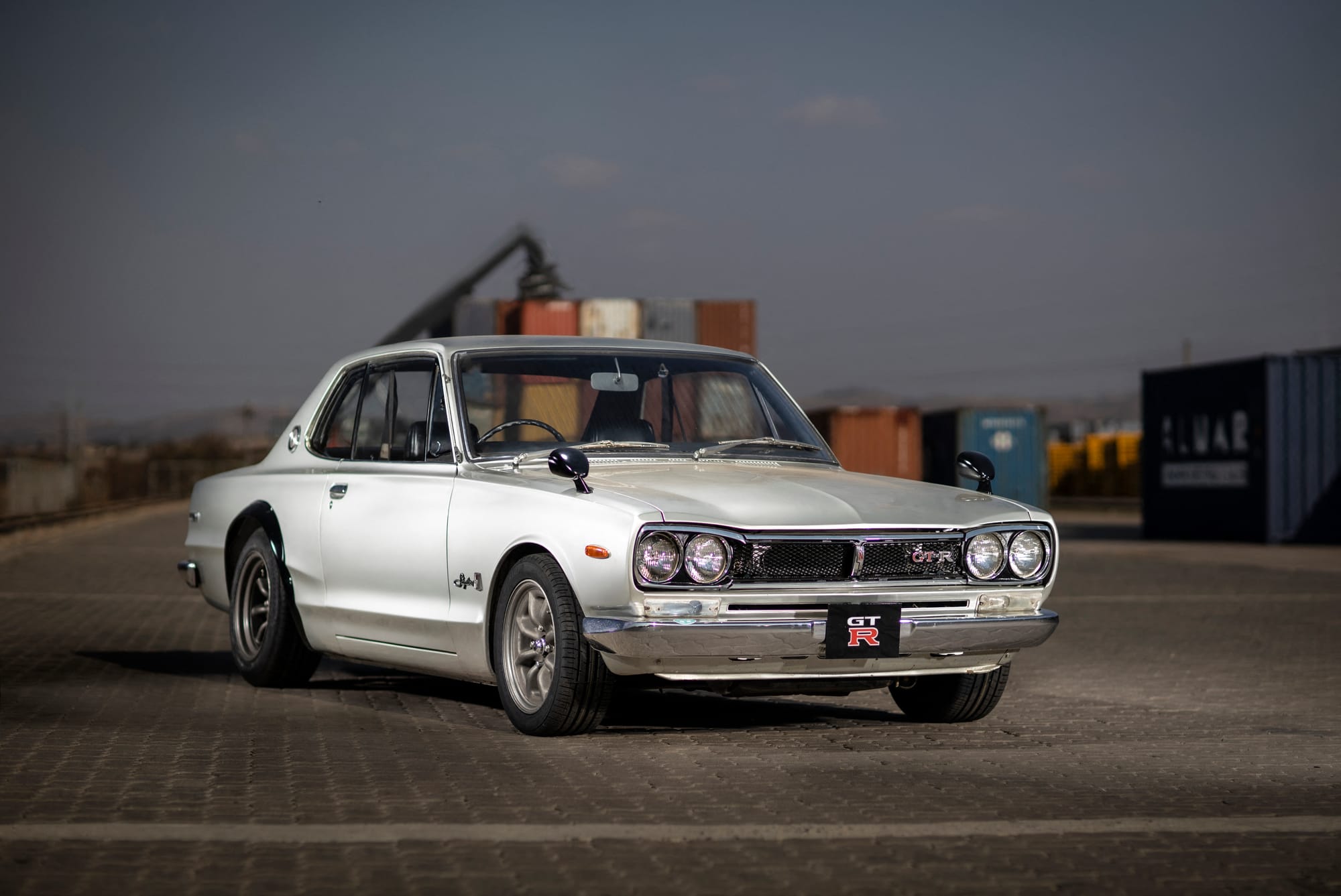
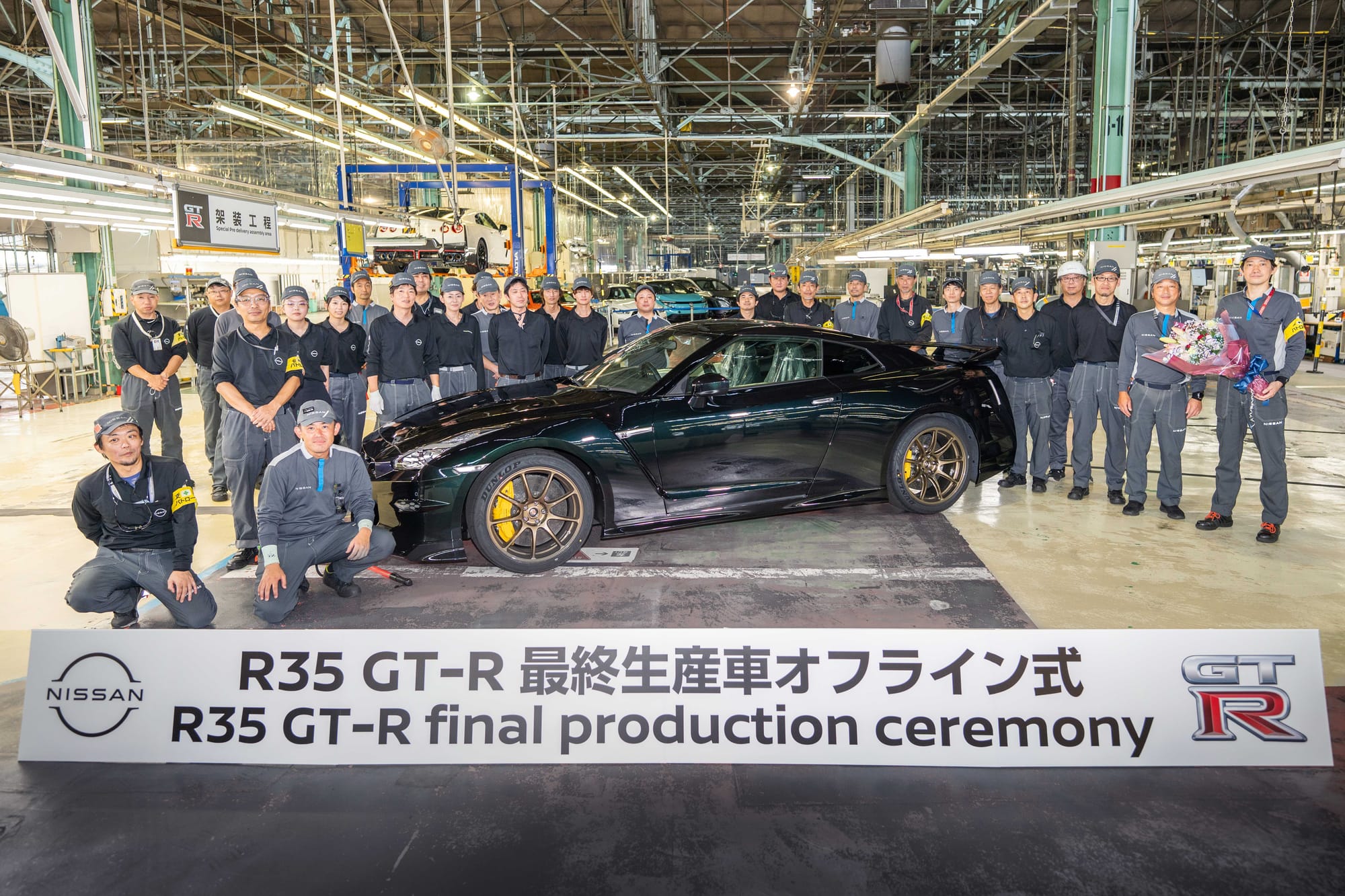
Since the Skyline GT-R nameplate was revived in 1989, the R32, R33 and R34 all went to a more rectangular, horizontal headlight design, while the R35 GT-R (no longer a Skyline) moved them vertically.
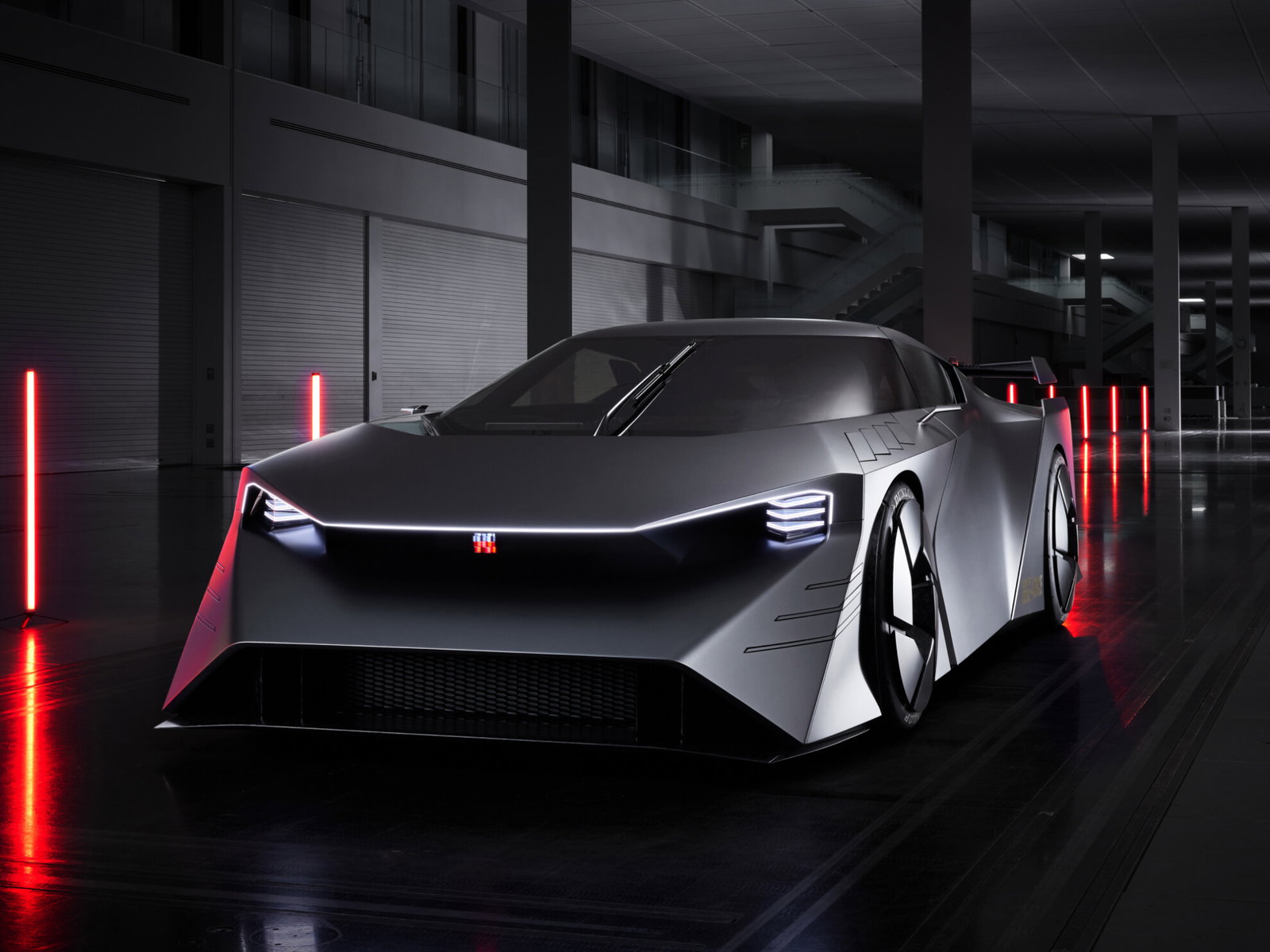
When Nissan unveiled the Hyper Force concept in 2023, the wild EV concept retained the dual round tail lights of every generation of GT-R, though its front design featured a full-length light bar, as well as three horizontal slats as its headlights.
It took Nissan more than two years to effectively confirm the GT-R will be coming back following endless rumours about its return.
“Is it a priority?” Espinosa said when asked about the return of the GT-R, as reported by Auto Express in April.
“Of course, it’s one of the strongest brands in our portfolio. It’s not only a car, it’s a symbol of many things inside and outside the company. There definitely needs to be a new GT-R: it will come.”
Less than a week later, Nissan’s global head of product strategy, Richard Candler, told US publication Motor1 the GT-R won’t go fully electric, due to a downturn in demand throughout the battery-powered sports car market.
“I think what we’ve seen so far is that electric sports cars haven’t been hugely popular,” Candler said.
 Jordan Mulach
“I think they’ll come as better battery technology takes its next leap, but the current lithium chemistries are not capable of producing a GT-R-type product. We’re not going to go with batteries in the next generation. No way.”
“[The GT-R] will have to be electrified because of emissions regulations at some level, of course. It’s just common sense that you would have a sense of electrification, but the battery’s a limiting factor.
“The battery chemistry is not strong enough yet to be able to deliver the requirements of the GT-R.”
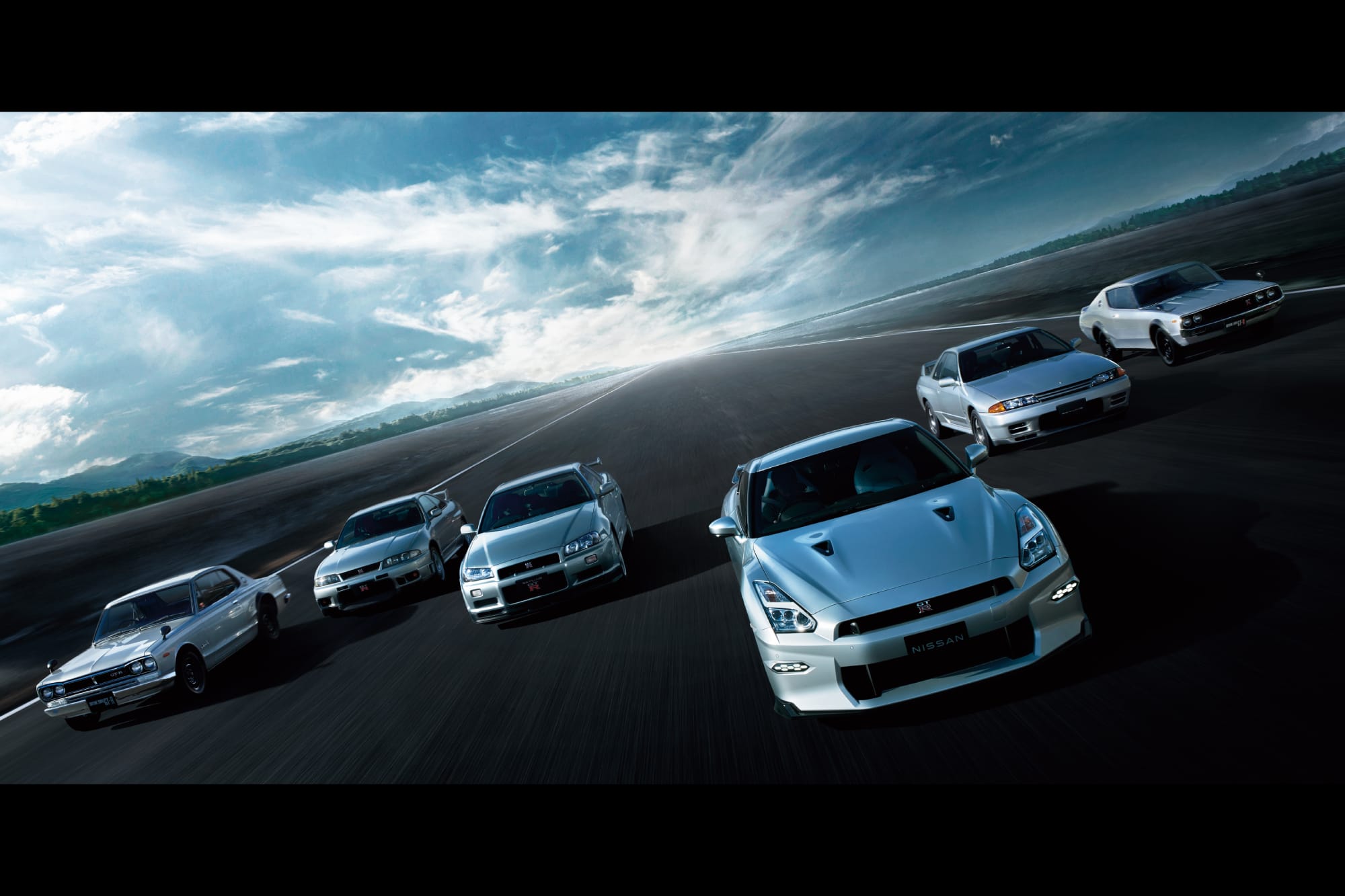
All generations of the GT-R - from its Skyline roots to becoming a standalone model with the R35 - have been powered by six-cylinder engines, initially naturally aspirated before adding twin turbochargers for the R32 to R34, while the most recent R35 was the first V6.
It’s not known whether the R35’s twin-turbo 3.8-litre V6 engine could meet emissions standards globally if it is electrified, nor is it known how Nissan would undertake this, though it’s almost a guarantee that the GT-R will remain all-wheel drive.