
Toyota could make $2.4 billion a year from selling engines
A new generation of Toyota powertrains is around the corner, and the Japanese car giant is trying to make big money by selling them to its rivals.

Toyota is the world’s biggest carmaker for a reason, and its hybrid technology has long set it apart from the rest of the competition, making its rivals play catch-up.
As reported by Automotive News, Toyota could soon turn its next-generation engines and hybrid powertrains into a cash cow, announcing plans to sell the equipment to other brands, with the target of generating US$1.7 billion (AU$2.4 billion) a year from the business.
That headline figure likely won’t be reached until 2032, though with its next-gen powertrains due to start rolling out from 2027, the five-year timeframe is short enough for it to start seeing income early in the piece.
While Toyota currently has a number of badge-engineered vehicles on sale globally – such as the Suzuki Across (RAV4) and Mazda 2 Hybrid (Yaris Hybrid) – it’s engine and hybrid sharing is relatively limited.
Lotus has been offering its sports cars with Toyota V6 engines for more than a decade, though it is soon moving to a new powerplant developed by its Chinese parent, Geely.
In the US, the Mazda CX-50 – sized like the CX-5 but with a more rugged design – has been fitted with a Toyota-sourced 2.5-litre hybrid powertrain also found in the RAV4, however this model isn’t a global market car.
The new Subaru Forester is available with a hybrid system which uses a Toyota battery, feeding an electric motor mated to Subaru’s own boxer engine.
While Toyota is yet to say which other brands could use its future technology, the car giant holds stakes in Subaru, Mazda and Suzuki, meaning it’s most likely to give them the first right of refusal.
In 2024, Toyota, Mazda and Subaru jointly announced they were committing to lower-emissions internal combustion engines (ICEs), leaning on greater hybrid assistance.
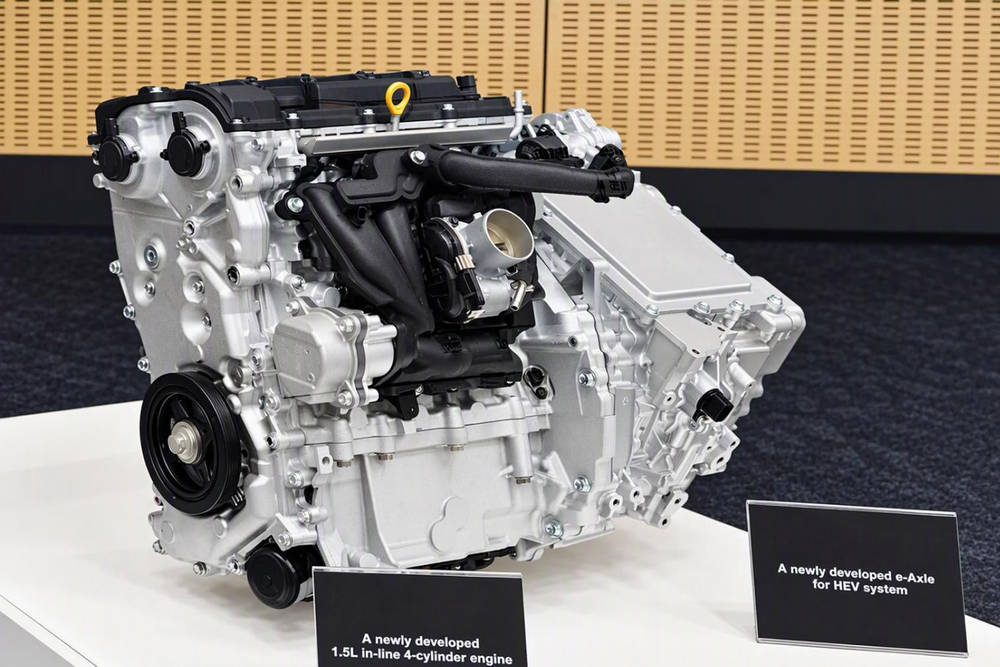
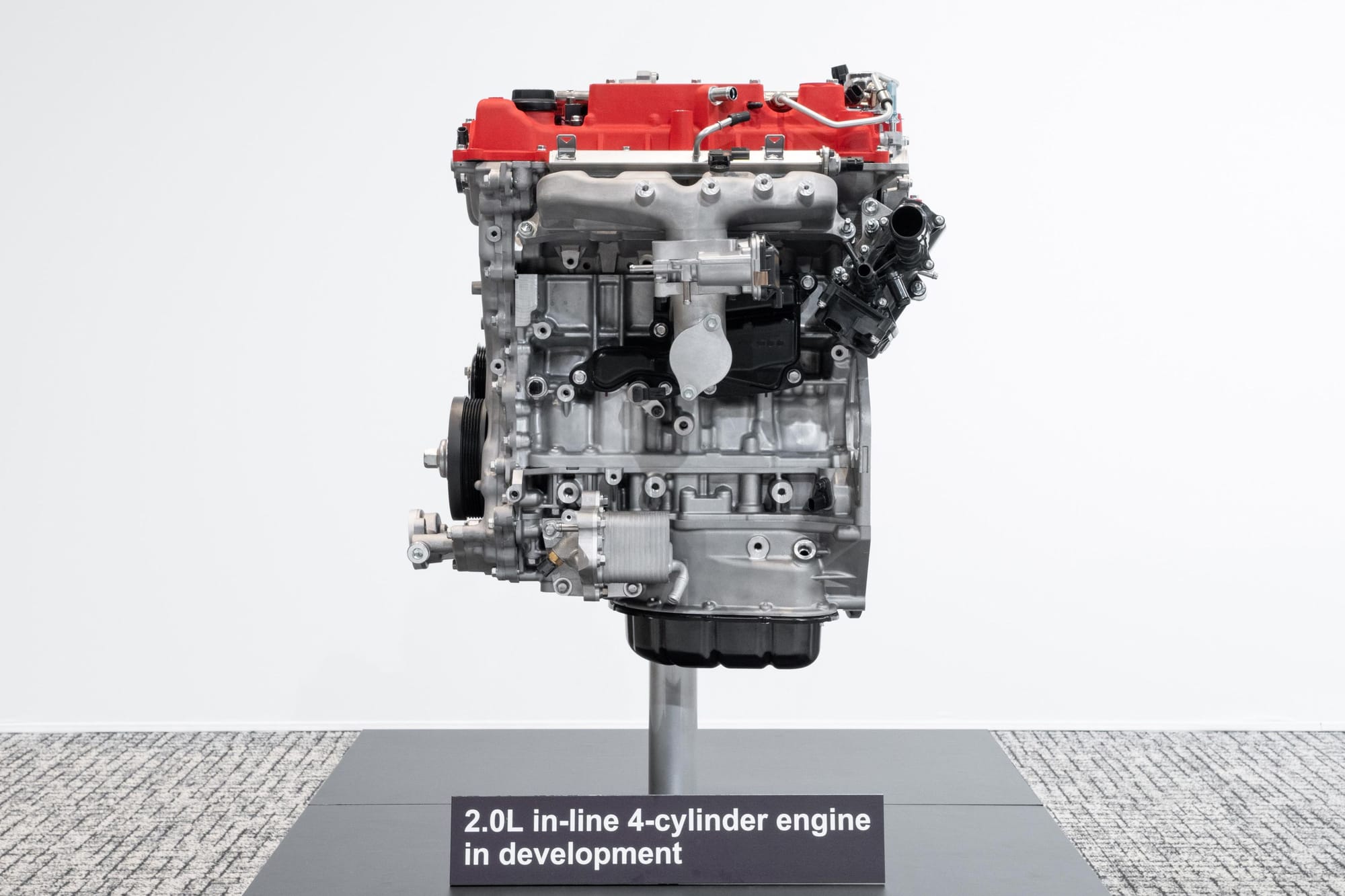
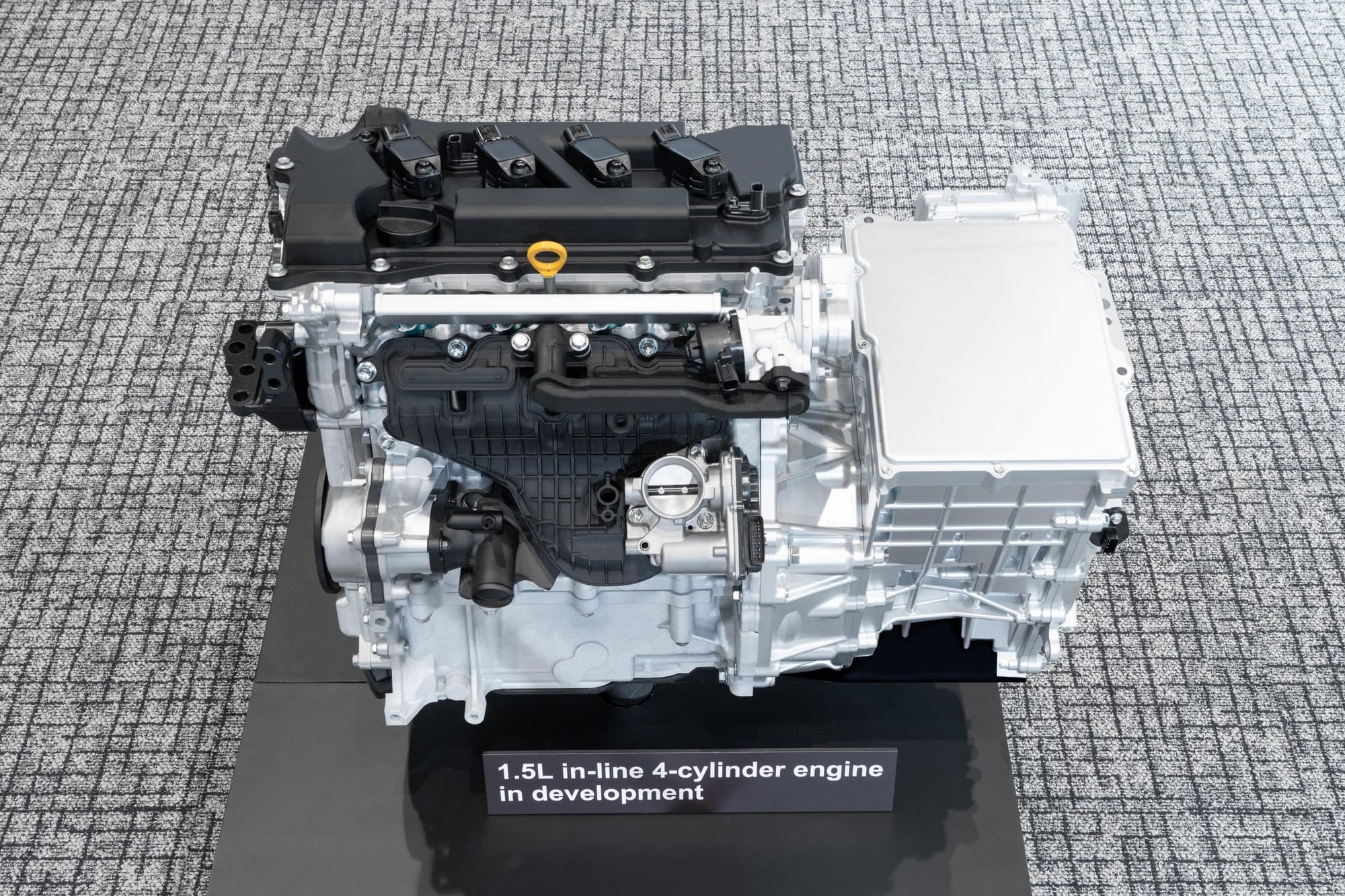
At the time, Toyota previewed two new four-cylinder engines: a 1.5-litre (available in both naturally aspirated and turbocharged guise) and a 2.0-litre turbo.
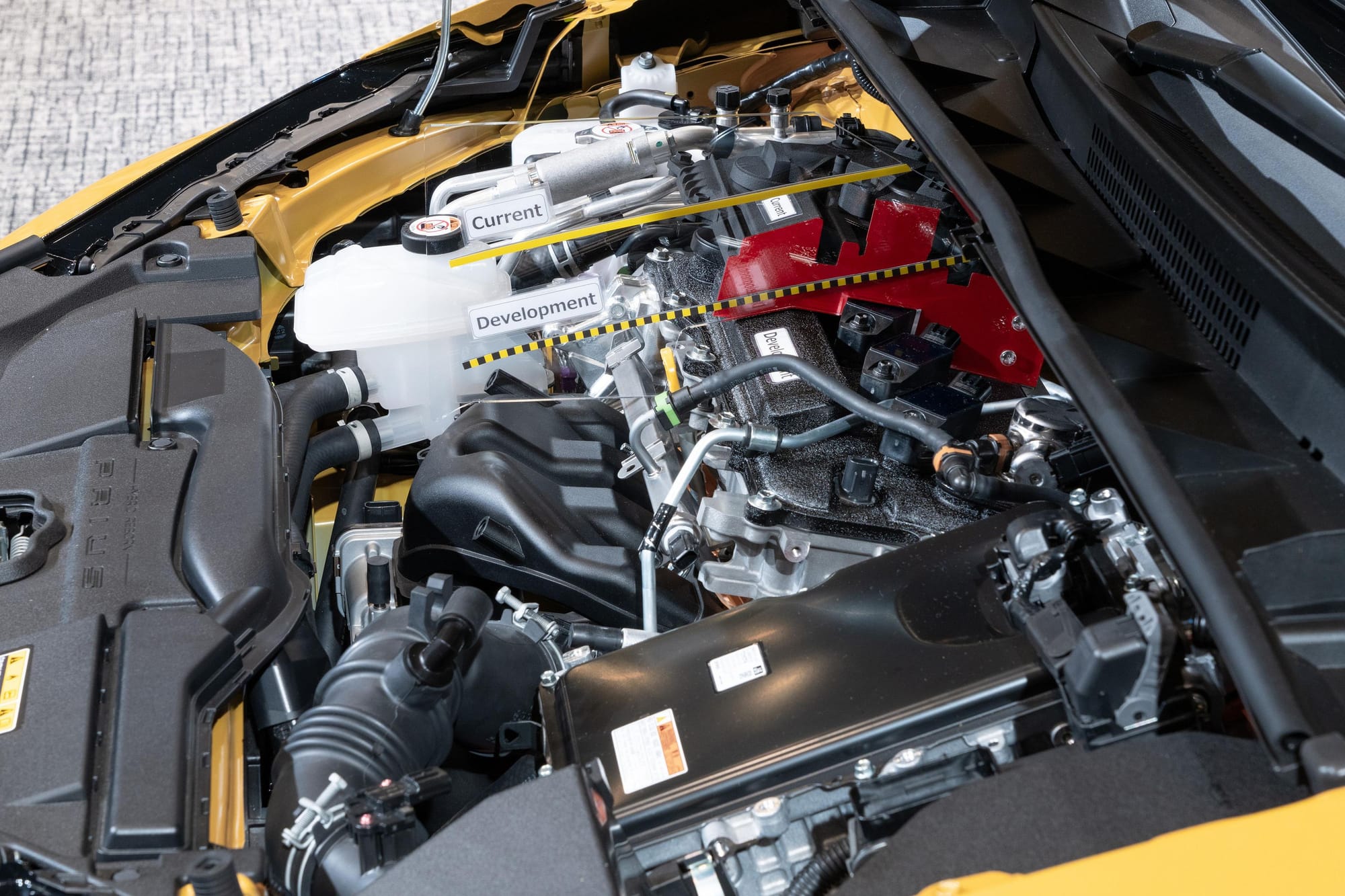
The 1.5-litre will replace the current lineup of engines with the same capacity, though it’ll occupy a 10 per cent smaller footprint. Its 2.0-litre meanwhile will take the position of its current 2.4-litre turbocharged engines.
Toyota’s announcement of its plans to sell future powertrains may lead to its potential partner brands changing course, as Mazda is developing its own hybrid system to work with its upcoming 2.5-litre Skyactiv Z engine, while also seemingly developing range-extender models with rotary generators.
Subaru earlier this year abandoned development of its ‘e-Boxer’ hybrid technology, leaving the door open for closer collaborations with Toyota.
The success of Toyota’s hybrid systems in its own vehicles has been reflected in its annual sales reports, last year delivering 4,433,503 hybrids across its core brand and Lexus, enough to account for 42.1 per cent of its overall deliveries.
Toyota dominated Australia’s hybrid market in 2025 as well, delivering a record 115,953 vehicles, more than half of the market for the technology, as well as more than any other car brand’s total.