
Ferrari backing biofuels to keep engines alive
The most famous automotive brand has already launched its first EV, and now it’s looking for other solutions to reduce emissions.

Ferrari was one of a few brands at risk not too long ago when Europe announced its plans to ban all new internal combustion engine-powered vehicles from showrooms, putting low-volume manufacturers at risk.
While that plan has now been abolished, Ferrari and others are still looking to cut their vehicle’s emissions, as new regulations will call for carmakers to reduce their fleet emissions by 90 per cent compared to 2021 levels before the start of 2035.
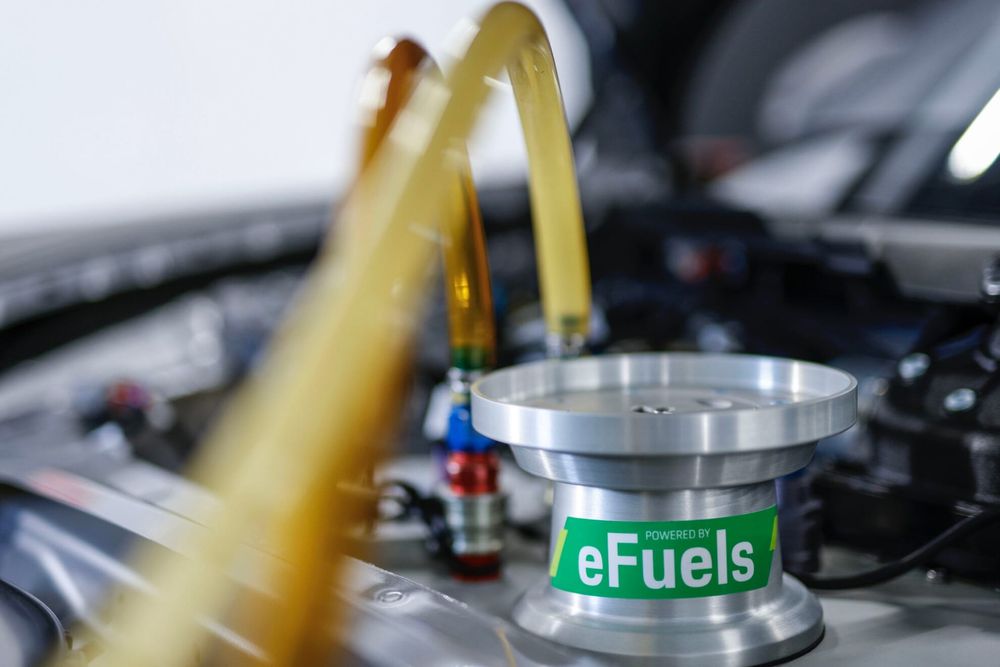
Electric vehicles and hybrids are one pathway to doing so, though carbon-neutral fuels and biofuels are also being investigated as another, with Ferrari now admitting it is looking into using them to keep engine production going into the future.
“We place biofuels in the category of carbon-neutral fuels,” said CEO Benedetto Vigna in Ferrari’s quarterly earnings call last week.
“For us, they are part of that group, and they work well in our engines. We have already tested different types of carbon-neutral fuels, and the engine performs very well. Nothing changes.”
When it announced its changes last year, the European Commission noted the 10 per cent difference to the 100 per cent reduction in emissions can be bridged by new cars with engines requiring biofuels and e-fuels, while carmakers can also use low-carbon steel made in Europe to get credits.
Ferrari is far from the first carmaker to take an interest in alternative fuels, with Porsche arguably being the largest supporter of efuels and has invested in the multinational HIF Global, and its pilot eFuels plant in Chile, Haru Oni.
In addition to this, HIF Global announced plans to build a synthetic fuel production facility in Tasmania, tipped to produce more than 200,000 tonnes of e-Methanol per year.
 Stephen Ottley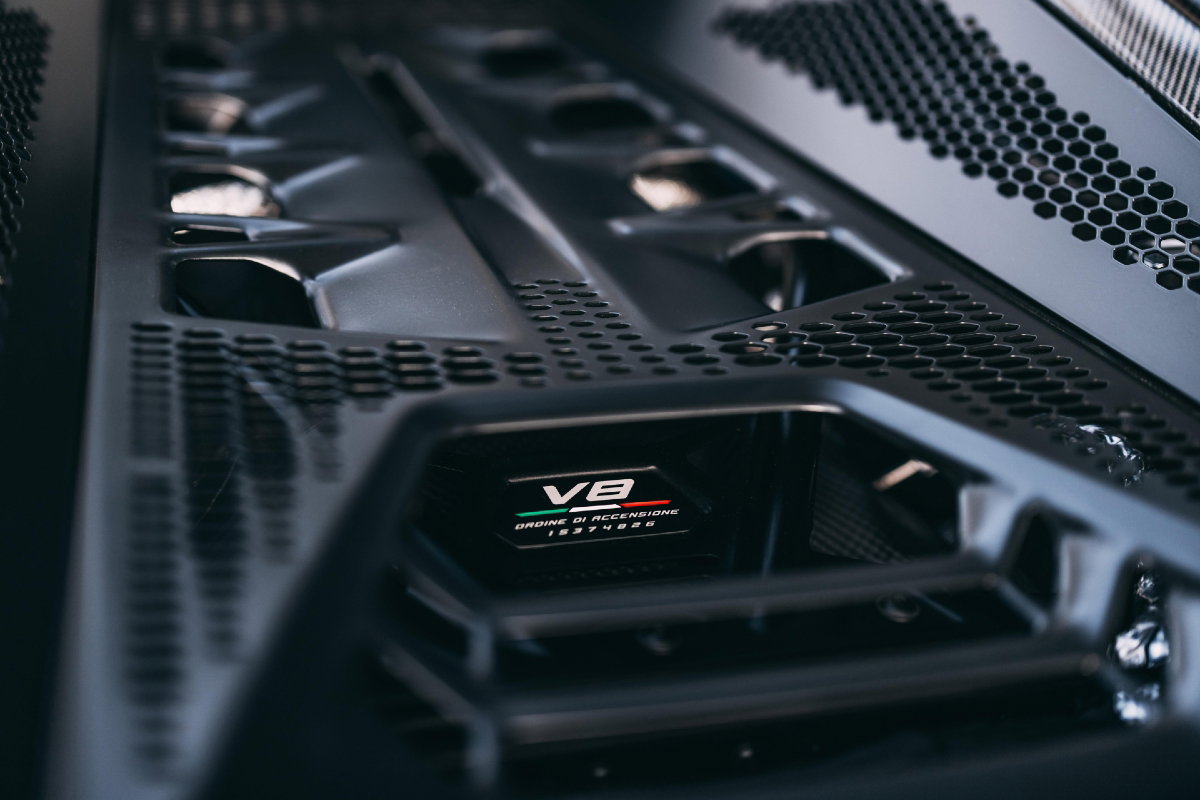
Last year, Lamborghini CEO Stephan Winkelmann threw his support behind synthetic fuels, not only reducing the carbon output of new vehicles, but helping to decarbonise older cars.
“Synthetic fuel is an opportunity for sure,” he said, almost a year prior to the European regulation backflip.
“ Synthetic fuel would neutralize the CO2 emissions, so this would be good if we could have synthetic fuels after ‘35. The point will be the amount which will be at the disposal if the governments are, let’s say, pushing for the production of synthetic fuel, because today it’s very expensive and it’s a very low quantity.
“So if this is feasible, for sure, this will be a good opportunity to maintain internal combustion engines together with a plug-in hybrid system. And we have to see, we have to see, there is a chance, but I don’t see today that the industry is moving into that direction.”