
Ford Ranger Super Duty turned into fire-fighting ute
A new emergency services-based Ford Ranger has been uncovered, previewing what could be added to fire-fighting fleets in Australia.

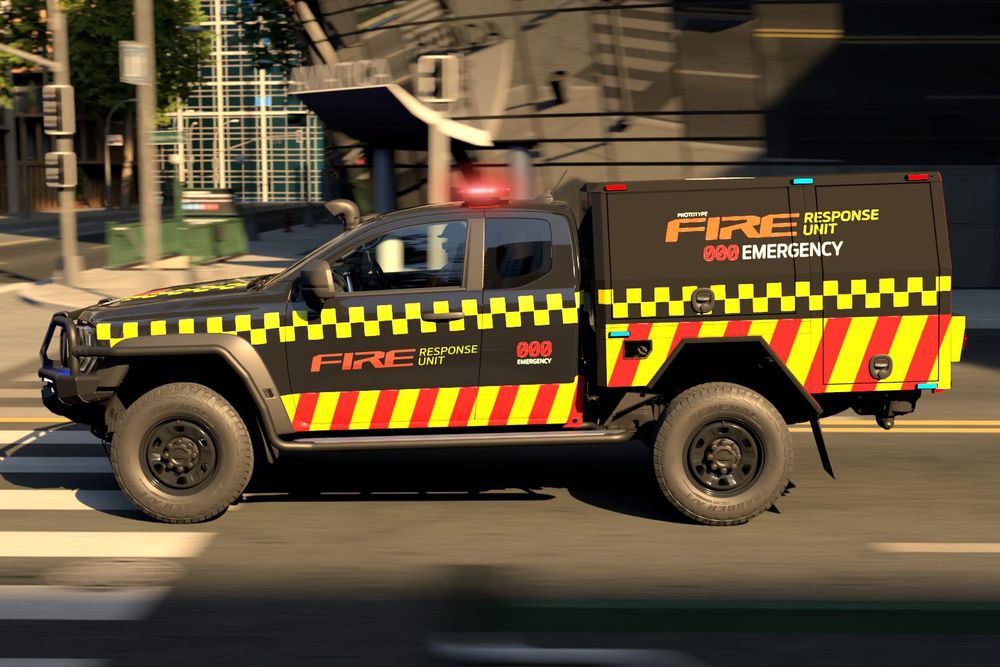
One of the many briefs for the Ford Ranger Super Duty was to provide solutions to fleets which the standard Ranger couldn’t, and this latest development is one step closer to making that a reality.
Developed in conjunction with Deakin University and XL Service Bodies, the Ford Ranger Super Duty Fire Response Unit is now on display at the AFAC (Australasian Fire and Emergency Service Authorities Council) conference at the Melbourne Convention and Exhibition Centre.
Based on the Ranger Super Duty Super Cab (which features just two doors but additional space and ‘jump seats’ behind the main two seats), the ute was selected as it provides the best balance between tray space and interior room to store and protect important equipment.
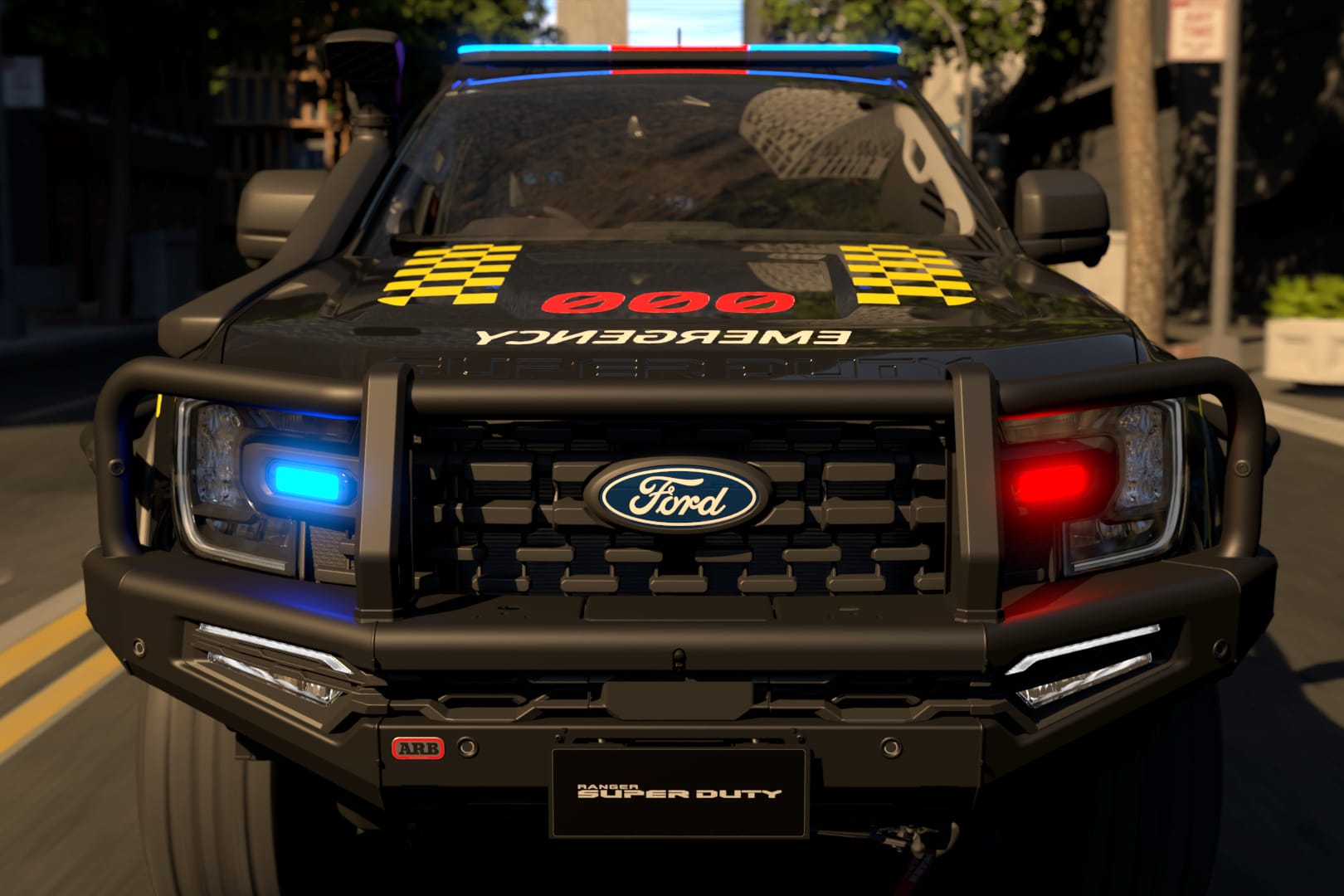
Designed as a concept for now to show off the capabilities of Ford’s Pro Converter Program, the Ranger Super Duty FRU is the latest result of a 40-year partnership between the carmaker and Deakin University, with the ultimate aim of delivering better response to fires.
Developed through the use of computer-aided design (CAD) software and full-scale virtual reality environments, the ute was then made into a physical mock-up before being turned into a functional prototype, with additional upfitting from Zeliox Australia to integrate an inverter and charging system with solar capability.
Given its underpinnings, the Ranger Super Duty FRU continues with the ute’s 4500kg gross vehicle mass, with no aftermarket suspension upgrades fitted. This allowed the fitment of dual high-flow (1000 kPa at 500L/min) and ultra-high-pressure (3000 PSI at 18L/min) pumps, which are controlled via the interior infotainment touchscreen.
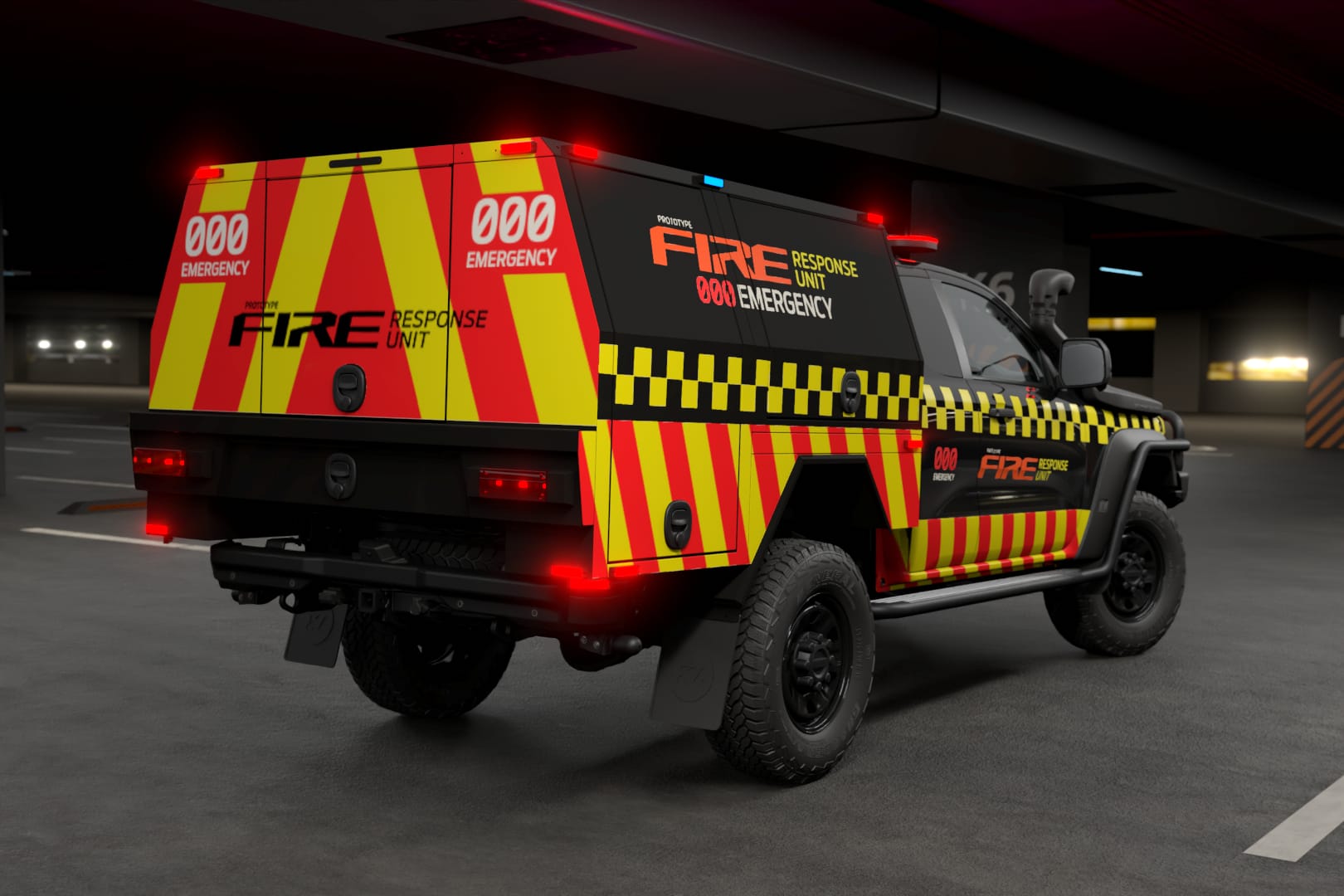
The touchscreen also controls the siren and lighting systems, utilising an existing component in a bid to maximise cabin space.
"We are not trying to replace traditional fire trucks or the firefighters who crew them,” Ford Pro Conversion development manager, Jeremy Welch, said in a media release.
"But a Ranger Super Duty could carry the equipment needed to manage those critical first few minutes while the cavalry is on its way. The Ranger Super Duty provides a platform that could genuinely handle the job without needing heavy modification just to get it road- and track-worthy.
 Jordan Mulach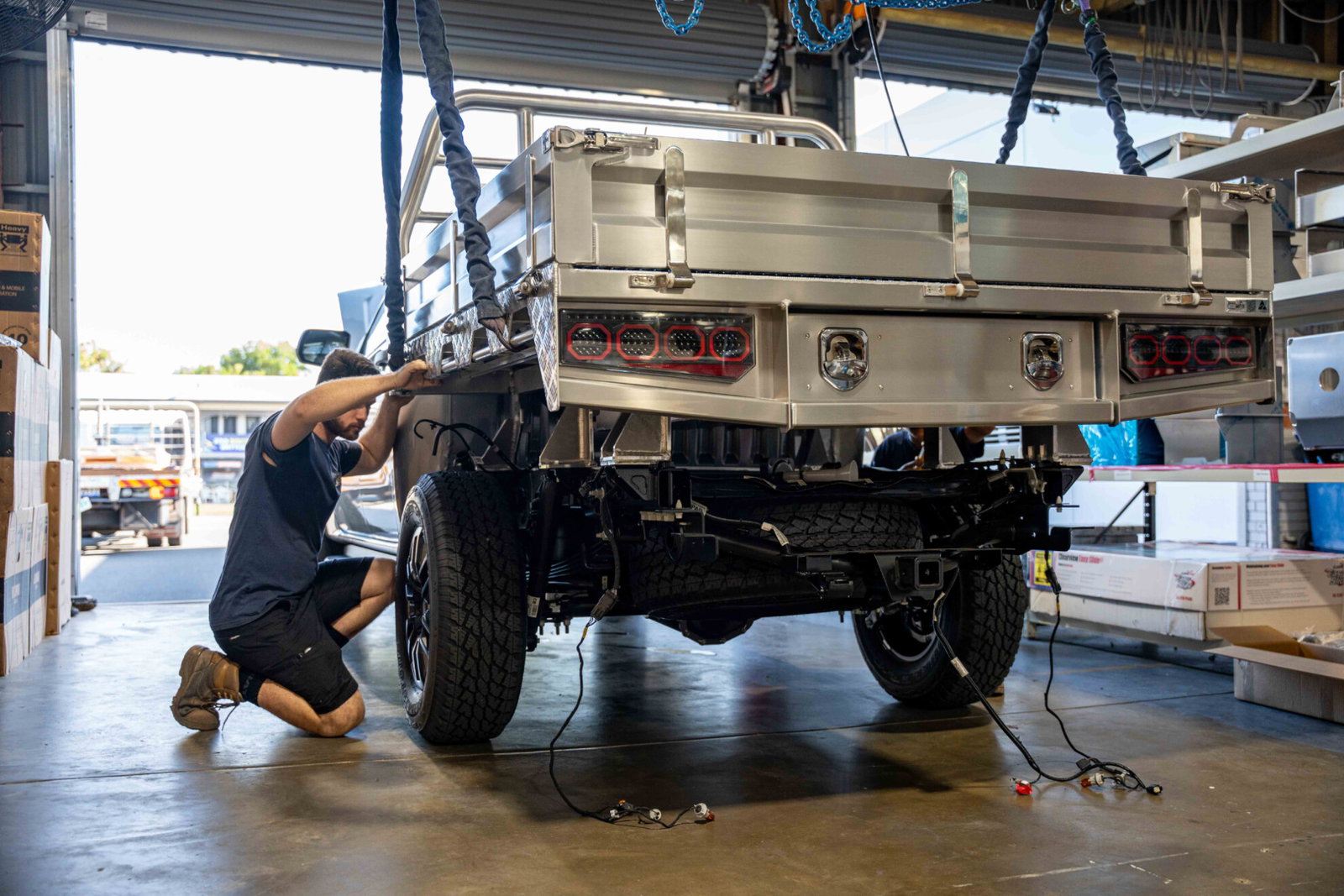
“The GVM and payload means we have real capacity to work with equipment and water, and the factory-level off-road capability means it can get into the places where these incidents actually happen."
For Welch, the end aim is for the Ranger Super Duty FRU to be a vehicle which “could help get trained personnel and critical equipment to an incident sooner, with the aim of supporting the broader industry goal of narrowing that response gap, especially in urban environments.”
“While the Fire Response Unit is a concept vehicle right now, it’s a blueprint for a fleet solution that could be built, serviced, and supported nationwide.”