
The VE Holden Commodore turns 20: Two decades of the ‘Billion Dollar Baby’
20 years ago today, Holden unveiled the VE Commodore to the world.

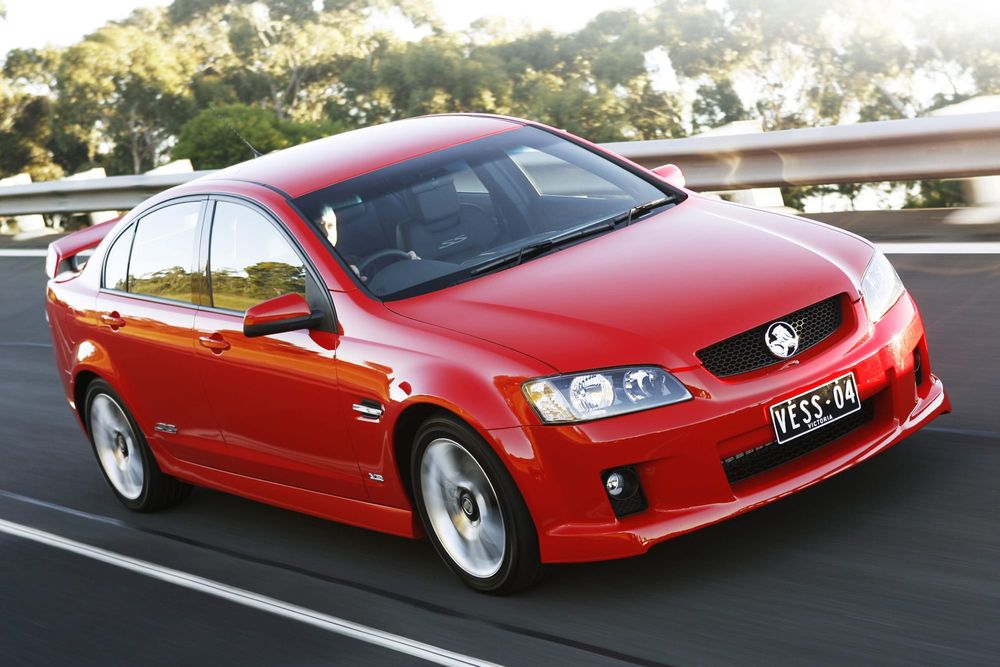
The Holden Commodore is one of the key pieces of Australia’s motoring landscape, and today marks 20 years since the VE Commodore was revealed, igniting an era of change for the long-time best-seller.
After first launching the Commodore nameplate locally with the VB in 1978, Holden had enjoyed three generations of success for its Ford Falcon fighter, though prior to the arrival of the VE there was always something holding the Commodore back.
Since its introduction, the Commodore had been a heavily reworked version of Opel and Vauxhall’s sedans in Europe and the UK, respectively. Though there were enough parts and development put into the Commodore to make it a local product – not to mention its Australian production lines – its detractors always brought up that overseas link.
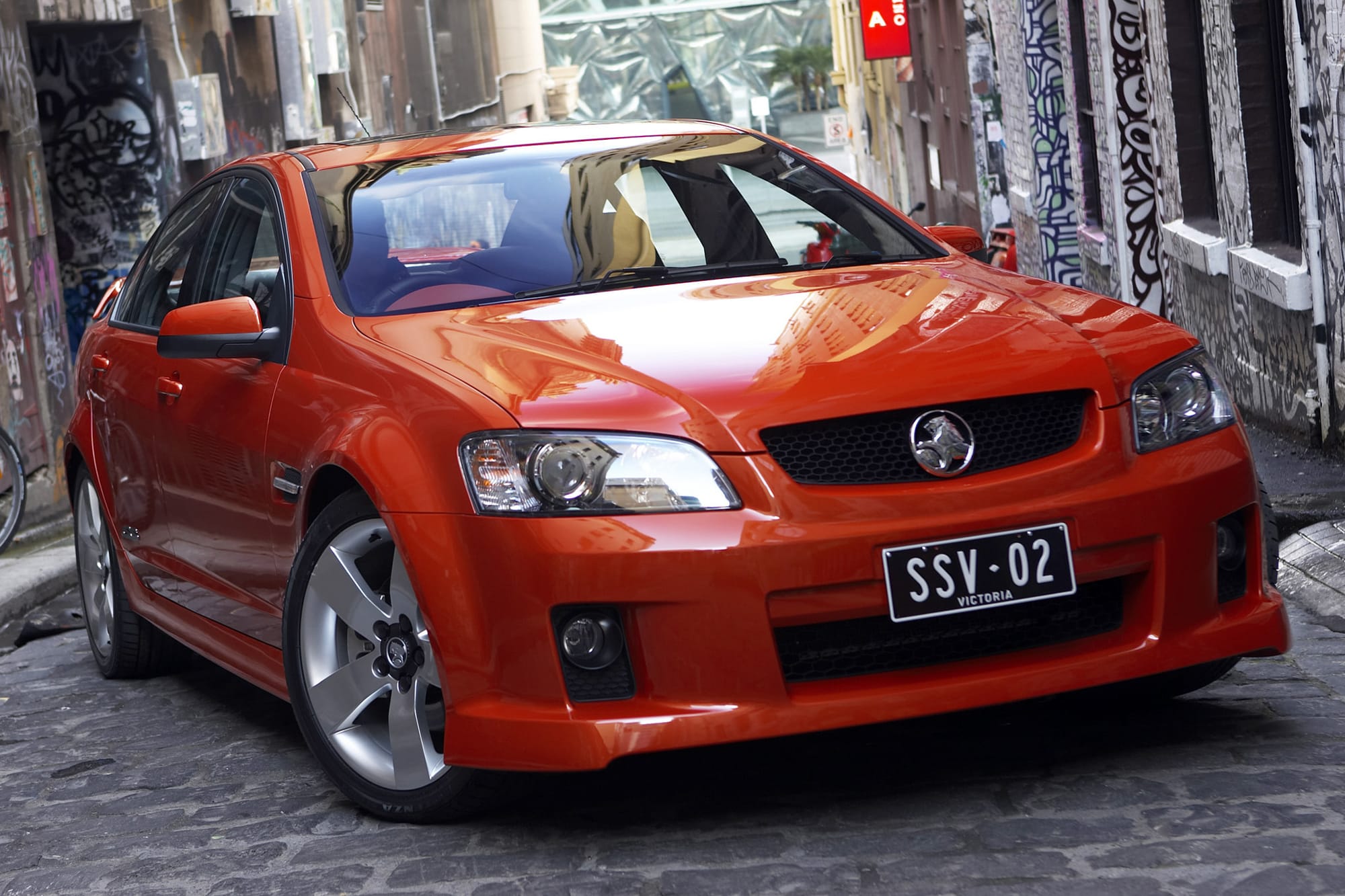
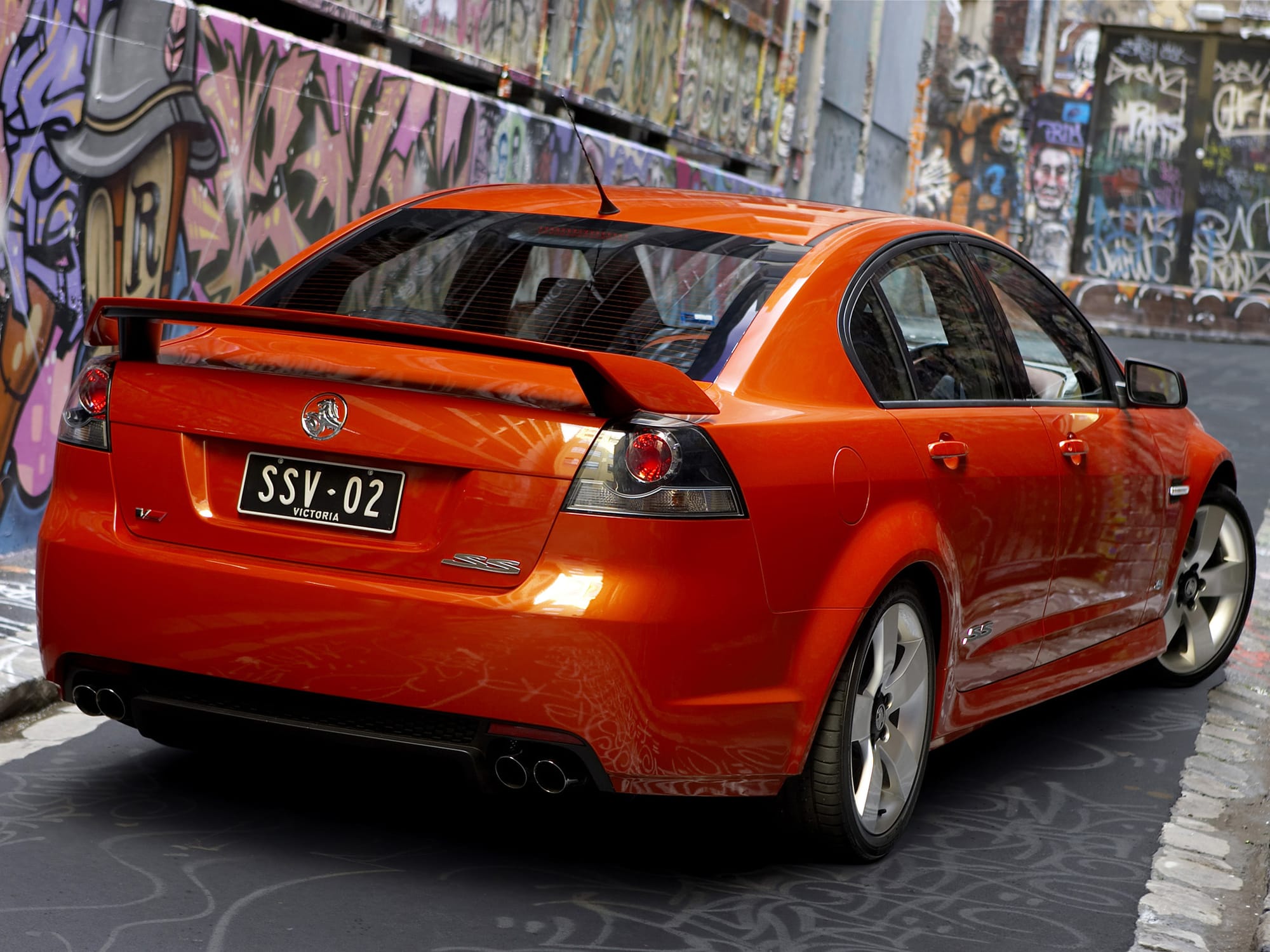
With the VE Commodore, Holden sought to rectify that by developing an all-new platform – later named Zeta – under which the Peter Hughes-designed body of the new sedan, ute and wagon would lay.
Development on the VE started as early as late 1998, at which point the Commodore had only just entered its third generation with the VT, a design which was effectively updated three more times (VX, VY and VZ) before the arrival of the VE.
The first signs of what the VE Commodore would look like became clear at the 2004 Australian International Motor Show in Sydney, where the Holden Torana TT36 concept was unveiled.
It would later bear a striking resemblance to the VE production model, though we never did get to see its twin-turbo 3.6-litre V6 engine shoehorned into the Australian-made Commodore.
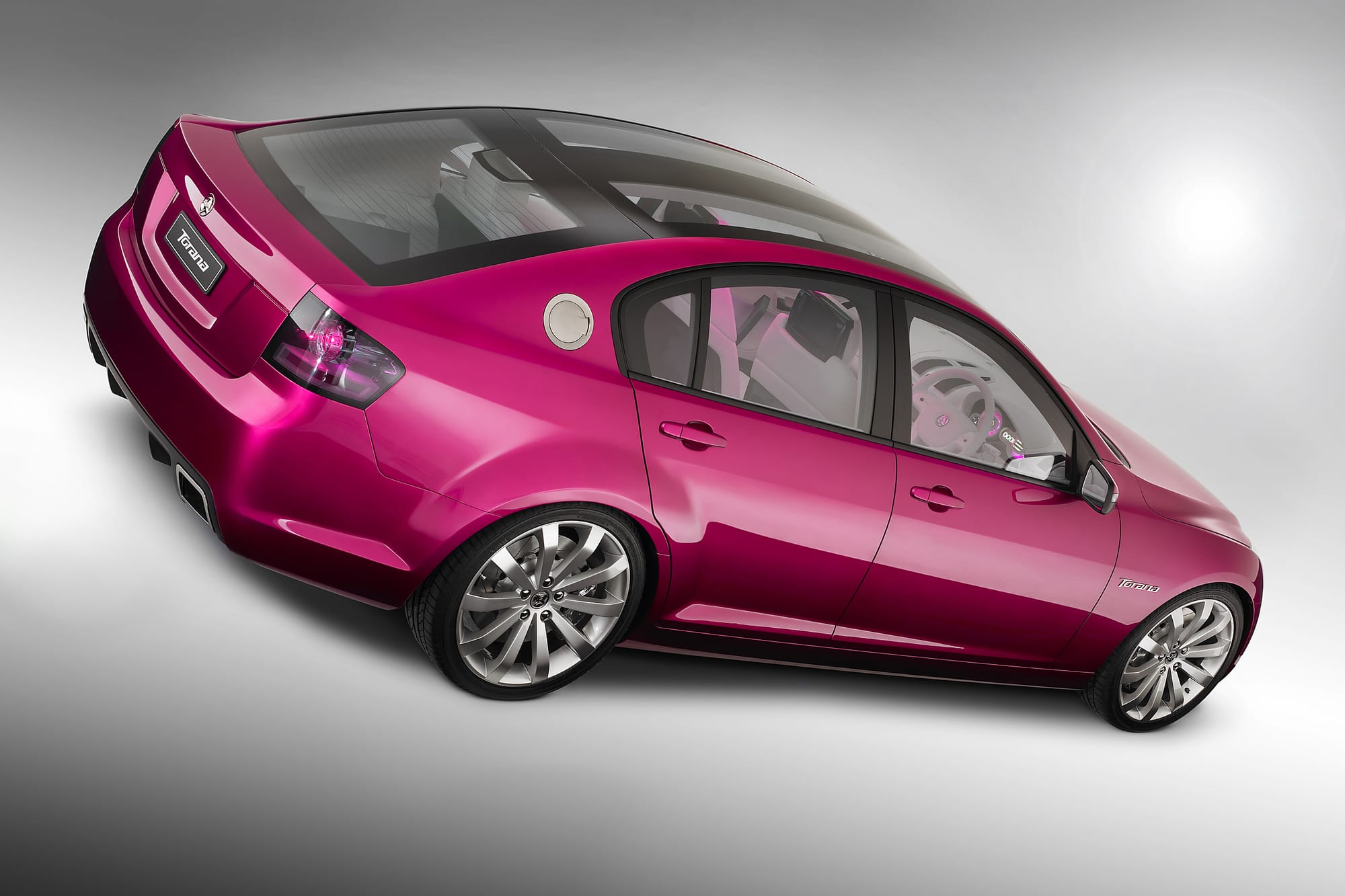
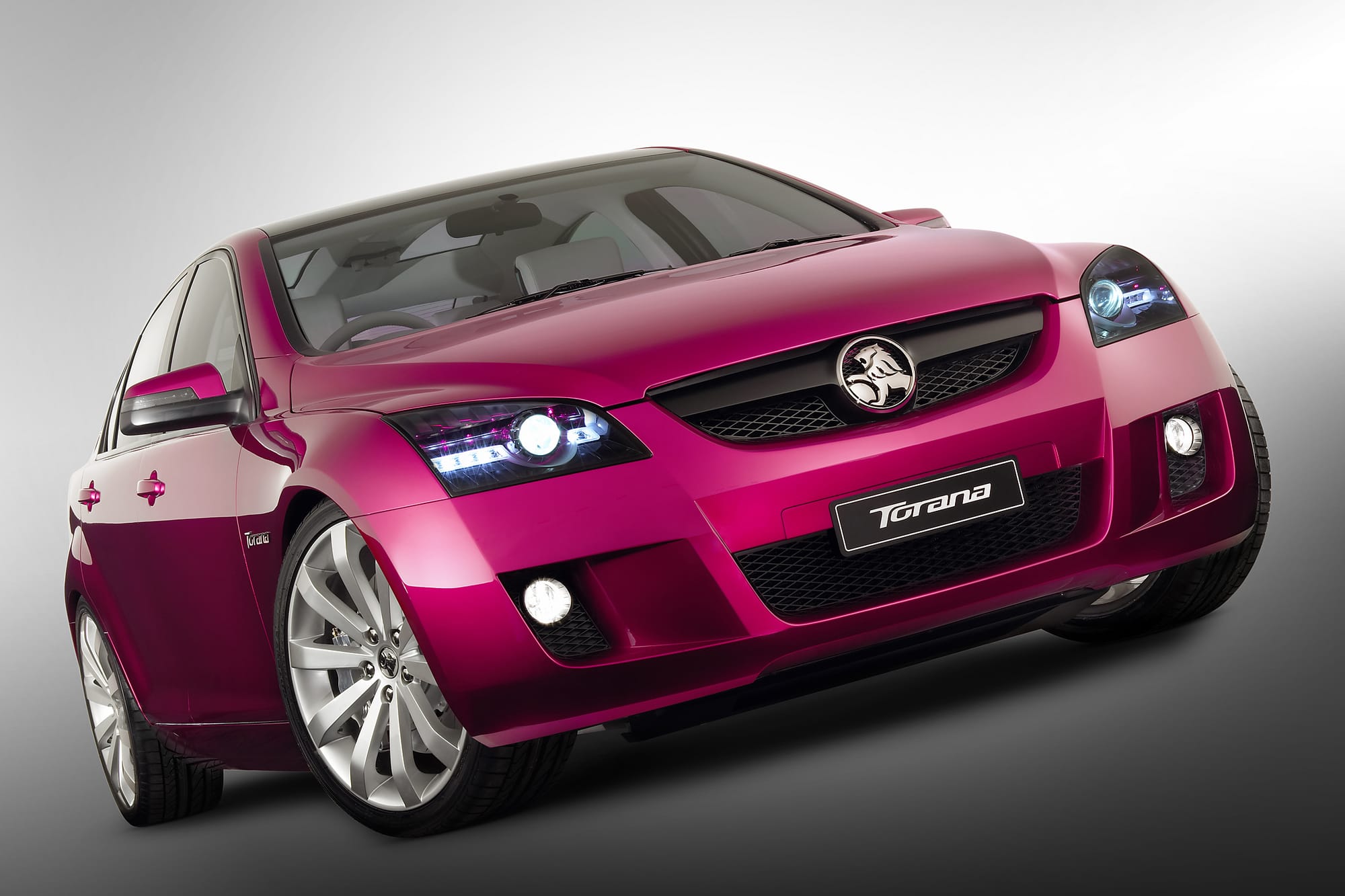
Holden Torana TT36 Concept
In the lead-up to the VE Commodore’s unveiling, prototypes were spied, showing its revised proportions compared to predecessors, however the true level of its development wasn’t discovered until covers came off on July 16, 2006.
At the Melbourne International Motor Show, Holden hosted not only Australia’s top motoring journalists but also a revolutionary livestream of the VE Commodore’s reveal, reflecting how important its launch was.
Being slightly longer, wider and taller than the outgoing VZ Commodore, the VE represented a new ethos for Holden, which started development with the longer wheelbase Caprice and Statesman, but cut length out for its volume seller.
Few of the previous-generation models’ components carried over, and it became clear why when it launched.
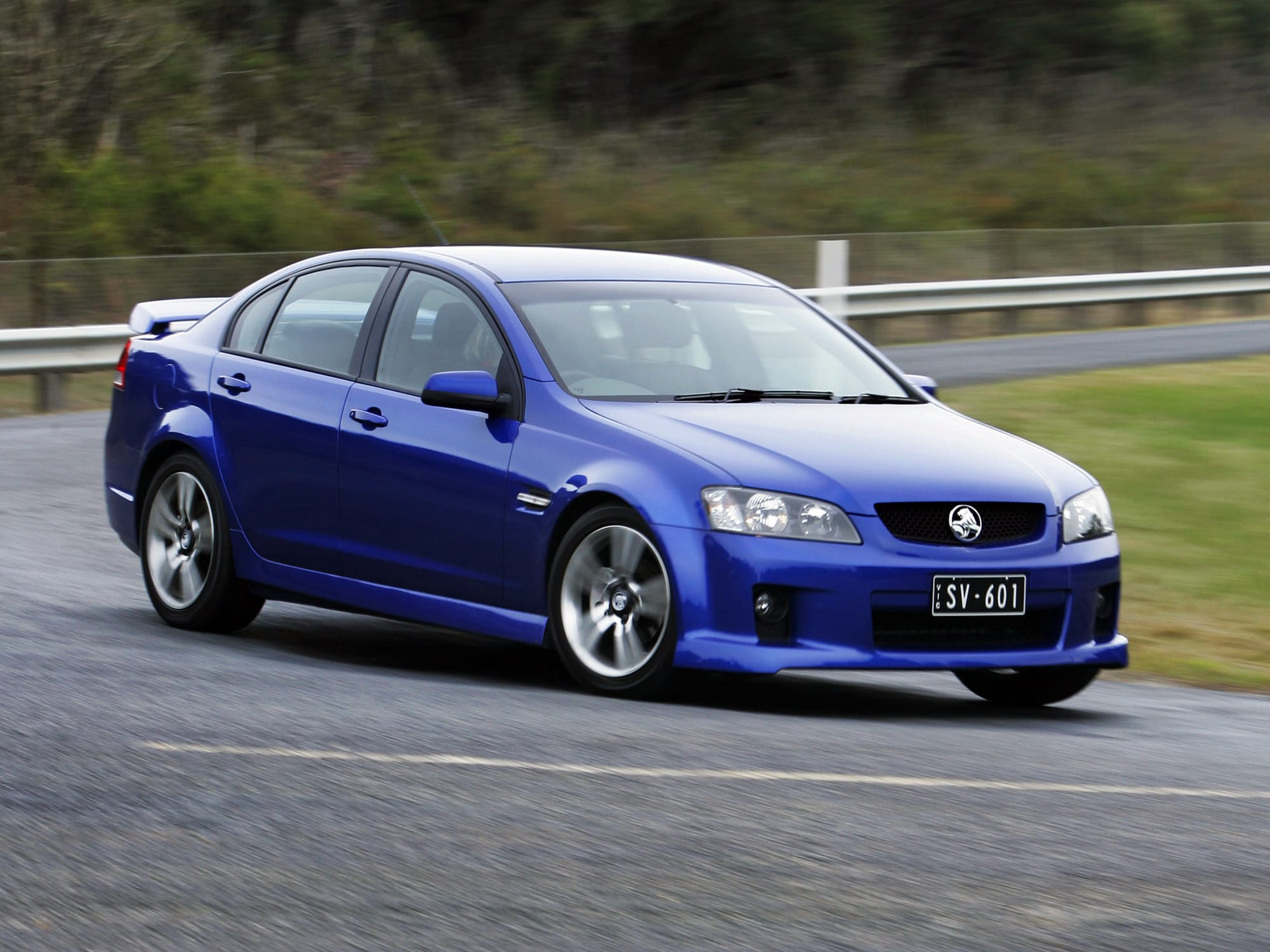
The VE Commodore’s development cycle lasted almost eight years from the first pencil on paper to the first car rolling down the production line – which occurred on July 13, three days before the global launch – and was reported to have cost more than $1 billion, equivalent to almost $1.7 billion today.
Because of this, the VE Commodore was dubbed Holden’s ‘Billion Dollar Baby’, and the development bill made sense later down the line when the Commodore-based Holden Ute (2007) and Sportwagon (2008) were launched later on.
From launch, the Commodore was available in base Omega and Commodore V (3.6-litre V6, four-speed auto) trim, the mid-range Berlina (3.6-litre V6, four-speed auto or 6.0-litre V8, six-speed auto) the sporty SV6 (3.6-litre V6, five-speed auto or six-speed manual), or SS and SS V (6.0-litre V8, six-speed manual or auto guise).
The WM Caprice and Statesman also offered the 3.6-litre V6/five-speed auto and 6.0-litre V8/six-speed auto combinations.
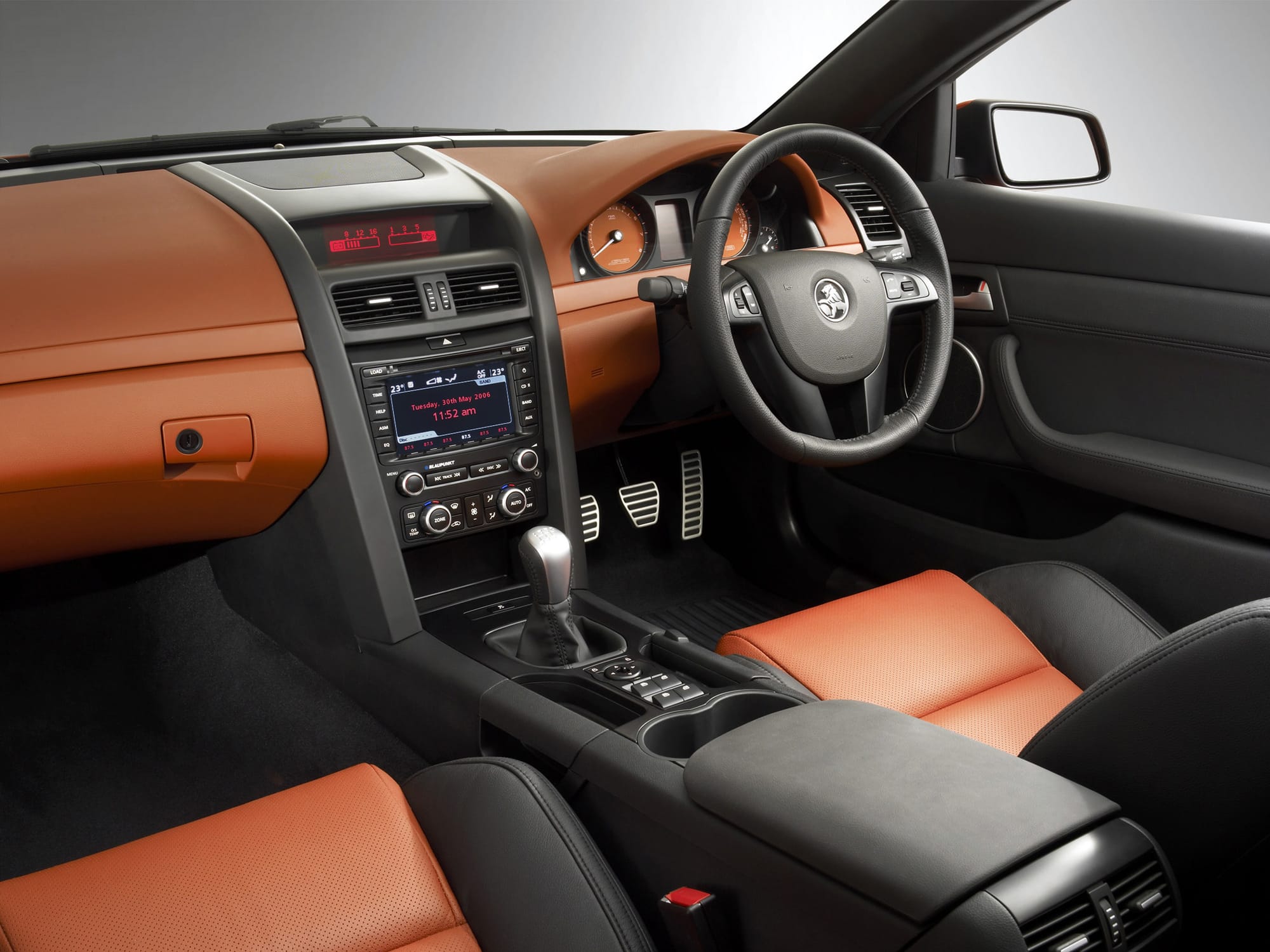
Coinciding with the launch of the VE Commodore was also Holden Special Vehicles’ (HSV) new E Series range, with higher performance versions badged the Clubsport R8, GTS and Senator.
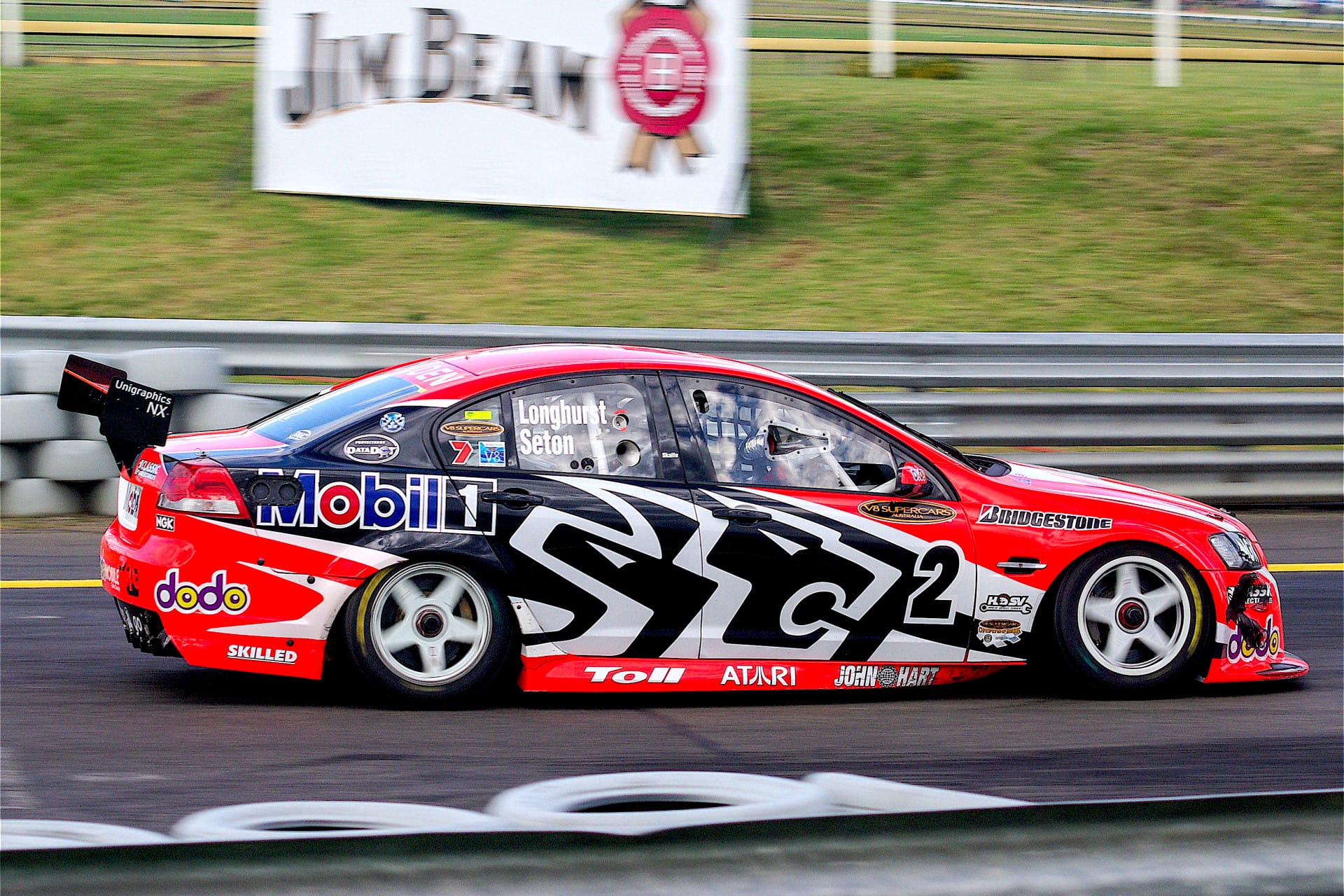
It wasn’t until 2007 when Holden first took the VE Commodore to the track in the V8 Supercars championship, however it didn’t take long to find success, with Todd Kelly (Holden Racing Team), Rick Kelly and Garth Tander (HSV Dealer Team) winning the first eight races of the season.
That year also saw Mark Skaife match Peter Brock’s record for round wins in the championship, while the VE – despite missing out on a podium placing at the Bathurst 1000 after a Ford Falcon sweep – went on to win the title in the hands of Tander.
The VE would go on to win two more V8 Supercars titles (2011 and 2012, both in the hands of Jamie Whincup), however its success on the track didn’t completely carry over to the sales charts.
Commodore sales had peaked at 103,764 deliveries in 2003 with an 11.4 market share, while in 1998 the Commodore enjoyed a market share of 12.8 per cent with 103,167 deliveries.
In 2005, the last full year of the VZ, sales had dropped to 86,996 with an 8.8 market share, though the Commodore remained the best-selling vehicle in Australia.
Through 2006 (which featured a mix of VZ sedan, wagon and ute, plus VE sedan late in the year) the figure continues to drop to 70,605 deliveries, before continuing down to 68,827 in 2007, 64,542 in 2008, 56,491 in 2009, 57,361 in 2010, and 50,106 in 2011, at which point it had a market share of just five per cent.
The Commodore (including the Ute) lost its long-held sales crown to the Mazda 3 in 2012, with the popular small car managing 44,128 deliveries and a four per cent market share. Not including the Holden Ute, the Commodore had been beaten by the Mazda 3 in 2011 too.
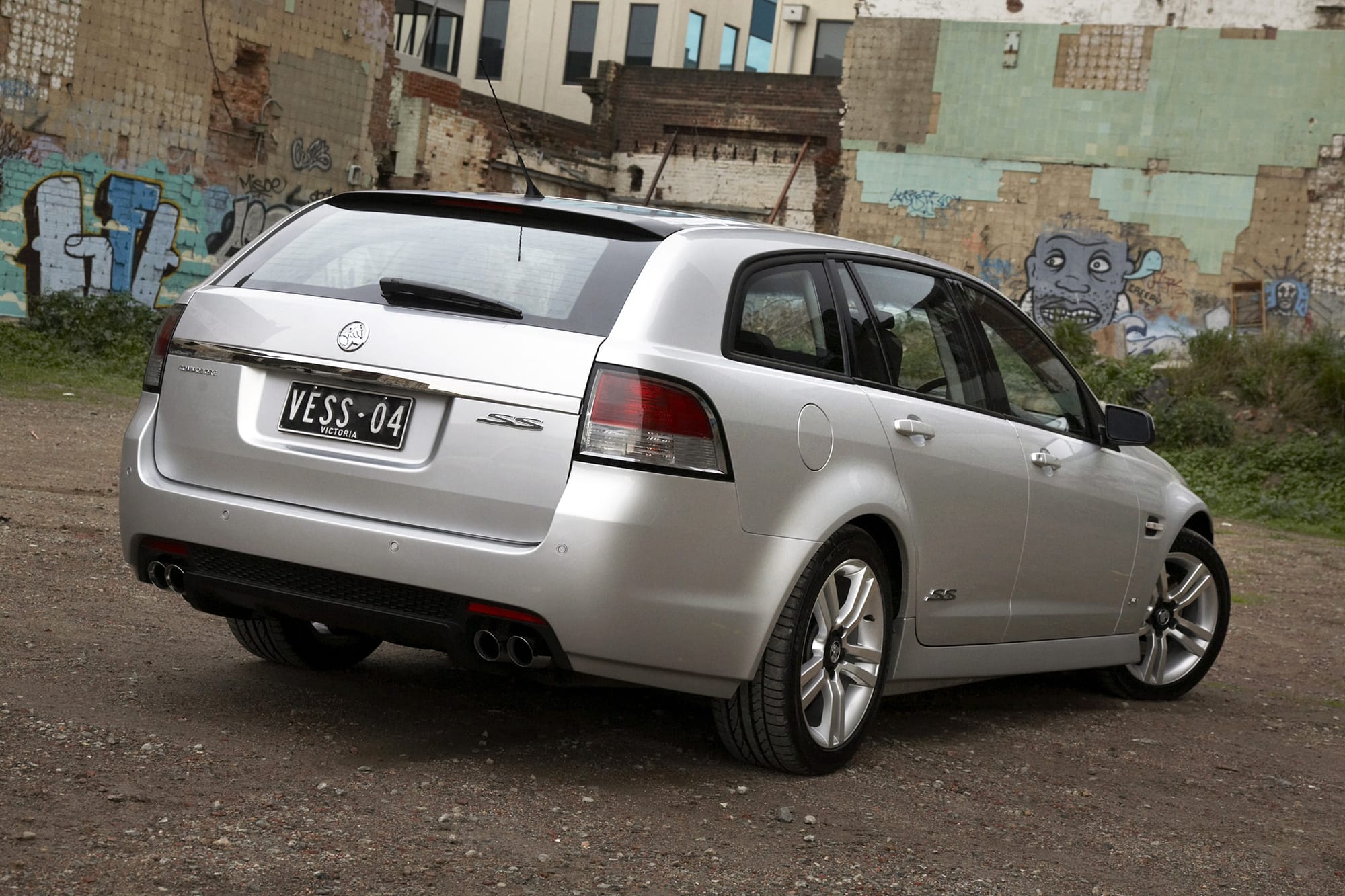
2012 was the last year of the VE Commodore, which had been facelifted in late 2010 to offer new engines and fresher equipment, though it wasn’t enough to arrest the slide in sales triggered by the Global Financial Crisis.
The final VE Commodore was built on May 17, 2013, at which point more than 350,000 examples of the Commodore, Ute, Caprice, Statesman and HSV E Series variants had been sold in Australia.
However, the Elisabeth factory in South Australia had actually made more than 520,000 VEs in total, including all the export market vehicles based on the Commodore.
These included the Chevrolet Lumina (Middle East), the Chevrolet Omega (Brazil), the Pontiac G8 (North America), Chevrolet Caprice (US, law enforcement only), and the Vauxhall VXR8 (UK, based on the HSV Clubsport R8).
Additionally, the Australian-developed Zeta platform under the VE Commodore was used on the reborn Chevrolet Camaro from 2010 to 2015, bringing General Motors back into competition with the Ford Mustang in North America.
The VE Commodore was succeeded by the VF Commodore in 2013, which became the last Australian-made vehicle, as Holden shut its production line in October 2017.
You can watch Holden’s own 45-minute video of the birth of the VE Commodore – including its launch 20 years ago – below.
What are your favourite memories of the VE Commodore? Let us know below.