
Toyota believes rival brands will want its future engines
As times get tougher for brands to develop new internal combustion engines, Toyota Gazoo Racing’s president says its next-generation offerings will have competitors asking for help.

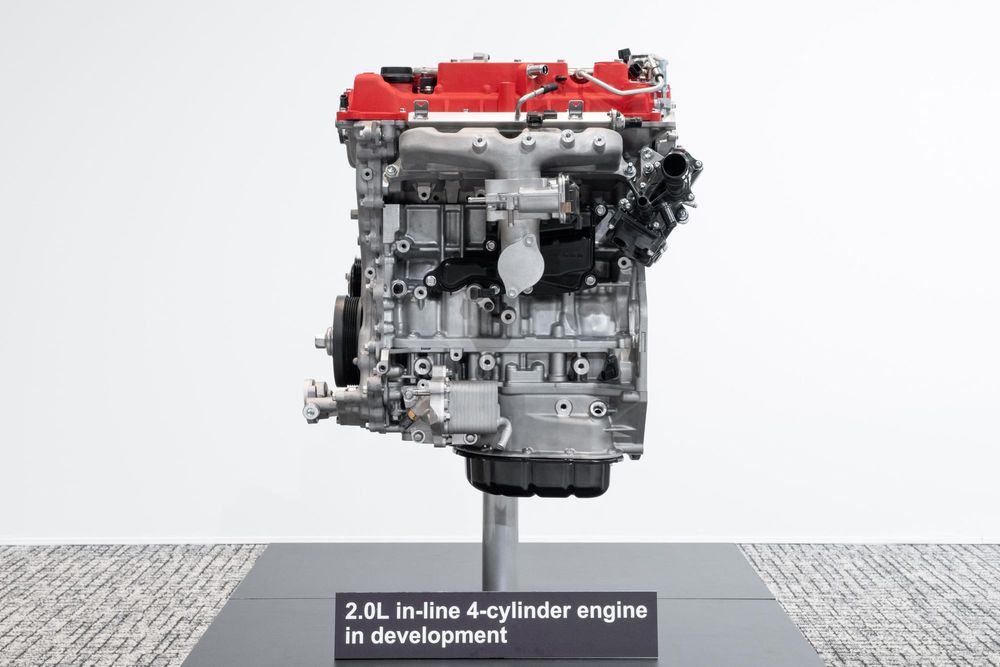
Toyota is going full throttle on the development of its next-gen engines, and one high-ranking executive is keen to let other brands know it’s open for business to sell them in the future.
“Rather than looking to sell engines externally right away, we’re seeing interest within Toyota in using sports-car engines in several models,” Toyota Gazoo Racing president Tomoya Takahashi told the brand’s in-house magazine, Toyota Times.
“That’s one reason we’re exploring longitudinal and transverse installations as well as turbocharged and naturally aspirated configurations.
“In the future, I think it will become increasingly difficult for automakers to develop engines entirely on their own. As long as we’re building engines like these, though, others will come to us.
“Our goal isn’t to make money by selling engines to other companies. We have a much bigger purpose: to make engines like these available for a wider range of cars so we can preserve choices for car-loving customers.
“To me, cars are the ultimate objects of passion. There will always be people who simply love the thrill of driving.
“Even as autonomous driving advances, I don’t believe we’ll ever reach a point where nobody wants to drive for pleasure. If anything, we need to keep giving people opportunities to experience the joy of driving.”
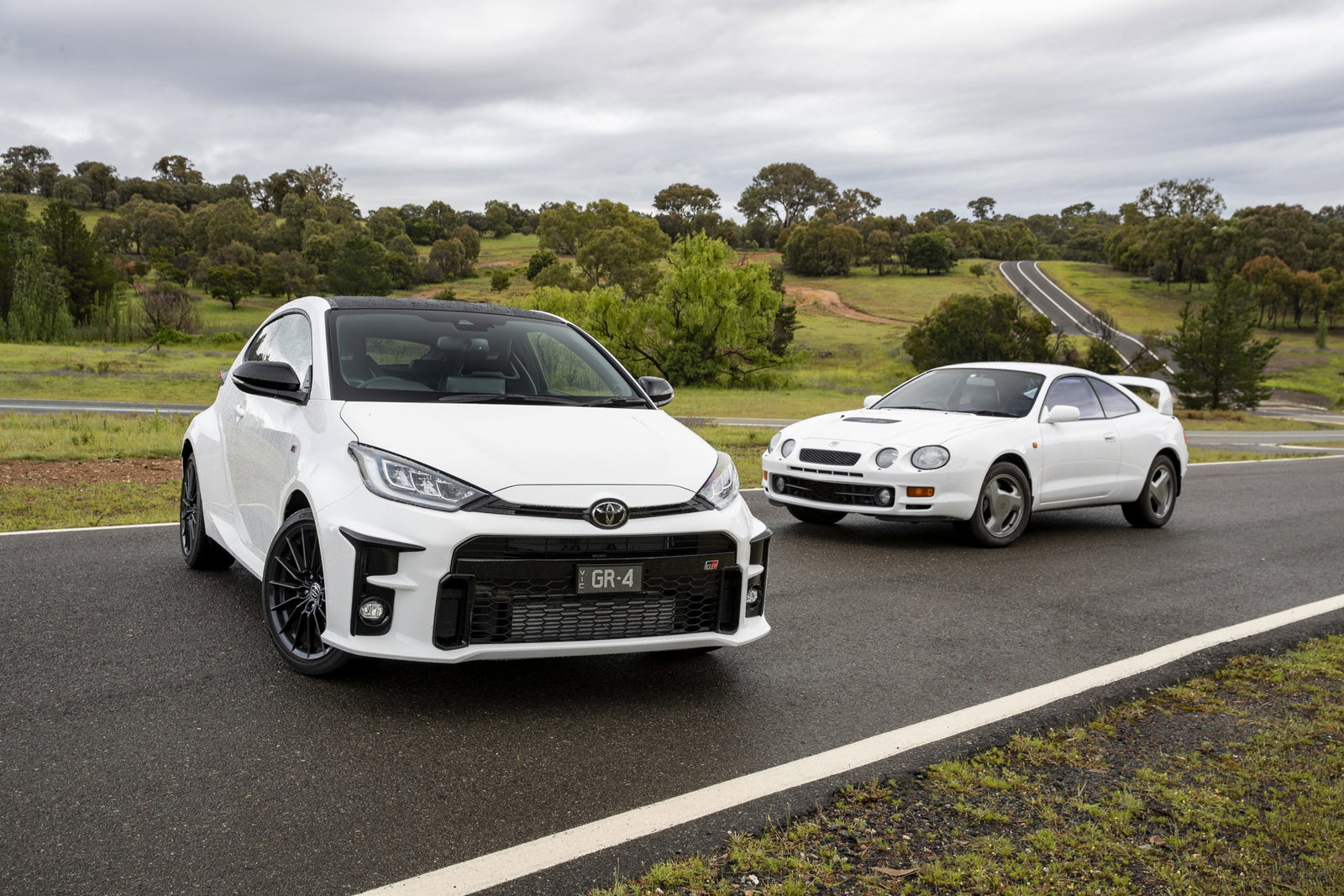
At the most recent round of Japan’s Super Taikyu racing series at Okayama, Toyota debuted not only its new-look GR Yaris M Concept – the alleged development mule for the reborn MR2 – but also a GR86 powered by an inline four-cylinder engine.
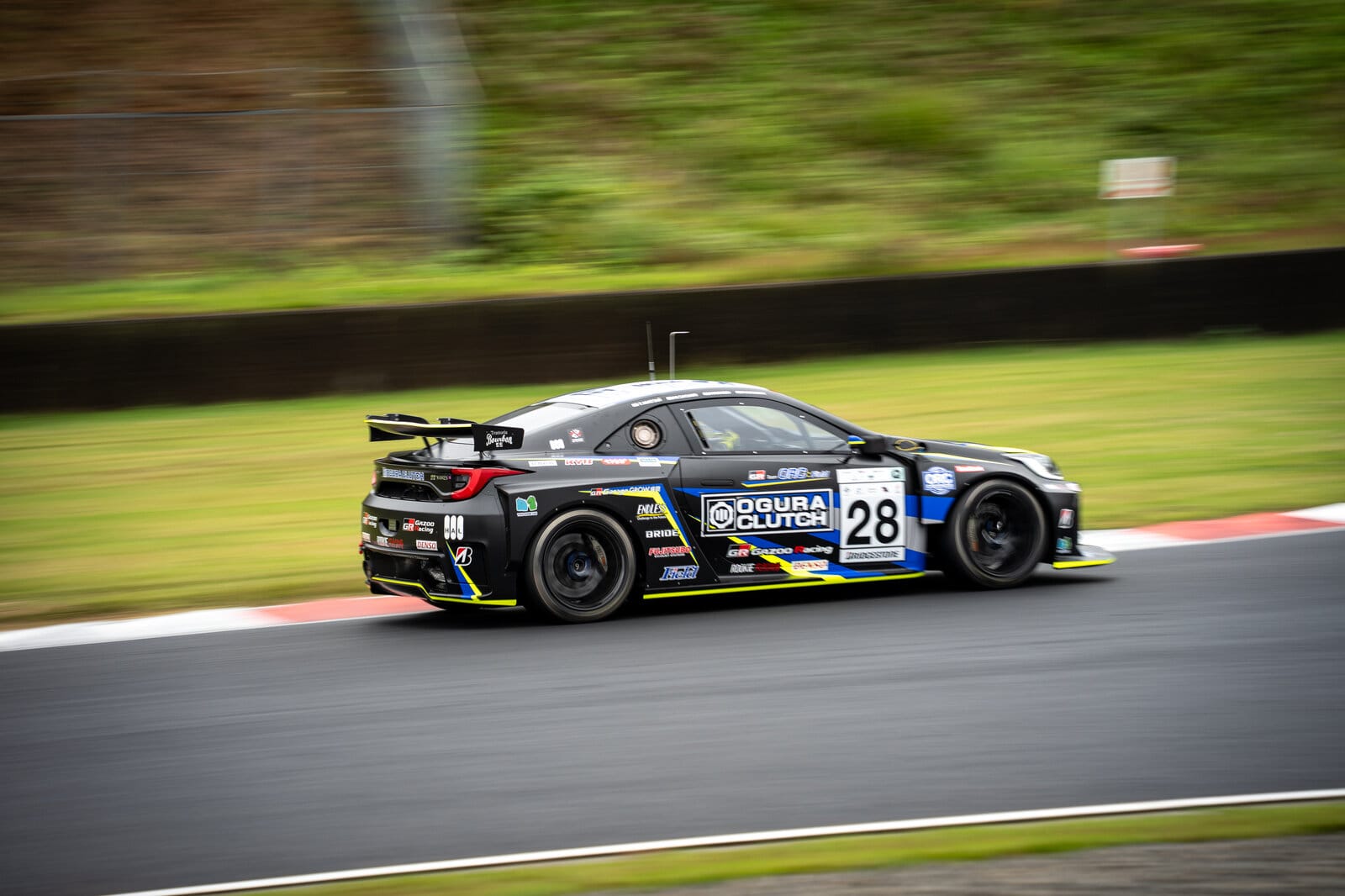
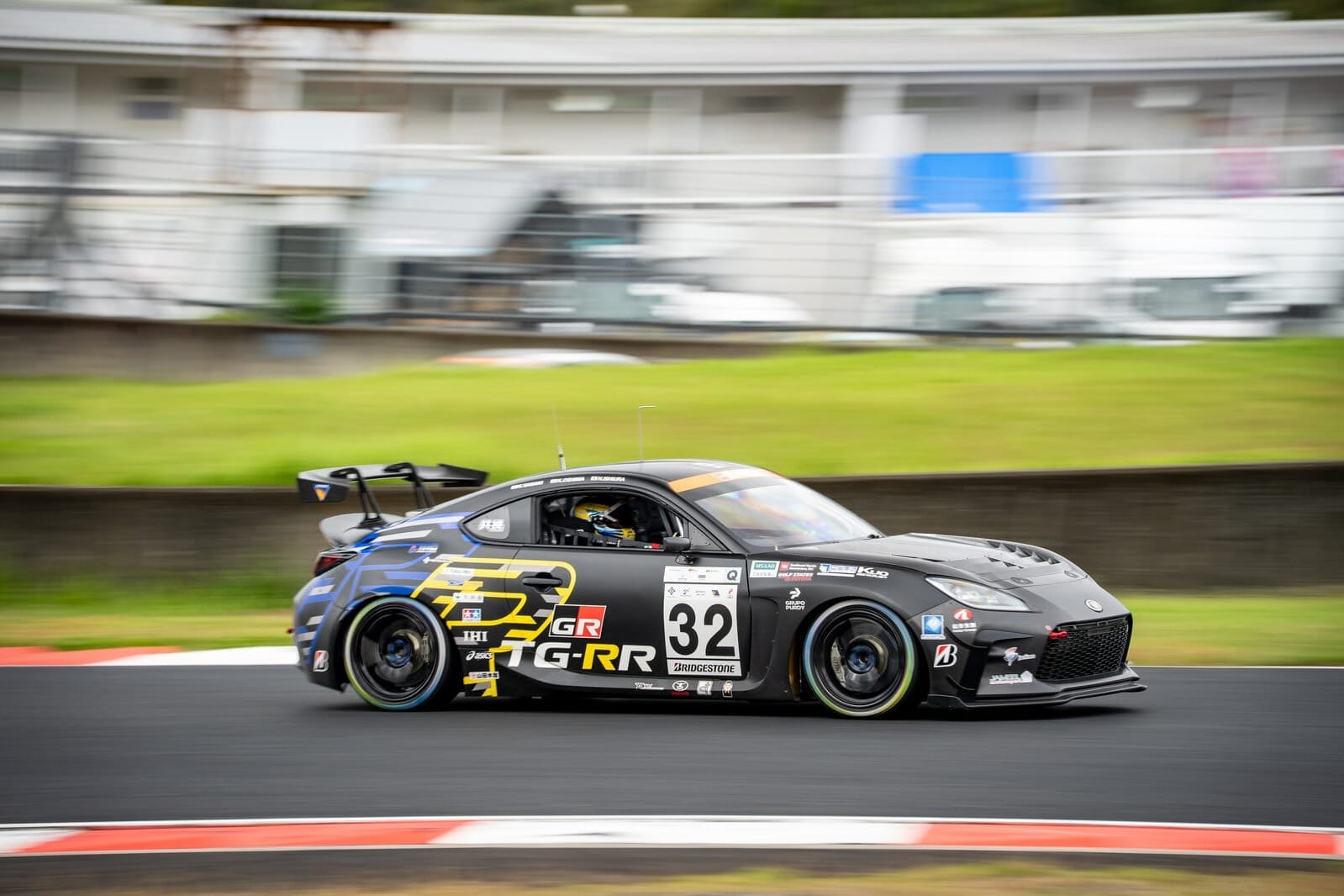
Rather than its standard 2.4-litre four-cylinder ‘boxer’ engine under the bonnet, the GR86 prototype features Toyota’s upcoming G20E 2.0-litre straight-four, albeit without a turbocharger.
The turbo version of the engine is in development in the GR Yaris M Concept in a mid-engined layout, while Toyota says it wanted to test the naturally aspirated four-pot in the GR86 to see if it can potentially feature in future production cars.
“With a turbo, boost is available across a wide range, so you get acceleration whenever you press the throttle. Remove the turbo, and acceleration and deceleration become more sensitive to throttle inputs. I think that makes a naturally aspirated car more fun to drive,” Takahashi added.
“We were also curious to see what would happen if we removed the turbo from our existing 2.0-litre turbocharged G20E engine. That’s another reason we brought this car.
 Jordan Mulach
“We haven’t yet decided whether this naturally aspirated engine will go to production.”
Last month, Automotive News reported that Toyota had announced plans to sell the equipment to other brands, with the target of generating US$1.7 billion (AU$2.4 billion) a year from the business.
That headline figure likely won’t be reached until 2032, though with its next-gen powertrains due to start rolling out from 2027, the five-year timeframe is short enough for it to start seeing income early in the piece.
While Toyota currently has a number of badge-engineered vehicles on sale globally – such as the Suzuki Across (RAV4) and Mazda 2 Hybrid (Yaris Hybrid) – it’s engine and hybrid sharing is relatively limited.
 Jordan Mulach
Lotus has been offering its sports cars with Toyota V6 engines for more than a decade, though it is soon moving to a new powerplant developed by its Chinese parent, Geely.
In the US, the Mazda CX-50 – sized like the CX-5 but with a more rugged design – has been fitted with a Toyota-sourced 2.5-litre hybrid powertrain also found in the RAV4, however this model isn’t a global market car.
The new Subaru Forester is available with a hybrid system which uses a Toyota battery, feeding an electric motor mated to Subaru’s own boxer engine.
In 2024, Toyota, Mazda and Subaru jointly announced they were committing to lower-emissions internal combustion engines (ICEs), leaning on greater hybrid assistance.
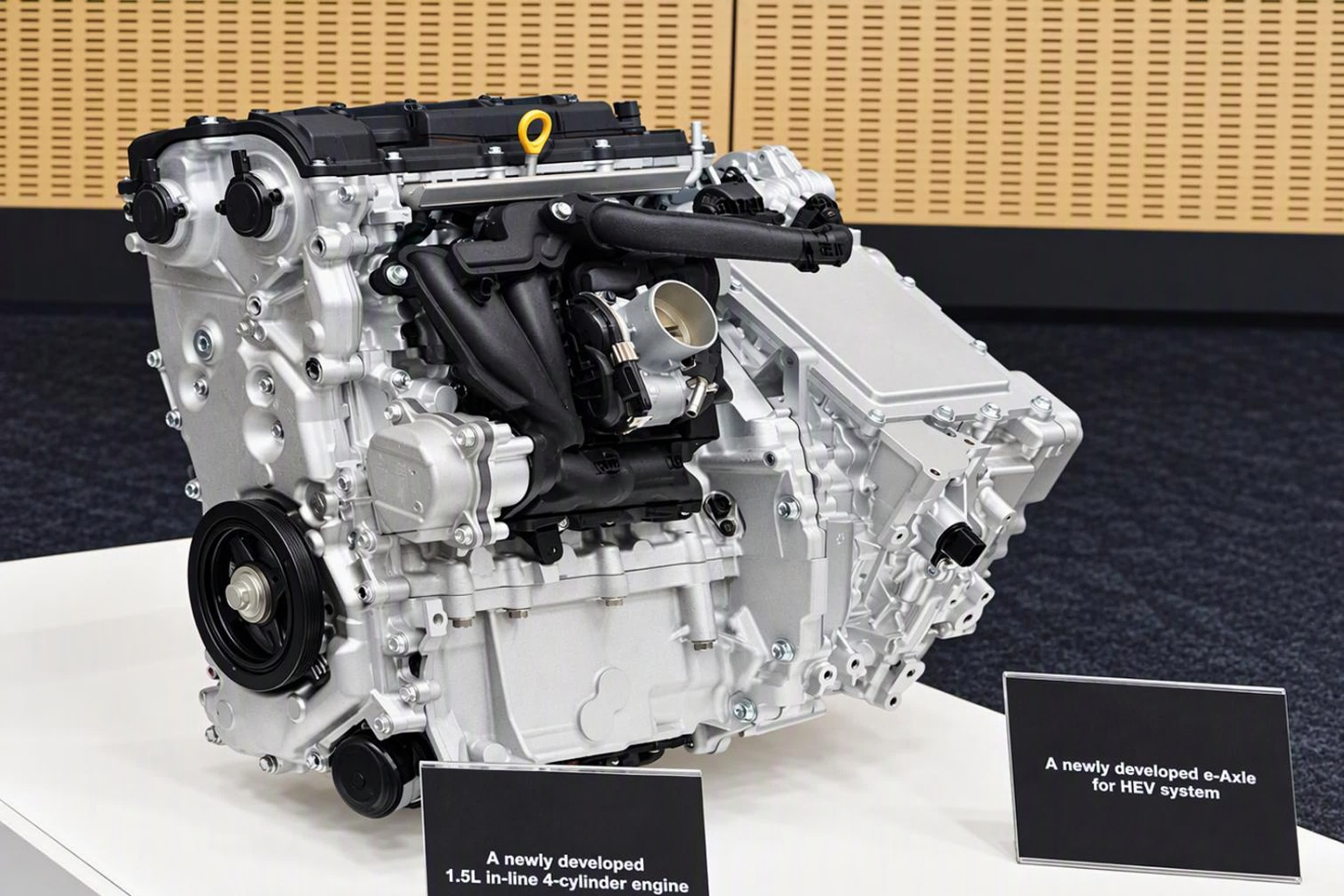
At the time, Toyota previewed two new four-cylinder engines: a 1.5-litre (available in both naturally aspirated and turbocharged guise) and a 2.0-litre turbo (now known as the G20E).