
China’s carmakers read the riot act to not start price wars
The ever-growing list of Chinese car brands will have to adhere to guidelines laid out by the nation’s government, effectively calling for a fair fight.

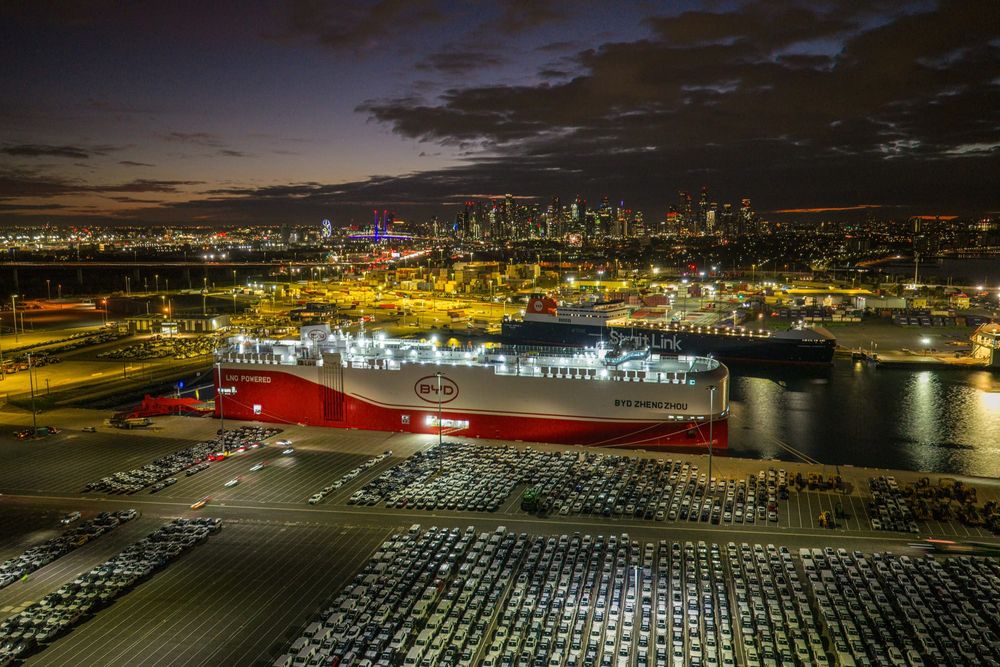
A heavy focus is on the Chinese automotive industry and what it may do next after coming to dominate many global markets, prompting the nation to issue guidelines telling its companies how to behave.
As reported by Nikkei Asia, the Chinese government has released the four-chapter “Guidelines on Overseas Competition and Compliance Construction”, a reference document for car manufacturers operating in export markets.
According to the publication, the guidelines – published by the Ministry of Commerce and Ministry of Industry and Information Technology – are aimed at improving the image of Chinese vehicles in overseas markets, through outlining strategies to minimise disruption.
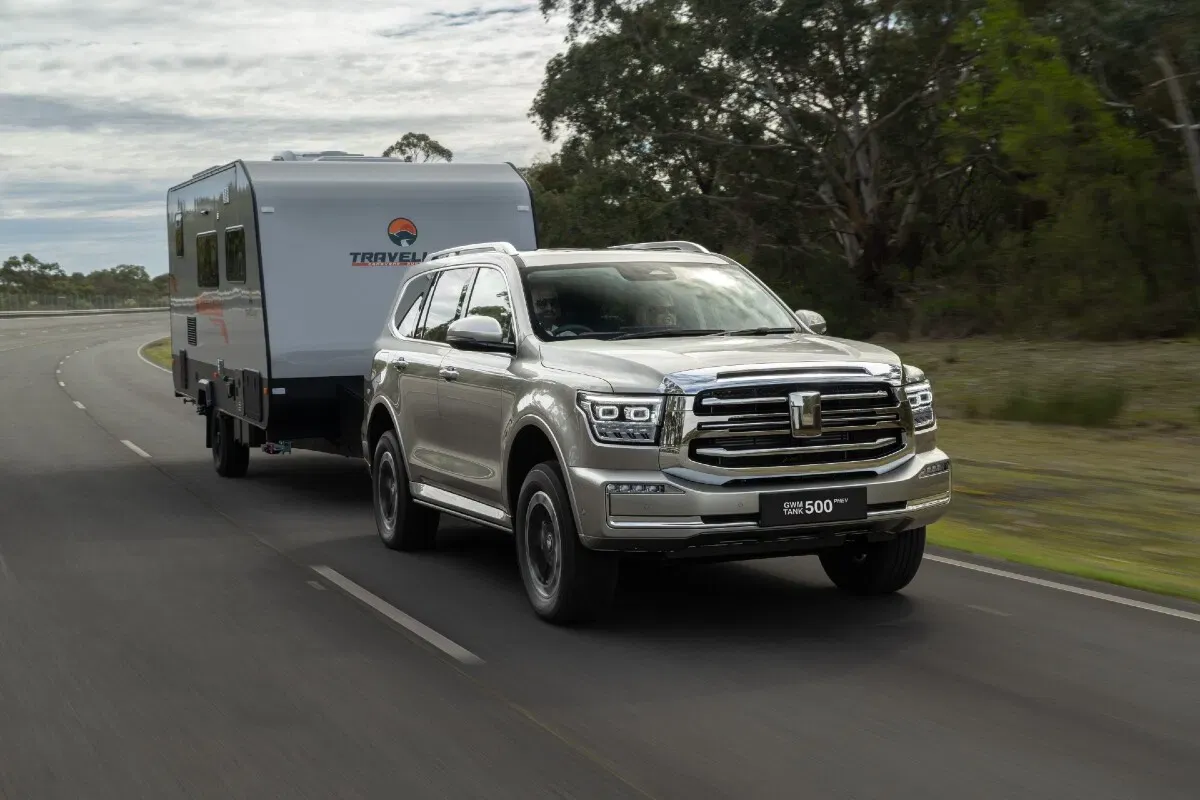
“This guideline is formulated to promote the healthy and orderly international development of China's automotive industry, guide automotive companies to regulate their overseas competitive behavior, strengthen compliance, improve their transnational operating capabilities and international influence, and promote the development and progress of the global automotive industry,” it opens with.
One of the most important parts of the guidelines is in chapter two (regulating competition in overseas markets), where the government calls for companies to not only “establish a pricing strategy based on cost and guided by international market supply and demand”, but also “not disrupt market competition order in order to gain an unfair competitive advantage”.
“When setting the suggested retail price of a vehicle in an overseas market, the enterprise shall, in accordance with the laws and regulations, market principles and business practices of the host country (region), set a clear price gradient for different vehicle configurations of the enterprise, so as to avoid the impact on the interests of overseas consumers and the brand image due to frequent and large-scale price fluctuations,” it adds.
 Jordan Mulach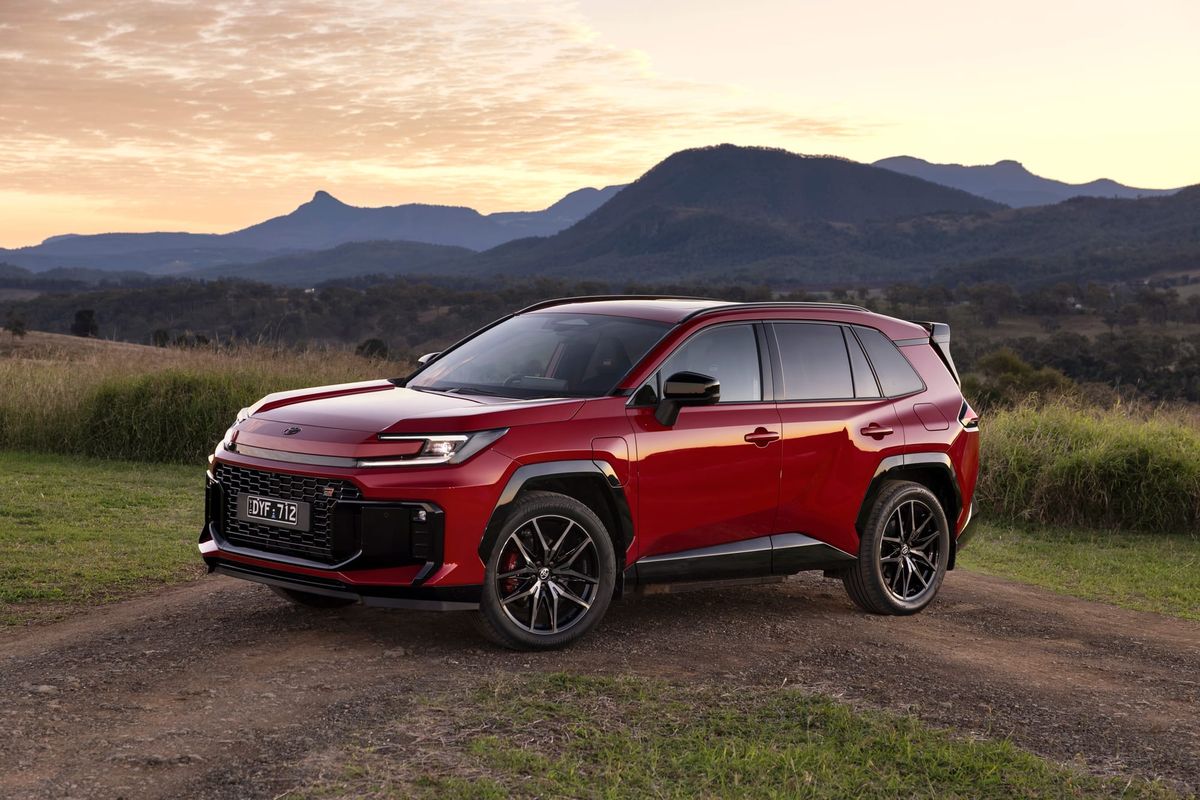
This section in particular has become relevant in the recent past, given the impact that Chinese brands have had on traditional ‘legacy’ manufacturers, leading the latter to adjust their own prices in a bid to remain competitive.
While the US can’t be made as an example as it has effectively banned the sale of Chinese vehicles, Europe has levied tariffs on brands from China, with varying levels depending on how much each manufacturer is perceived to have been subsidised by their government.
A later chapter (enhancing overseas localisation and compliance capabilities) adds that companies should “strengthen the assessment of products exported overseas to avoid exporting products that do not meet the needs of the target market and the usage environment.”
 Jordan Mulach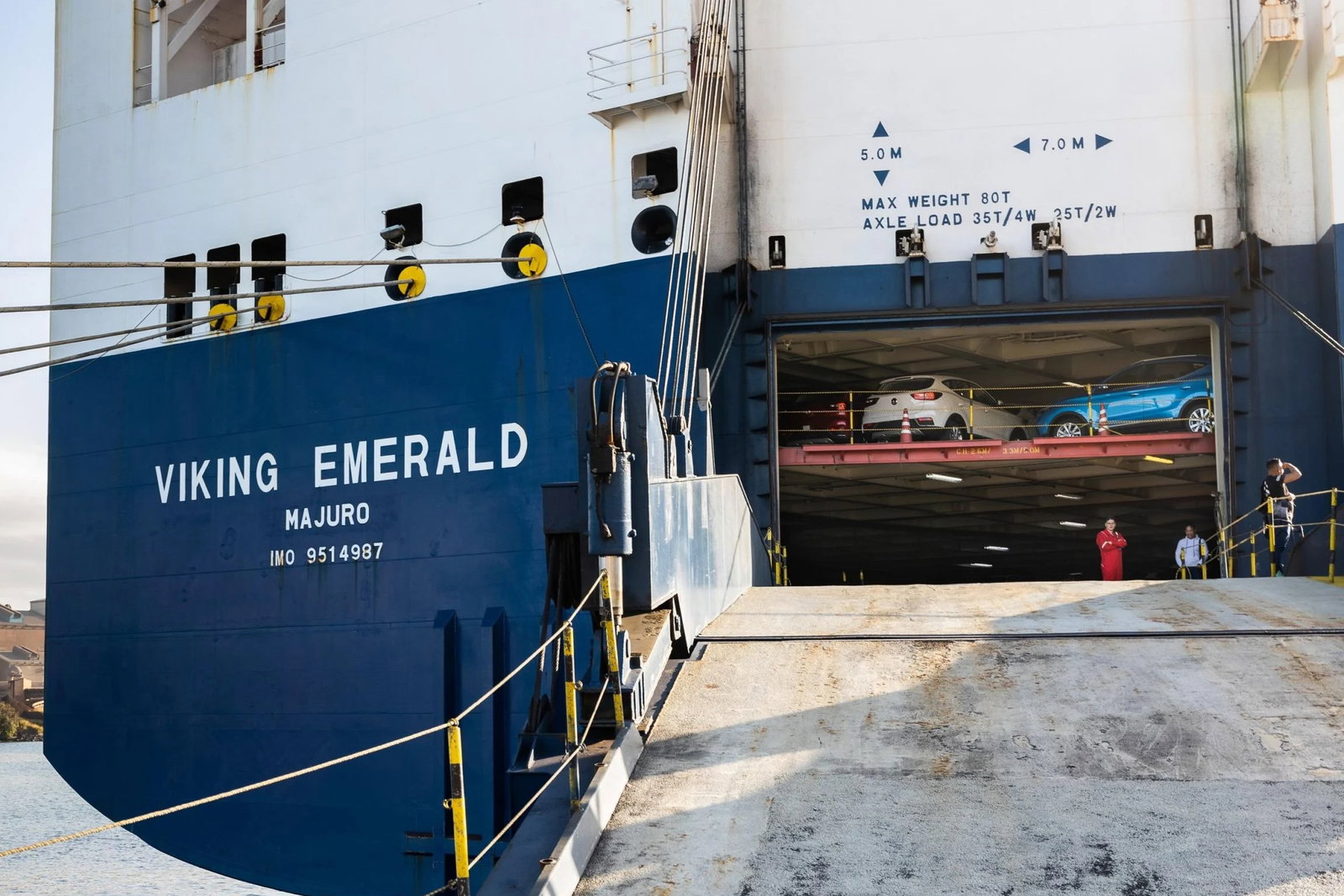
Though towards the end it says the guidelines “provide general guidance for automotive companies regarding overseas competition and compliance”, it concludes by saying that, “in practice, companies should closely monitor the latest laws, regulations, and policy requirements of China, host countries (regions), and relevant international organizations, and adjust and improve their own practices accordingly”.
As previously reported, China is now the leading source of vehicle imports to Australia, this year overtaking Japan and Thailand to lead the way.
In July last year, a report by the Centre for International Economics (CIE) - commissioned by the Australian Automotive Dealer Association (AADA) - forecast that Chinese vehicles could account for 43 per cent of all deliveries in Australia in 2035.
In July 2026, 35.5 per cent of new vehicles were imported from China (38,555 total), well clear of second-placed Japan (26,292, 24.2 per cent) and Thailand (17,604, 16.2 per cent).