
Volkswagen GTI goes rear-wheel drive in 50-year first
The Volkswagen GTI nameplate has exclusively been applied to front-wheel drive hot hatchbacks, until now.

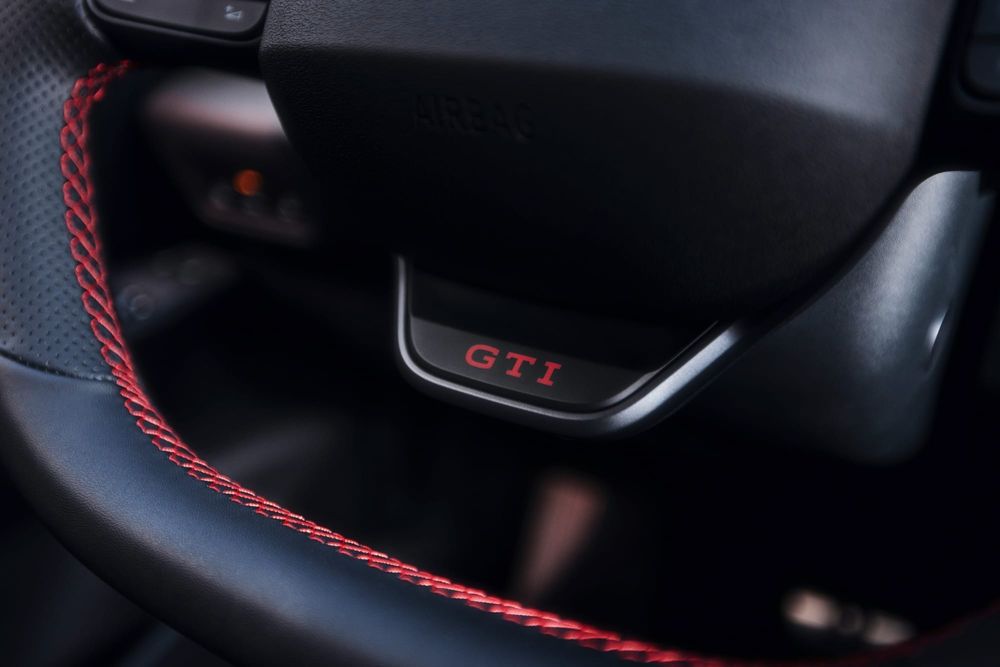
Volkswagen has revealed its most powerful GTI-badged model ever, becoming the first in the nameplate’s half-century history to go rear-wheel drive.
The Volkswagen ID.3 GTI isn’t the first hot hatch from the German brand’s EV department, replacing the outgoing GTX but in the body of the far more traditional ID.3 Neo, taking as many Golf GTI cues as it can get.
Previously the GTI badge has been affixed to the hottest front-wheel drive Golfs and Polos since 1976, and it had remained out of bounds for the electric lineup until recently, with the reveal of the ID. Polo GTI in May.
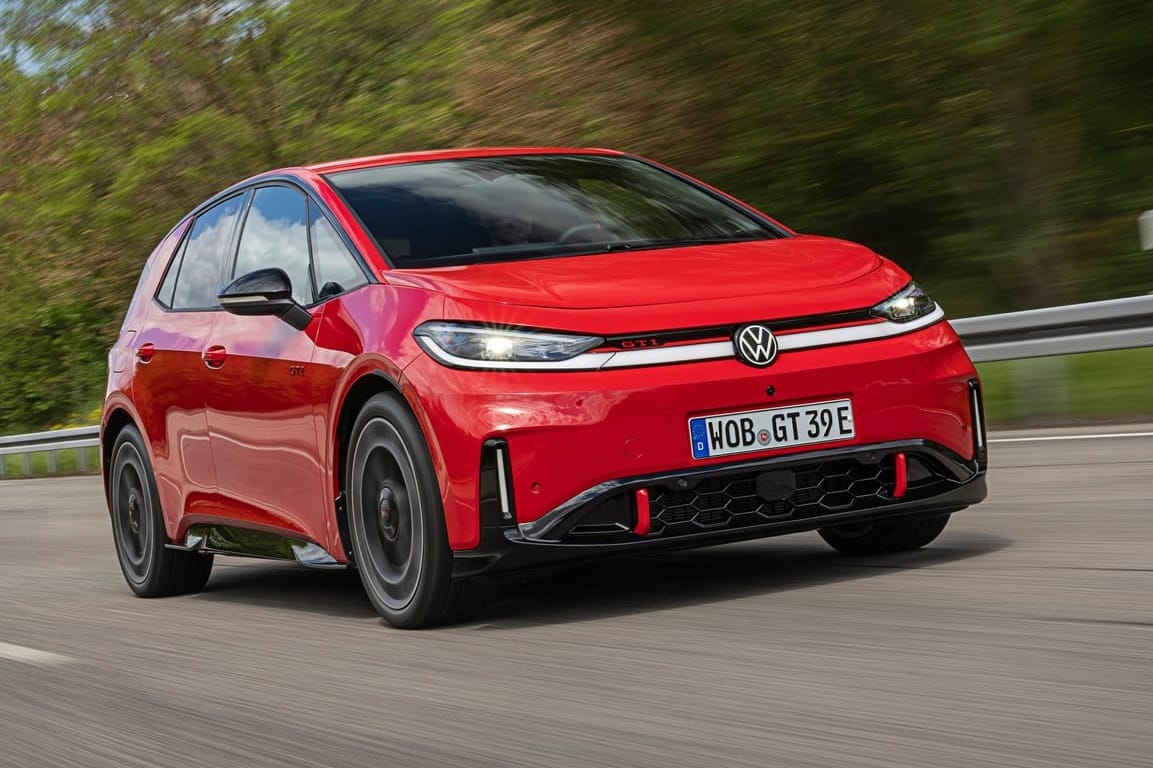
While the ID. Polo GTI remains front-wheel drive like its petrol-powered counterpart, the Golf-sized ID.3 GTI sends all its power to the rear wheels, coming via an electric motor which can produce 240kW and 545Nm.
For context, the current Mk8.5 Golf GTI in Australian showrooms produces 195kW and 370Nm from its turbocharged four-cylinder 2.0-litre engine, while the most potent production GTI until now was the GTI Edition 50, with 239kW and 420Nm on tap.
Capable of accelerating from 0-100km/h in 5.6 seconds, the ID.3 GTI is three-tenths quicker to complete the sprint than the Golf GTI, and it’s limited to a top speed of 200km/h.
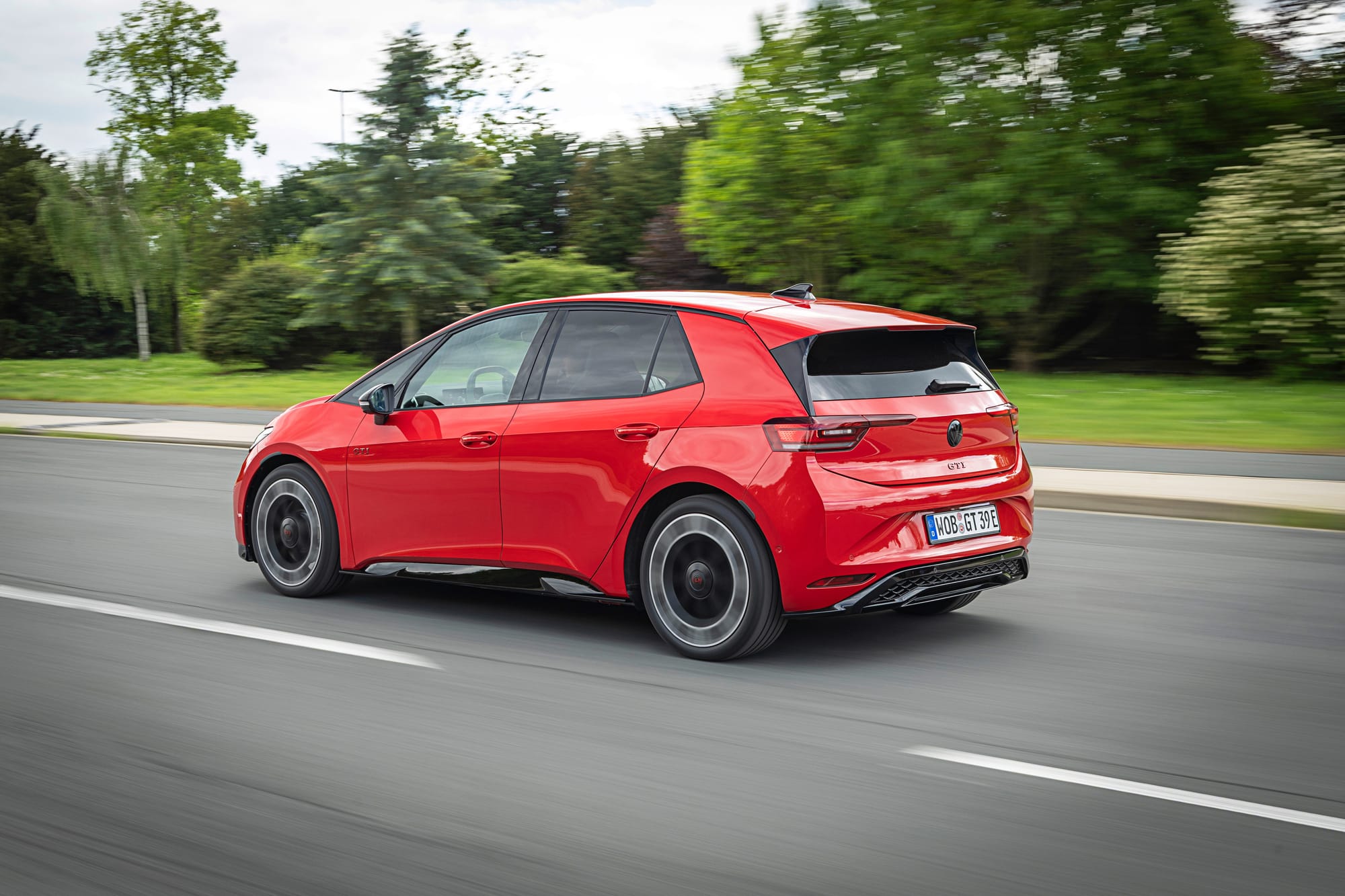
Feeding the electric motor is a 79kWh battery, delivering up to 601km of driving range according to WLTP lab test results.
Like all GTIs, the ID.3 looks best in red and has been treated to a sportier exterior, with its grille also scoring the red highlights which have adorned the Golf GTI for 50 years.
The 20-inch wheels sit in front of disc brakes at the front and drum brakes at the rear, a hallmark of Volkswagen’s MEB platform.
Inside it’s a cabin not too dissimilar from the Golf GTI, with tartan bucket seats featuring red and white colouring, while the ID.3 Neo’s physical-first console carries over.
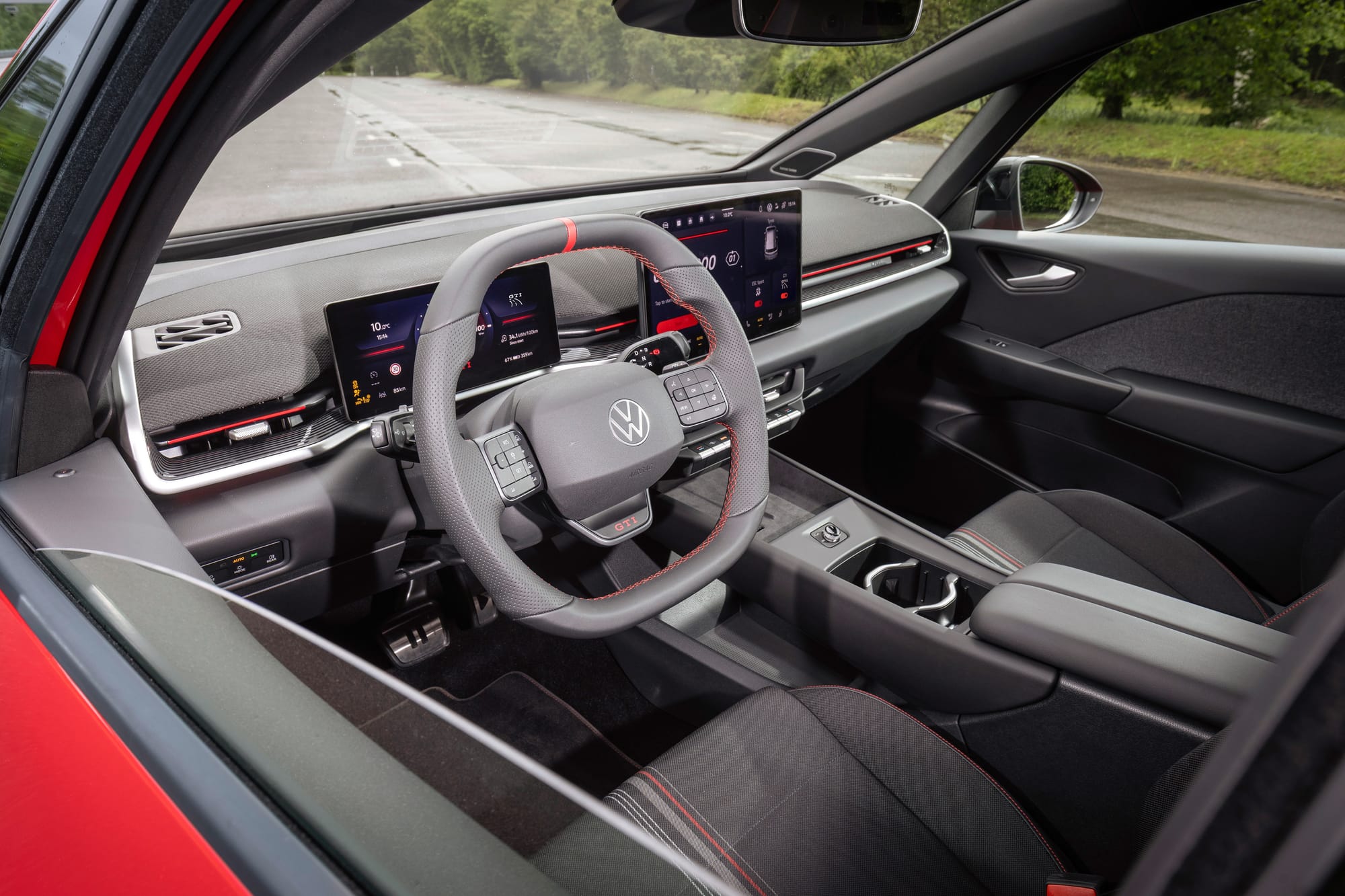
This includes a wider array of physical switches sitting below the central air vents, rather than the haptic controls of previous ID.3s, with a rotary volume knob also sits between the driver and passenger.
When the ‘GTI’ driving mode is engaged, the electric motor’s power delivery is sharpened, as is the steering and adaptive damper settings, while it also provides access to launch control.
In addition to this, the GTI also adds “the sound of a combustion engine” in the background.
European deliveries are slated for the first half of 2027, though given Australia doesn’t get the standard ID.3 Neo, it’s unlikely the GTI will come here.