
Coroner calls for high-power P-plate restrictions after fatal crash
A 2020 fatal crash in Canberra has prompted the Australian Capital Territory coroner to recommend a change to the region’s provisional driver laws.

The Australian Capital Territory Government has been asked to review its vehicle restrictions for P-platers, after the national capital’s coroner made recommendations following a fatal crash in 2020.
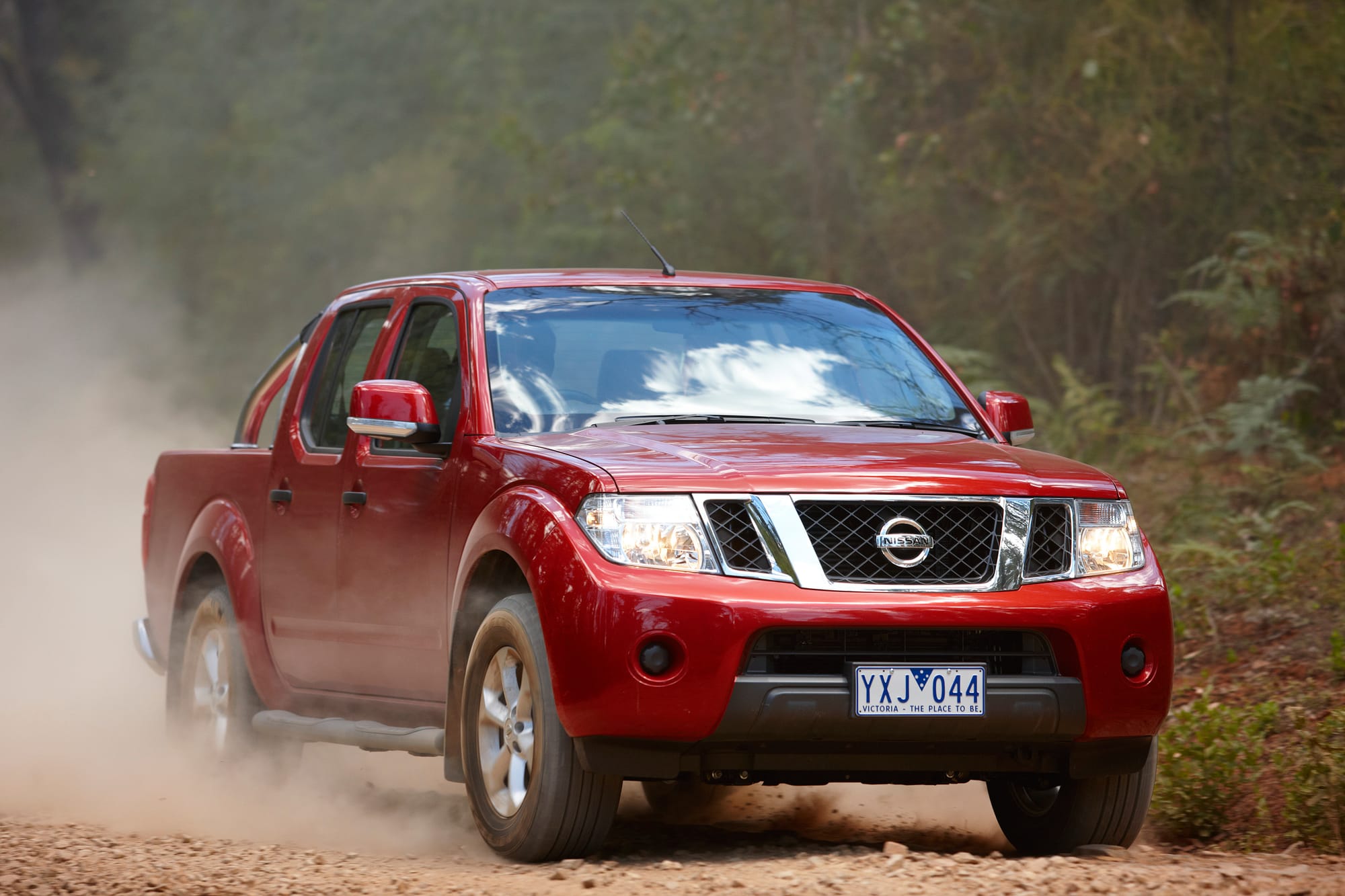
On October 31, 2020, 16-year-old Alexis Saaghy was a passenger in a Nissan Navara driven by 18-year-old, provisional licence holder Ameen Hamdan, when the ute lost control in the rain and hit a tree.
Saaghy died from her injuries on November 3, while Hamdan suffered a head injury and damage to an eye. Two other occupants in the ute experienced injuries.
Hamdan was sentenced to a 24-month intensive corrections order in 2022 after being found guilty of negligent driving, causing death and grievous bodily harm.
Last week, ACT Coroner Ken Archer handed down his findings into the death of Alexis Saaghy, in which he called for the jurisdiction to “consider reviewing the restrictions that apply to P Plate drivers in respect of their use of high-performance cars”.
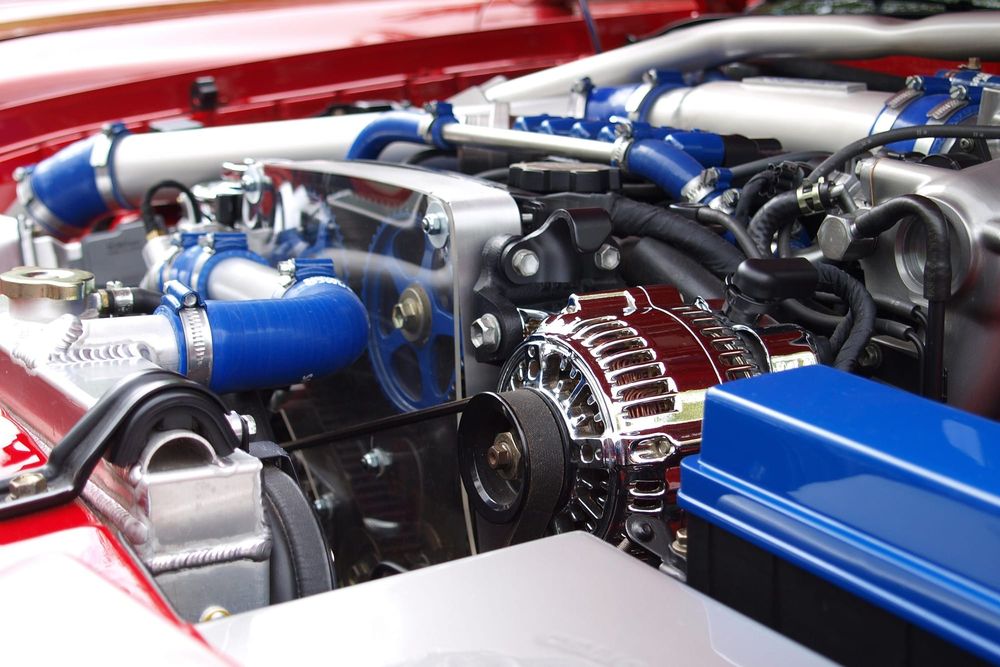
Specifically, Coroner Archer noted restrictions in the likes of New South Wales, Victoria, Queensland and South Australia, where the majority of cars driven by provisional licence holders are limited to a power-to-weight ratio of 130kW/tonne.
“No such restrictions apply in the ACT and holders of P plate licences can drive cars exceeding power of 130kw/tonne,” Coroner Archer said in his report.
“It should be made clear that in this case the PMR (power to mass ratio) of the vehicle in question was less than 130kW of power per tonne and Hamdan was driving within the law when driving both in the ACT and in NSW.
 Jordan Mulach
“I also observe that apart from performance characteristics, there are other variances between NSW and the ACT regarding restrictions that apply to P plate drivers, notably as to the speed applicable to P plate drivers.”
In his formal findings, Coroner Archer added “A relatively inexperienced driver, behind the wheel of a powerful and unsuitable car, failing to drive to the conditions of the road, were factors that likely contributed to the collision that caused her (Alexis Saaghy’s) fatal injuries.
Coroner Archer's recommendation for the ACT Government to review its P-plate policies comes after Justice Elkaim, in handing down Hamdan’s sentence, called the Navara and all other types of dual-cab utes “unstable”.
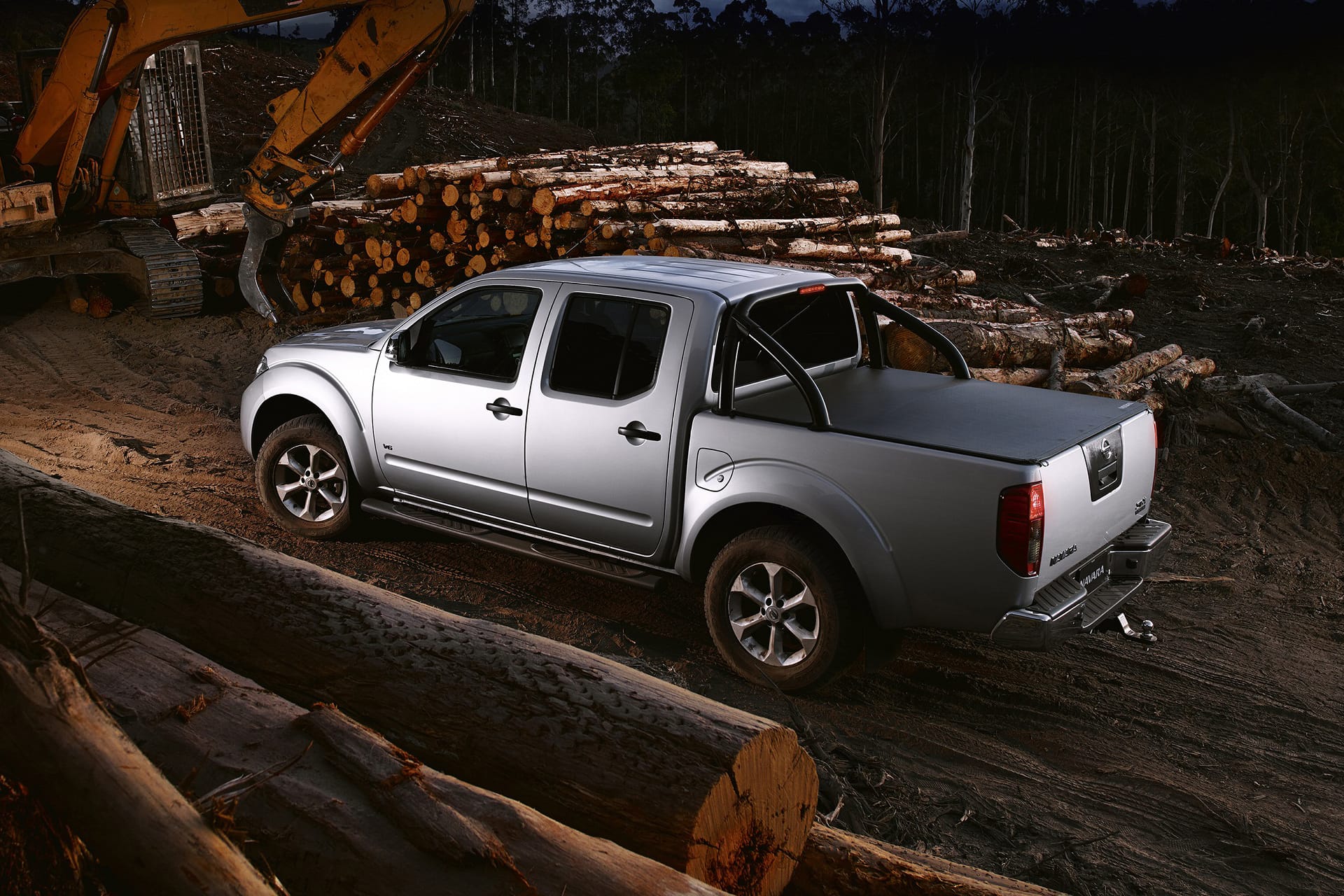
“They are vehicles suited to off-road, commercial and farming duties,” Justice Elkaim said.
“I have little doubt that only a small percentage of these vehicles are used for those purposes. In my view their sale should be restricted to persons, like farmers, trades persons and genuine off-road enthusiasts, who have a legitimate use for them.
“These types of vehicles are unsafe and dangerous. They should not be marketed and sold as suitable for normal suburban use.
“I understand that apprentices might be required to have their own utilities for work purposes. If that is correct the requirement is inappropriate. These vehicles should not be in the hands of inexperienced young drivers.”
P-Plate restrictions by state/territory
- New South Wales: Power-to-weight ratio under 130kW/tonne, no modifications
- Victoria: Power-to-weight ratio under 130kW/tonne, no modifications
- Queensland:
- Cars made from January 1, 2010: Power-to-weight ratio under 130kW/tonne
- Cars made before January 1, 2010: Maximum of 8 cylinders, no turbocharger/supercharger on non-diesel engines, power below 210kW, no modifications
- Western Australia: None
- South Australia:
- Cars made from January 1, 2010: Power-to-weight ratio under 130kW/tonne
- Cars made before January 1, 2010: Maximum of 8 cylinders, no turbocharger/supercharger on non-diesel engines, power below 210kW, no modifications
- Tasmania: None
- Australian Capital Territory: None
- Northern Territory: None