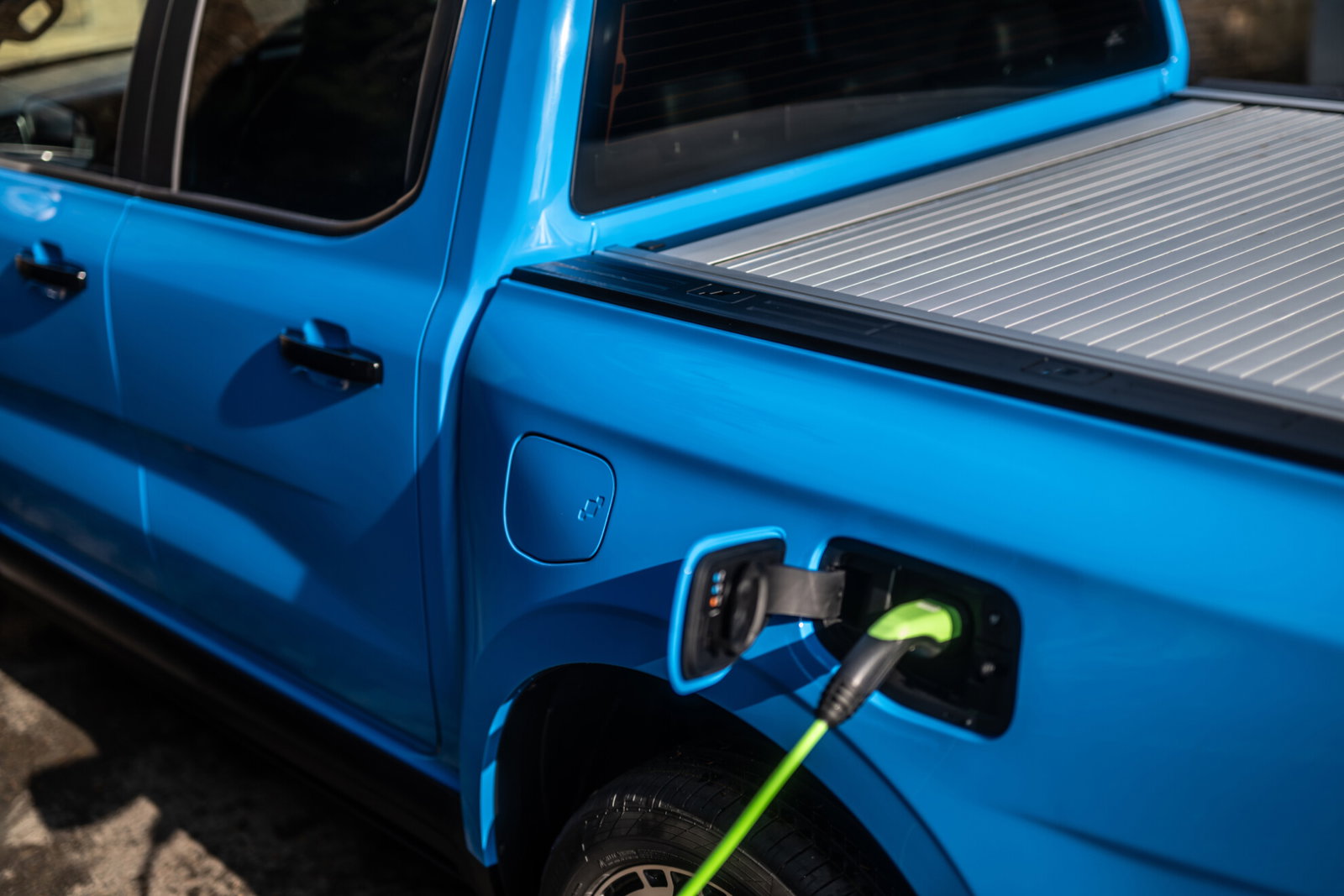
Ford's fastest cars to get engines again
After rolling out mega-power electric demonstration vehicles, Ford now wants to go back to engines and hybrid systems.

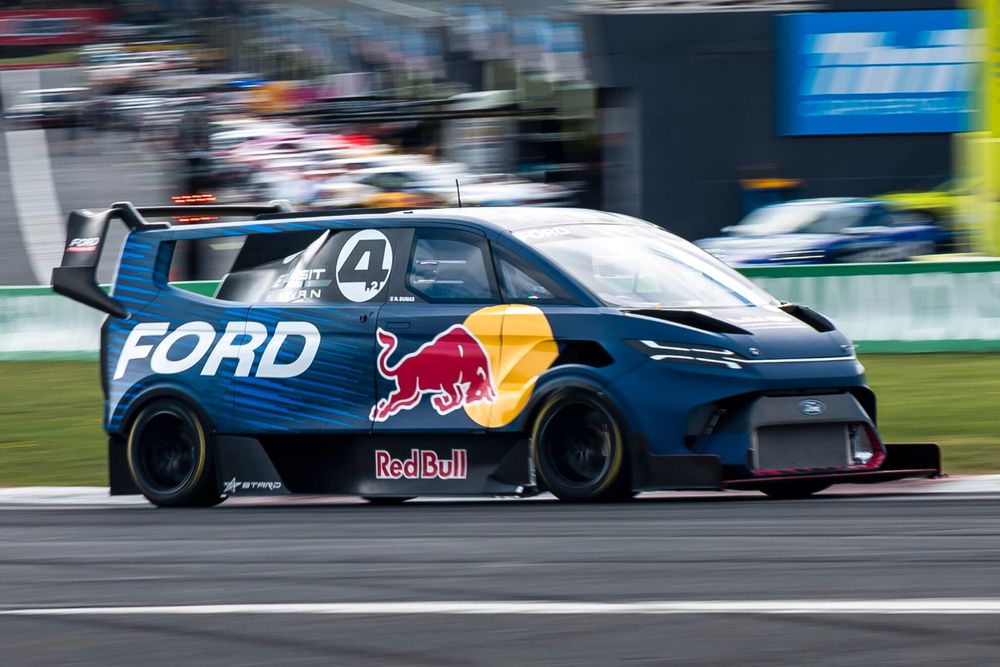
For the past five years, Ford has launched a series of demonstration vehicles unchained by regulations, with the pure aim to go as fast as possible.
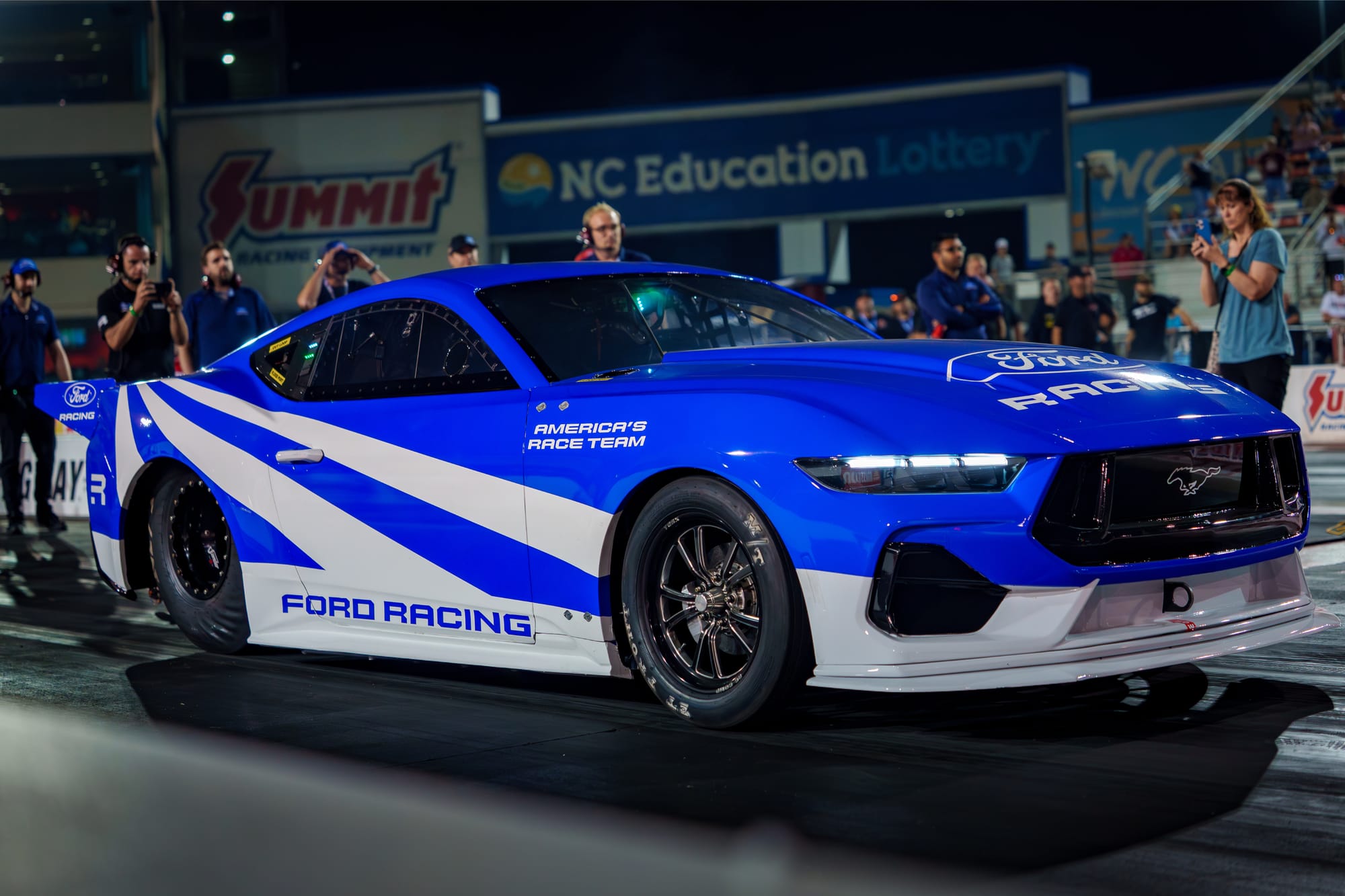
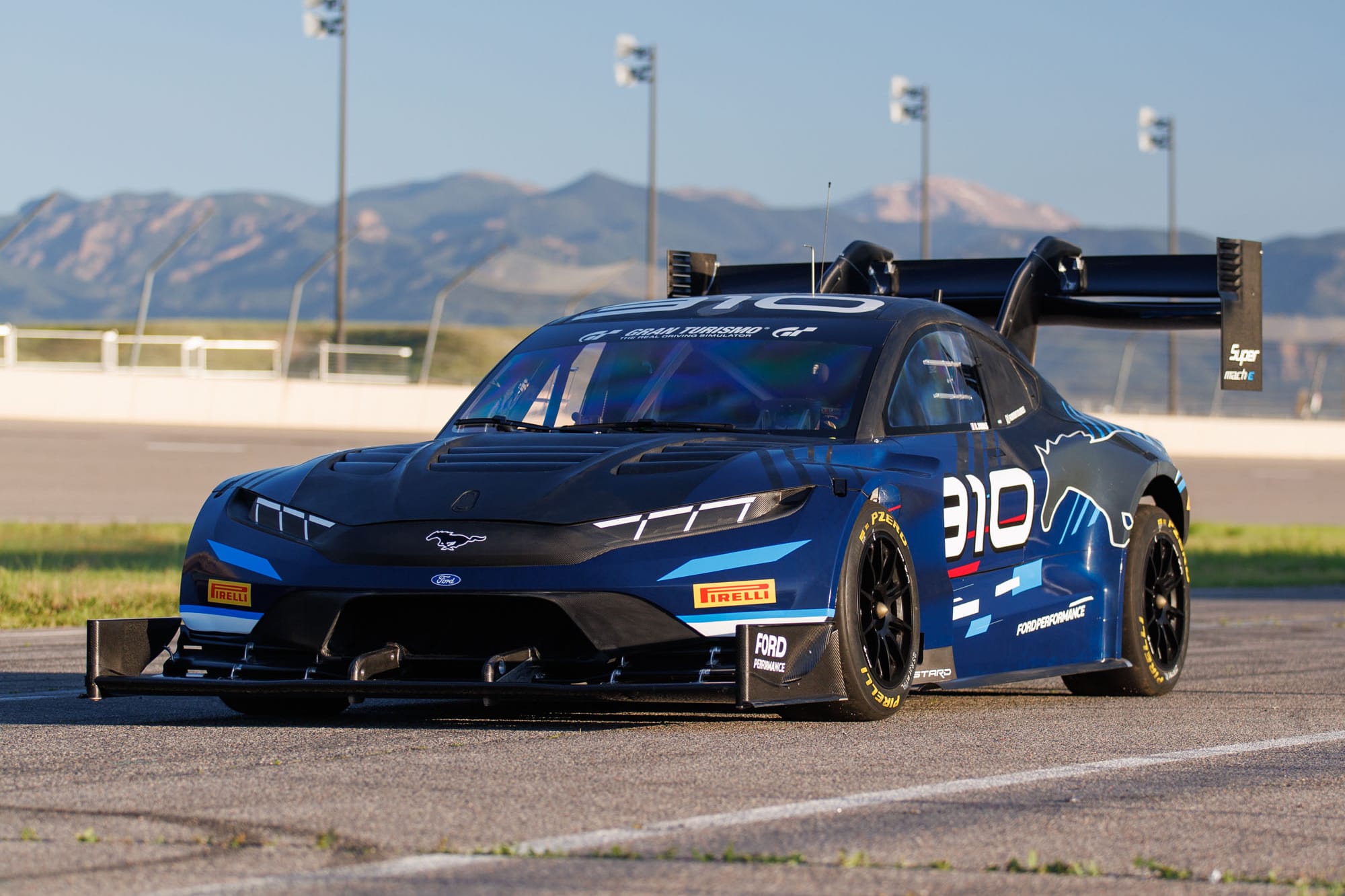
First the Mustang Cobra Jet 1400, then the SuperVan 4 (later 4.2), the F-150 Lightning SuperTruck, and the Super Mustang Mach-E, Ford’s fastest vehicles have all been powered by electric motors – though the carmaker is set to soon change tact.
Speaking to the UK’s Autocar, Mark Rushbrook, head of the Ford Racing brand, said the demonstrators were made because “we did not feel existing electric series were right for us”, evident in Ford’s lack of participation in the likes of Formula E.
"That's not a knock on those series, but we wanted the ability to truly learn with a free canvas, and a series like Formula E does restrict you,” Rushbrook added.
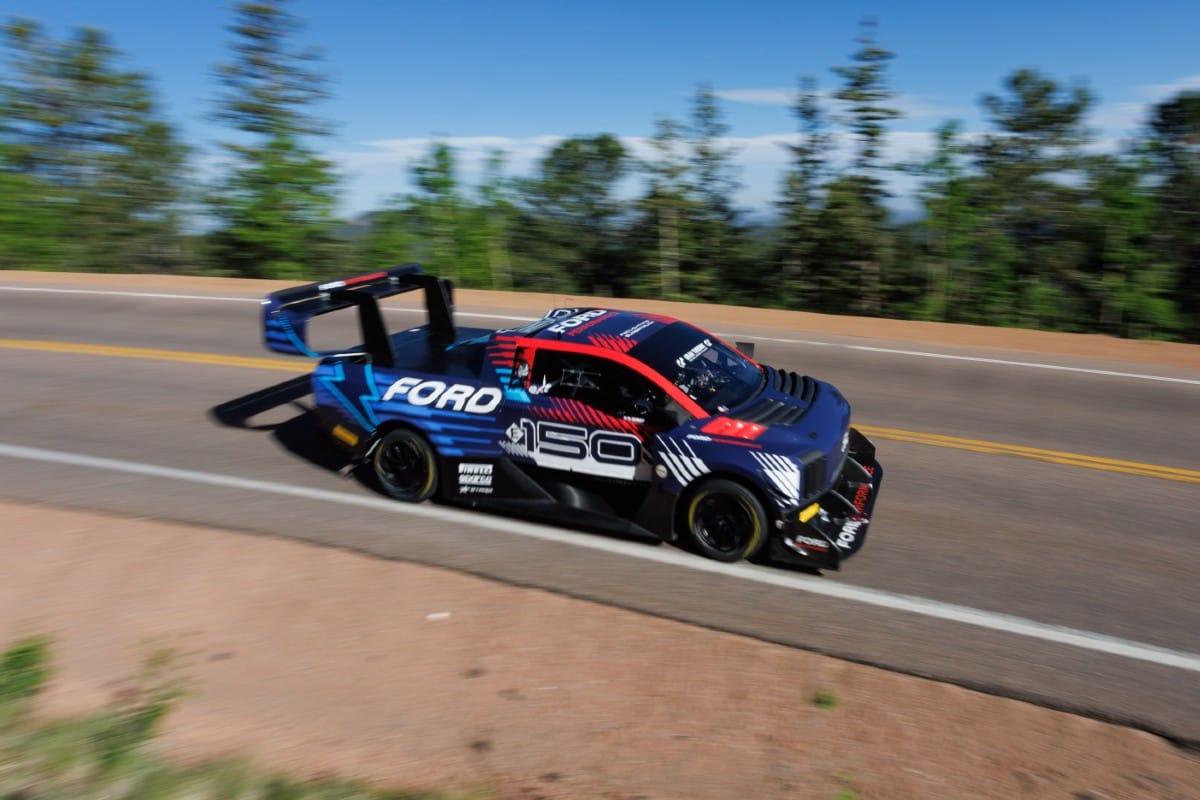
“With the demonstrators we can do whatever we want, whether it’s a Transit or an F-150, a Mustang Mach-E or even a Mustang coupe.
"We can do what we want and we can learn what we need to about the motor, battery cell technology, the controls, the calibration, aero and so on.”
According to Rushbrook, the next generation of demonstration vehicles will be powered by engines, either completely or partially with the assistance of hybrid systems.
“We’ll continue to do demonstrators, but we’re not going to restrict ourselves to full electric,” Rushbrook said.
“We still have a lot of electric cars in our future, but we also have a lot of hybrids coming, and we also have a lot of combustion vehicles coming. So we’ll do more demonstrators, but you will see more powertrain technology in them, not just full-electric.”
The announcement is largely unsurprising.
Earlier this year, Ford said it lost US$8.2 billion (A$11.6 billion) in 2025, a huge jump on its 2024 annual losses of US$5.9 billion (A$8.3 billion). Of that figure, a staggering US$4.8 billion (A$6.8 billion) was chalked down to the Ford Model e EV division.
Ford previously said it expected short-term losses of US$19.5 billion (A$27.6 billion) from its changing EV plans, with more pain expected to carry on in the coming years until 2029.
Rather than have EVs as the key to its future success, Ford is leaning heavily on internal combustion engines and hybrids, though it has been putting a lot of attention on its new ‘Universal EV’ platform.
Set to launch in 2027, it’ll make its debut in a sub-Ranger-sized pickup. Later it will grow to “a high-volume family of smaller, highly efficient and affordable electric vehicles”.
 Jordan Mulach