
Ford’s new EV might not ‘be enough’ to fight off China
The Ford Universal Electric Vehicle platform will be the brand’s most advanced yet, though one executive concedes it may delay the inevitable from China.

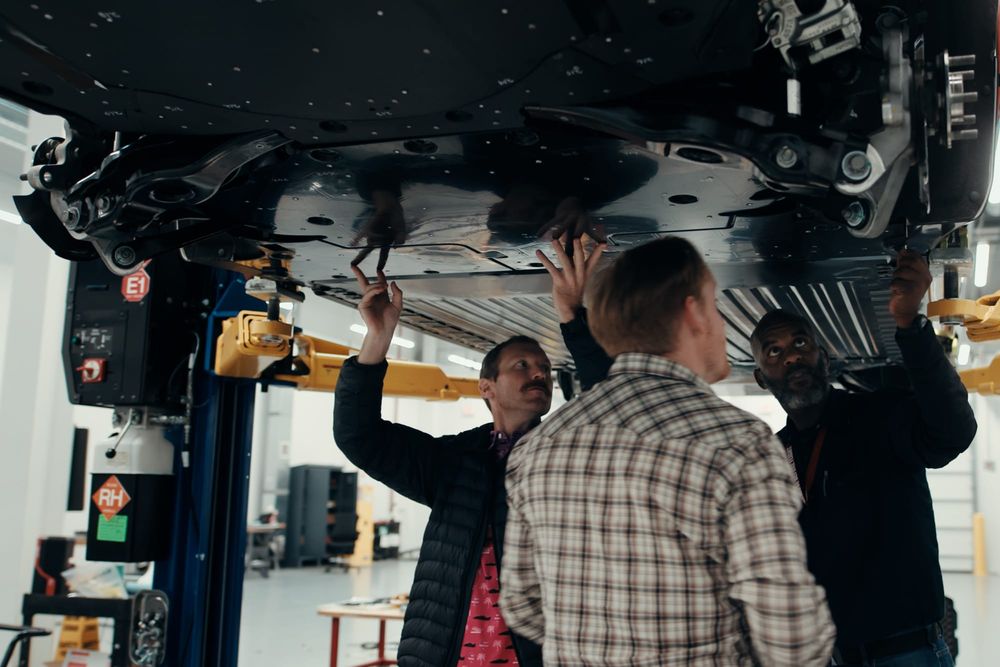
Ford is getting ever-closer to launching its all-new Universal Electric Vehicle platform, the revolutionary new architecture which will underpin its next-generation EVs.
Set to be built in the US and debuting under a pickup from 2027, the UEV could signal a new era for Ford’s electrification plans, especially in North America – however whether it could be a success elsewhere is an unanswered question at this point in time.
Speaking to Automotive News, Andrew Frick, Ford's director of US marketing, was asked whether the UEV could combat products from Chinese companies.
“I don’t know if it would be enough, but it’s not in a bubble,” Frick said.
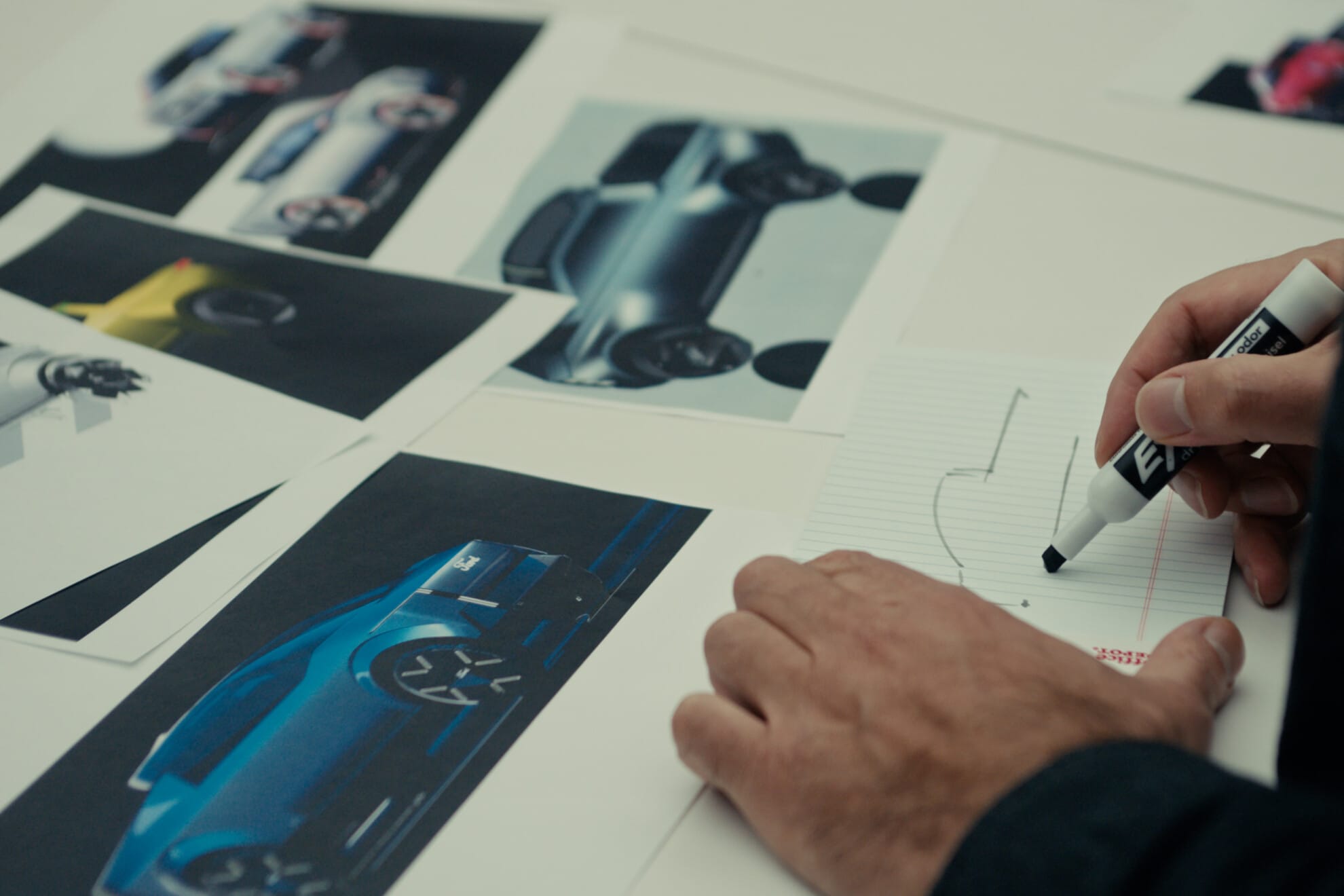
“The importance of what we’re doing with our UEV platform going into Louisville (Kentucky, home of production to the platform) and the innovation behind it – the way we’re sourcing, taking the complexity out – those are things that are now being shared and scaled across all of our vehicles.
“There’s a lot of learnings. It’s not just staying in Long Beach (where it was recently spied testing). The reason we’re as focused on it is because they’re very cost competitive.
“You can see what they’re (China) doing in a lot of markets around the world. We see what’s happening in Mexico, across Australia and Thailand. The percentage of industry that’s either Chinese-sourced or Chinese OEM-based is growing at a really rapid pace.
“We’re very aware of it, we’re competing with them every day. We have a really good line of sight in terms of their cost structure, where their advantages would be, and that’s what we’re now deploying across our entire industrial team.”
In Australia, China recently became the largest exporter of vehicles to Australia, surpassing long-time leaders Japan.
Last month, almost 35 per cent of all new vehicles delivered in Australia were from China, both from a mix of Chinese-based brands, or carmakers which have production operations in the nation.
While China has well and truly landed in Australia and even in Mexico, huge tariffs have prevented any kind of meaningful sales of Chinese-produced cars in the US.
When asked whether Ford could remain competitive with Chinese brands on costs – given the state-subsidised nature of most vehicles from China – Frick said, “I believe we can”.
 Jordan Mulach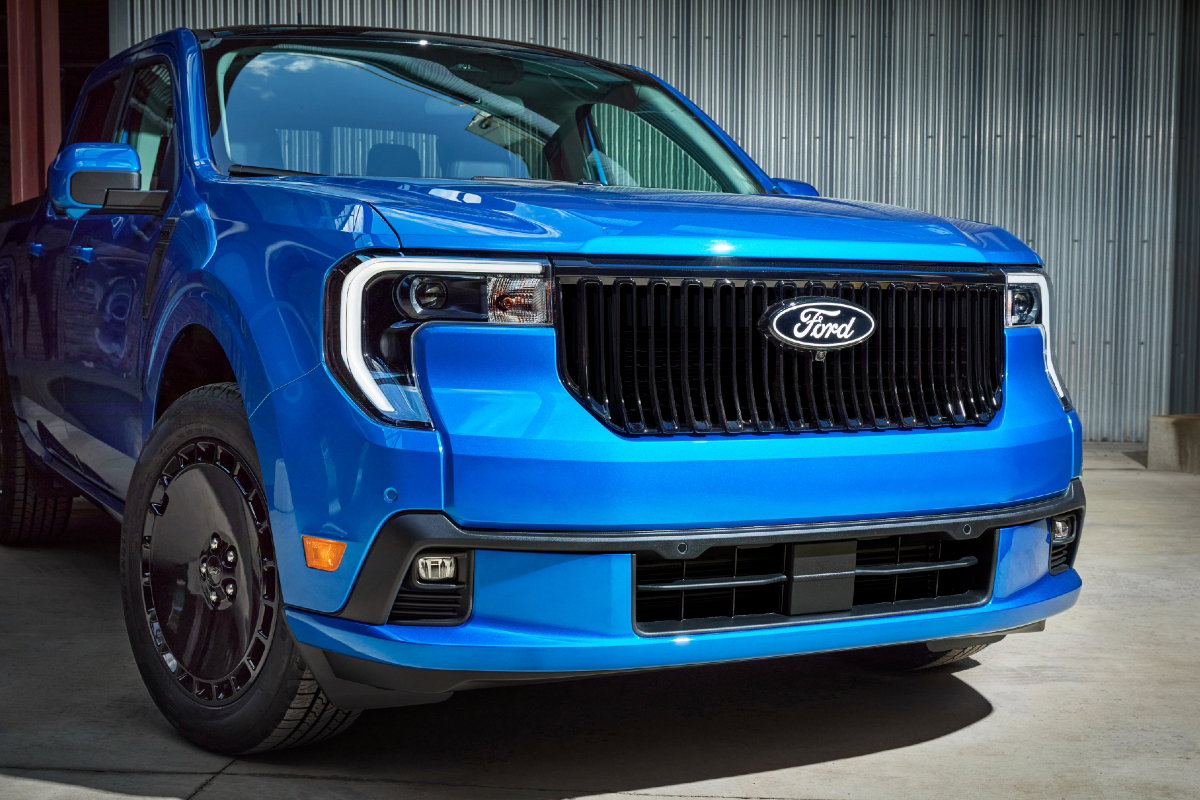
“That’s where looking at the UEV platform puts us in a really good position. If they were to come here they’d have to federalize and have different supply base costs. That’s why the regulations and tariffs we’re talking about are really important.
“We want to make sure we can compete with them, but at the same time there’s a lot of reasons we want to have a level playing field.”
Ford CEO Jim Farley has previously said the first car to launch with the UEV platform will be “a new silhouette”, he told The Verge’s Decoder podcast.
 Jordan Mulach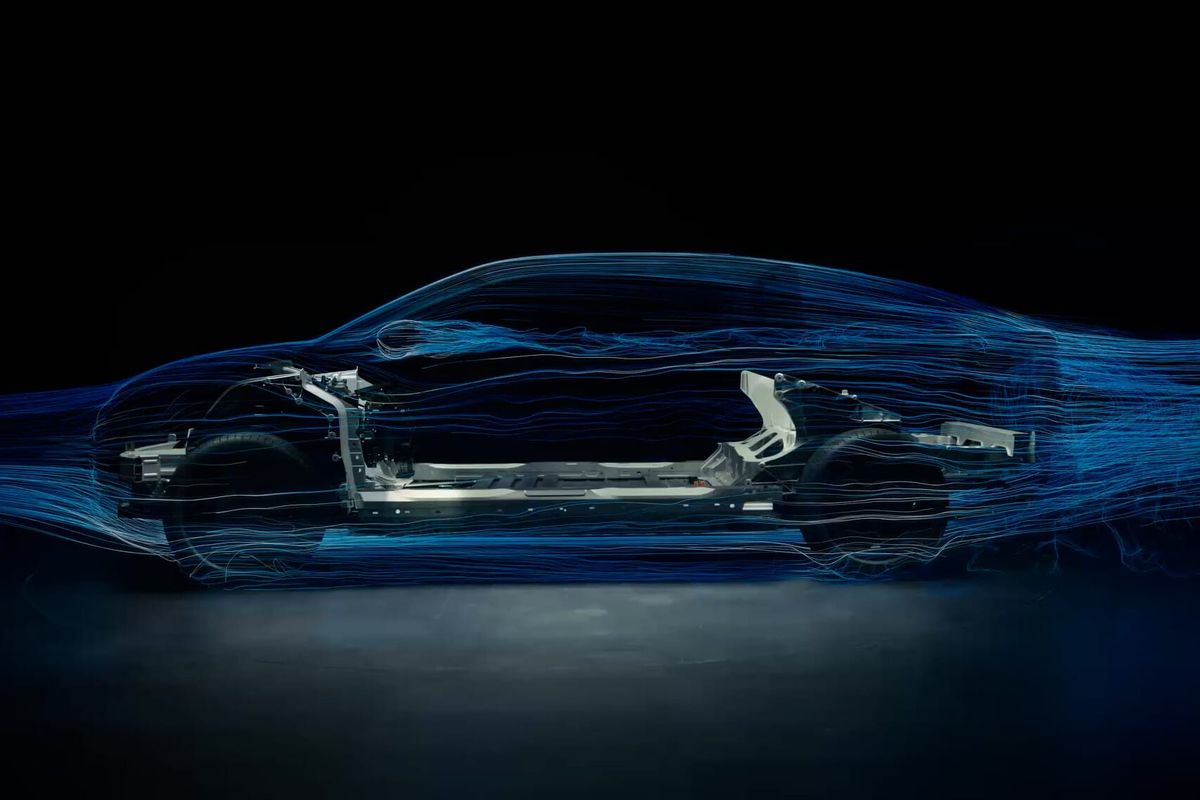
“What I mean by that is that it has more room than a RAV4, the best-selling passenger car in the US. That doesn’t include its frunk and pickup truck bed.
“I think the whole package is something that has not been offered in the US or anywhere else to date. I think this first product is quite revolutionary.”
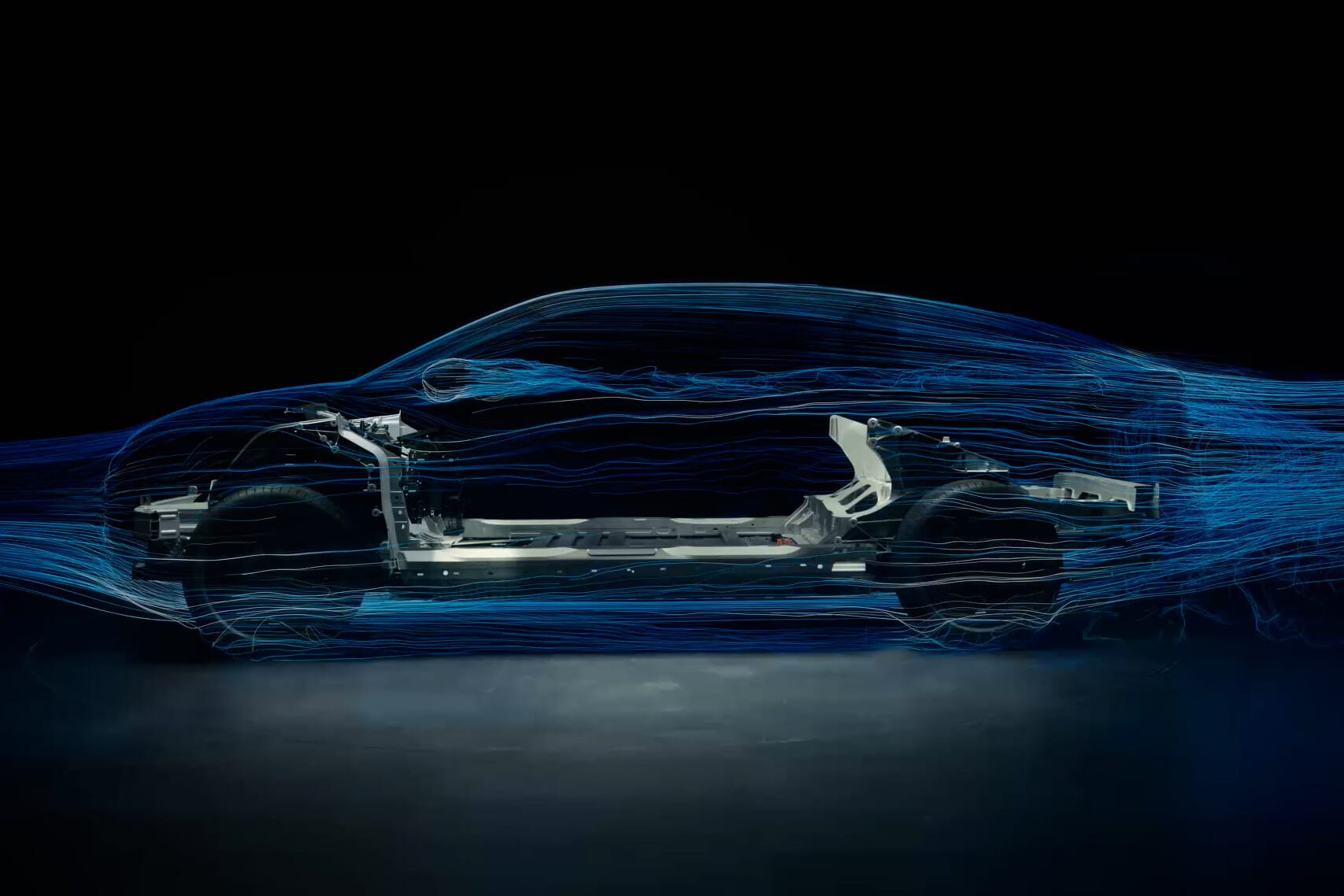
In total, Ford claims its tweaks to the conventional shape of a pickup with the developments of its EV mean it is 15 per cent more aerodynamically efficient, delivering up to 80km more driving range.