
Proposed emissions regulation change could hit Toyota LandCruiser 70 Series, Ram 1500
A handful of popular vehicles on sale in Australia could soon no longer be exempt from hefty emissions penalties.

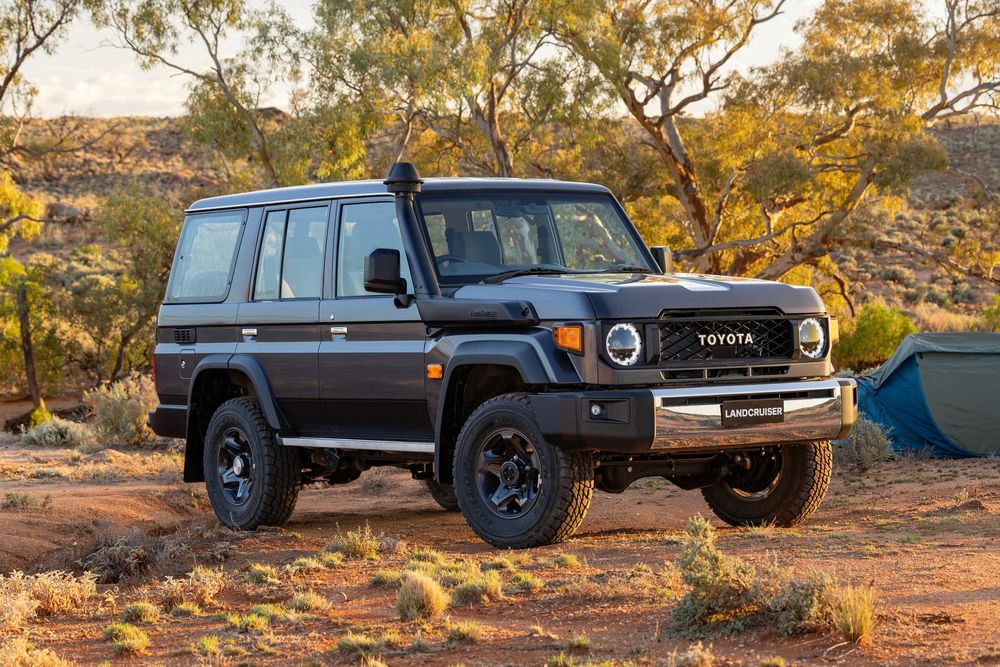
A loophole in Australia’s New Vehicle Efficiency Standard (NVES) could soon be closed up, and make a big impact on the likes of the Toyota LandCruiser 70 Series and Ram 1500, among others.
Since NVES was introduced last year, carmakers in Australia are penalised $50 for every gram of CO2 per kilometre their vehicles exceed an emissions limit, which is split into two categories.
In its first year of 2025, Type 1 vehicles (the majority of passenger cars and SUVs) had an average emissions limit of 141g/km, while for Type 2 vehicles (heavier duty models such as 4x4s and utes) this was 210g/km.
These limits are lowered each year until 2029, when Type 1 vehicles will need to emit 58g/km or less, while Type 2 vehicles will have a 110g/km cap.
 Jordan Mulach
However, at present vehicles with a gross vehicle mass (GVM) between 3501kg and 3885kg are exempt from NVES penalties, allowing the Toyota LandCruiser 70 Series (3510kg), Ram 1500 (3505kg), Toyota Tundra (3536kg) and Ineos Grenadier (3550kg) to avoid racking up penalties.
This could soon change though, as the Australian Government is looking to amend the NVES rules to remove that exemption for vehicles with a GVM up to 3885kg, which would close the loophole and result in the aforementioned models counting towards their makers’ total fleet emissions.
If enacted, the proposed changes would come into effect from July 1, 2027, at which point the CO2 limit for such vehicles before they start to incur penalties is 150g/km, further reducing to 122g/km in 2028, and 110g/km in 2029.
Currently none of the four listed vehicles have published CO2 emissions, as there is no requirement for the 3501kg-3885kg GVM vehicles to undergo official lab testing for fuel consumption and emissions.
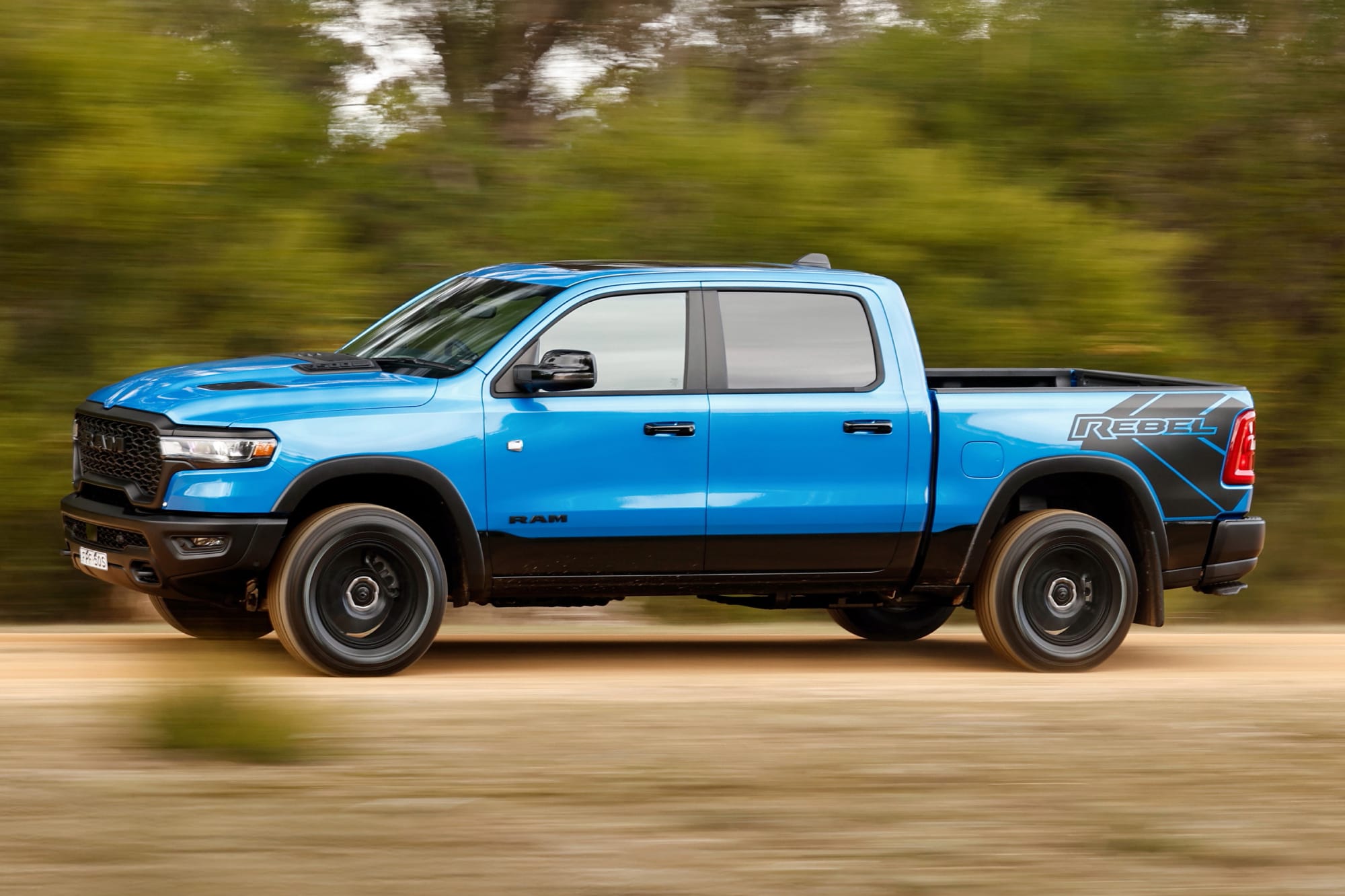
It’s understood this will have a noticeable impact on all of the brands with vehicles whose exemption is set to be removed, particularly Toyota which had its GVM increased to 3510kg a few years ago to get around side-impact regulations which would have seen it removed from sale.
Vehicles which have a GVM of 3885kg to 4500kg will remain exempt from the proposed changes, as the UN Regulations upon which the relevant Australian Design Rules (ADRs) are based do not have the capability to test vehicles of this nature.
“[...] work is well advanced to extend emissions testing to larger vehicles. This means these vehicles will retain exempt vehicle status until 31 December 2029,” the Australian Government’s draft reads.
“Once the UN Regulations for CO2 emissions testing have been updated in late 2026, we plan to undertake further consultation to determine what CO2 testing requirements should apply to these vehicles, to enable their inclusion in the NVES from 1 January 2030.
“These vehicles account for around 6000 new vehicle sales per year, or less than 0.5 per cent of new vehicle sales under 4.5t GVM.”
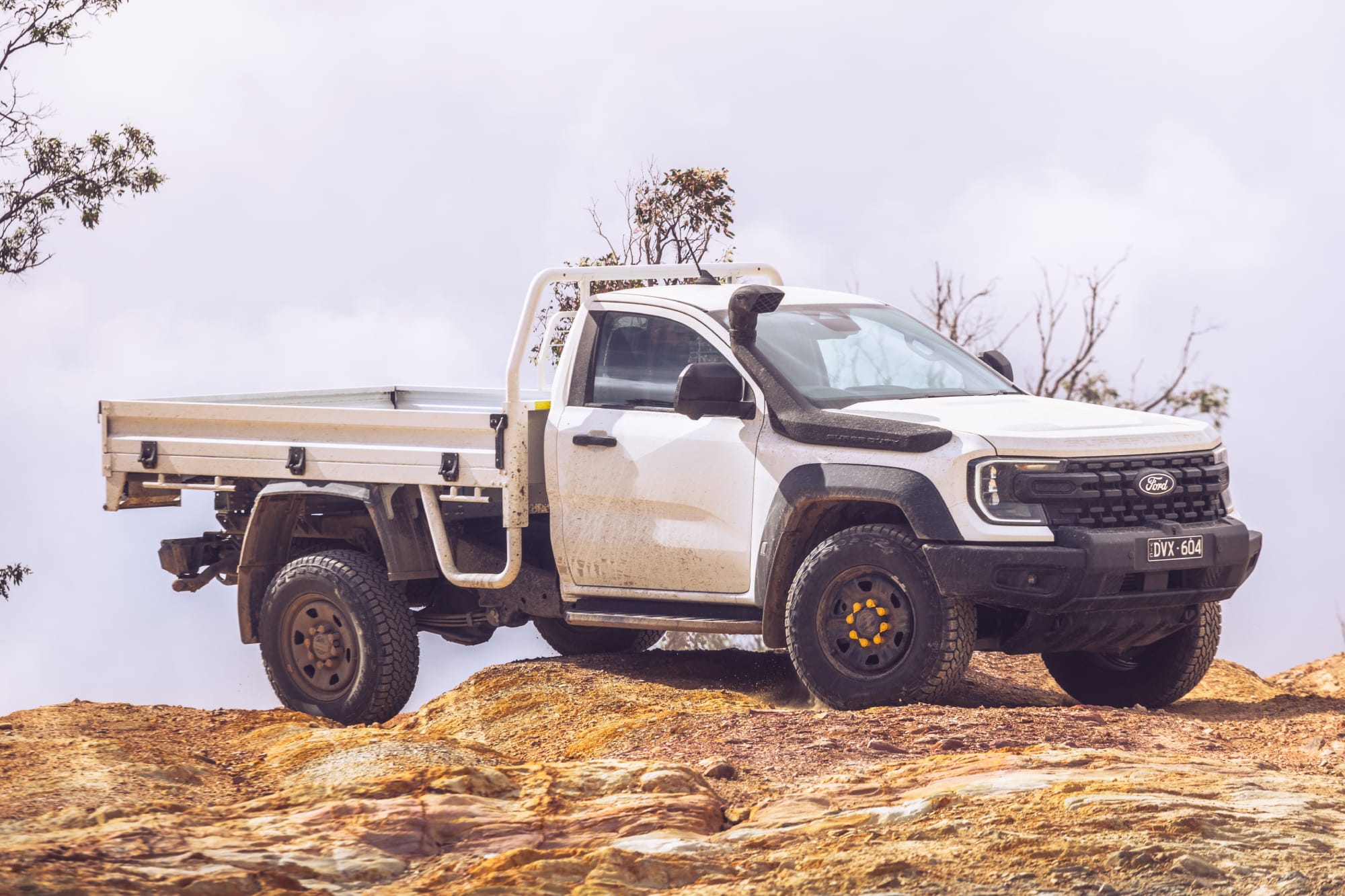
This category includes the likes of the Ford Ranger Super Duty, the Ram 2500/3500 and Chevrolet Silverado Heavy Duty.