
More than 4 million cars recalled over potentially deadly door handle design
Chinese authorities have instigated the recall of almost 4.3 million vehicles, requiring the fitment of more clearly identifiable door handles to aid escape.


China is well on the way to making sure electronic door handles become safer, announcing the recall of 4.28 million vehicles, owing to the current lack of easily identifiable interior door handles.
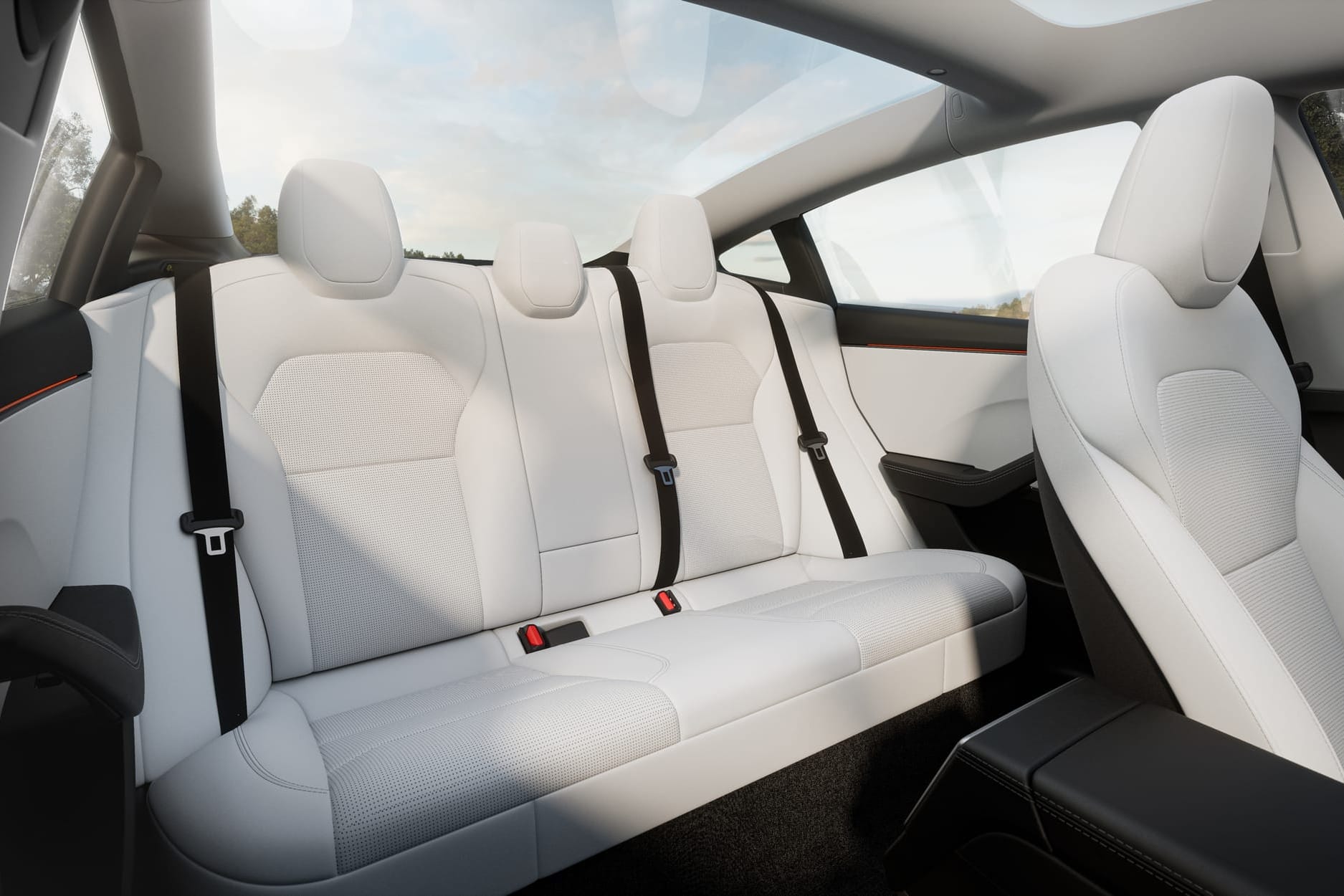
In the circa-4.28 million cars, the standard interior door handles are electronically operated, requiring occupants to press a button which opens the door for them.
However, if the car suffers a loss of electric power to its systems – such as after a crash – these handles no longer work, requiring the use of a mechanical handle to open the door.
The vehicles affected by the recall have been identified as not having mechanical door handles which are easily identifiable, making it difficult for those who are potentially involved in a crash to find them and be extracted.
As such, China is requiring these vehicles to be recalled, impacting approximately 2.98 million Teslas, 390,000 Xiaomis, 371,000 Leapmotors, 265,000 XPengs, and more than 273,000 from vehicles of other brands.
It’s understood to be the world’s largest automotive recall which doesn’t centre around the manufacturer of a part, after the Takata airbag scandal led to more than 100 million vehicles being recalled.
In addition to the physical changes being made, some of the brands will roll out an over-the-air software update which automatically lowers the vehicle’s windows after a crash is detected, again to aid occupant extraction.
The recall follows the announcement in February from China’s Ministry of Industry and Information Technology, in which it dictated EVs sold in the nation will need to have mechanical releases both inside and outside the doors, rather than hidden handles powered by electric motors.
 Jordan Mulach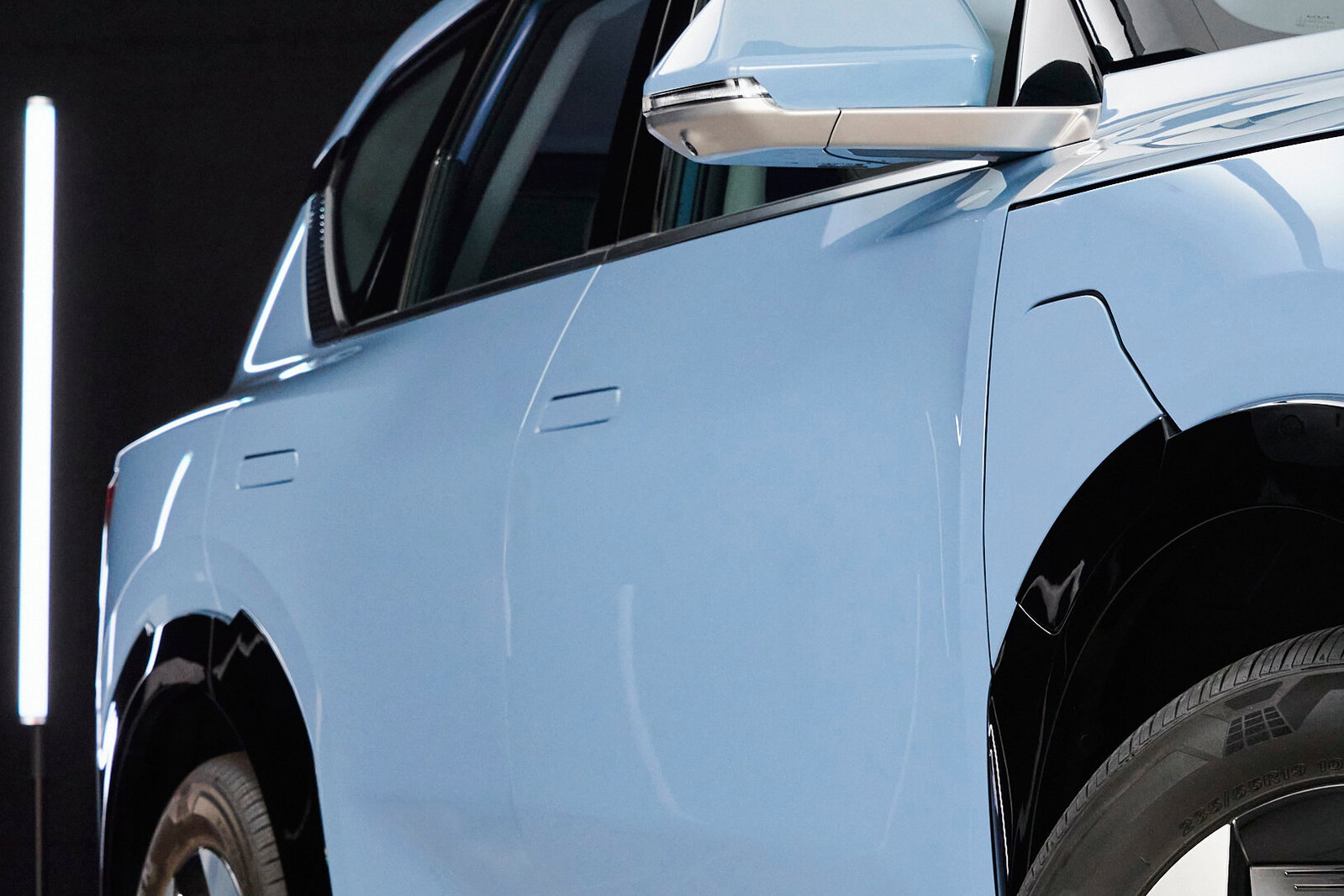
All new cars sold in China from January 1, 2027 will need to comply with the regulations, however those which have already been approved for sale have a grace period until January 1, 2029 to become compliant.
It will have an impact on some of the most popular EVs in the nation such as the Tesla Model Y and Model 3.
Both Europe and the US have also been mulling changes to door handle regulations, also in the wake of fatal incidents where vehicle occupants have been trapped.
While the Australian government is yet to make a call and follow suit with new regulations, the CEO of the Australasian New Car Assessment Program (ANCAP), Carla Hoorweg, told ABC Radio Melbourne at the time our country should follow suit.
 Jordan Mulach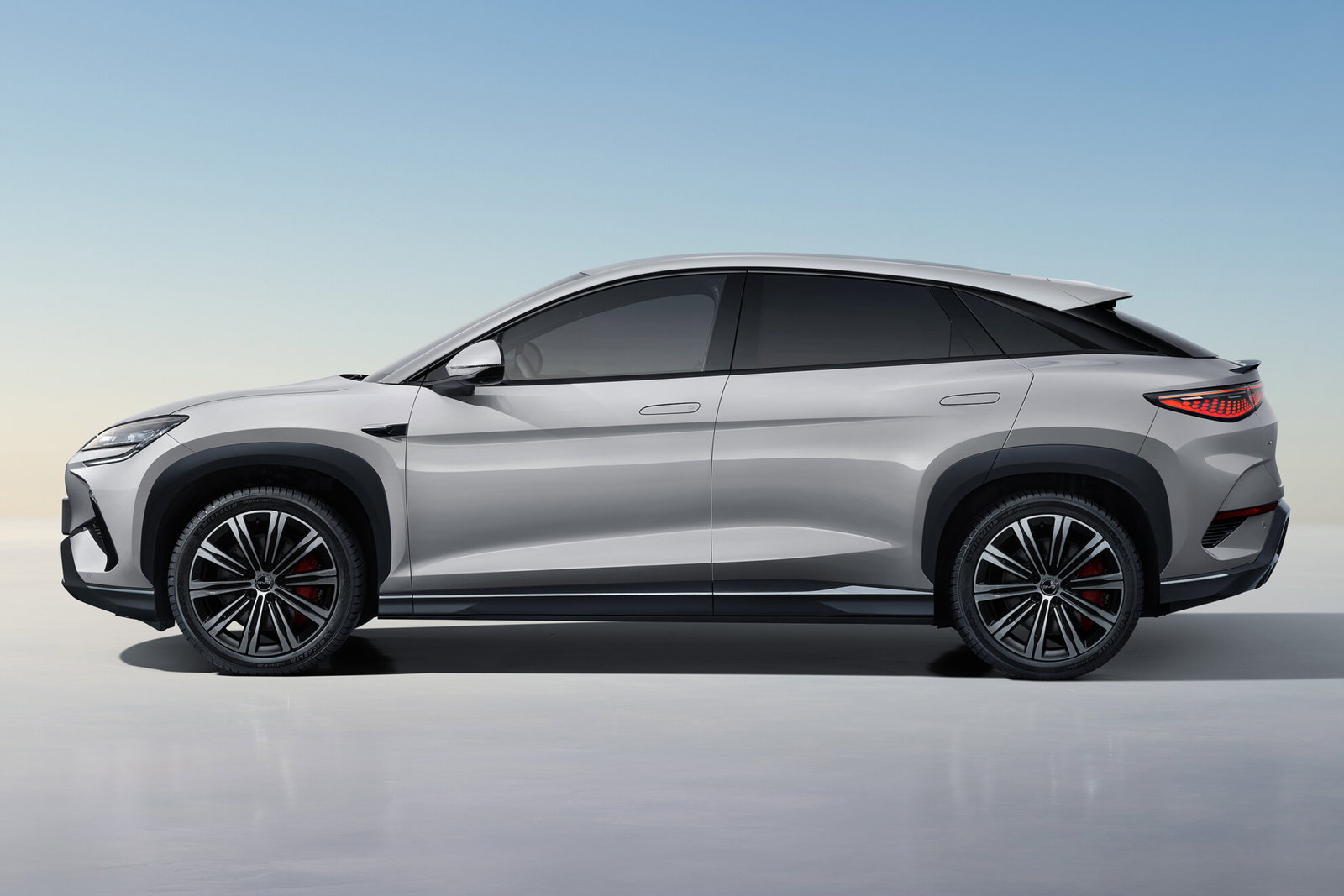
“The concern is warranted; it’s an area where there’s opportunity for the government to sweep up and stop this from happening,” Hoorweg said on Raf Epstein’s Mornings program.
“The evidence that we’ve seen so far - we know the government’s working on regulations, they’re part of the UNUnited Nations rule-making process - but it’s certainly an opportunity where you wouldn’t want to see regulations delayed while other jurisdictions move in this direction.
“[It’s] certainly an area where the regulator should come in and step in, in our view. We’re doing what we can, but we’re voluntary - it’s not mandatory to have an ANCAP safety rating, so we can’t stop cars coming into the country.”
In November last year, ANCAP announced it would follow sister organisation Euro NCAP by introducing new criteria for 2026 to 2028, which includes cars losing points if their electrically operated exterior door handles don’t remain operable after a crash, preventing first responders to help extract occupants.