
Toyota, BMW partner again, but there’s no Supra this time
After the successful Toyota Supra/BMW Z4 joint project, the two brands are now a part of a six-month renewable fuel pilot program.

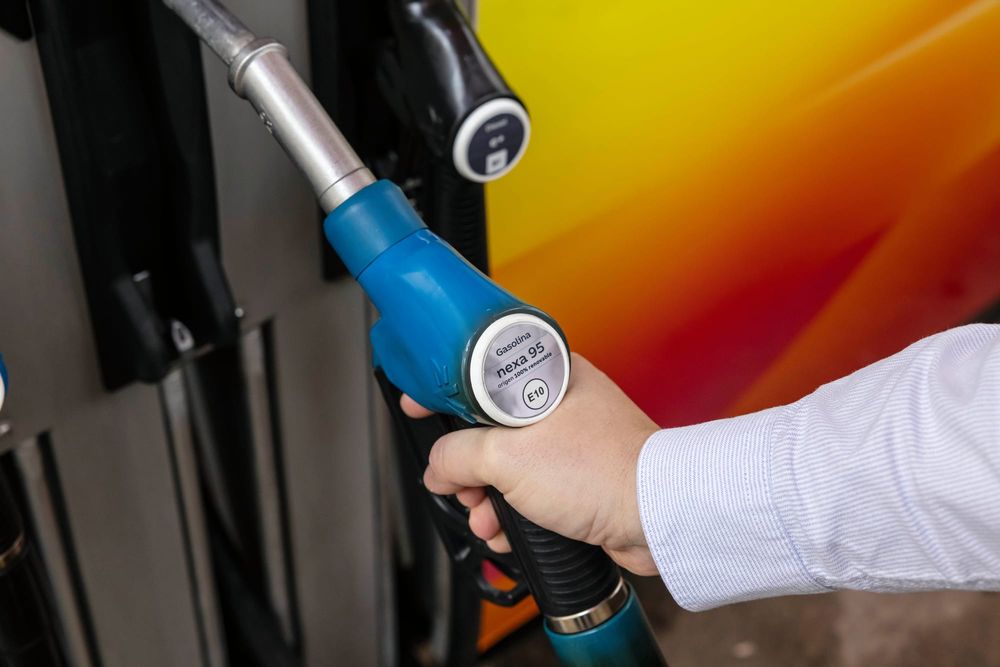
Toyota and BMW are back working together again, but this time they’re not looking to build a pair of sports car twins like the Supra and Z4.
Instead, the wider BMW Group and Toyota’s European operations are teaming up with Spanish energy firm Repsol and automotive parts giant Bosch to undertake a six-month pilot program, running vehicles on 100 per cent renewable petrol.
Sourced from Repsol, the Nexa 95 100 per cent renewable fuel will be used by a fleet of around 20 Toyota and BMW vehicles, with the aim of providing real-world evidence that vehicles running Exclusively on Eligible Fuels (VEEF)* can be effectively deployed at scale.
If this is the case, it’ll help to support Europe’s transition to reduce transport emissions among the existing car parc, rather than just focus on the outputs of new vehicles.
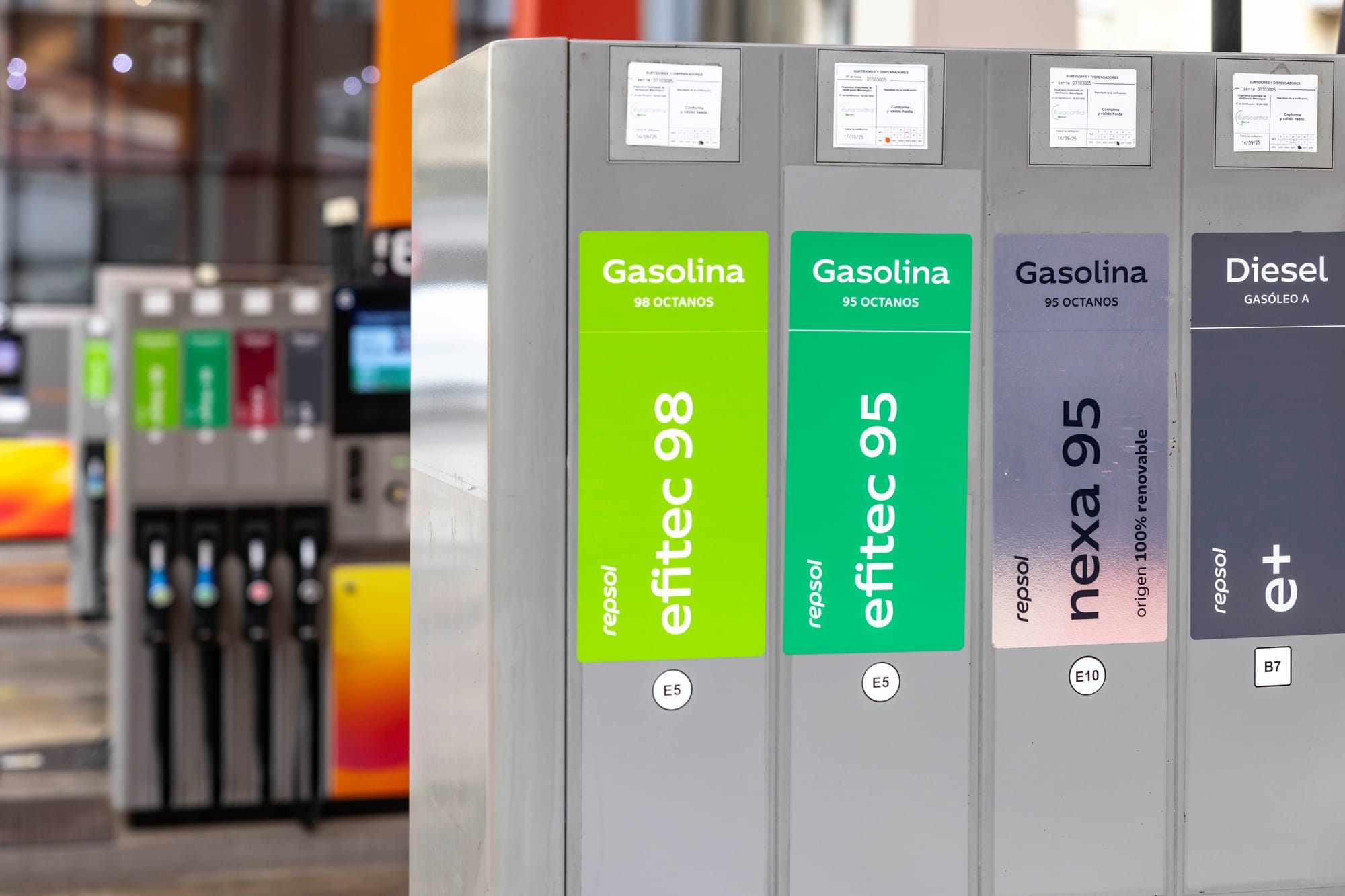
Bosch’s role will see the company supply advanced digital fuel tracking technology to help the other brands in their assessment, collecting and validating refuelling data from multiple sources, including vehicle data, fuel stations and fuel card transactions.
The fuel itself is produced by Repsol from Renewable Energy Directive (RED)-compliant feedstocks, claimed to produce significantly less greenhouse gas emissions than traditional fossil fuels, without an impact on vehicle performance or the need to change infrastructure.
“We believe renewable fuels can play a key role alongside electrification in reducing CO2 emissions,” said Toyota Motor Europe Vice President Corporate and Governmental Affairs, Pascal Ruch.
“As the transition progresses, it is becoming clear that there is a growing risk that 100 per cent zero-emission vehicles by 2035 may not be fully achieved. In such a scenario, renewable fuels can help bridge the gap to deliver carbon neutrality, especially when combined with hybrid and plug-in hybrid technologies.
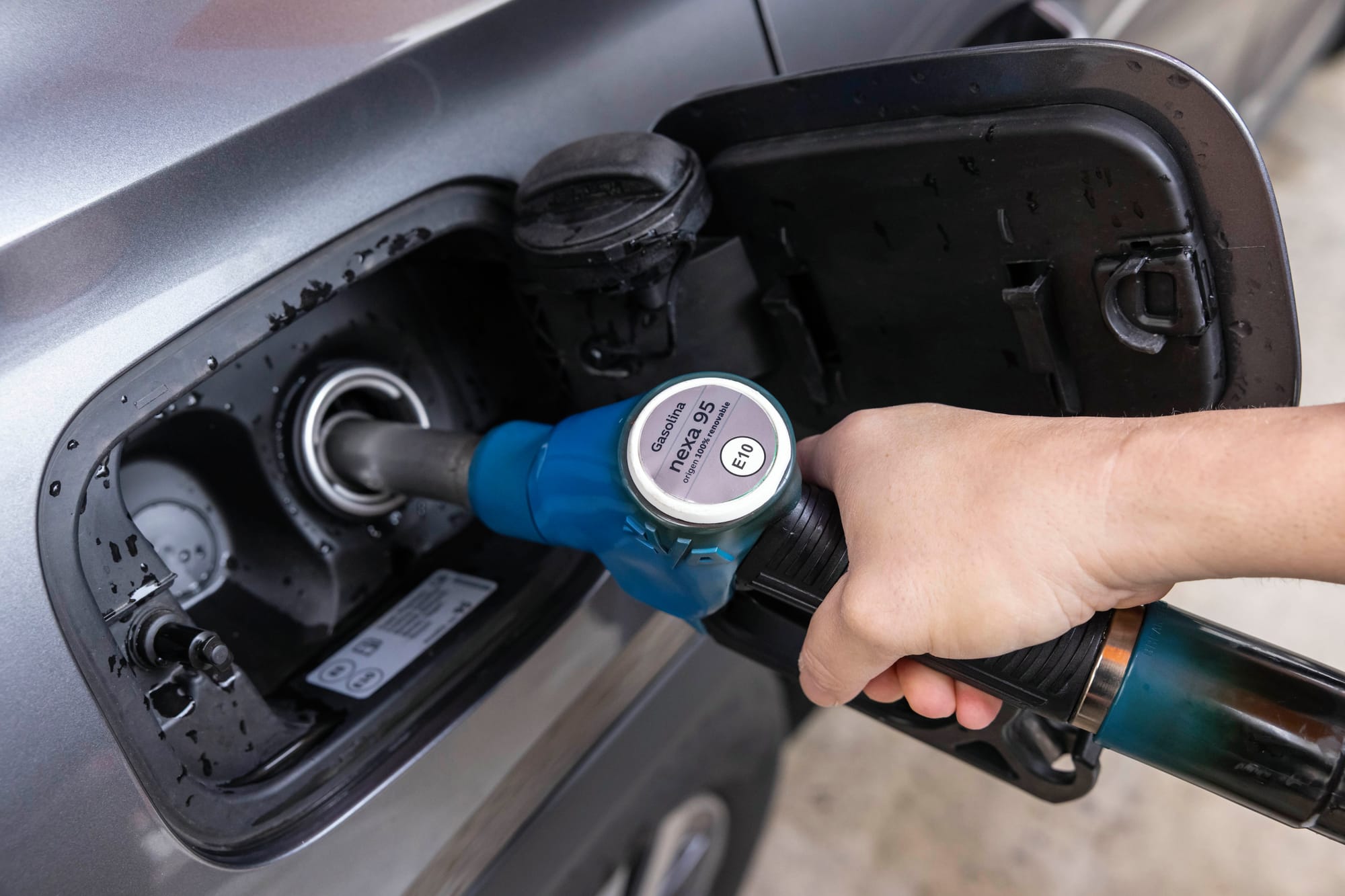
“This pilot aims to demonstrate how renewable fuels can make a meaningful and sustainable contribution to decarbonisation today, for both new and existing vehicles.”
It’s worth noting that the European Commission ditched its controversial internal combustion engine (ICE) ban for new light and passenger vehicles by 2035 late last year.
Instead, carmakers will need to reduce their fleet emissions by 90 per cent compared to 2021 levels before the start of 2035. The existing regulations would have required a 100 per cent reduction, effectively making EVs and FCEVs the only viable models.