
What Ford’s rally return means for its road cars
Ford has announced it’s coming back to the WRC as a factory-backed effort, providing a clearer link between its road and race cars.

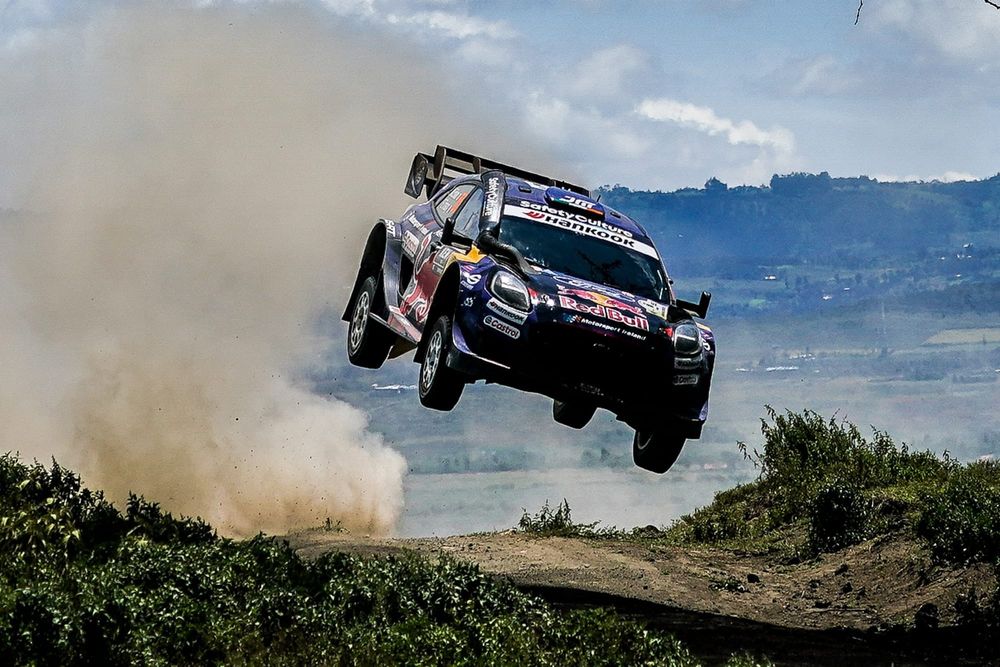
After a 16-year hiatus, Ford is returning to the WRC with factory backing from 2028, marking the first time since 2012 that the Blue Oval brand has thrown its support behind the top-flight rally championship.
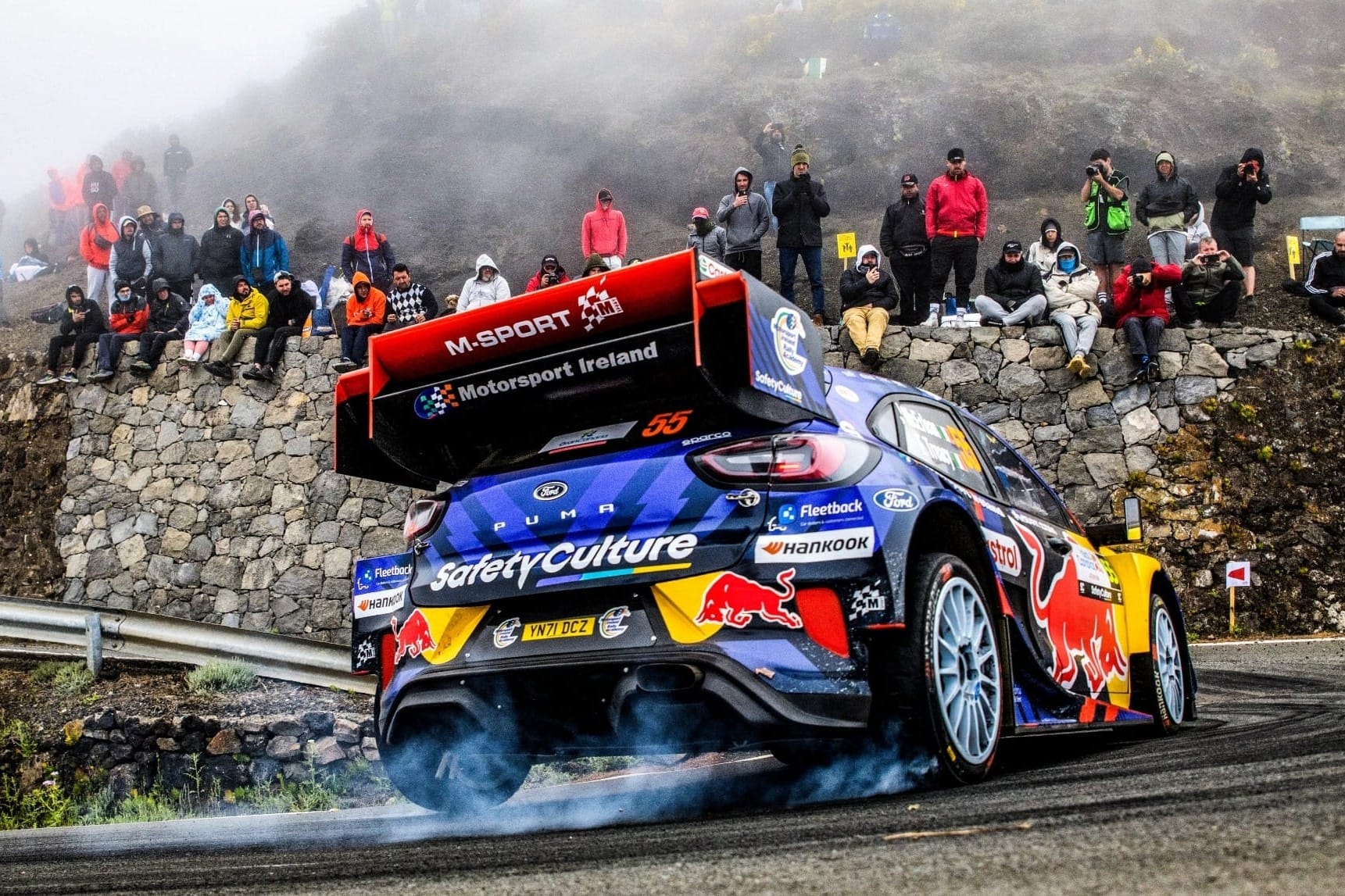
Overnight, Ford announced it will partner with M-Sport to support the team fielding a Fiesta in 2027, before stepping up to factory team status in 2028, and launching an all-new car in the WRC in 2029.
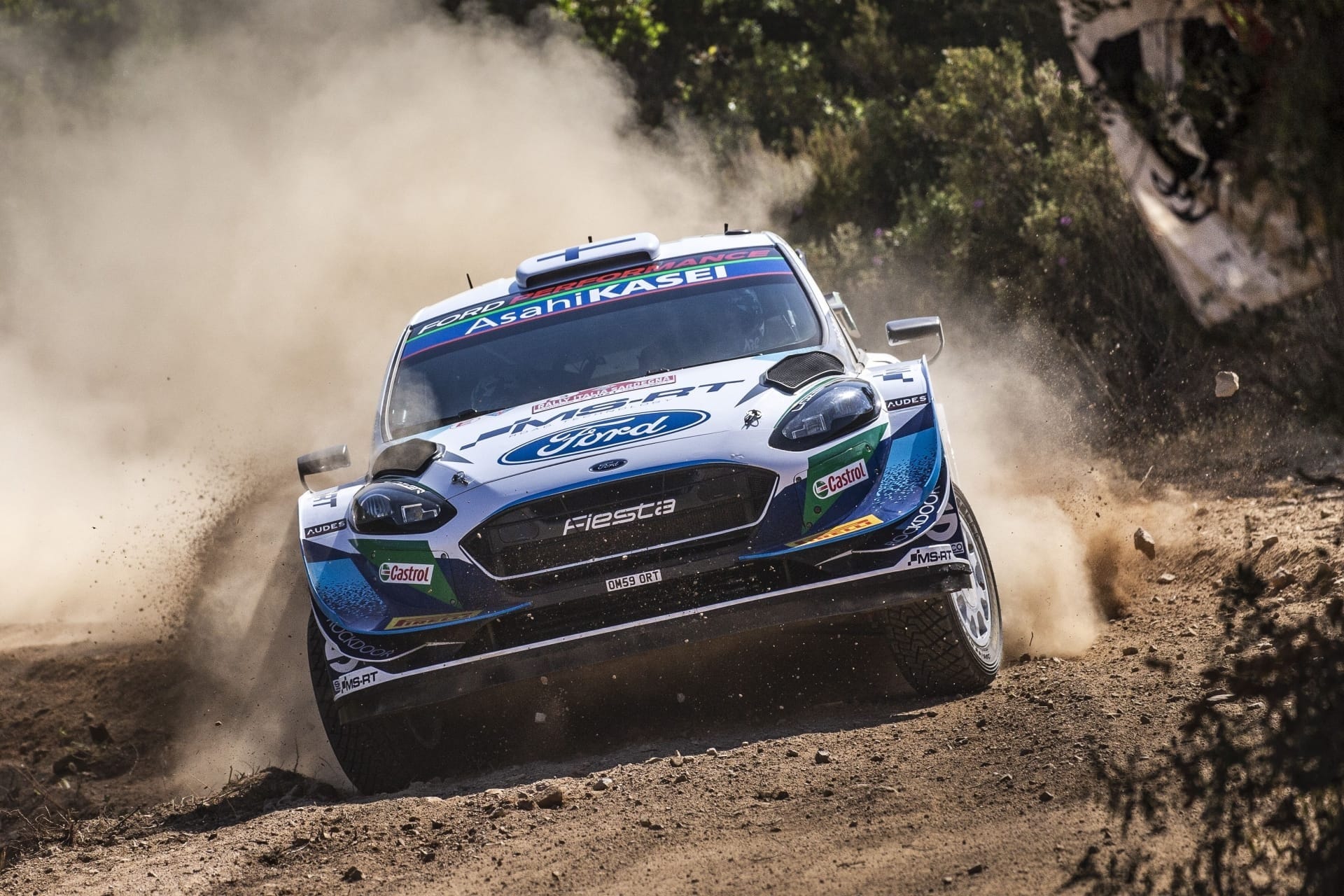
The move comes as the WRC moves to new regulations in 2027, allowing old models such as the Fiesta – which has been out of production since 2023 – to compete in the top class, though all eyes will be on what Ford campaigns in 2029.
“Rallying is where Ford’s character faces its toughest test, and where generations of fans come to share the thrill of seeing a car take on the impossible,” Ford Europe president Jim Baumbick said in a media release.
“We want our next generation of European vehicles to carry that same unapologetic spirit. Responsive, confidence-inspiring, and rewarding to drive on the roads people use every day.
“You can’t fake it on Europe’s roads, which is why a car’s responsiveness and handling matters.
“The WRC is the ultimate proving ground for control and driver engagement, and that is the exact spirit and lessons learned we are injecting into our next generation of passenger vehicles.”
Ford has recently made clear its intention to lean on its rally roots for its next generation of passenger cars in Europe, announcing in May it was planning five new models by 2030, though it's not yet known which will become its WRC contender.
At the time, it said the five cars will not only be “made in Europe for Europe”, but they will dip into the brand’s rally heritage for inspiration.The first of the vehicles to launch will be the long-rumoured European market Bronco, set to be built at Ford’s plant in Valencia, Spain, from 2028.
It’ll become the fourth Bronco-badged model on sale globally, alongside the American full-size Bronco (related to the Ford Everest), the Bronco Sport (based on the Escape) and China’s Bronco New Energy, the latter of which is coming to Australia in 2027 as the Bronco Basecamp.
We do know at least two EVs will be a part of Ford’s five-vehicle rollout, with a small electric hatchback and a small electric SUV set to be twinned and underpinned by Renault’s Ampere platform, launching in early 2028.
Both vehicles will be built at the ElectriCity complex in Douai, France, the current home of the Renault 5 E-Tech.
According to Ford, the hatchback will “combine distinct design with our signature driving dynamics”, while the SUV will feature “the same rally-bred design language and drive dynamics in an urban-friendly package”.
Finally, Ford is set to launch a pair of “multi-energy rally-bred crossover models” by the end of 2029, though it’s not yet clear whether they will be in-house developments or rely on outside partners.
In July, Ford announced it had entered a joint venture with Chinese car giant Geely, allowing the latter to use the former’s Valencia factory in Spain – currently home to production of the Kuga SUV – which will produce what’s being called a “multi-energy crossover”.
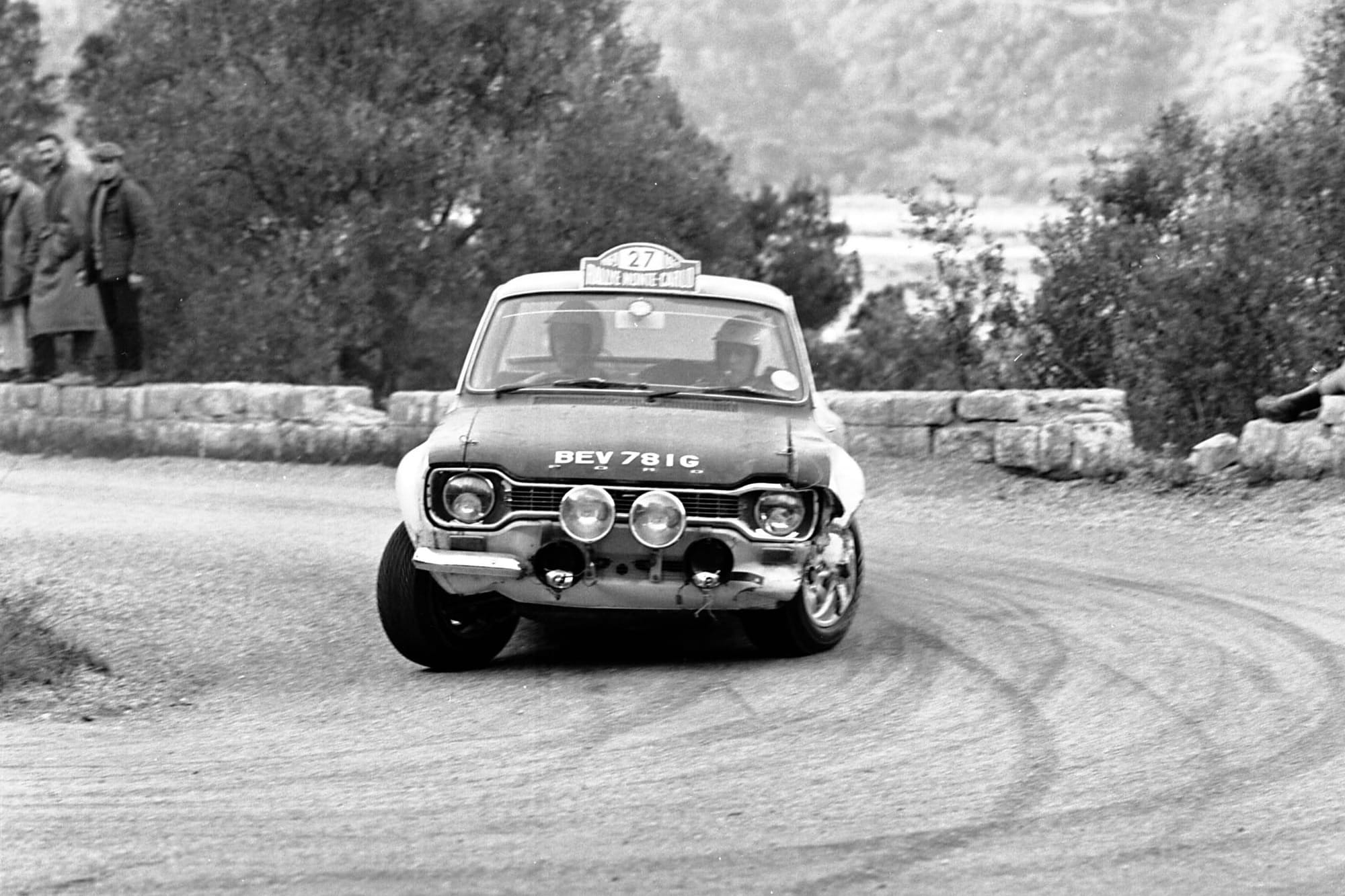
Ford’s global CEO Jim Farley has also made clear the brand’s intentions to dip into the rally heritage for its new European vehicles.
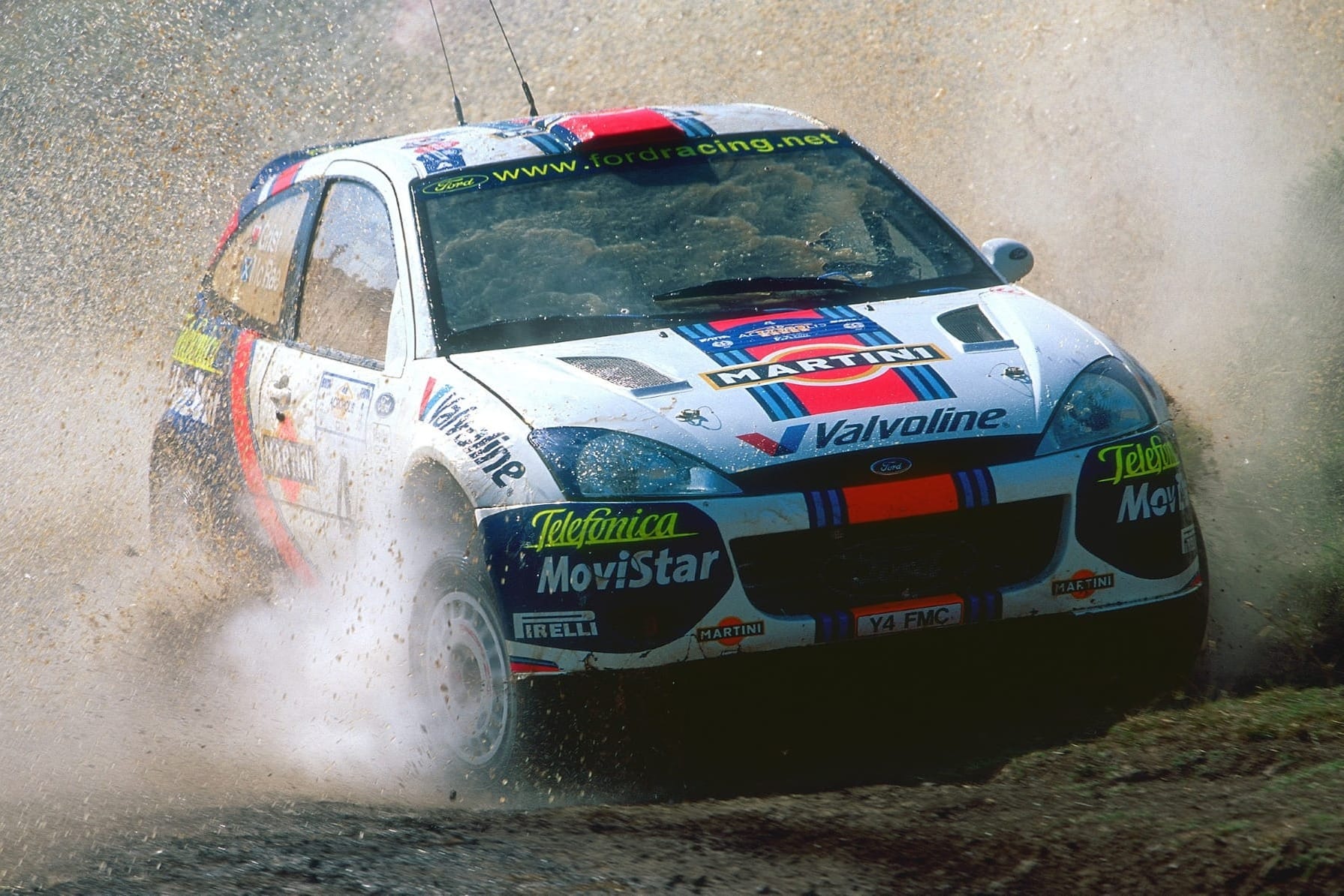
“We want to democratise a rally car. We want everyone to be able to buy a car from Ford, and it's affordable, and it's rally. That to me is a huge turn on,” Farley told the UK’s Top Gear magazine in August.
“I want everyone who buys a Ford in Europe of passenger cars to feel like they're a rally driver."
“I think that’s really exciting, because the off-road world is here [raising an arm], (the) on-road world is here [lowering an arm], (the) rally world is somewhere in the middle."