
Fake gear shifts in EVs ‘essential’ - BMW M boss
The head of BMW’s performance division says simulated gear changes are crucial for electric vehicles to stop catching drivers off guard.

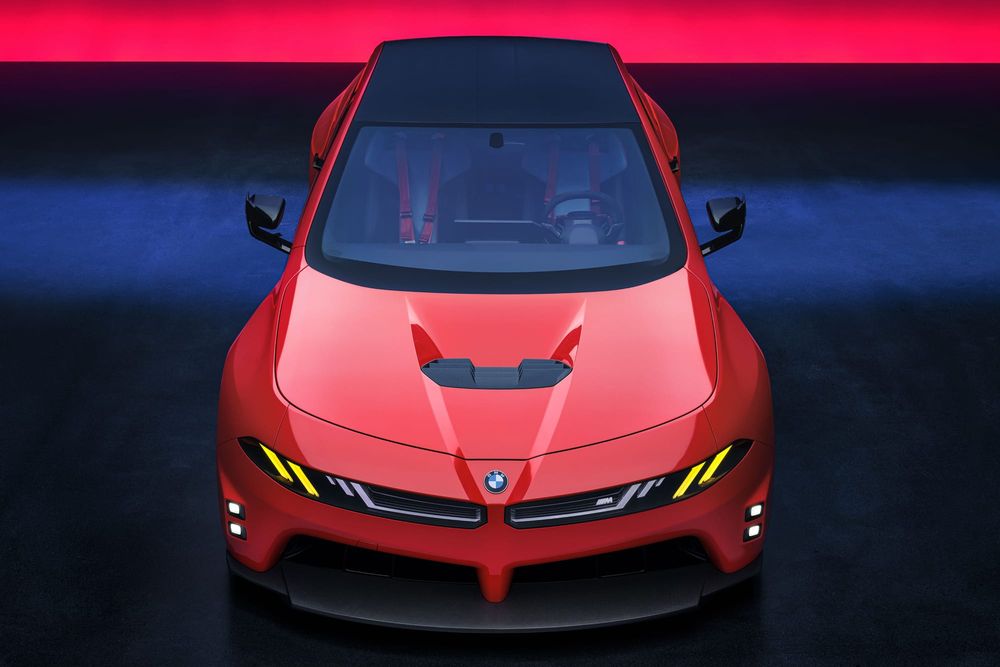
BMW’s first electric M car, the upcoming M3 EV, will be the latest in a long line of battery-powered vehicles using faux gear shifts to keep drivers engaged.
Speaking to Pistonheads at the unveiling of the Concept M Neue Klasse – which previews the design of the electric M3 – BMW M CEO Frank Van Meel confirmed the technology will come to the upcoming super sedan, though it might not be as we’ve seen before.
“It’s essential [gear simulations], so that you know how quick you are going,” Van Meel said.
"On the track with gears you know how quick you are going into each corner. Simulated ratios will help this be maintained in the electric car.
 Jordan Mulach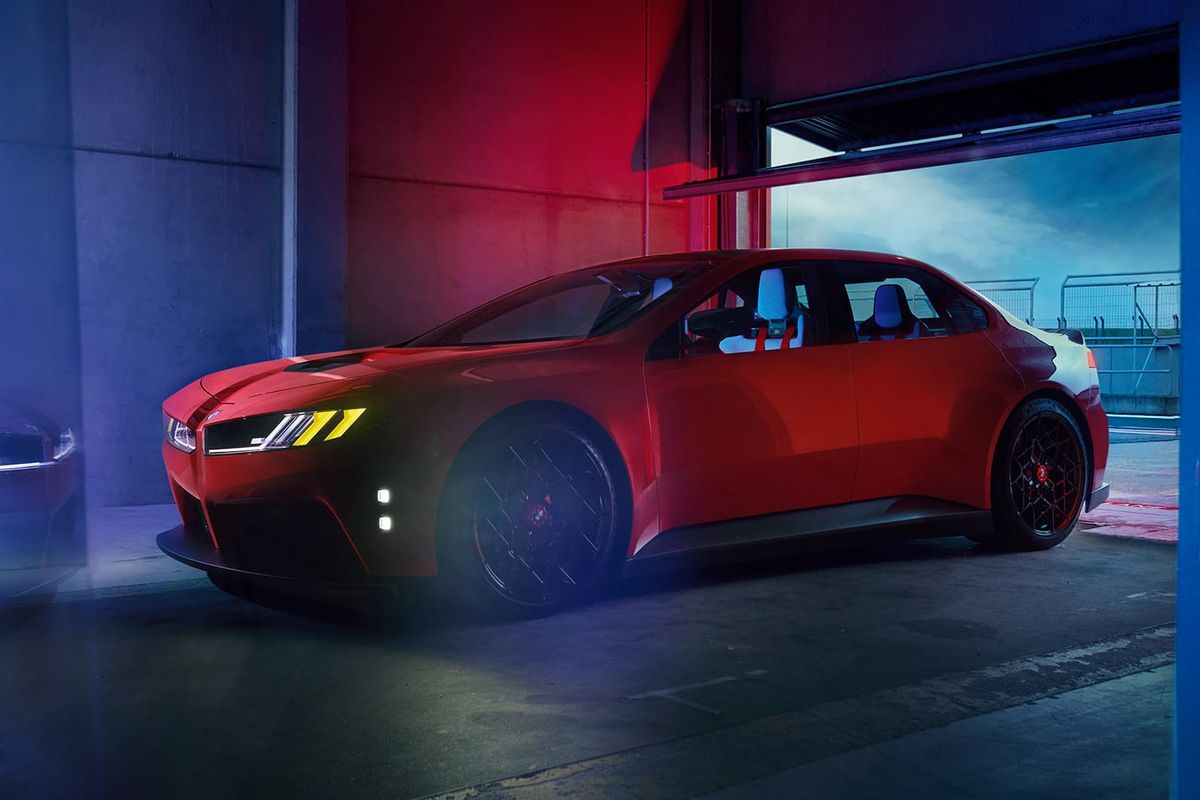
“I won’t say we’re fully copying a gearbox [characteristics] as then we’d copy the negatives. We need to find the good things and then use those to enhance the driving experience.”
According to the report, the system will act differently to what Hyundai introduced to the world with the Ioniq 5 N, which has later been added to the Ioniq 6 N.
In Hyundai’s performance EVs, the ‘N e-Shift’ mode mimics the gear changes of an eight-speed dual-clutch automatic transmission, giving a slight extra cut and then burst of torque when a new ‘gear’ is called upon.
According to BMW M’s head of development, Alexander Karajlovic, the M3’s system won’t mimic this trait, with the faux transmission instead designed to “separate the torque, but it will be the same torque throughout”.
 Jordan Mulach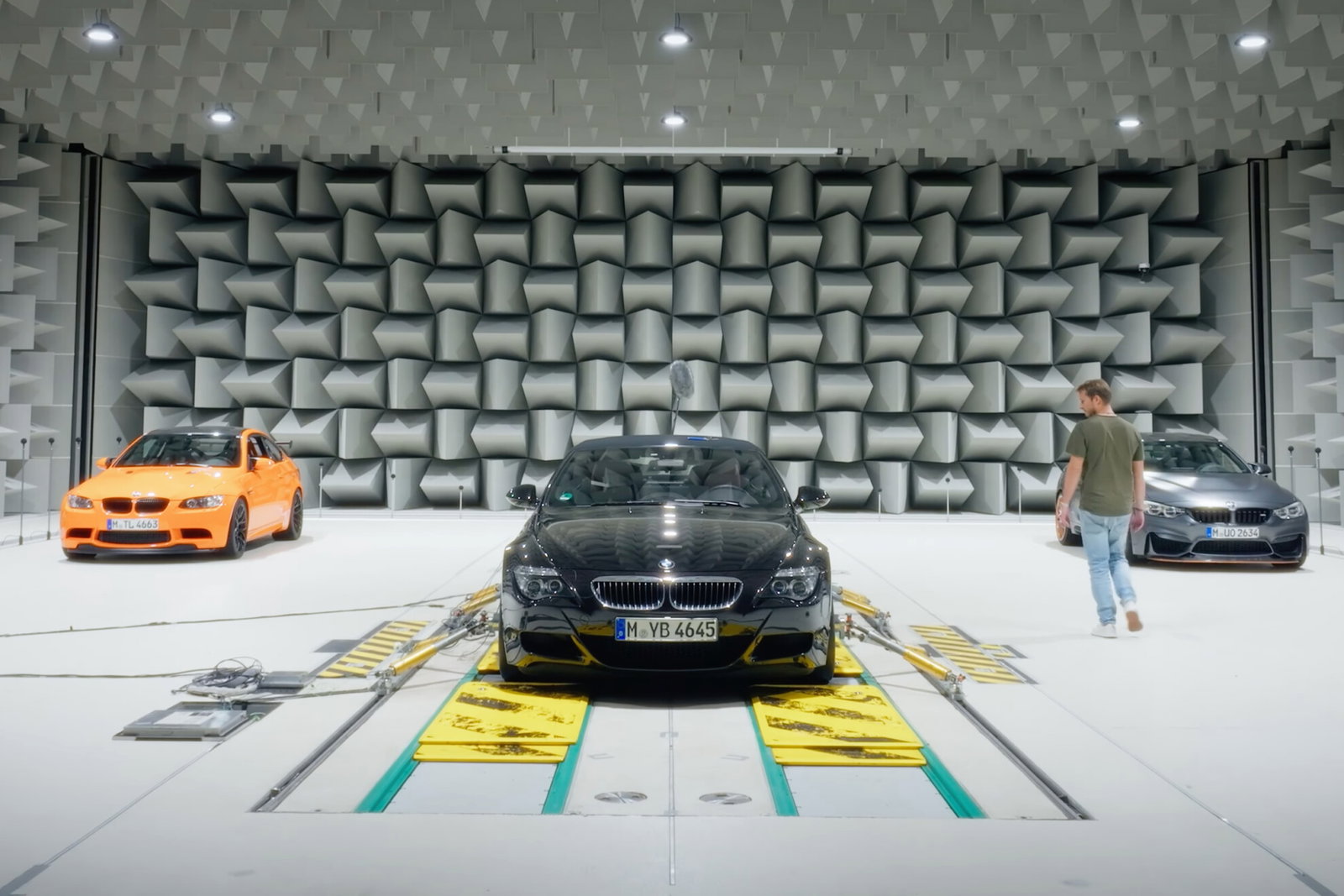
Hyundai’s Ioniq 5 N also pioneered simulated engine sounds in EVs, with its ‘N Active Sound’ system replicating the noises of a turbocharged four-cylinder engine, such as those which power the i30 N and i30 Sedan N.
BMW has teased that the electric M3 will feature a “newly developed soundscape”, with a video previously uploaded to YouTube showing its team recording engine sounds from three recent performance models, which will likely be piped into the EV’s cabin.
These include the E92 M3 GTS (powered by a 4.4-litre V8 engine), the F82 M4 GTS (powered by a twin-turbo 3.0-litre straight-six engine), and the E63 M6 (powered by a 5.0-litre V10).
Previous reports have suggested the electric M3’s 800-volt, quad-motor platform will support power outputs of more than 750kW, making it not only BMW M’s most powerful production car ever, but also well clear of the current twin-turbo straight-six M3 Competition xDrive’s 390kW figure.