
I was wrong about BYD
I’m still yet to even hop into a BYD vehicle, but I’m already impressed with just how far this brand has come in less than four years.

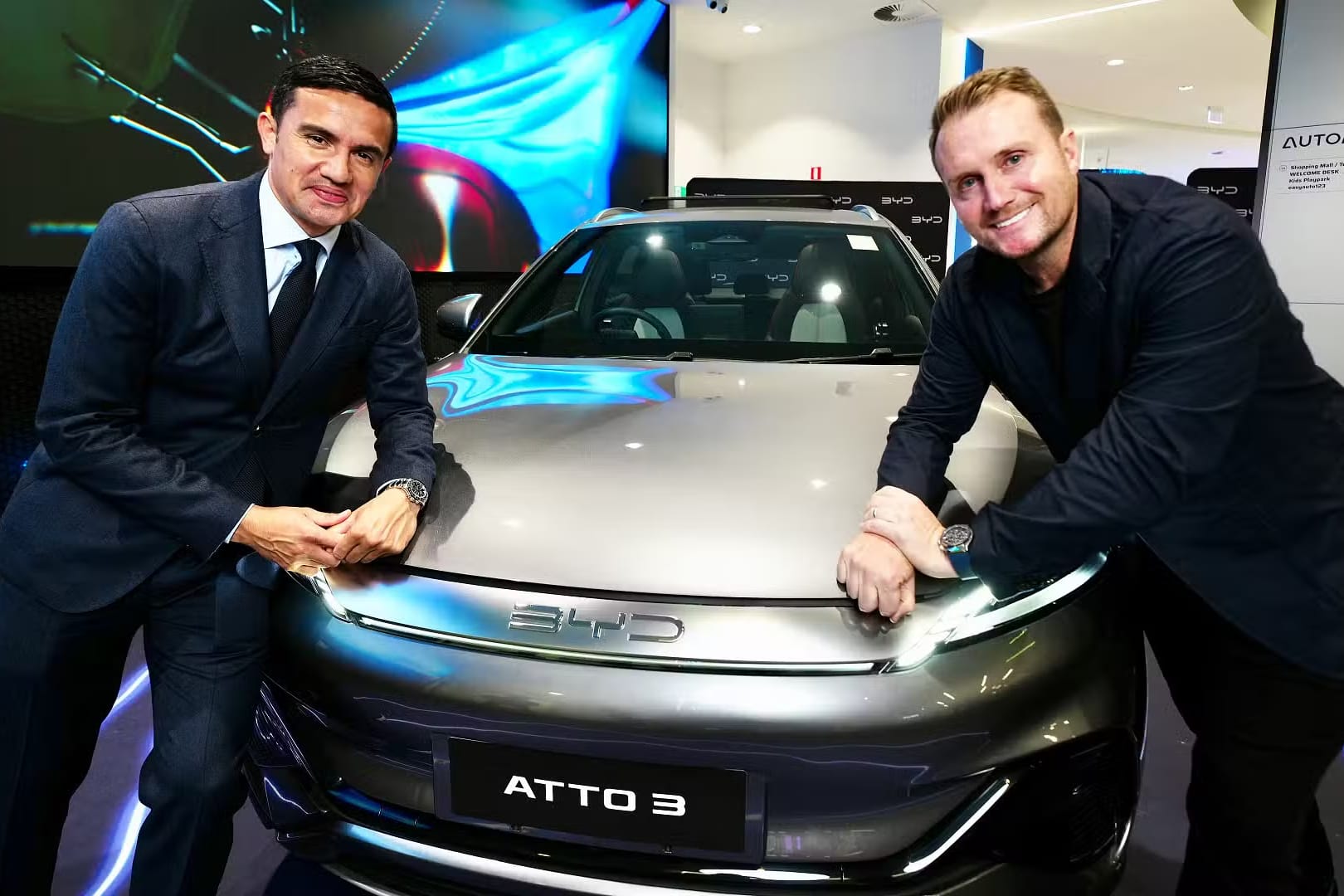
Back in 2022, I attended my first ever new car media event, the preview of the BYD Atto 3 at Brisbane’s Automall.
Not an overly glamorous event – the car had already been revealed to the wider media – but at it was Luke Todd, who at the time was managing director of EVDirect, BYD’s official Australian importer.
Having previously only dabbled in importation with very low volumes of more archaic BYD vehicles, bringing in a new EV to what was a very immature market seemed like a bold plan, though not quite as bold as Todd’s sales predictions.
“Within 12 months, we'll have three models on the (Australian) market being delivered with production capability of 3000 vehicles per model per month – that's 9000 vehicles per month,” Todd told me in an interview.
“Our production capability of 9000 vehicles per month means we are very confident that'll be leading the charge.
“So far, the sales volume (in Australia) has exceeded what we thought.”
For context, at that point in time in August 2022, Tesla hadn’t yet brought the Model Y to local showrooms, nor was it reporting its sales figures.
In the first half of that year, just 9680 EVs had been reported as delivered in Australia (excluding the Tesla’s Model 3), still a huge 336 per cent increase on the same six months in 2021, but far from what you’d call a raging success, making up a tiny portion of the circa 530,000 deliveries to that point.
Todd’s figures also felt optimistic at the time. Toyota was averaging about 18,600 deliveries per month, while even then-second-placed Mazda only managed 8420 monthly deliveries on average.
BYD the year after, with the Dolphin and Seal arriving towards the latter stages of 2023, BYD racked up just over 12,000 sales. Not terrible, but not the big numbers it was hoping for.
 Jordan Mulach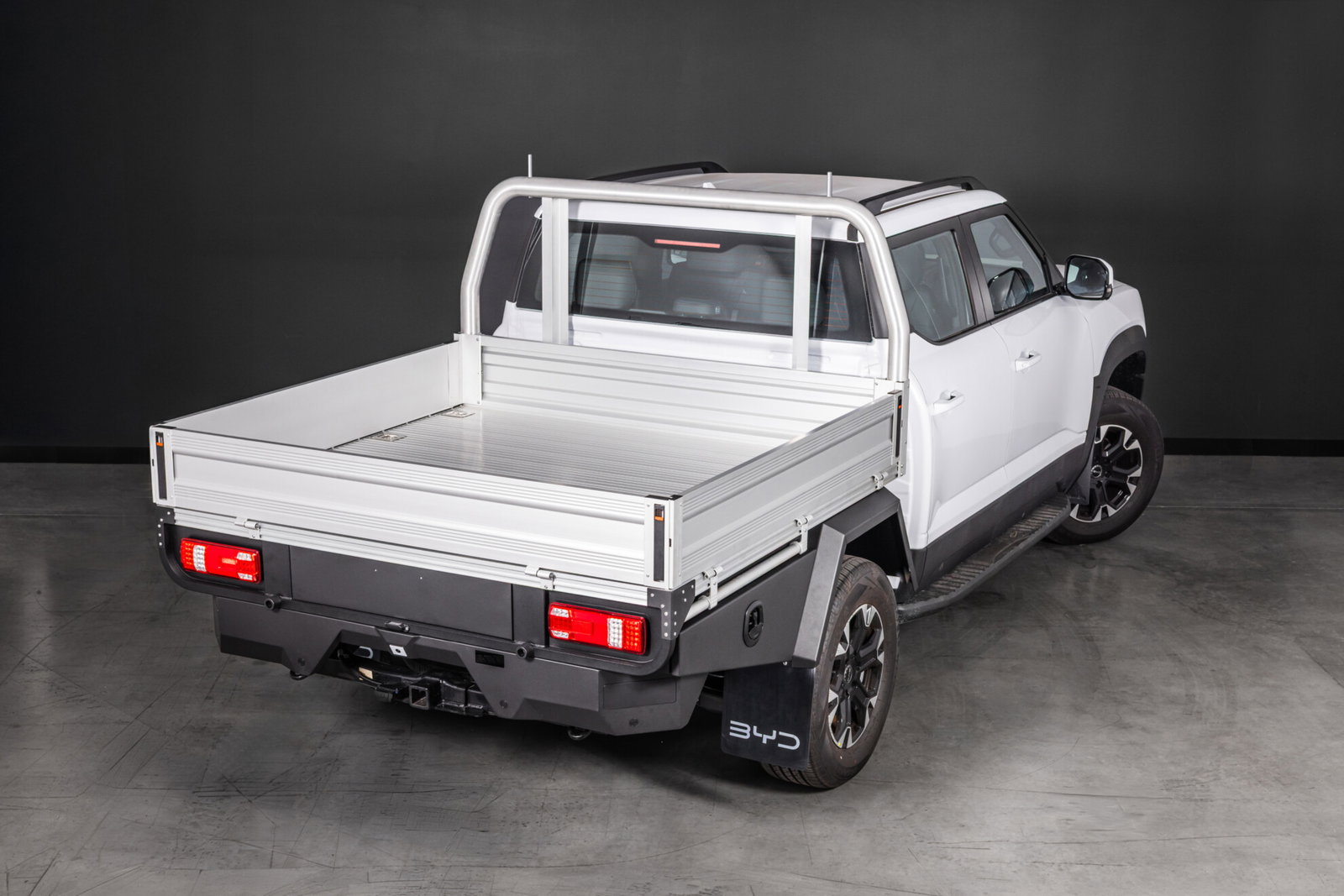
It felt like BYD would be consigned to many other hopeful brands before and since, making a lot of noise but not acting on it. How wrong I was.
Over the years, BYD set itself more realistic sales expectations in Australia, coinciding with the Chinese carmaker effectively taking over local operations to deliver a factory-backed experience.
By reading the market right, everything started to fall into place.
In June 2025, BYD was the fifth best-selling car brand in Australia, and closed out the year in the top 10 for the first time, off the back of the Shark 6 ute becoming the top-selling PHEV locally of all time (despite only being on sale for less than 12 months) while a wider variety of models joined its roster.
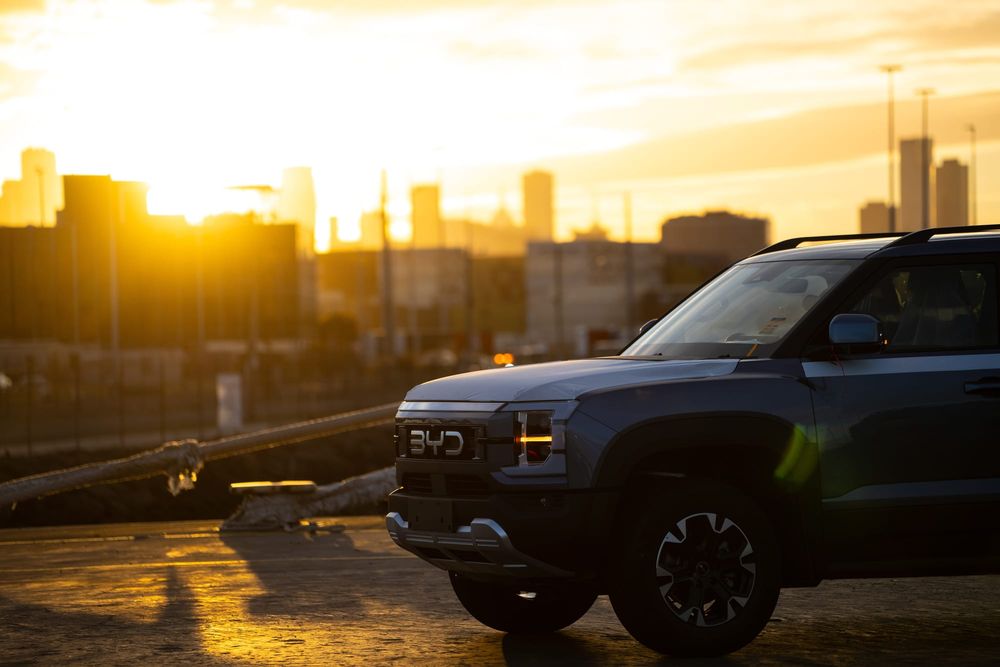
The Shark 6 in particular has been an undeniable sales success. There’s two on my relatively average street and I see them around just as often as new Rangers and HiLuxes.
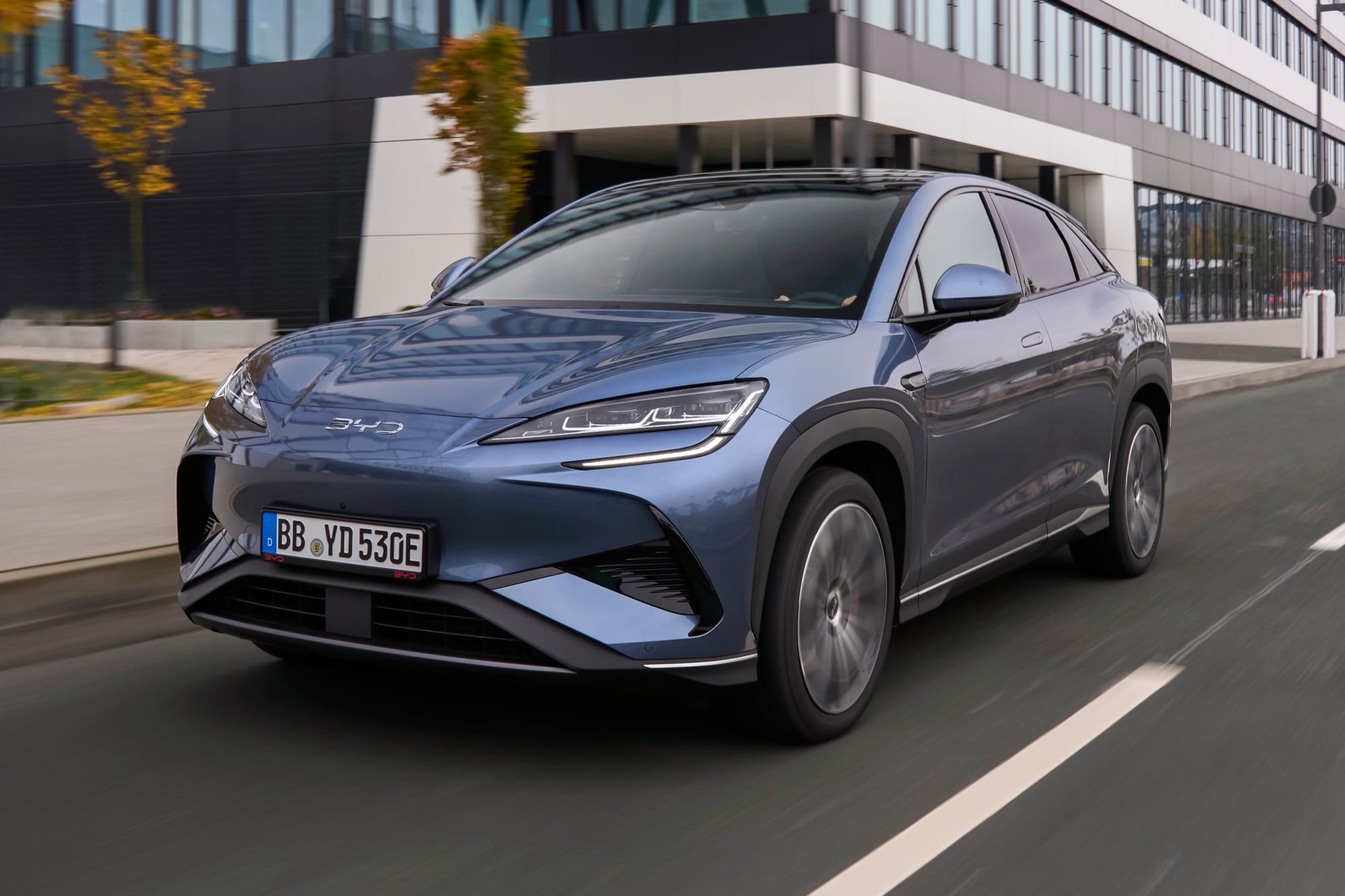
Though deliveries of the Shark 6 have been down by 18 per cent to start the year, the arrival of the Sealion 7 electric SUV, a refresh to the Atto 3, the affordable Atto 1 and Atto 2, plus the new family-oriented Sealion 8 means BYD is now doing serious numbers.
May was a record month for the brand with 8211 deliveries in Australia, placing it second for the second month in a row behind Toyota.
Things are good year-to-date too, with BYD’s 33,454 deliveries in the opening five months not only a 120 per cent increase on 2025, but also enough to place it third in an extremely tight race for second spot on the sales charts.
While Toyota leads the way with 76,017 deliveries between January and May, the fight for second is close between Kia (33,841), BYD (33,454), Mazda (33,224), Ford (33,115), and Hyundai (32,110).
This past week was also momentous for BYD’s future prospects, celebrating the arrival of its car-carrying ship Zhengzhou on local shores.
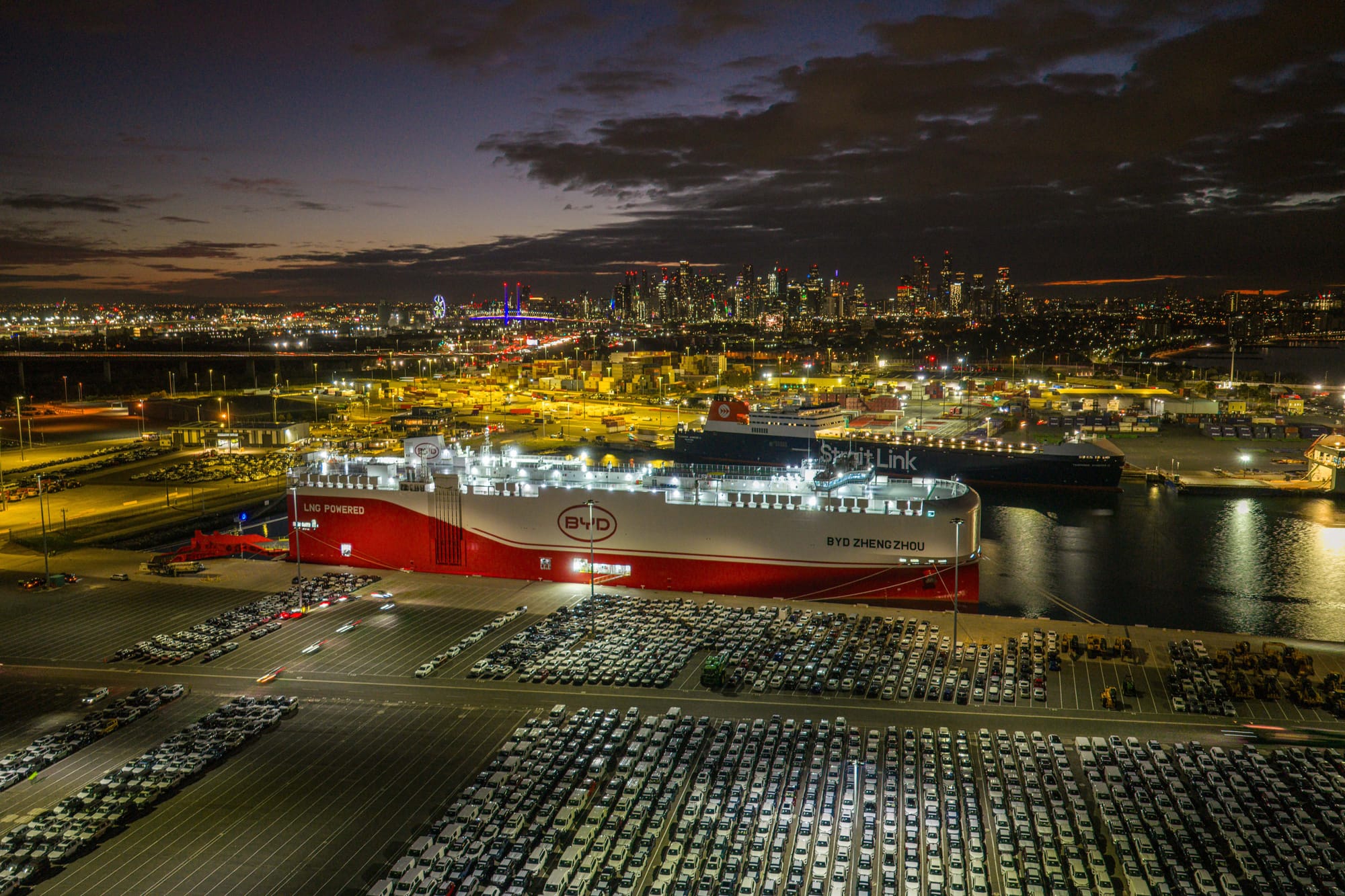
The ship, one of a fleet owned by the Chinese carmaker, carried 4809 vehicles from BYD directly to Australia, at least 1855 of which were unloaded in Melbourne. Given this occurred towards the start of the week, we can expect these deliveries to help push its numbers up when June’s sales figures are released.
Put simply, the rise of BYD in Australia has been rapid, having notched up its 100,000th local delivery in mid-April, and now onto more than 120,000 vehicles on local roads.
Time will tell as to whether the current growth of the brand can be sustained, with the recent fuel shortage and price crisis reshaping Australia’s car market in an incredibly short space of time, while there are also an ever increasing number of other brands from China wanting to get local customers into their cars.
But it’s hard to fathom any brand can have such an impact in a short amount of time, even if it still hasn’t reached that magic monthly count of 9000 deliveries.