
US carmakers have to beat China at their own game - Ford chair
Ford’s executive chair Bill Ford says his brand and others from the US must employ the same tactics as Chinese carmakers to beat or even match them.

The rise of the Chinese automotive industry has been meteoric, and there appears to be next to no way to hold it back.
Unless, that is, you’re the United States, where a new bill has effectively resulted in cars from Chinese brands and/or of origin from the nation, leading to Polestar’s withdrawal from the market.
At the same time, Europe has slugged most Chinese-sourced cars with significant tariffs, driving prices up and leading to brands starting discussions on opening local factories.
While this is still on the table for those operating in the US, Ford’s executive chair Bill Ford – great-grandson of company founder Henry Ford – recently told attendees of an event that his country needs to take notes from China’s playbook.
“We have to go toe-to-toe with China,” Ford said, as reported by the Wall Street Journal.
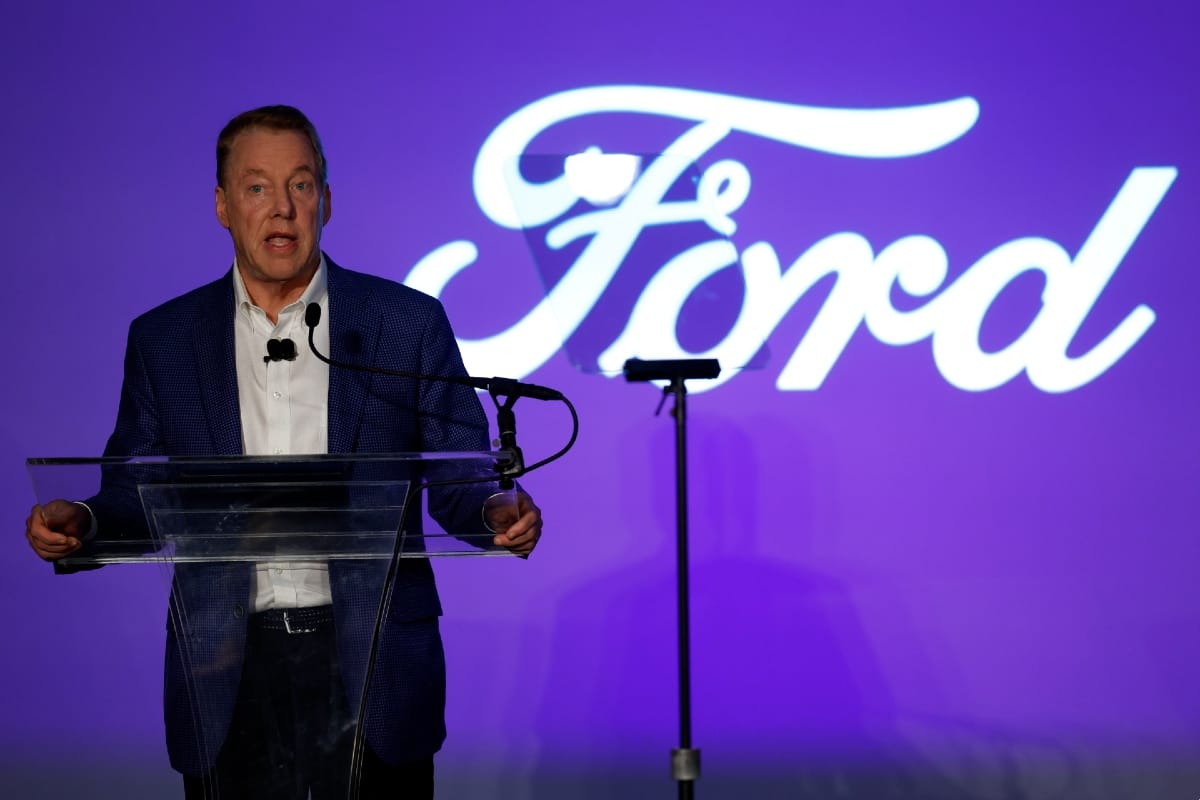
“We can’t expect to keep them out forever, and we have to be able to beat them at their own game.”
According to Ford, any kind of US industrial policy to protect its carmakers must be able to keep brands safe even when administrations or individual policies change – something the industry has been on-edge about with President Donald Trump’s frequent changes.
“Our lead times are longer than political lead times,” Ford added.
“I think an industrial policy that is a bipartisan one – which, as I say today, even saying that might sound difficult – we really need that.”
 Jordan Mulach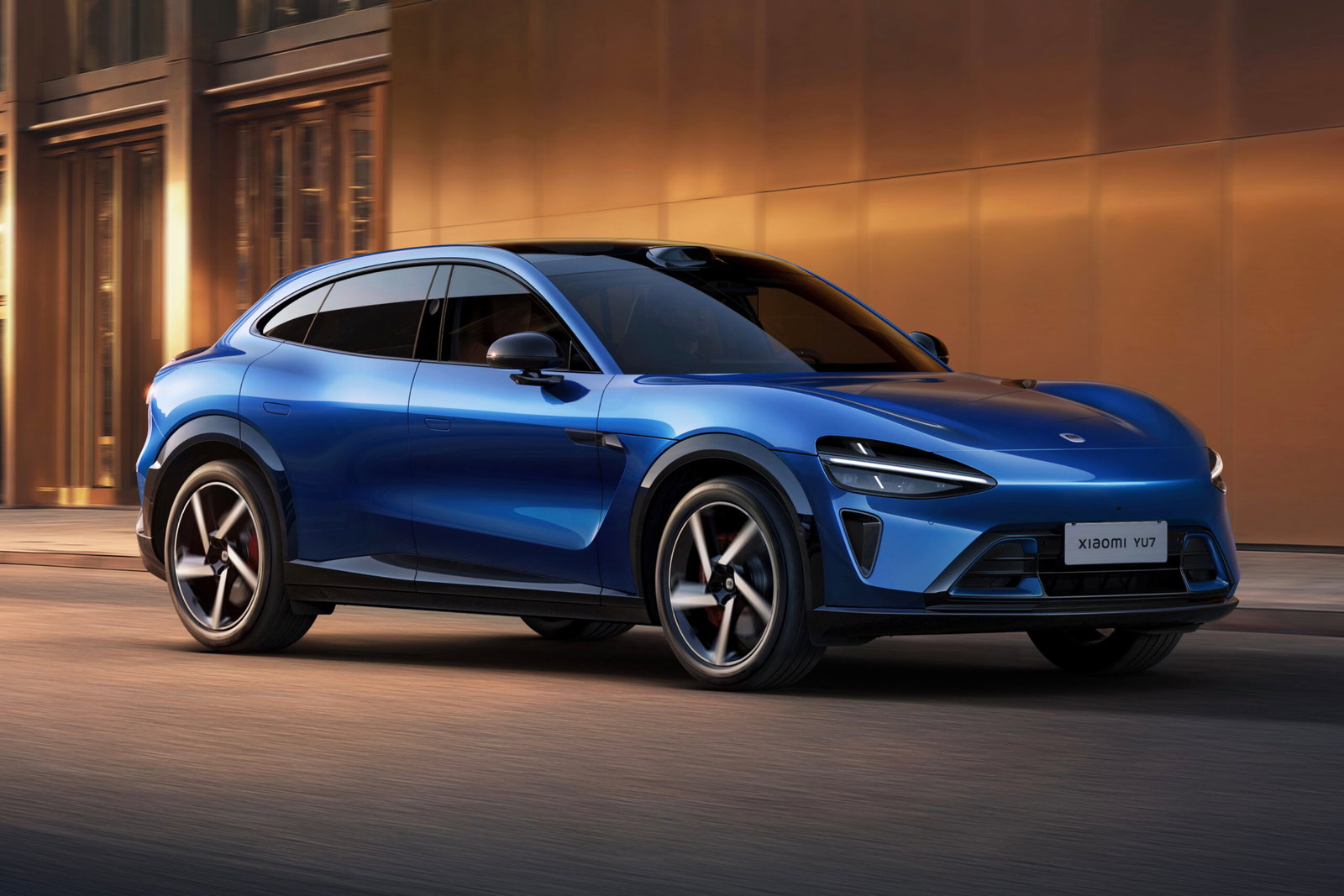
Jim Farley, Ford’s current CEO, has previously praised China’s vehicles as “humbling” and “superior” to those from Western brands, while also warning the nation’s industry is similar to the growth enjoyed by Japan but “on steroids”.
Speaking to US program Fox and Friends in April about the possibility of Chinese cars being imported to the US, Farley once again sounded the alarm bell.
“The Chinese have huge direct support for their auto companies - there are over 100 of them, and the places they have imported [to] - their local market [China] is 29 million, [but] their capacity in the country for making cars is over 50 million,” Farley said.
“They have enough capacity in China to cover all the manufacturing, all the vehicle sales in the United States.
“We should not let them into our country. Manufacturing is the heart and soul of our country and for us to lose that to those exports would be devastating for our country.
 Jordan Mulach
“That doesn’t even include the cyber and privacy risks of a Chinese vehicle. All the vehicles have 10 cameras, they can collect a lot of data. There’s no way this is a fair fight.
“Ford has to do our part to make our vehicles competitive with the Chinese - and I think we have with our new affordable EVs coming out, made in Kentucky - but this is not a fair fight, and it should have a big impact on the US.”
US President Trump said earlier this year that if Chinese brands “want to come in and build a plant and hire you and hire your friends and your neighbours, that’s great, I love that”, representing a major change of tune compared to recent approaches.
Though Farley has often warned of the threat China poses to the US automotive industry, he had an EV made in the rival nation imported to the US in 2024.
 Jordan Mulach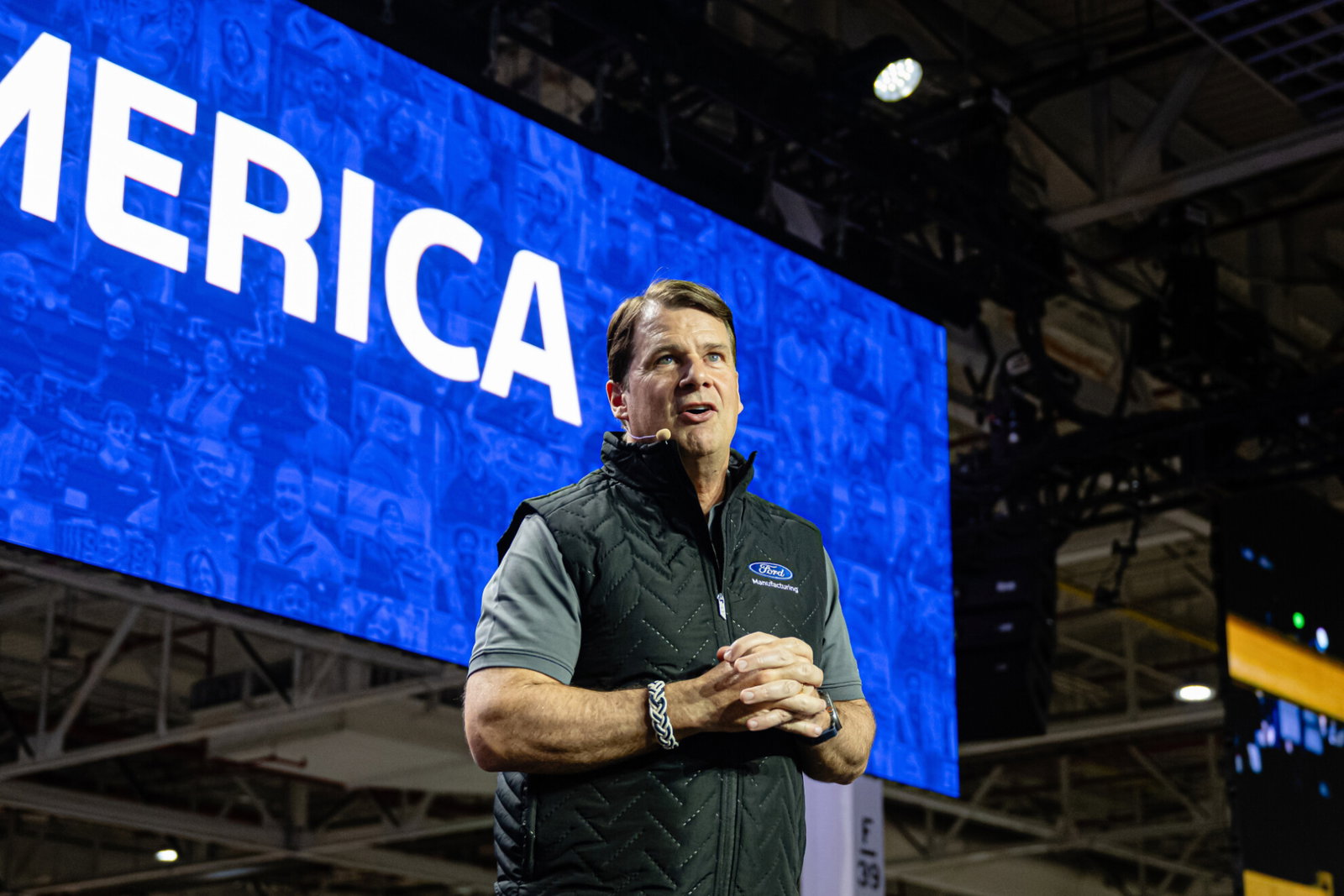
“I don’t like talking about the competition so much, but I drive the Xiaomi,” Farley said on the Fully Charged podcast in 2024.
“We flew one from Shanghai to Chicago, and I’ve been driving it for six months now, and I don’t want to give it up.
“For a company like Ford, [the rise of China’s auto industry] has been something we’ve been watching for a while, but I’ve had two trips to China the last two years that were literally epiphanies.
“The last one was about the Xiaomi product. In the West, our cell phone companies don’t have car companies. But in China, both Huawei and Xiaomi, the two biggest cell phone companies, are inside of every vehicle that is made.”